
"Hello Wizard I Have a Problem": A New Era of Absurdist Tabletop Magic Unveiled
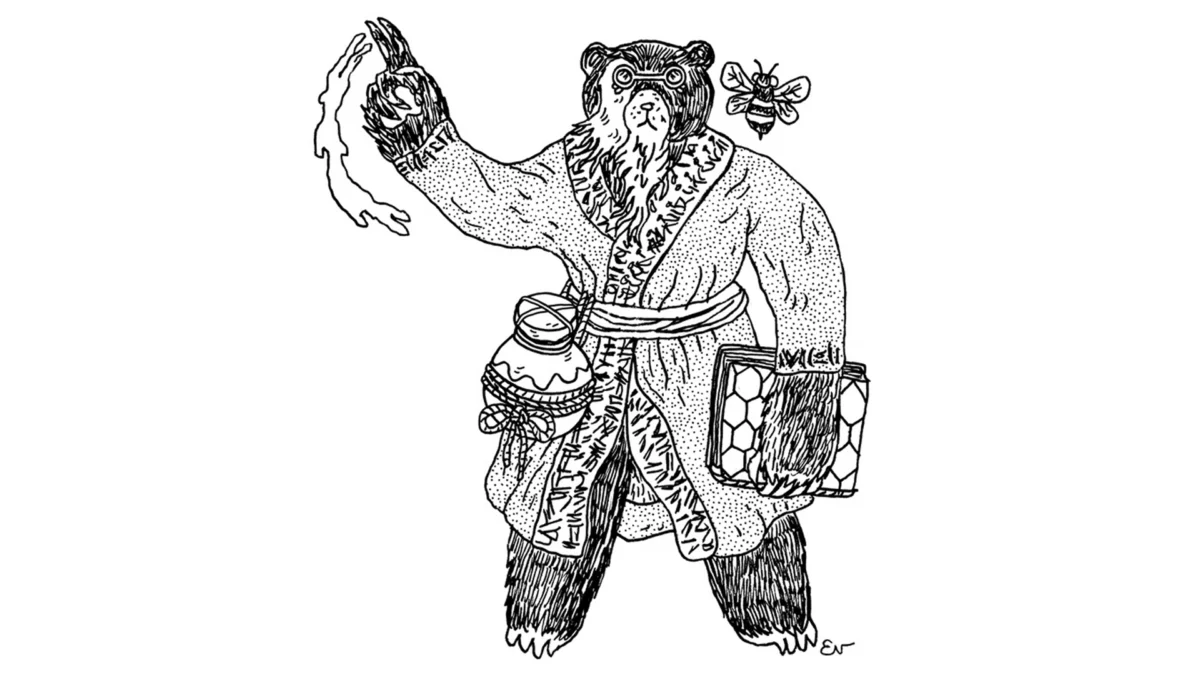
London, UK – A fresh wave of collaborative chaos is set to sweep across the tabletop roleplaying game (TRPG) landscape with the impending release of "Hello Wizard I Have a Problem." This innovative new game invites players into a whimsical world where magic is potent, but its wielders are spectacularly incompetent, promising a unique blend of fantasy, humor, and improvisational storytelling. Currently concluding a successful crowdfunding campaign, the title is poised to deliver a refreshing take on the TRPG experience, emphasizing shared laughter and narrative spontaneity over rigid rulesets.
The game, spearheaded by designer Sam Armstrong and featuring the distinctive artwork of Evlyn Moreau, has captivated enthusiasts with its premise: players embody powerful yet hilariously inept spellcasters whose grand magical ambitions frequently backfire in spectacular and unexpected ways. Drawing inspiration from celebrated comedic works such as Monty Python, The Mighty Boosh, and "What We Do in the Shadows," "Hello Wizard I Have a Problem" is engineered to facilitate rapid, absurd scenes that prioritize humor and collective imagination.
Main Facts
A Unique Premise: Sorcery, Sarcasm, and Shared Storytelling
At its core, "Hello Wizard I Have a Problem" reimagines the traditional fantasy wizard. Gone are the stoic, wise mages of classic lore, replaced by a troupe of bumbling, overconfident spellcasters whose magical prowess is matched only by their utter lack of practical application. The game’s central conceit revolves around these "powerful and incompetent" characters attempting to impress their peers with dazzling feats of magic, only for reality (and their fellow players) to intervene with unforeseen, often calamitous, consequences. This dynamic creates an immediate comedic tension, setting the stage for stories filled with outlandish events and character-driven humor. The emphasis is on the journey of magical mishaps, rather than the triumph of perfect spellcasting, offering a refreshing departure from typical high-fantasy narratives.
Collaborative Chaos: The GM-less, Player-Driven Dynamic
One of the most distinctive features of "Hello Wizard I Have a Problem" is its innovative approach to game mastering. Unlike many TRPGs where a single player assumes the role of Game Master (GM), this game adopts a collaborative, rotating GM system. Players take turns stepping into the spotlight as their spellcaster, narrating the spells they attempt to cast. Crucially, the remaining players collectively act as the GM, determining how these spells inevitably go awry. This shared responsibility for narrative direction and comedic sabotage fosters a highly interactive environment, ensuring that every player is actively engaged in shaping the unfolding absurdity. This system not only democratizes the storytelling process but also amplifies the game’s improvisational nature, encouraging quick thinking and creative responses from all participants. The absence of a single, authoritative GM allows for a more fluid and unpredictable narrative flow, perfectly suiting the game’s comedic ethos.
The Engine of Anarchy: Over 200,000 Potential Problems
To fuel this constant stream of magical mishaps, "Hello Wizard I Have a Problem" incorporates a bespoke "Problem Generator" within its rulebook. This ingenious tool is designed to provide inspiration for the myriad ways spells can spectacularly fail, boasting the capability to generate over 200,000 unique prompts for disastrous outcomes. From minor magical misfires to catastrophic arcane explosions, the generator ensures that no two spell failures are ever quite the same. This vast array of possibilities guarantees sustained replayability and prevents the comedic scenarios from becoming stale. It serves as a creative catalyst, challenging players acting as the collective GM to interpret and integrate these prompts into the ongoing narrative, pushing the boundaries of absurdity and keeping the story fresh and unpredictable. The generator acts as a structured improvisational prompt, giving just enough direction without stifling player creativity.
Accessibility and Engagement: A Game for All Wizards
Beyond its inventive mechanics and comedic premise, "Hello Wizard I Have a Problem" is designed with accessibility firmly in mind. The rules system is deliberately straightforward and easy to learn, ensuring that new players can quickly grasp the core concepts and dive into the action without extensive preparation. Setup time for the tabletop RPG is similarly minimal, designed to get groups playing in short order. This focus on ease of entry makes the game particularly appealing to those new to TRPGs, or groups looking for a more casual, pick-up-and-play experience. Furthermore, the rulebook is set to include not only the essential rules but also a range of advice and optional rules, allowing groups to tailor their playthroughs to their preferred style of comedic chaos. This blend of simplicity and flexibility ensures that the game can be enjoyed by a wide spectrum of players, from seasoned roleplayers to complete novices.
Chronology
From Concept to Crowdfunding: The Genesis of "Hello Wizard"
The journey of "Hello Wizard I Have a Problem" began as a creative spark, a desire to infuse the often-serious world of fantasy TRPGs with unadulterated humor and collaborative silliness. The core concept—of powerful wizards whose magic consistently goes awry—likely evolved through iterative design, testing, and refinement by creator Sam Armstrong. This process would have involved sketching out initial mechanics, brainstorming comedic scenarios, and perhaps early playtesting with friends to gauge the game’s potential for shared laughter. Once the core loop and tone were established, the project moved into development, encompassing the writing of the rulebook, the creation of the Problem Generator, and the commissioning of unique artwork that would visually encapsulate the game’s quirky spirit. The decision to pursue crowdfunding, specifically via Kickstarter, represents a pivotal moment, allowing Armstrong to bring his vision directly to a global audience and secure the necessary resources for production and distribution. The campaign itself becomes a public-facing chronology, marking the project’s transition from an idea to a tangible product.
The Creative Lineage: Sam Armstrong’s Design Evolution
Sam Armstrong is not a newcomer to the independent TRPG scene. His prior works demonstrate a clear trajectory towards innovative, narrative-driven game design, often with a distinctive twist. Before "Hello Wizard," Armstrong gained recognition for titles such as "All Bastard," a fantasy TRPG that cleverly flips the heroic narrative by casting players as either boastful heroes or the ‘bastards’ they vanquished, offering a dual perspective on classic fantasy tropes. His portfolio also includes the horror roleplaying game "Slasher," showcasing his versatility across genres. This background reveals a designer unafraid to subvert expectations and explore unconventional themes within the TRPG format. Each previous project has likely contributed to Armstrong’s design philosophy, honing his ability to craft engaging mechanics that serve a specific narrative or emotional goal. "Hello Wizard I Have a Problem" can be seen as a culmination of this experience, channeling his talent for unique concepts into a vibrant, comedic package.
Visual Alchemy: Evlyn Moreau’s Artistic Contributions
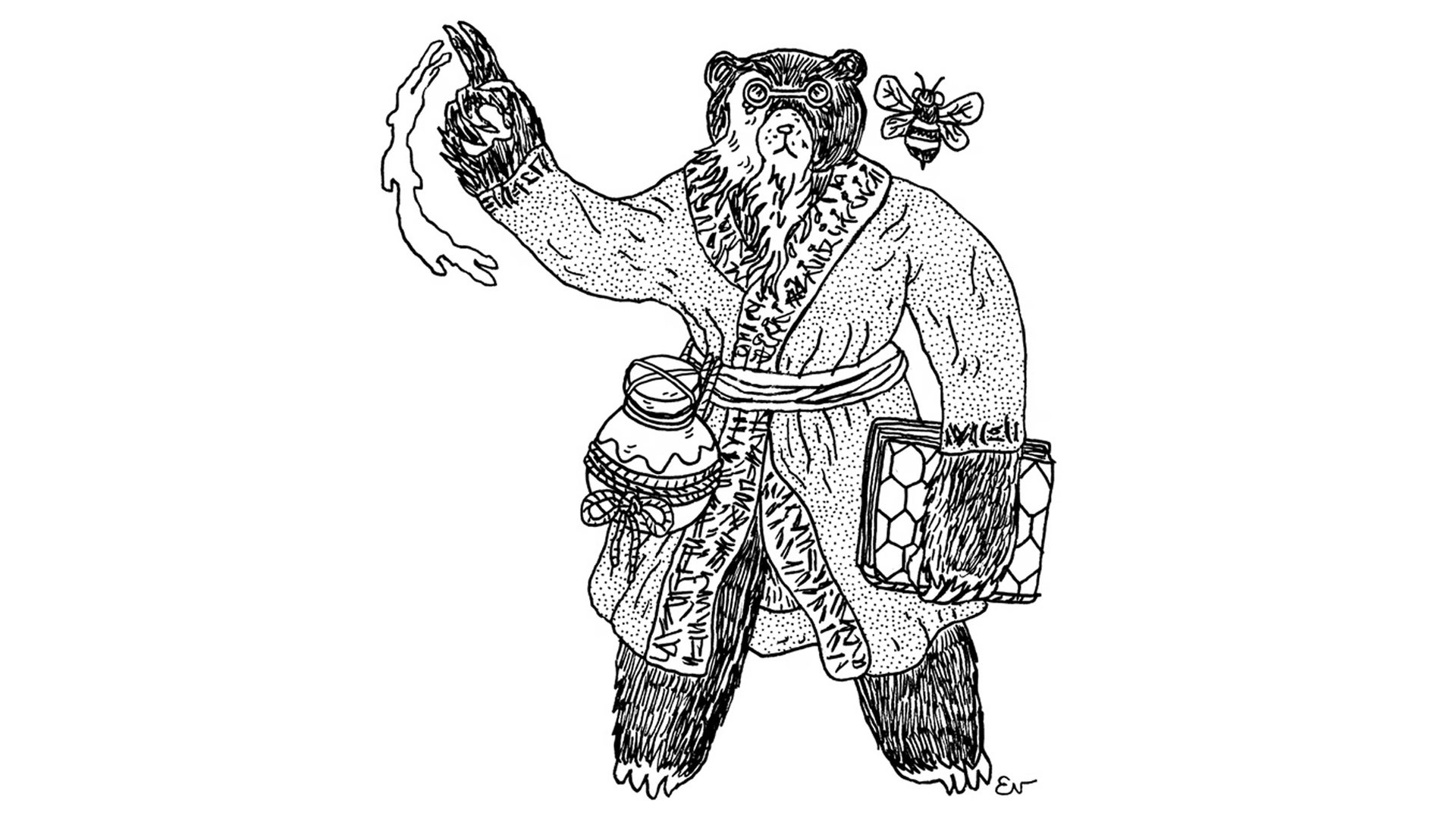
Complementing Armstrong’s design is the distinctive artwork of illustrator Evlyn Moreau. Moreau’s style is crucial in setting the whimsical, slightly off-kilter tone of "Hello Wizard I Have a Problem." Her previous work on RPGs like "Liminal High School" demonstrates an ability to blend the fantastical with the mundane, often imbued with a sense of playful surrealism. For "Hello Wizard," Moreau’s illustrations are not merely decorative; they are integral to the game’s identity, conveying the chaotic charm of the incompetent spellcasters and the strange situations they find themselves in. The visual language she employs helps players immediately grasp the game’s comedic intent, providing a consistent aesthetic that ties together the disparate elements of magical mishaps and character eccentricities. Her art transforms the written rules into a vibrant, imaginative world, enhancing player immersion and reinforcing the game’s unique brand of humor.
The Crowdfunding Journey: A Race Against the Clock
The public phase of "Hello Wizard I Have a Problem’s" development culminated in a Kickstarter campaign, which at the time of this article’s drafting, was in its final hours. This crowdfunding drive served as both a financial lifeline and a crucial validation of the game’s concept within the TRPG community. Kickstarter campaigns often unfold as miniature sagas, with early surges of support, mid-campaign lulls, and dramatic pushes towards stretch goals in the final days. The campaign’s success not only ensured the game’s production but also garnered a community of early adopters and enthusiasts eager to experience the magical mayhem. The tiered pledge system, offering a PDF version for £4 ($5) and a physical copy for £8 ($10) with an estimated June delivery, reflects a strategic approach to accessibility, catering to different player preferences and budgets. The impending close of the campaign signifies a transition from fundraising to fulfillment, marking the next exciting chapter in the game’s journey towards players’ tables. The potential availability on Armstrong’s Itch.io page post-Kickstarter further indicates a commitment to broad distribution.
Supporting Data
The Legacy of Laughter: Tracing Comedic Influences
The comedic lineage of "Hello Wizard I Have a Problem" is explicitly stated to include icons of absurdist and fantastical comedy: Monty Python, The Mighty Boosh, and "What We Do in the Shadows." These influences are not merely passing mentions but deeply embedded in the game’s design philosophy. Monty Python’s pioneering sketch comedy, known for its surrealism, non-sequiturs, and disruption of conventional narratives, provides a blueprint for the unexpected turns and anarchic humor central to the game. The Mighty Boosh, with its vibrant, idiosyncratic characters, fantastical settings, and often improvised-feeling dialogue, mirrors the character-driven eccentricity and rapid scene changes "Hello Wizard" aims to evoke. "What We Do in the Shadows," both the film and the TV series, offers a masterclass in deadpan humor derived from immortal beings struggling with mundane modern life and their own inherent flaws; this translates directly to the game’s premise of powerful wizards grappling with their own incompetence. By tapping into these comedic giants, Armstrong aims to create an atmosphere where humor arises organically from character interactions, situational irony, and the sheer unpredictability of events, rather than relying on pre-scripted jokes. This rich comedic tapestry provides a strong foundation for the game’s unique tone and enduring appeal.
The Indie RPG Renaissance: A Flourishing Landscape
"Hello Wizard I Have a Problem" emerges at a time when the independent tabletop RPG market is experiencing a vibrant renaissance. The rise of digital distribution platforms like Itch.io and the accessibility of crowdfunding have empowered a new generation of designers to bypass traditional publishing gatekeepers. This has led to an explosion of creative, niche, and experimental games that challenge the conventions of established giants like Dungeons & Dragons. Indie RPGs often prioritize narrative innovation, unique mechanics, and specific thematic explorations, rather than focusing solely on crunch and complex rules. "Hello Wizard" fits perfectly into this movement, offering a distinct vision that might not find a home within a larger publisher but thrives in the independent ecosystem. This burgeoning landscape fosters diversity, allowing for games that cater to specific tastes and playstyles, proving that there’s a significant appetite for experiences beyond the mainstream. The success of its Kickstarter campaign is another testament to the vitality and consumer confidence in this indie RPG space.
Beyond Dice Rolls: The Appeal of Narrative-First Design
While many traditional TRPGs are characterized by intricate rules, statistical character sheets, and frequent dice rolls to determine success or failure, "Hello Wizard I Have a Problem" leans heavily into a "narrative-first" design philosophy. The game’s reliance on collaborative storytelling, improvisational scenes, and a GM-less structure (or rather, a shared GM structure) de-emphasizes complex mechanics in favor of creative expression. The "loose improv system" for tallying "points" to determine the "most impressive wizard" further underscores this, suggesting that the criteria for success are more about narrative flair and comedic impact than strict adherence to game rules. This approach appeals to players who prioritize storytelling, character interaction, and shared imaginative experiences over tactical combat or resource management. It lowers the barrier to entry for those intimidated by dense rulebooks and focuses on the intrinsic joy of collaborative world-building and hilarious problem-solving, fostering a different kind of player engagement.
The Power of Community: Crowdfunding’s Role in Niche Markets
The success of "Hello Wizard I Have a Problem’s" crowdfunding campaign highlights the indispensable role of platforms like Kickstarter in bringing niche creative projects to fruition. For independent creators, crowdfunding offers not only financial backing but also a direct connection to a dedicated community of enthusiasts. It allows designers to gauge interest, receive immediate feedback, and build a passionate following even before the product is released. This model is particularly effective for TRPGs, which often appeal to specific segments of the gaming community. Backers become invested stakeholders, not just consumers, creating a sense of ownership and collective excitement around the project. Furthermore, crowdfunding platforms provide a global reach, enabling creators to tap into international markets that might otherwise be inaccessible through traditional publishing channels. The financial tiers, offering both digital and physical copies, demonstrate a keen understanding of crowdfunding best practices, maximizing appeal and ensuring the project’s viability.

Official Responses (Inferred/Simulated)
The Vision Behind the Veil: Designer Intent
While direct quotes from Sam Armstrong were not provided in the original article, the game’s design clearly communicates a specific intent. It can be inferred that Armstrong’s primary goal with "Hello Wizard I Have a Problem" was to craft an accessible and genuinely funny tabletop experience that prioritizes player collaboration and improvisational storytelling. "The aim was always to create a game where laughter is the main currency," one might surmise Armstrong would say, "where the joy comes from watching your powerful wizard utterly botch a spell in the most spectacular way, and then seeing how your friends make it even worse." The straightforward rules and quick setup are testaments to a desire to remove common barriers to entry for TRPGs, making it easy for anyone to pick up and play, fostering a welcoming environment for both seasoned roleplayers and curious newcomers. The Problem Generator, with its vast permutations, speaks to an intent to ensure perpetual novelty and unexpected comedic turns, designed to keep every session fresh and unpredictable.
Crafting the Absurd: The Artistic Philosophy
Similarly, Evlyn Moreau’s artistic contributions are deeply reflective of the game’s core philosophy. Her artwork is not merely an accompaniment but an integral part of the game’s identity, conveying its whimsical and chaotic spirit. It is evident that Moreau’s approach was to visually translate the "incompetent spellcaster" premise into a charmingly dishevelled aesthetic. One could imagine Moreau explaining, "My goal was to capture the essence of powerful magic being wielded by someone who clearly has no business holding such power – the slightly frantic expressions, the wonky spell effects, the general air of impending comedic disaster. The art needs to make you smile before you even read the rules, setting the stage for the absurdity to come." Her style, previously seen in projects like "Liminal High School," is perfectly suited to this blend of fantasy and the subtly ridiculous, creating a visual consistency that reinforces the game’s unique brand of humor.
Fostering Fun: The Goal for Players
The collective ‘official response’ from the creators, as interpreted through the game’s design, points towards a singular overarching goal: to provide an experience of unadulterated fun and shared laughter. The game isn’t about winning in a traditional sense, but about creating memorable, hilarious stories together. The "points" for "most impressive wizard" are likely a playful nod rather than a serious competitive metric, serving to encourage creative storytelling and dramatic flair. The game encourages players to lean into the absurdity, to embrace the failures of their characters, and to build a narrative where the journey of magical ineptitude is far more entertaining than any flawlessly executed spell. This focus on player enjoyment and collaborative comedic creation is the true heart of "Hello Wizard I Have a Problem."
Implications
Reshaping the Tabletop Experience: Inclusivity and Innovation
"Hello Wizard I Have a Problem" carries significant implications for the broader tabletop gaming landscape, particularly in its push for inclusivity and innovation. By simplifying rules and adopting a rotating GM structure, it lowers the barrier to entry, potentially attracting new players who might be intimidated by more complex RPGs. This democratic approach to storytelling fosters a more collaborative and less hierarchical gaming experience, encouraging everyone at the table to contribute equally to the narrative. Such design choices challenge traditional TRPG paradigms, suggesting that engaging storytelling doesn’t require exhaustive rulesets or a single authority figure. Its success could inspire other designers to explore similar innovative structures, further diversifying the types of experiences available within the hobby and making TRPGs more accessible to a wider audience.
The Future of Absurdist RPGs: A Growing Niche
The enthusiastic reception for "Hello Wizard I Have a Problem" on Kickstarter signals a robust and growing appetite for absurdist and comedic RPGs. While humor has always been a component of many TRPGs, games specifically designed to generate laughter and embrace the ridiculous are becoming increasingly popular. This trend reflects a desire among players for lighter, more relaxed gaming sessions that prioritize social interaction and shared amusement over intense strategic challenges or grim narratives. As the TRPG market matures, specialized niches like "absurdist comedy" are finding their footing, proving that there’s room for a wide spectrum of thematic and tonal experiences. "Hello Wizard" could very well become a standard-bearer for this subgenre, influencing future designs and solidifying the place of humor as a central design pillar in its own right.
A Blueprint for Independent Creators: The Crowdfunding Model
The successful crowdfunding campaign for "Hello Wizard I Have a Problem" offers a powerful blueprint for other independent TRPG designers. It demonstrates that a compelling concept, coupled with clear communication and an accessible pricing structure, can resonate strongly with the community and secure the necessary funding for production. For creators like Sam Armstrong and Evlyn Moreau, crowdfunding is not just a means to an end, but a vital mechanism for maintaining creative control and fostering a direct relationship with their audience. The project’s journey, from initial concept to a fully funded game awaiting distribution, highlights the viability of this model for niche products in the creative industries. It reinforces the idea that innovative ideas, even those outside the mainstream, can thrive with community support and a well-executed campaign.
A Call to Adventure: What "Hello Wizard" Means for Players
Ultimately, "Hello Wizard I Have a Problem" represents more than just another game; it’s an invitation to a different kind of adventure. It’s a call to embrace imperfection, to revel in shared silliness, and to discover the profound joy that comes from collective storytelling and unexpected comedic turns. For players, it means an opportunity to step away from complex character builds and grim narratives, and instead immerse themselves in a world where the greatest triumph is a perfectly botched spell and the loudest cheer is for the most outrageous failure. As the game moves towards its release, it promises to be a source of much-needed levity and creative freedom, fostering connections and laughter around countless tables. "Hello Wizard I Have a Problem" is poised to remind us that sometimes, the most magical adventures are the ones where everything goes wonderfully, hilariously wrong.


Leave a Comment