Here’s an enriched and rewritten news article based on your provided content, adhering to your specified length, tone, structure, and subheadings.
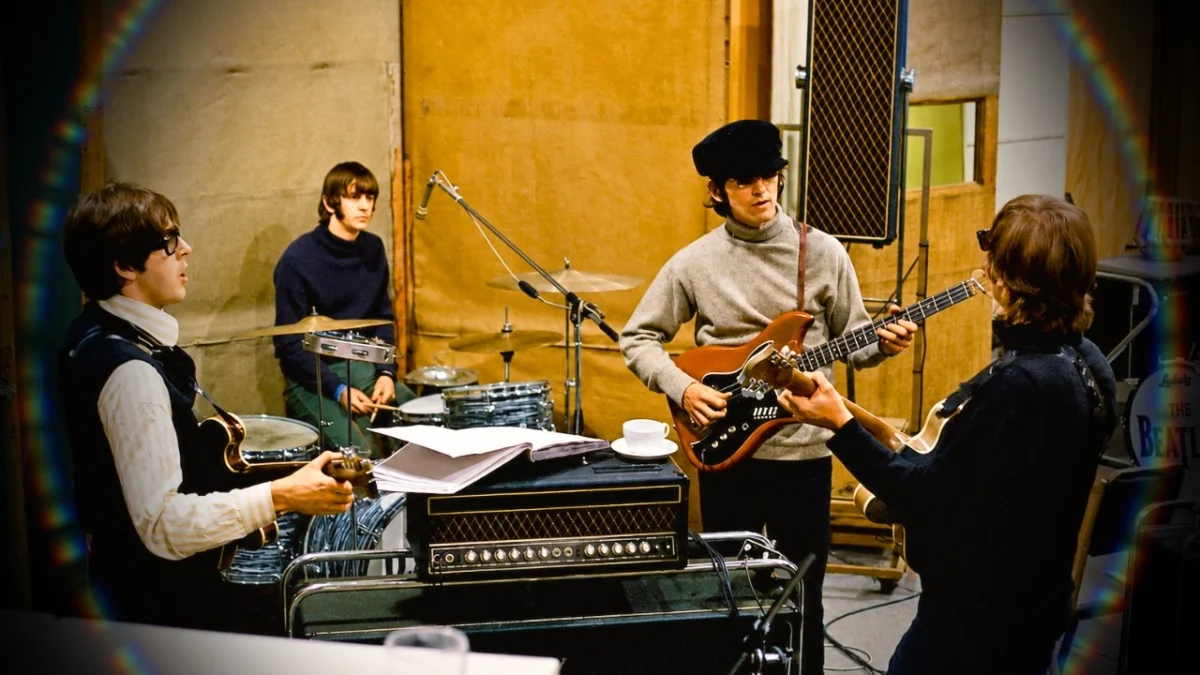
The Enduring Ascent of The Beatles’ Revolver: A Masterpiece Forged in Audacity and Innovation
August 11th, 2026
Sixty years after its groundbreaking release, The Beatles’ Revolver has firmly cemented its status not only as a pinnacle of the Fab Four’s unparalleled discography but as a serious contender for the greatest album ever recorded. While the band’s catalog boasts a constellation of masterpieces, from the introspective folk-rock of Rubber Soul to the epic swan song of Abbey Road, Revolver has, over the decades, ascended to a unique position of critical reverence. Its journey from a revolutionary sonic experiment to its current reigning status is a testament to artistic courage, relentless innovation, and the sheer brilliance of four musicians pushing the boundaries of popular music.
The Shifting Sands of Acclaim: Tracing Revolver‘s Rise
The Beatles’ album hierarchy has been a dynamic entity since their initial explosion onto the global scene. For a considerable period, Sgt. Pepper’s Lonely Hearts Club Band enjoyed an almost unchallenged reign at the apex of critical adoration, a vibrant and theatrical concept album that captured the zeitgeist of 1967. However, as the 1980s dawned, a subtle but significant shift began to occur. Revolver, the immediate predecessor to Sgt. Pepper, began to share the spotlight, often appearing alongside it in top critical rankings. This critical reappraisal continued, and by the turn of the millennium, Abbey Road, with its polished production and iconic "Abbey Road Medley," had even surpassed Sgt. Pepper in the eyes of many critics.
Today, in 2026, the narrative has coalesced around Revolver. The album, released in 1966, now stands as the single Beatles album most consistently held in the highest esteem. This enduring and growing acclaim begs a deeper examination of what makes this particular collection of songs so profoundly influential and beloved.
The Genesis of a Masterpiece: Unpacking Revolver‘s Production
To truly appreciate Revolver‘s monumental achievement, one must delve into the intricate and often unconventional process behind its creation. Music YouTuber David Hartley, in his insightful new video, provides a compelling narrative of Revolver‘s production, drawing on a rich tapestry of archival material. His approach, consistent with his previous explorations of The Beatles’ work, utilizes a wealth of studio outtakes that audibly chart the evolution of each track. These sonic blueprints, combined with contemporary interviews with the band members and their collaborators, offer an unparalleled glimpse into the creative cauldron.
A particularly illuminating source for Hartley’s analysis is the memoir of engineer Geoff Emerick, Here, There, and Everywhere. The title itself, a nod to the album’s track "Here, There and Everywhere," hints at the far-reaching sonic ambitions of the project. Emerick, remarkably young at just twenty years old during the recording sessions, proved to be an instrumental figure. His youth, rather than a hindrance, became a significant asset. He possessed an unbridled willingness not only to execute The Beatles’ increasingly "far-out" sonic ideas but also to challenge and even circumvent the rigid policies of EMI Studios. This was a period when studio experimentation was often met with institutional resistance, making Emerick’s audacious spirit all the more crucial.
A Symphony of Experimentation: The Audacious Soundscapes of Revolver
The recording of Revolver was a period of unprecedented sonic exploration for The Beatles, pushing the boundaries of what was thought possible in a 1966 recording studio. If an experimental technique existed, or could be conceived, it was likely tried on this album. Hartley’s video highlights the sheer breadth of this experimentation, revealing how songs evolved through a process of bold sonic intervention.
For instance, "I’m Only Sleeping" is revealed to have once featured a vibraphone, an instrument not typically associated with The Beatles’ earlier sound. The iconic and surreal "Yellow Submarine" initially began with a spoken-word introduction, a far cry from its eventual playful, singalong delivery. Perhaps most famously, "And Your Bird Can Sing" was almost derailed by uncontrollable and, as suggested, potentially substance-induced laughter that repeatedly interrupted takes, a candid glimpse into the often-uninhibited atmosphere of the studio.
These are not isolated incidents; the album’s thirty-five-minute runtime is a densely packed universe of musical ideas, each song a testament to a journey that rarely followed a straight path. The Beatles managed to encapsulate an astonishing range of thematic and sonic material. They seamlessly integrated the innocence of a "children’s singalong song" ("Yellow Submarine") with the biting social commentary of "Taxman," a track lamenting the high tax rates imposed on their earnings. The album also delves into profound emotional landscapes, featuring the poignant exploration of loneliness in "For No One" and the laid-back contemplation of idleness in "Tomorrow Never Knows."
Crucially, amidst this sonic and thematic diversity, Revolver managed to convey the "great feeling of joy" for which The Beatles’ oeuvre is so celebrated. This potent combination of artistic daring, lyrical depth, and infectious exuberance is what has secured Revolver‘s place in the pantheon of great albums.
The Technological Canvas: Innovation and Engineering Prowess
The sonic revolution of Revolver was intrinsically linked to advancements in recording technology and the innovative application of existing tools. Geoff Emerick’s role cannot be overstated; he was instrumental in translating the band’s increasingly abstract sonic visions into tangible recordings. His willingness to bend and break the established rules of EMI Studios was paramount.
This included pushing the limits of tape manipulation. Techniques such as backward recording, a hallmark of "Tomorrow Never Knows," were not merely novelties but integral to the song’s disorienting and otherworldly atmosphere. The use of automatic double tracking (ADT), a process developed by EMI engineer Ken Townsend, allowed for the creation of a thicker, more robust vocal sound without the need for multiple takes, a technique that became a staple of their later recordings.
Furthermore, the band and their engineers employed a variety of unconventional microphone placements and effects. Leslie speakers, typically used for Hammond organs, were repurposed to create the swirling, ethereal sound of John Lennon’s vocals on "Tomorrow Never Knows." The use of tape loops, particularly on "Tomorrow Never Knows," was a pioneering step towards musique concrète, laying the groundwork for future electronic music genres.
The album’s diverse instrumentation also contributed to its groundbreaking sound. The incorporation of string arrangements, sitars, and even reversed guitar solos demonstrated a willingness to draw inspiration from a wide range of musical traditions and to integrate them seamlessly into a pop context. This was not simply about adding new sounds; it was about reimagining the very architecture of a song.
The Impact and Legacy: Revolver‘s Enduring Influence
The impact of Revolver on the trajectory of popular music is immeasurable. Its daring experimentation and refusal to be confined by genre conventions opened doors for countless artists. The album’s influence can be heard in the psychedelic explorations of the late 1960s, the innovative production techniques of the 1970s, and the continued push for sonic originality in contemporary music.
Revolver demonstrated that a pop album could be a cohesive artistic statement, a journey through diverse moods and ideas, while simultaneously being incredibly accessible and commercially viable. It proved that popular music could be intellectually stimulating and emotionally resonant, capable of addressing complex themes and pushing artistic boundaries without alienating its audience.
The album’s success also solidified The Beatles’ position as not just performers but as true sonic architects. They were no longer simply recording songs; they were sculpting sound, using the studio as an instrument in itself. This paradigm shift fundamentally altered the perception of what an album could be.
Looking Ahead: Revolver‘s Continued Reign?
As Revolver celebrates its 60th anniversary, its critical standing remains exceptionally high. The question lingers: will it continue to hold the title of The Beatles’ best work when its 70th anniversary arrives? The evidence suggests a strong probability. The album’s enduring appeal lies in its timeless innovation, its profound emotional depth, and its sheer sonic brilliance. It is an album that continues to reveal new layers with each listen, a testament to the genius of its creators.
The journey of Revolver from a bold, experimental undertaking to its current status as a universally acclaimed masterpiece is a compelling narrative of artistic evolution. It stands as a powerful reminder of The Beatles’ unparalleled ability to innovate, to inspire, and to create music that transcends time and continues to resonate with audiences across generations. The future may be uncertain, but the legacy of Revolver is as solid and brilliant as the music it contains.