
The Art of Slow Food: Exploring the Hand-Crafted World of Pawsta
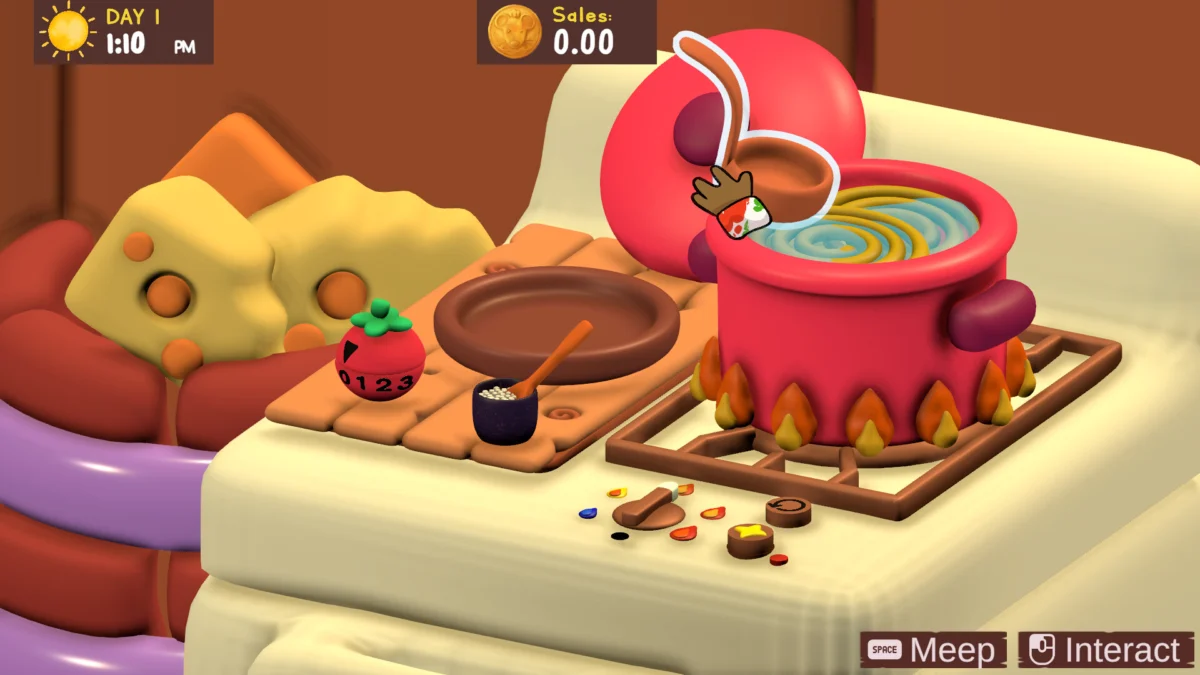
The indie gaming landscape is currently undergoing a "tactile revolution." In an era dominated by hyper-realistic 4K textures and procedurally generated universes, a growing segment of developers is turning back toward the physical, the hand-molded, and the deliberately slow. At the forefront of this movement is Pawsta, an upcoming "cozy claymation cooking game" that trades the high-octane stress of traditional culinary simulators for the rhythmic, soothing charm of a handmade world.
Developed with a distinct visual flair that evokes the nostalgic warmth of stop-motion animation, Pawsta invites players into the life of Rigatoni, a small mouse with big culinary ambitions. As Rigatoni steps into his grandmother’s kitchen to help preserve the family legacy, players are treated to a gameplay experience that prioritizes the "process" over the "product."
Main Facts: A New Flavor of Culinary Simulation
Pawsta is more than just a cooking game; it is a digital homage to the art of claymation. In this title, players take on the role of Rigatoni, a mouse tasked with managing the daily operations of his grandmother’s pasta restaurant. Unlike the frantic energy of titles like Overcooked or Cook, Serve, Delicious!, Pawsta is built on the foundations of the "cozy" genre—a sub-industry of gaming that emphasizes relaxation, low-stakes progression, and aesthetic satisfaction.
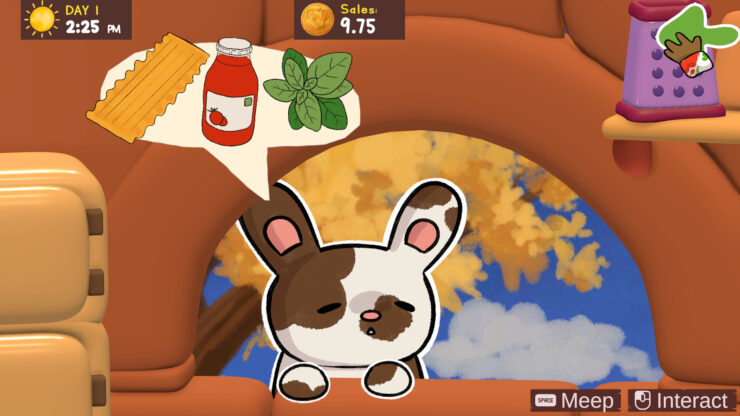
The core loop involves receiving orders from a variety of anthropomorphic animal customers, ranging from bunnies to other woodland creatures. Each order is represented by clear, intuitive icons that dictate the type of pasta, the sauce, and the specific toppings required. The game is currently in active development and has garnered significant attention following its showcase in indie-focused events, specifically for its unique art style and forgiving gameplay mechanics.
Key Features at a Glance:
- Protagonist: Rigatoni the Mouse.
- Visual Style: Full claymation/stop-motion aesthetic.
- Core Mechanics: Manual dough preparation, pasta cutting, boiling, saucing, and garnishing.
- Philosophy: No-fail states, no timers, and a focus on sensory satisfaction.
- Progression: A global journey featuring diverse culinary styles and regional recipes.
Chronology: From Concept to the Wholesome Spotlight
The journey of Pawsta reflects the broader rise of the "Wholesome Games" movement. While the specific start date of development remains within the private studio’s timeline, the game’s public trajectory shifted significantly during the 2024–2025 cycle of indie game showcases.
- Initial Reveal and Visual Prototyping: The game first caught the eyes of enthusiasts through social media snippets showcasing the "squishy" physics of the clay pasta dough. This early phase focused on proving that a claymation aesthetic could be translated into a responsive interactive medium.
- Wholesome Direct 2025 Sneak Peek: The most significant milestone for Pawsta was its inclusion in the Wholesome Direct 2025. This event, which serves as a premier platform for non-violent and artistic indie titles, introduced Rigatoni to a global audience. The trailer highlighted the "grandmother’s restaurant" narrative and the global travel expansion planned for the full release.
- Steam Listing and Wishlist Phase: Following the trailer, the game’s Steam page went live, allowing the community to track its development. This stage is crucial for indie developers, as "wishlisting" serves as the primary metric for success and visibility on digital storefronts.
- Current Status: Pawsta remains in active development. The developers are currently refining the user interface (UI) and expanding the "world tour" aspect of the game, which promises to take players beyond the initial Italian-inspired kitchen.
Supporting Data: The Mechanics of Claymation Cooking
To understand why Pawsta stands out, one must look at the granular details of its gameplay. The game breaks down the cooking process into several tactile stages, each designed to provide a sense of "digital ASMR" (Autonomous Sensory Meridian Response).
The Pasta-Making Process
In most cooking games, making pasta would be a single click. In Pawsta, it is a multi-step ritual:
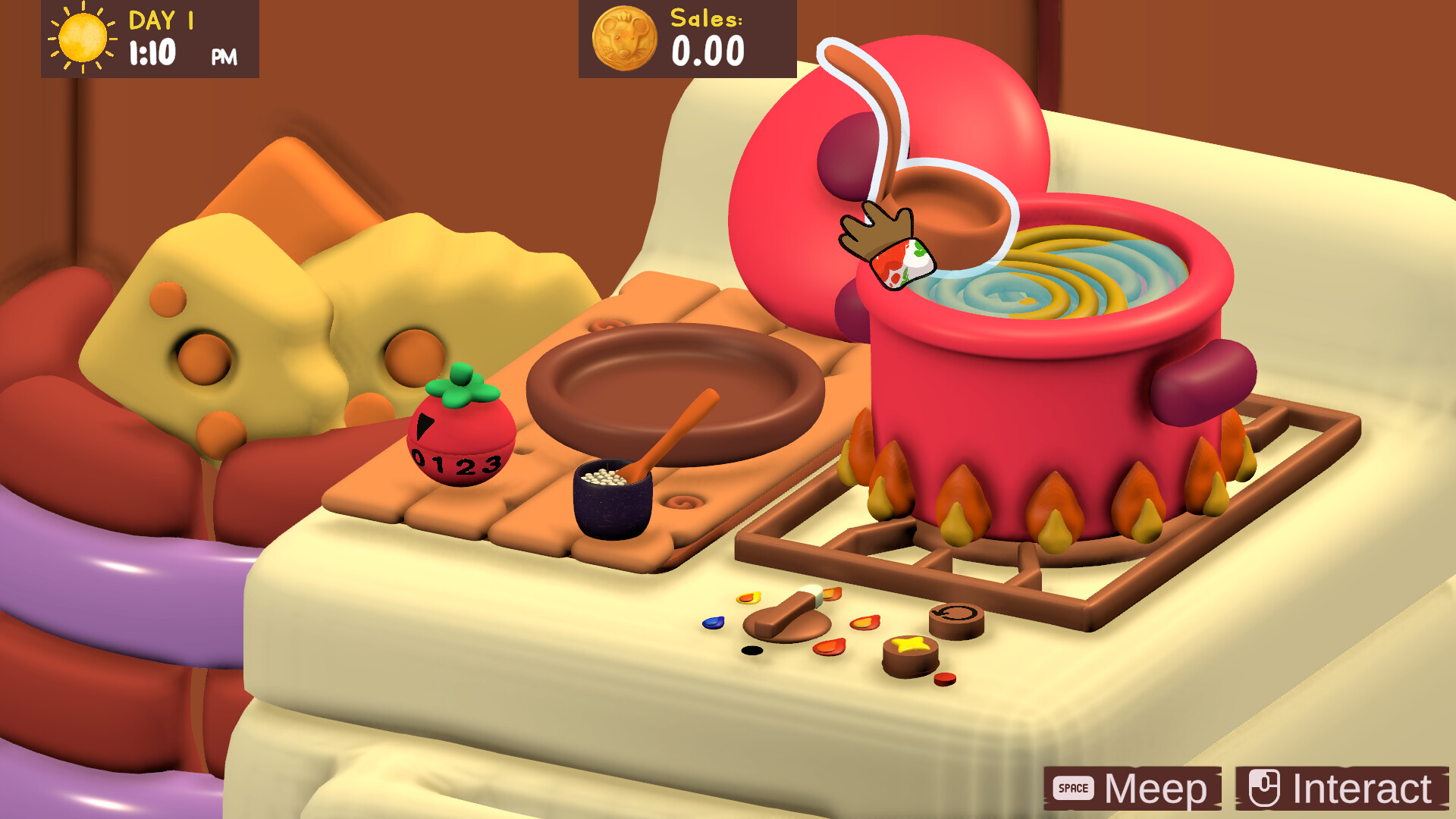
- The Fridge Phase: Players must physically retrieve the dough.
- The Rolling Phase: Using on-screen prompts, players roll out the clay dough, watching it flatten and spread with the characteristic imperfections of real clay.
- The Cutting Station: Precision is key here, as players cut the dough into the shapes requested by the customer.
- The Boiling Station: The pasta is submerged, and players must monitor its progress.
Customization and Creative Freedom
One of the most praised aspects of the early builds is the lack of rigid "perfection" requirements. While there are "perfect" animations for those who follow instructions to the letter, the game allows for significant creative liberty. Players can decide exactly how much sauce to ladle onto a dish or how many toppings to pile on.
Interestingly, the game’s "failure" state is intentionally soft. If a dish is not exactly what the customer ordered, they do not storm out or leave a negative review. Instead, they take the food and eat it anyway. This design choice removes the "performance anxiety" often associated with the genre, reinforcing the "cozy" label.
The Learning Curve and UI Challenges
Early playtests and reviews, such as those from indie journalist Jupiter Hadley, have noted that while the game is charming, it does possess a learning curve regarding its UI. The "highlights" intended to guide players to the next station can occasionally be subtle, requiring players to spend their first few sessions experimenting with the environment to understand the flow of the kitchen. However, given the lack of timers, this exploration phase is rarely frustrating.
Official Responses and Community Reception
The response from the indie gaming community has been overwhelmingly positive, particularly regarding the game’s commitment to its art style. Claymation is notoriously difficult to execute in video games because it often requires a mix of physical stop-motion photography and complex 3D modeling to ensure the "clay" looks authentic while remaining interactive.
Critic and Journalist Perspectives
Jupiter Hadley, a prominent voice in the indie game space, described the game as "fantastic" and "just very fun." Her review highlighted the emotional core of the game—the story of Rigatoni’s family and their famous cooking. Critics have noted that the game feels like a "warm hug," a sentiment that resonates with a player base looking for an escape from the high-stress environments of AAA gaming.
Community Expectations
On platforms like Steam and X (formerly Twitter), the "cozy gaming" community has praised the game for its inclusivity and accessibility. The "play at your own pace" philosophy is a major selling point for players with disabilities or those who simply use gaming as a tool for stress management. The anticipation for the "World Tour" mode is particularly high, with fans eager to see how other international cuisines—like ramen or tacos—will be rendered in the game’s signature clay style.
Implications: The Future of Tactile Gaming
The development of Pawsta carries several implications for the future of the indie industry and the "cozy" genre.
1. The Diversification of "Cozy"
For several years, the cozy genre was dominated by "farming sims" in the vein of Stardew Valley. Pawsta represents a shift toward more specialized, craft-oriented simulators. It proves that there is a market for games that focus on the beauty of a single craft—in this case, pasta making—rather than trying to simulate an entire life.
2. Art as a Primary Mechanic
In Pawsta, the art style is not just a skin; it is a mechanic. The way the clay deforms and reacts to the player’s "touch" provides the primary satisfaction of the game. This suggests that "visual feel" is becoming as important as "gameplay feel" in the indie sector. We are likely to see more developers experimenting with non-traditional mediums like papercraft, oil painting, or embroidery-style visuals.
3. The Rejection of Efficiency
In modern society, "efficiency" is often the goal. Many games mirror this by rewarding speed and multitasking. Pawsta stands as a counter-cultural piece of media that suggests there is value in taking one’s time. By removing the penalty for slowness, it challenges the player to find joy in the labor itself rather than the reward at the end.
4. Technical Innovation in "Lo-Fi" Aesthetics
While the game looks "lo-fi" and handmade, the technology required to make claymation feel smooth in a real-time interactive environment is sophisticated. Pawsta’s success could encourage more technical investment into shaders and physics engines that mimic physical materials, bridging the gap between traditional folk art and modern digital entertainment.
Conclusion
Pawsta is shaping up to be a landmark title for fans of the wholesome genre. By combining a heartfelt narrative about family and legacy with a meticulously crafted claymation world, it offers an experience that is as much about the soul as it is about the stomach. As Rigatoni prepares to take his grandmother’s recipes to the world stage, players are reminded that sometimes, the best meals—and the best games—are the ones made slowly, by hand, and with a little bit of love.
For those eager to step into Rigatoni’s kitchen, Pawsta is currently available to wishlist on Steam, with further updates on its global culinary tour expected in the coming months.


Leave a Comment