Navigating the New Literary Landscape: Unlocking a Universe of Free Reading in Challenging Times
Main Facts:
Across the globe, readers are grappling with unprecedented financial strain. Inflationary pressures and the rising cost of living have tightened discretionary spending, often forcing beloved hobbies like book buying onto the back burner. This economic reality has led many avid readers into an unwelcome "reading slump," as the perceived barrier to accessing new stories grows. However, a closer look reveals a vibrant, often overlooked ecosystem of free reading resources that promises to keep literary appetites sated without straining the wallet. From expansive digital archives rooted in popular culture to cutting-edge webcomics, exclusive pre-publication access, dedicated children’s literacy programs, and the enduring cornerstone of public libraries, a wealth of options exists for every type of reader. This article delves into these diverse avenues, demonstrating how individuals can continue to engage with compelling narratives, foster literacy, and participate in literary communities, all while adhering to a budget.
Chronology & Supporting Data:
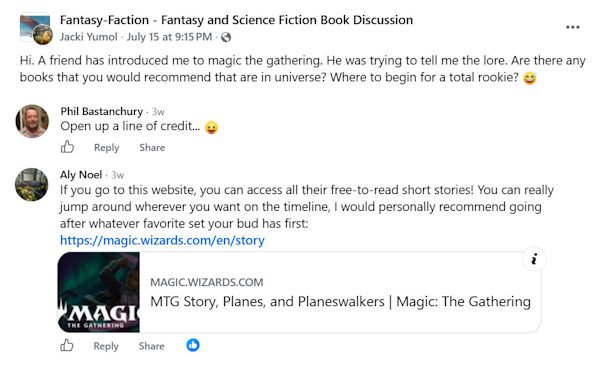
The journey to discovering these free literary havens often begins unexpectedly, much like a recent discussion within the Fantasy-Faction Facebook group about the intricate lore of Magic: The Gathering. This seemingly niche conversation illuminated a broader truth: many internet-savvy enthusiasts, accustomed to digital abundance, often take for granted the sheer volume of free content available. Meanwhile, a significant portion of the reading public remains unaware of these accessible opportunities.

The Unexpected Gateway: Lore from the Multiverse of Magic: The Gathering
Trading Card Games (TCGs), since their popularization in the early 1990s with the advent of Magic: The Gathering (MtG), have carved a significant niche in nerd culture. While the hobby itself is notoriously capital-intensive, a well-kept secret lies in the sprawling, decades-old fantasy narrative that underpins the MtG universe. For those unfamiliar with TCGs, the financial "buy-in" required to delve into the game’s mechanics often precludes exploration of its rich storyline. Yet, this formidable barrier to entry for the game itself does not extend to its narrative.
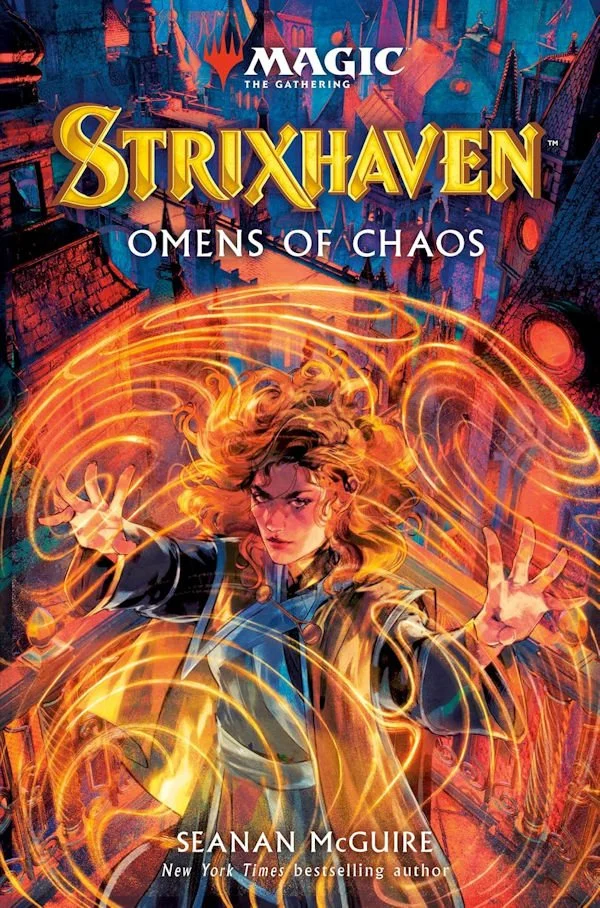
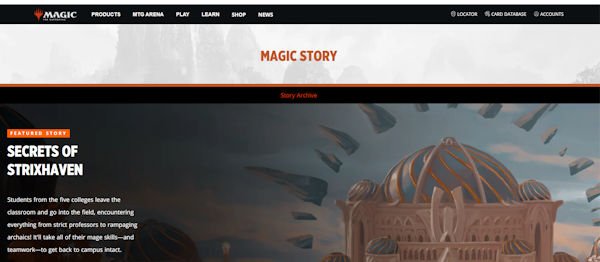
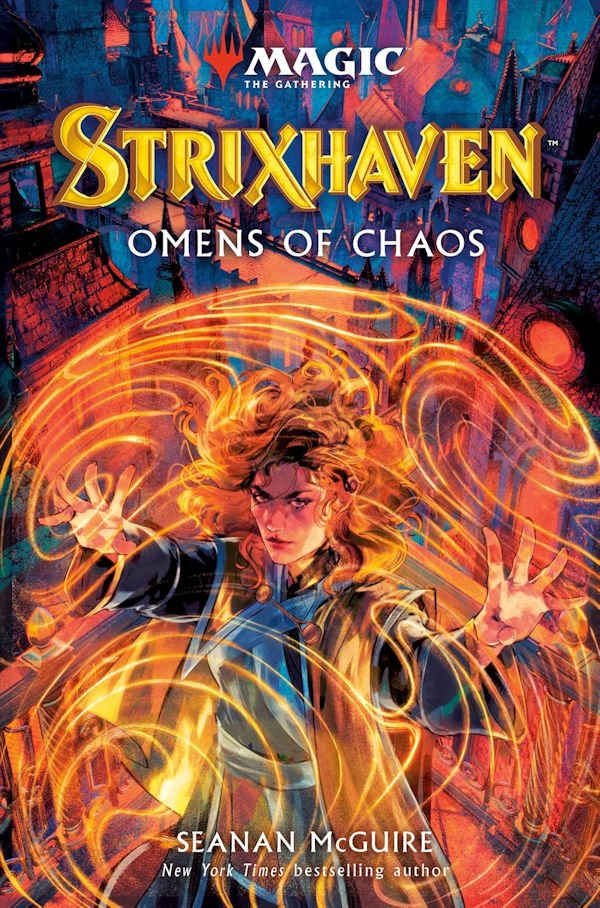
Wizards of the Coast, the parent company behind MtG, employs a dedicated team of lore-writers who meticulously craft and maintain an updated timeline of short stories, novellas, and world-building articles – all freely accessible on their official website. This commitment to narrative enrichment serves not only to deepen the experience for existing players but also to attract new enthusiasts to the franchise through its compelling storytelling. These pieces, dating back to 2014, are remarkably well-written and frequently stand alone as robust works of fantasy fiction. Notable examples include Valerie Valdes’ contributions to the 2024 Bloomburrow and 2023 The Lost Caverns of Ixalan story arcs, which have garnered critical acclaim for their imaginative scope and character development. The continuity provided by these free stories offers a unique chronological journey through a dynamic fantasy world, allowing readers to witness the evolution of planes, characters, and conflicts without ever purchasing a single card. Should readers become enamored with the universe and its narrative style, a vast library of full-length novels, such as Seanan McGuire’s recent Strixhaven: Omens of Chaos, is available for purchase, bridging the gap between free digital content and traditional publishing. This strategy effectively democratizes access to a rich fictional universe, transforming a niche gaming lore into a widely accessible literary experience.
The Rise of Digital Narratives: Webtoons and the Webcomic Revolution
For those who grew up with the vibrant panels of comics, graphic novels, manga, or even the nostalgic charm of Sunday funnies, the digital age has ushered in a new era of serialized visual storytelling. Webtoon, a global storytelling platform, stands at the forefront of this revolution. Originating in South Korea as a platform for creators to release serialized webcomics, or "webtoons" (similar to manhwa), it has blossomed into a worldwide phenomenon, boasting an incredibly diverse library spanning genres from romance and fantasy to slice-of-life and action.
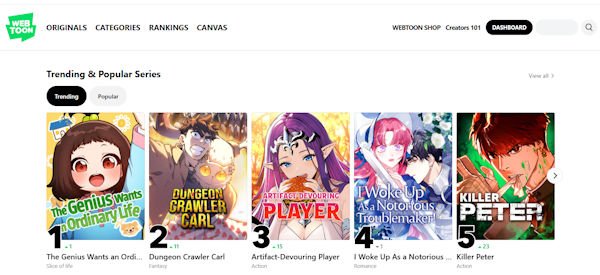
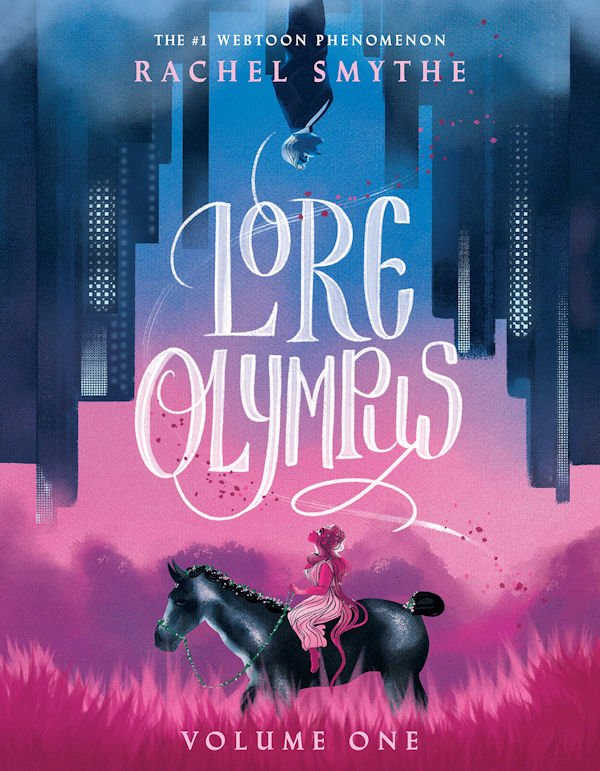
Webtoon’s success lies in its innovative model: content is typically serialized, with new chapters or "episodes" released weekly or monthly. Crucially, as new episodes are uploaded, older chapters progressively become available for free. This means that, given a little patience, readers can eventually access complete stories without any cost. This "freemium" model has not only made webcomics incredibly accessible but has also democratized content creation, providing an invaluable jumping-off point for new writers and artists to build a community and cultivate a dedicated fanbase. The platform has even served as a proving ground for titles that later achieve mainstream success in traditional print, such as Rachel Smythe’s critically acclaimed Lore Olympus, a modern retelling of the Persephone and Hades myth. Beyond established hits, Webtoon hosts a plethora of emerging talent; personal favorites include Inuu by dionne_ong and Africa by Arven92. Even popular fantasy novels like Matt Dinniman’s Dungeon Crawler Carl are finding new life as graphic novel adaptations on Webtoon, with new episodes released every Friday, demonstrating the platform’s versatility and growing influence in the broader literary landscape. This chronological shift from print-first to digital-first serialized content represents a significant evolution in how stories are consumed and shared globally.
Pioneering New Releases: The World of Advance Reader Copies (ARCs) via NetGalley
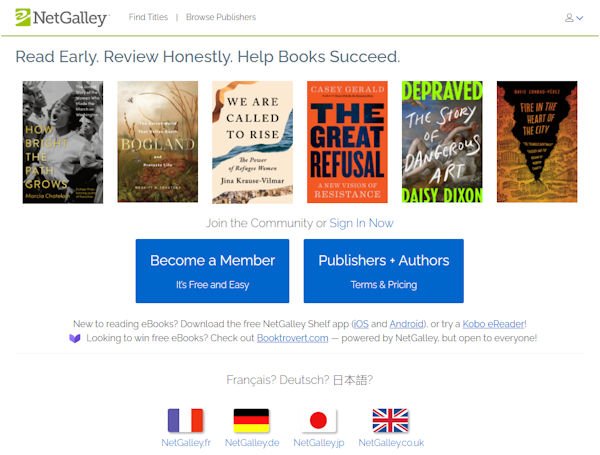
For the discerning reader who delights in forming strong opinions and engaging in critical discourse, the world of Advance Reader Copies (ARCs) offers a unique and mutually beneficial opportunity. Websites like NetGalley facilitate a symbiotic relationship between authors, publishers, and readers, allowing individuals to access new titles months before their official publication dates.
The premise is straightforward: in the highly competitive publishing industry, securing early buzz, glowing reviews, and compelling quotes can be the decisive factor between a book’s obscurity and its ascent to bestseller status. Publishers, seeking to generate this crucial pre-publication momentum, offer digital ARCs (and sometimes audio ARCs) to a network of reviewers. In return for receiving these exclusive early copies, readers are expected to provide honest and timely reviews on platforms like Goodreads, Amazon, or personal blogs. This exchange is predicated on a commitment to reciprocity; maintaining a strong "feedback ratio" – the proportion of books requested versus books reviewed – is paramount. A consistently low ratio can lead to future requests being denied by publishers.
NetGalley serves as a central hub for this exchange, hosting titles from a vast spectrum of authors, from breakthrough indie voices to literary giants like R. F. Kuang, T. Kingfisher, Brandon Sanderson, and John Gwynne. The platform’s intuitive interface allows readers to browse by genre, author, and even accessibility features (such as audiobook availability), ensuring a tailored discovery experience. Beyond the sheer volume of free reading material, engaging with ARCs offers readers the unique satisfaction of being literary pioneers, shaping the initial reception of new works and contributing directly to the success of authors. It transforms passive consumption into active participation, rewarding critical engagement with unparalleled access to the forefront of the publishing world.
Nurturing the Next Generation: Free Resources for Young Readers
As an educator, the author notes with concern the ongoing literacy crisis facing many nations, particularly the United States. Factors ranging from increased screen time to shifting educational priorities contribute to declining reading engagement and aptitude among children. Addressing this critical challenge necessitates a multi-pronged approach, and free reading resources play an indispensable role in fostering a lifelong love of reading from an early age.
Storyline Online:
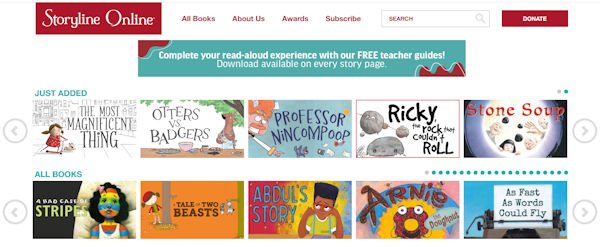
One of the most impactful initiatives in this regard is Storyline Online, a children’s literacy program launched by the SAG-AFTRA Foundation. This ingenious platform features celebrated actors reading beloved children’s picture books aloud, accompanied by animated illustrations. The program’s mission is clear: "Reading aloud to children has been shown to improve reading, writing and communication skills, logical thinking and concentration, and general academic aptitude, while also inspiring a lifelong love of reading." The celebrity involvement adds a captivating dimension, drawing children into stories with engaging vocal performances and expert narration. While primarily aimed at Pre-K through 3rd-grade students with its storybook-style titles, the calming and engaging nature of read-alouds has proven beneficial even for older students on challenging days, offering a moment of quiet engagement and exposure to fluent reading models. The platform leverages the power of storytelling and celebrity appeal to combat literacy apathy, providing a high-quality, free educational resource accessible to families and educators worldwide.
Epic!:
Another powerhouse in digital children’s literature is Epic!, lauded as the world’s largest digital library for kids. Boasting an astounding catalog of over 40,000 titles, Epic! offers an unparalleled array of reading materials tailored for young learners. While a subscription is required for family home use, the platform is entirely free for educators, who can easily create accounts and provide seamless access to their students. It is rare to find a school without at least one teacher leveraging this resource, often school librarians or ELA specialists eager to provide diverse reading options.
Epic! transcends traditional e-books, offering a rich tapestry of content including non-fiction titles paired with teacher-created comprehension quizzes, a vast selection of audiobooks, and an ever-growing collection of graphic novels. This multi-modal approach caters to various learning styles and reading abilities, ensuring that every child can find engaging content. From emergent readers benefiting from "read-to-me" features to advanced readers exploring complex non-fiction, Epic! promotes differentiated instruction and independent reading, making it an invaluable tool in the ongoing battle against the literacy crisis. Its chronological growth and continuous expansion of its digital offerings signify a robust response to the evolving needs of young readers in the digital age.
The Enduring Cornerstone: The Public Library System
In an era dominated by digital platforms, the public library remains an unparalleled, often undervalued, institution for free reading and community support. Far from being mere repositories for physical books, modern libraries are dynamic community hubs offering a vast array of services that extend well beyond traditional lending. They provide crucial access to information, technology, and cultural enrichment, particularly vital for individuals and families facing economic hardship.
Beyond free access to physical books, libraries offer essential services such as public computer access, free Wi-Fi, printing and scanning facilities, resume assistance, standardized test preparation materials, and even access to movies, music, audiobooks, and video games. They serve as safe, welcoming spaces for community gatherings, workshops, author talks, and children’s programs, and often function as vital cooling or warming centers during extreme weather events. The fundamental principle governing public libraries in many countries, including the United States, is "use it or lose it." Increased community participation, usage rates, and traffic directly correlate to higher funding allocations from local governments. This economic reality underscores the civic responsibility of utilizing these resources, not just for personal benefit, but for the sustained health and vitality of a crucial public service.
Furthermore, public libraries have seamlessly integrated digital services into their offerings. Many partner with platforms like Hoopla or Libby, allowing patrons with a valid library card to access e-books, audiobooks, magazines, and even movies and music directly on their devices. This fusion of traditional and digital resources ensures that libraries remain at the forefront of equitable access to knowledge and entertainment, bridging the digital divide and providing unparalleled value to their communities. The long-standing, often centuries-old, tradition of public libraries providing free access to information represents a foundational chronological anchor in the history of widespread literacy.
Official Responses & Implications:
The existence and proliferation of these diverse free reading resources represent a collective "official response" from various entities – from commercial enterprises like Wizards of the Coast and Webtoon, which strategically offer free content to expand their audience and foster loyalty, to non-profit foundations like SAG-AFTRA, driven by philanthropic missions, and public institutions like libraries, mandated to serve their communities. Each platform, in its own way, contributes to the overarching implication of democratizing access to knowledge and entertainment.
Democratization of Knowledge and Entertainment: In a world where content often comes with a paywall, these resources level the playing field, ensuring that financial constraints do not dictate intellectual or recreational engagement. They affirm that reading, learning, and cultural participation are fundamental rights, not luxuries.
Shifting Paradigms in Publishing and Content Creation: The success of platforms like Webtoon highlights a significant shift in the publishing landscape towards serialized, digital-first content, often driven by creator-audience interaction. Similarly, NetGalley underscores the growing importance of reader engagement and early buzz in the marketing strategies of traditional publishers. These models challenge conventional publishing timelines and distribution methods.
Fostering Lifelong Literacy: For children, the impact of Storyline Online and Epic! is profound. By making reading engaging and accessible, they are critical tools in combating the literacy crisis, instilling foundational skills and a love for stories that can last a lifetime. Libraries further reinforce this by providing a continuum of resources from early childhood to adult education.
Community and Connection: Whether through online fan groups discussing Magic: The Gathering lore, the comment sections of Webtoons, the review community on NetGalley, or the physical and virtual spaces provided by libraries, these resources foster vibrant communities centered around shared literary interests. They transform reading from a solitary act into a communal experience.
Economic Resilience for Readers: Ultimately, these platforms offer practical, sustainable strategies for maintaining a rich and varied reading life without succumbing to financial pressures. They empower individuals to explore new genres, discover new authors, and engage with compelling narratives, ensuring that a passion for reading can thrive regardless of economic climate.
The Future of Reading: The evolution of these free resources suggests a future where access to stories is increasingly digital, diverse, and community-driven. While traditional publishing continues to evolve, the free ecosystem demonstrates a robust capacity for innovation and adaptation, promising a vibrant literary landscape for generations to come.
In conclusion, the current economic climate may present challenges for readers, but it also illuminates the incredible generosity and ingenuity within the literary world. From the sprawling lore of fantasy card games to the dynamic panels of webcomics, the pre-publication thrill of ARCs, the foundational support for young readers, and the enduring embrace of public libraries, a universe of free reading awaits. These resources not only provide economic relief but also enrich lives, foster literacy, and strengthen communities. Explore them, utilize them, and share them – for in doing so, we not only sustain our own love of reading but also contribute to a more literate and connected world.