The Human Touch: Reclaiming Authenticity in the Age of AI Art
The digital art world is currently experiencing a seismic shift, driven by the rapid proliferation and increasing sophistication of Artificial Intelligence (AI) art generators. While these tools offer unprecedented creative possibilities, they have also ignited a passionate backlash from human artists. This backlash, however, is not merely a rejection of technology; it’s a profound moment of reflection, pushing creators to re-examine the very essence of what makes art uniquely human. Ironically, the very characteristics that once defined polished digital art – hyper-realism, glossy finishes, and an almost unnerving perfection – are now being viewed with suspicion, often mistaken for AI output. This has inadvertently created an opportunity for a resurgence of techniques and aesthetics that were, for years, consciously sidelined.
The AI Backlash: A Catalyst for Artistic Re-evaluation
The visceral reaction to AI-generated art stems from a complex interplay of concerns: intellectual property rights, the potential devaluation of human labor, and the philosophical question of authorship. Artists who have dedicated years to honing their craft find their unique styles mimicked and reproduced at an astonishing speed, often without attribution or compensation. This has led to a climate where even art created entirely by human hands can be misconstrued. The tell-tale signs of AI art – a certain "glossy," "hyper-detailed," or "suspiciously perfect" aesthetic – can be a double-edged sword. While these were once aspirational benchmarks for many digital artists striving for technical mastery, they now inadvertently link human creations to the automated processes of AI.
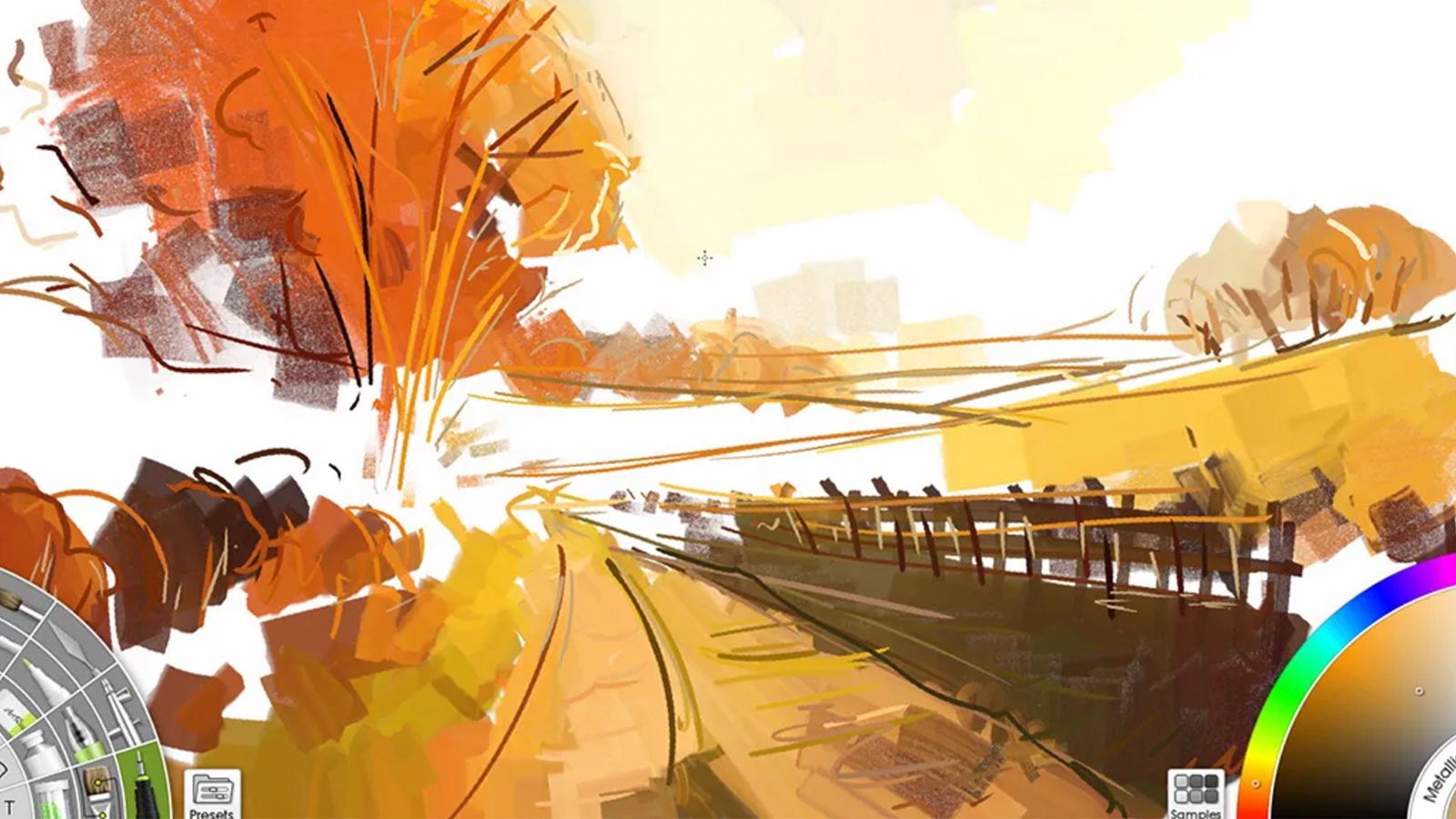
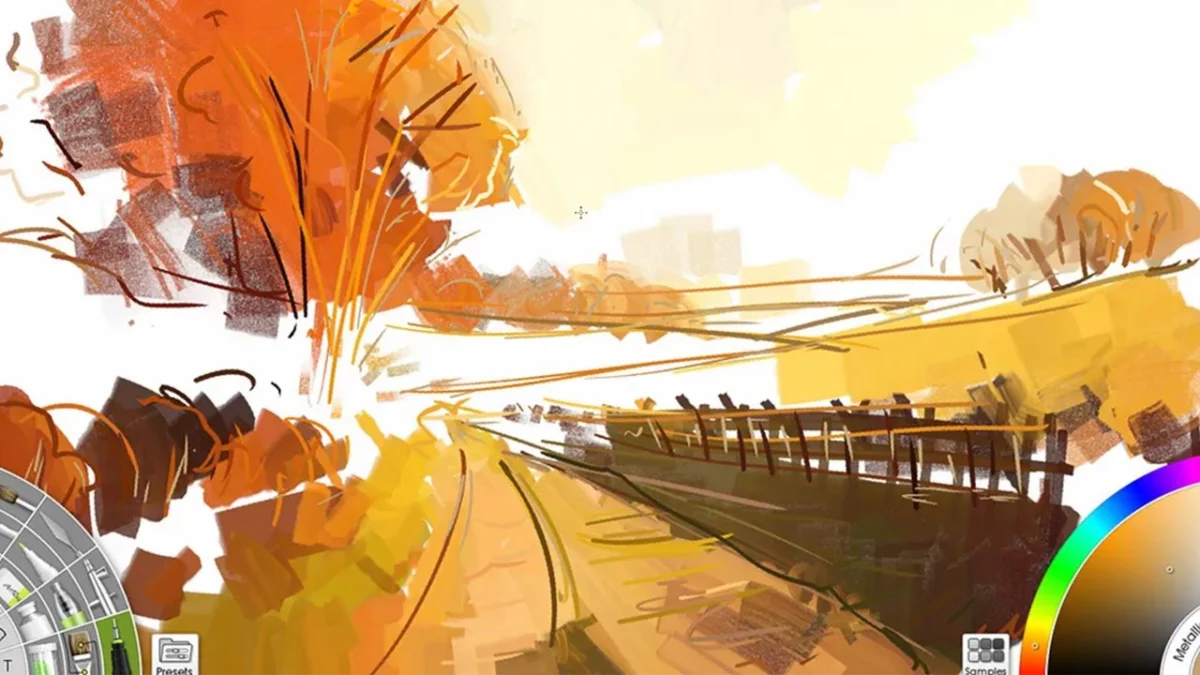
However, this period of upheaval is not without its silver linings. The controversy is forcing artists to introspect, to question their established workflows, and to explore avenues that might have been previously overlooked. The very elements that AI struggles to replicate authentically – the subtle imperfections, the visible traces of the artist’s hand, the raw energy of creation – are now gaining renewed appreciation. This includes embracing visible brush marks, embracing rough edges, incorporating paper grain, allowing for delightfully wobbly lines, and reveling in colors that are deliberately "messy" or abstract. While it is undoubtedly disheartening that some artists feel compelled to alter their styles to avoid the specter of AI accusations, this challenge also presents a fertile ground for experimentation and innovation. It’s a chance to rediscover the beauty in the imperfect, the authentic, and the undeniably human.
The Digital Canvas Evolves: Embracing Traditional Sensibilities
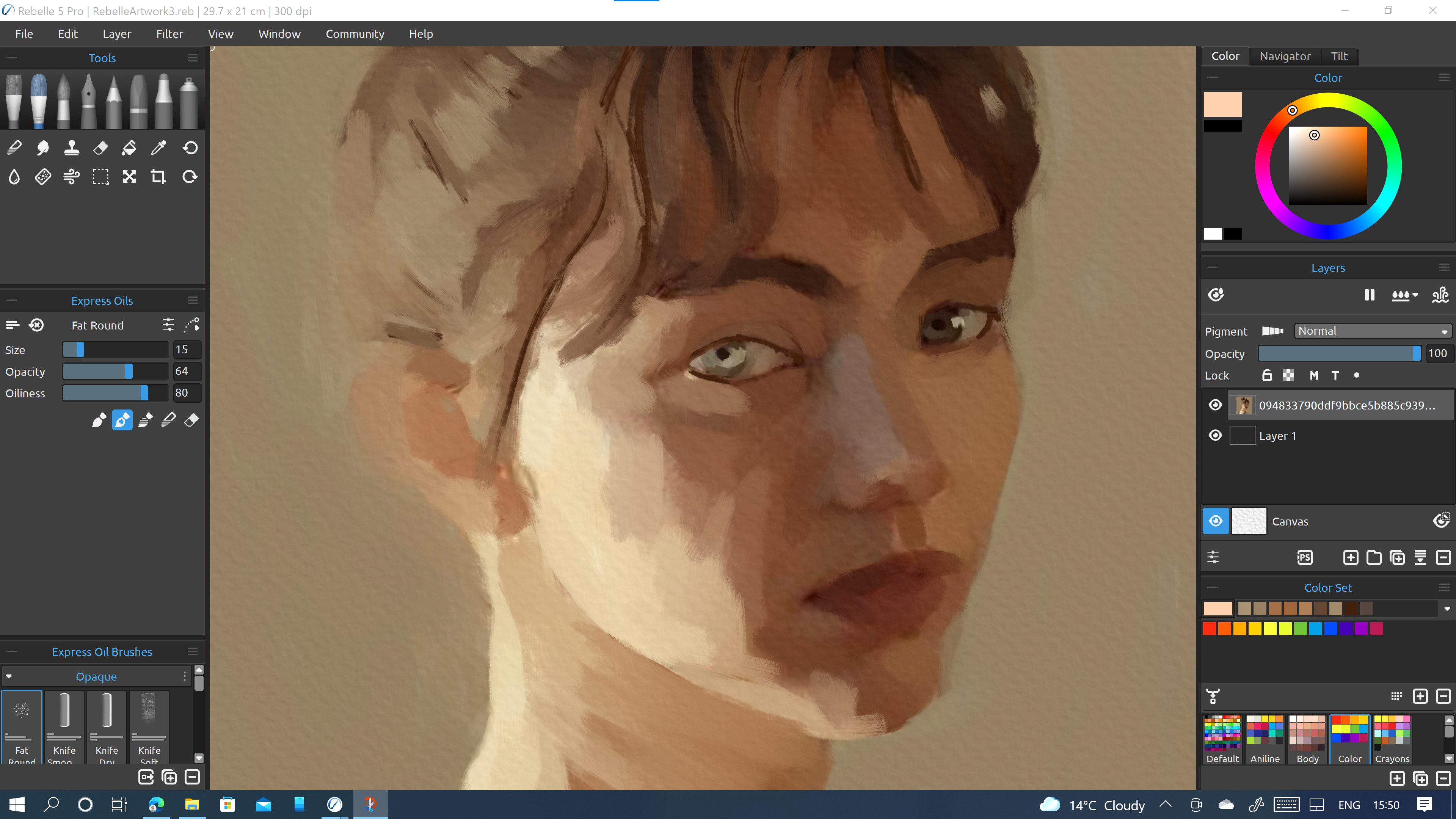
The timing of this artistic introspection is particularly intriguing, coinciding with significant advancements in digital painting software. Developers are increasingly focused on making digital brushes feel more tactile and responsive, mirroring the nuances of physical media. Software like Rebelle 8.3, for instance, has pushed the boundaries of bristle brush simulation, meticulously recreating the behavior of individual hairs and introducing greater variation in color and texture. Similarly, Procreate’s extensive brush libraries are brimming with options that evoke grunge, street art, and a wide array of textured effects. This technological evolution, coupled with the current artistic sentiment, creates a perfect storm for exploring digital art that feels genuinely traditional.
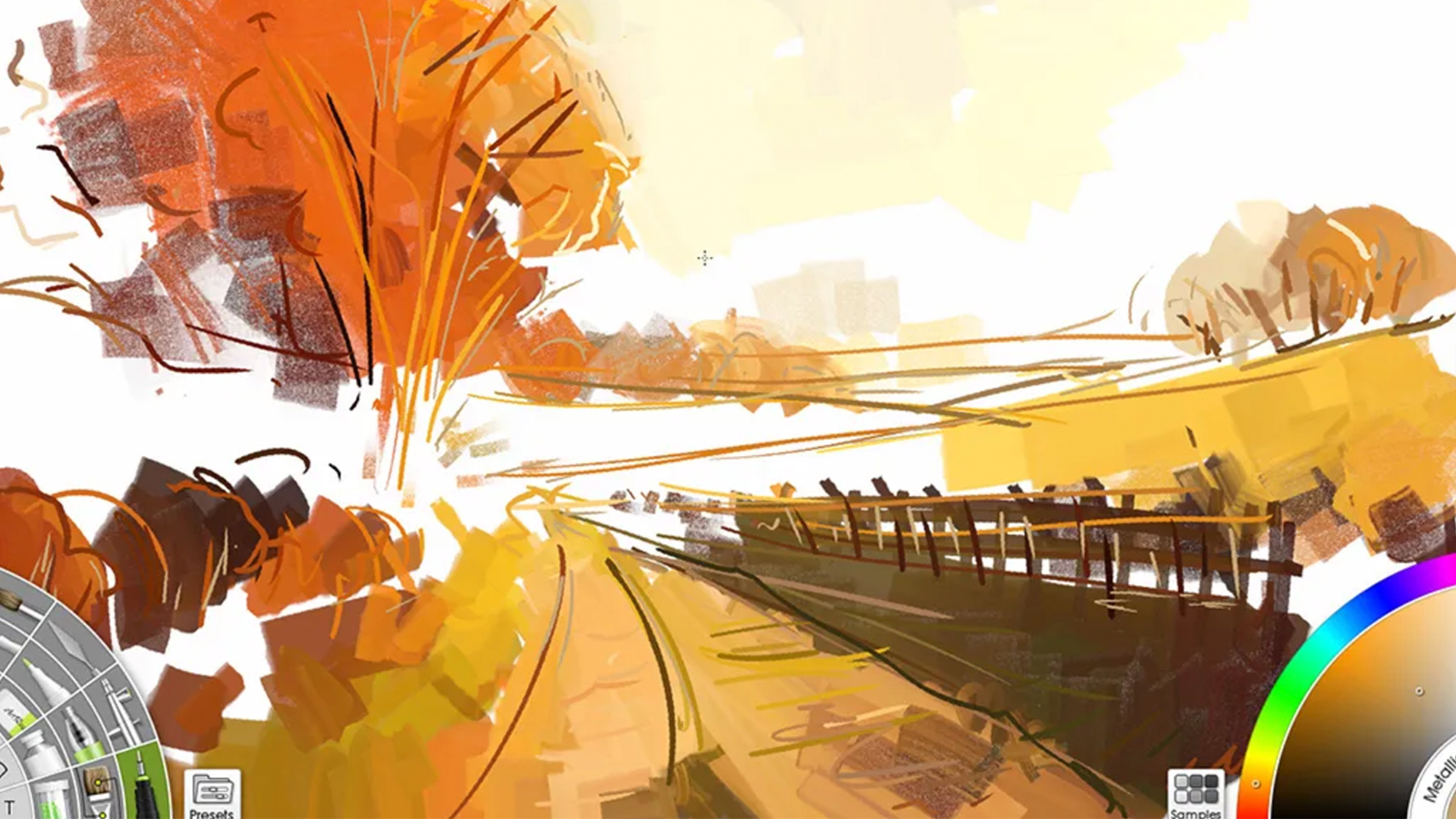
The appeal lies in the rawness and the tangible quality that these tools can help achieve. The geometric precision achievable with software like Heavy Paint, for example, can be imbued with a handmade feel through deliberate application of textured brushes and thoughtful layering. The ultimate goal is not to abandon the powerful capabilities of digital art but to leverage them in ways that emphasize the human artist’s touch. This means moving beyond the pursuit of sterile perfection and embracing the inherent beauty of the creative process, with all its glorious imperfections.
H2: The AI Art Phenomenon: A Chronology of Disruption
The emergence of AI art generators, while a relatively recent development, has a history that can be traced through key milestones:
- Early Developments (2010s): Initial research into generative adversarial networks (GANs) laid the groundwork for AI’s ability to create images. Early results were often abstract and lacked coherence, but they demonstrated the potential of machine learning in visual art.
- Public Awareness and Accessibility (Late 2010s – Early 2020s): Tools like DeepDream and StyleGAN began to gain public attention, showcasing more sophisticated image generation capabilities. However, these were largely experimental and required significant technical expertise.
- The Rise of User-Friendly Platforms (2021-2022): The release of platforms like DALL-E 2, Midjourney, and Stable Diffusion marked a pivotal moment. These tools made AI art generation accessible to a broad audience through intuitive interfaces, leading to an explosion of AI-generated imagery online.
- The Backlash Intensifies (2022-Present): As AI art flooded social media and online portfolios, concerns among human artists escalated. Lawsuits were filed regarding copyright infringement, and ethical debates surrounding AI art’s impact on the creative economy gained significant traction.
- Software Adaptation and Evolution (Present): In response to both the technological advancements and the artistic discourse, digital art software is evolving to incorporate more traditional art-like features, enabling artists to create more human-feeling digital work.
H2: Supporting Data: The Shifting Landscape of Digital Art Tools
The digital art industry is witnessing a tangible shift in tool development, reflecting the desire to imbue digital creations with a more organic, human feel. This is evidenced by the features being prioritized and popularized in leading software:
- Rebelle 8.3’s Bristle Brushes: The latest iteration of Rebelle software has significantly enhanced its bristle brush technology. This includes simulating the behavior of individual brush hairs, introducing nuanced color blending as bristles pick up and deposit pigment, and allowing for a greater range of texture and opacity variation. This level of detail aims to replicate the unpredictable and organic flow of traditional paint.
- Procreate’s Textured Brush Libraries: Procreate, a dominant force in the digital art market, has long offered a diverse range of brushes. Its "Grunge," "Street Art," and "Creative" categories, in particular, are packed with presets designed to mimic the imperfections and textures of physical media. Users can easily access brushes that emulate charcoal, pastels, spray paint, and various forms of textured mark-making.
- Heavy Paint’s Geometric Capabilities: While known for its powerful digital painting tools, Heavy Paint also allows for the creation of bold, geometric forms. When combined with textural overlays and thoughtful brushwork, these precise shapes can be given a handcrafted, almost sculptural quality, moving away from the sterile perfection often associated with purely algorithmic generation.
- The Growing Market for Custom Brush Packs: The proliferation of third-party brush packs for software like Procreate and Photoshop underscores the demand for specialized tools that mimic traditional media. These packs often focus on emulating specific mediums like watercolor, oil paints, pastels, or even the unique marks of found objects.
- Increased Emphasis on Texture and Grain: Many digital art tutorials and software updates now highlight the importance of incorporating paper textures, canvas grain, and scanned marks to add depth and a sense of physicality to digital artwork.
H2: Official Responses and Industry Perspectives
While there are no singular "official" responses from a governing body on the AI art debate, various industry stakeholders and software developers have offered perspectives:
- Software Developers’ Stance: Companies like Savage Interactive (Procreate) and Escape Motions (Rebelle) have largely focused on empowering artists with tools. Their development strategies often involve enhancing the simulation of traditional media, suggesting an acknowledgment of the desire for more organic and expressive digital art. They aim to provide artists with greater control and a wider palette of expressive possibilities, rather than dictating a particular style.
- Artist Communities and Advocacy Groups: Many online artist communities and professional organizations have become vocal in advocating for the rights of human artists. They are pushing for clearer regulations regarding AI training data, greater transparency in AI model development, and the establishment of ethical guidelines for the use of AI-generated imagery. These groups are actively engaged in raising awareness and lobbying for change.
- Legal and Copyright Debates: The ongoing legal challenges surrounding AI art and copyright are a significant aspect of the "official" response. Lawsuits have been filed by artists and copyright holders, arguing that AI models trained on copyrighted material without permission infringe upon intellectual property rights. The outcomes of these cases will have far-reaching implications for the future of AI art and its legal standing.
- AI Art Platform Developers: Developers of AI art platforms often emphasize the tool’s potential for democratizing creativity and augmenting human artistic expression. They position AI as a collaborator or a source of inspiration, rather than a replacement for human artists. However, the ethical implications of their business models and data sourcing remain a subject of intense scrutiny.
H2: Implications: Redefining Artistic Value and the Future of Creativity
The current discourse surrounding AI art has profound implications for how we understand artistic value and the future of creative industries:
- The Premium on Human Craftsmanship: The backlash against AI art is elevating the perceived value of human-made art. The demonstrable skill, intention, and personal journey embedded in a piece created by a human artist are becoming increasingly prized. This could lead to a greater appreciation for traditional techniques and a willingness to pay a premium for authentic human creations.
- The Evolution of Digital Art Techniques: As explored in this article, the pressure to differentiate human art from AI output is driving innovation in digital art. Artists are rediscovering and refining techniques that emphasize imperfection, texture, and expressive mark-making. This will likely lead to a richer and more diverse digital art landscape.
- Ethical Considerations and Intellectual Property: The AI art debate has brought crucial ethical questions to the forefront. Issues of copyright, fair use, and the potential for exploitation of artists’ work are now subjects of widespread discussion and legal scrutiny. The resolution of these issues will shape the future of both AI development and artistic creation.
- Redefining Collaboration: The line between human artist and AI tool is becoming increasingly blurred. The future may see more hybrid workflows where AI acts as a powerful assistant, generating initial concepts or providing textural elements, which are then meticulously refined and imbued with human intention. The definition of "collaboration" in art is thus expanding.
- The Power of the "Human Touch": Ultimately, the current wave of AI art has underscored the enduring power of the "human touch." The unique emotional resonance, the narrative embedded in the artist’s process, and the inherent unpredictability of human creativity are qualities that AI currently struggles to replicate. This recognition is likely to foster a deeper appreciation for art that clearly bears the mark of its human creator, celebrating the imperfections, the quirks, and the very soul that a human artist pours into their work. The pursuit of a more "human" digital aesthetic is not about rejecting technology, but about harnessing it to amplify, rather than diminish, our innate human creativity.