The Evolving Face of Digital Terror: How ‘Myth of Valderit’ Uses Adaptive AI to Personalize Psychological Horror
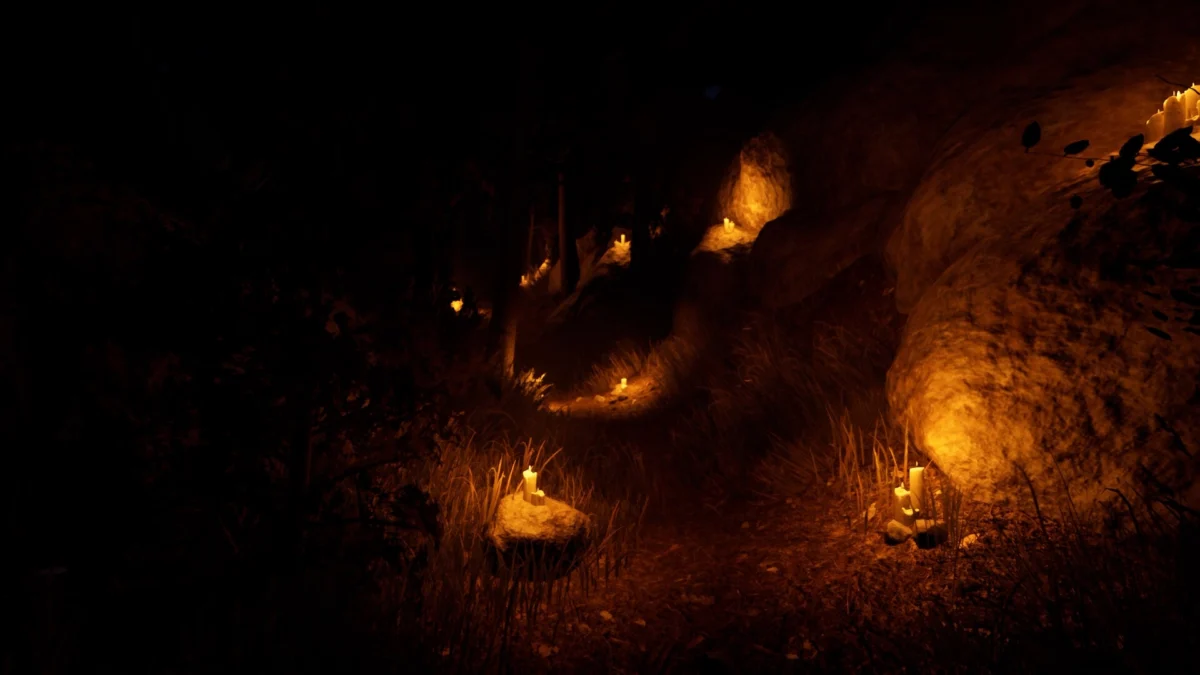
In the rapidly shifting landscape of independent game development, the horror genre has frequently served as a crucible for technological innovation. From the early days of fixed-camera suspense to the modern era of "hide-and-seek" survival simulators, developers have continually sought new ways to bypass the player’s desensitization. The latest contender in this space, Myth of Valderit, promises to shift the paradigm by moving away from scripted scares toward a more insidious, personalized form of dread.
By integrating a sophisticated "Adaptive Horror System" overseen by an omniscient entity known as "The Writer," Myth of Valderit seeks to analyze player behavior in real-time to tailor the environment, pacing, and psychological triggers to an individual’s specific fears. Recently showcased at Pocket Gamer Connects (PGC) Barcelona, the title has garnered significant attention for its blend of Catalan folklore and cutting-edge behavioral AI.
Main Facts: The Architecture of an Adaptive Nightmare
Myth of Valderit places players in the role of Nil, a protagonist whose recent streak of misfortune culminates in a harrowing supernatural ordeal. While camping in a remote forest with friends, the group inadvertently stumbles into the village of Valderit—a cursed settlement that, according to local legend, only manifests physically under the light of a full moon. When Nil awakens to find his companions missing, he is forced to navigate the labyrinthine, shifting streets of the village to uncover the truth and escape the cycle of the curse.
The core of the game’s innovation lies in its "The Writer" mechanic. Unlike traditional horror games where jump-scares are triggered by crossing an invisible line in the code, Myth of Valderit utilizes an AI-driven system that monitors how the player interacts with the world. This includes tracking movement patterns, the time spent examining specific objects, the speed of puzzle-solving, and even the player’s tendency to avoid certain architectural features or lighting conditions.
The game then uses this data to dynamically alter:
- Level Design: Paths may close or open based on player hesitation.
- Atmosphere: Lighting and fog density shift to heighten tension in areas where the player feels "safe."
- Audio Landscapes: The musical score and ambient sound effects adapt to disrupt the player’s psychological rhythm.
- Narrative Delivery: Discoverable items and environmental storytelling adjust to reflect the player’s perceived anxieties.
Chronology: From Catalan Legend to Digital Reality
The development of Myth of Valderit is deeply rooted in the cultural geography of Spain. The titular village is inspired by the real-life abandoned village of La Mussara in the Tarragona province of Catalonia. La Mussara has long been a focal point for paranormal enthusiasts and hikers, with legends suggesting the village is a gateway to other dimensions—most notably the "Villa del Salto," a place where people are said to vanish without a trace.
Phase 1: Conceptualization and Cultural Mapping
The project began as an exploration of these local legends. The developers aimed to capture the specific "spectral" quality of the Catalan wilderness, focusing on the transition from a mundane camping trip to a supernatural crisis. The decision to link the village’s appearance to the lunar cycle was a narrative choice designed to emphasize the fleeting, ephemeral nature of the horror.
Phase 2: Technical Innovation and "The Writer"
As development progressed, the team realized that static horror often loses its impact on subsequent playthroughs. To solve this, they began developing the Adaptive Horror System. The goal was to create a "Director" AI—similar in concept to the system found in Alien: Isolation or Left 4 Dead, but with a focus on psychological manipulation rather than combat difficulty. This "Writer" was framed as an in-universe presence, an omniscient force that is effectively "scripting" Nil’s torment in real-time.
Phase 3: Public Debut at PGC Barcelona
The game reached a major milestone when a playable build was presented at Pocket Gamer Connects Barcelona. Attendees were given a hands-on look at the game’s atmosphere and the subtle ways "The Writer" began to influence the experience. Early feedback highlighted the game’s oppressive atmosphere and the unsettling feeling that the environment was "watching" the player.
Phase 4: Steam Integration and Playtesting
Following the success at PGC Barcelona, the developers opened a Steam page for wishlisting and initiated a call for playtesters. This phase is critical for calibrating the AI, as the developers require a vast data set of player behaviors to ensure the Adaptive Horror System can accurately identify and exploit diverse psychological profiles.
Supporting Data: The Psychology of Procedural Fear
The shift toward adaptive horror is supported by various psychological studies regarding "habituation" in gaming. Traditional horror games rely on a "shock and reset" cycle. Once a player knows where a monster is hidden, the fear response (the amygdala’s activation) significantly decreases.
In contrast, Myth of Valderit leverages "uncertainty-induced anxiety." By constantly shifting the variables, the game prevents the player’s brain from forming a reliable mental map of the threats. Data from early playtests suggests that players in adaptive environments maintain a higher heart rate and more consistent "vigilance behavior" (frequently checking behind them) compared to players in static environments.
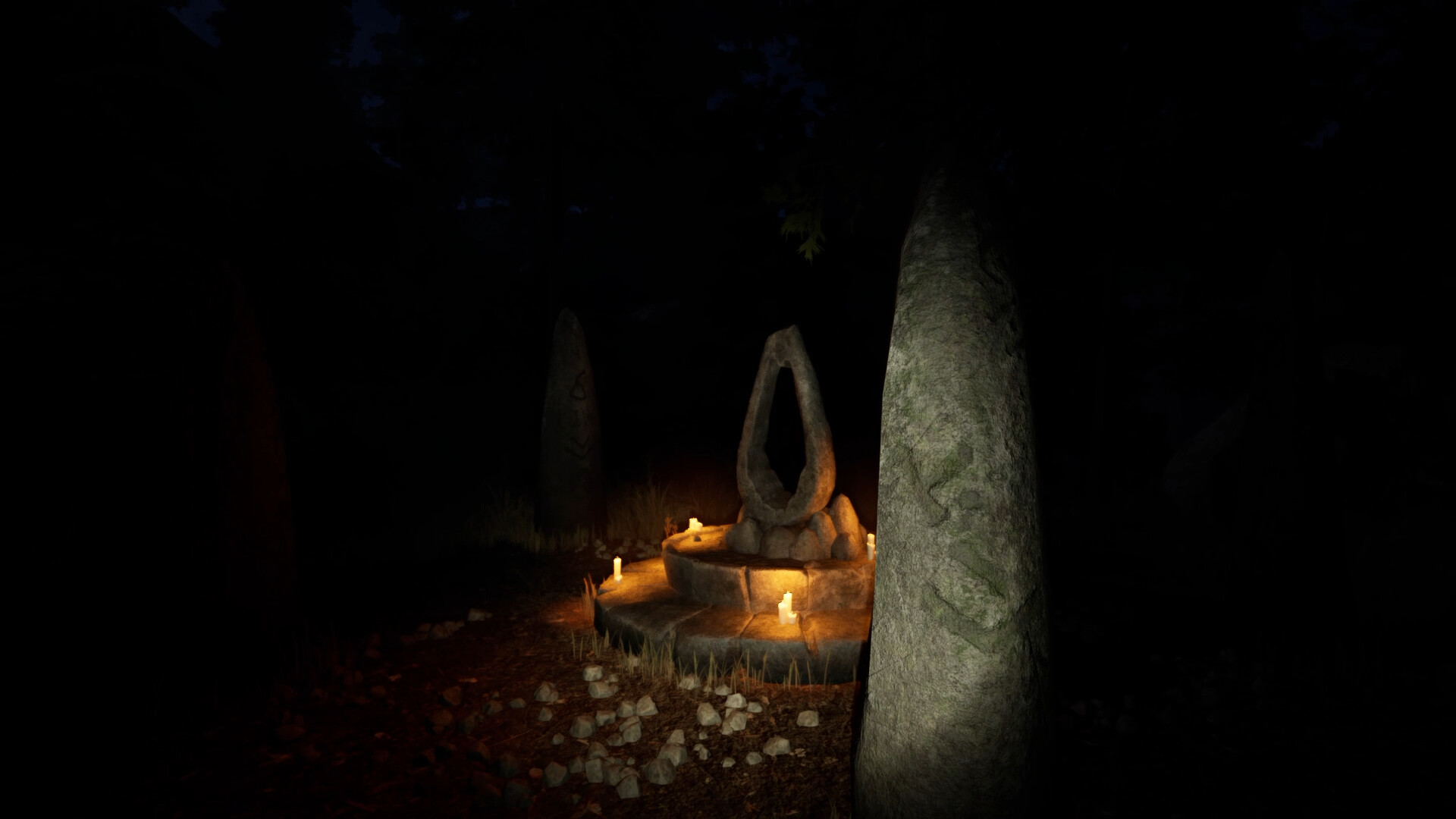
Furthermore, the choice of La Mussara as an inspiration provides a rich layer of environmental data. The developers have utilized photogrammetry and authentic sound recordings from the actual ruins of the Catalan village to ground the supernatural elements in a disturbing reality. This "authentic decay" serves as the canvas upon which the AI paints its personalized scares.
Official Responses and Developer Vision
While the development team has remained relatively small, their vision for Myth of Valderit is expansive. In statements regarding the game’s philosophy, the developers have emphasized that horror should be a conversation between the game and the player.
"We didn’t want to make a game that just tells a scary story," one lead developer noted during the PGC Barcelona showcase. "We wanted to make a game that learns what scares you. If you are someone who is bothered by tight spaces, The Writer will notice your reluctance to enter corridors. If you are someone who fears what they can’t see, the game will gradually pull back the light. The goal is to make the player feel like they are not just playing a game, but being toyed with by a malevolent intelligence."
Industry analysts have noted that this approach addresses one of the biggest hurdles in the horror genre: replayability. By making the experience reactive, Myth of Valderit ensures that no two players have the exact same journey through the cursed village, potentially doubling or tripling the lifespan of the title compared to its linear peers.
Implications: The Future of AI-Driven Narrative
The implications of Myth of Valderit extend beyond the immediate thrills of a horror game. It represents a broader trend in the gaming industry toward "emergent narrative," where the story is not just a sequence of events written by a designer, but a result of the interaction between the player and a complex system.
1. The Personalization of Entertainment
As AI becomes more integrated into game engines, we are likely to see more titles that adapt to the player’s emotional state. Myth of Valderit is a pioneer in using behavioral analysis not for difficulty scaling (making the game easier or harder), but for tonal scaling.
2. Ethical Considerations in Affective Computing
The use of systems that "analyze the behavior of the player to find their deepest fears" touches on the burgeoning field of affective computing. While used for entertainment here, the ability of software to detect and exploit emotional vulnerabilities raises interesting questions about the boundaries between the player and the program.
3. Re-defining the "Walking Simulator"
For years, exploration-heavy games were dismissively labeled "walking simulators." Myth of Valderit challenges this by injecting high-stakes mechanical tension into every step. Exploration is no longer a passive act; it is the data-gathering phase for an AI that is planning your next scare.
Conclusion: Preparing for the Full Moon
As Myth of Valderit nears its late-2024 release window, the anticipation within the indie horror community continues to build. By combining the haunting atmosphere of Catalan folklore with a revolutionary approach to adaptive AI, the game stands to be more than just another entry in the Steam horror catalog. It is a bold experiment in digital psychology, promising an experience that is as unique as the fears of the person holding the controller.
For those brave enough to face "The Writer," the village of Valderit awaits. Whether Nil finds his friends—or loses himself to the shifting whims of a cursed village—will depend entirely on how he, and the player, handle the pressure of being watched by a game that knows exactly what they are afraid of.
Myth of Valderit is currently available for wishlisting on Steam, with public playtests ongoing to refine the AI’s adaptive capabilities ahead of the official launch.