Harmonizing Nostalgia and Rhythm: An In-Depth Look at the Indie Sensation ‘Mr. Records’
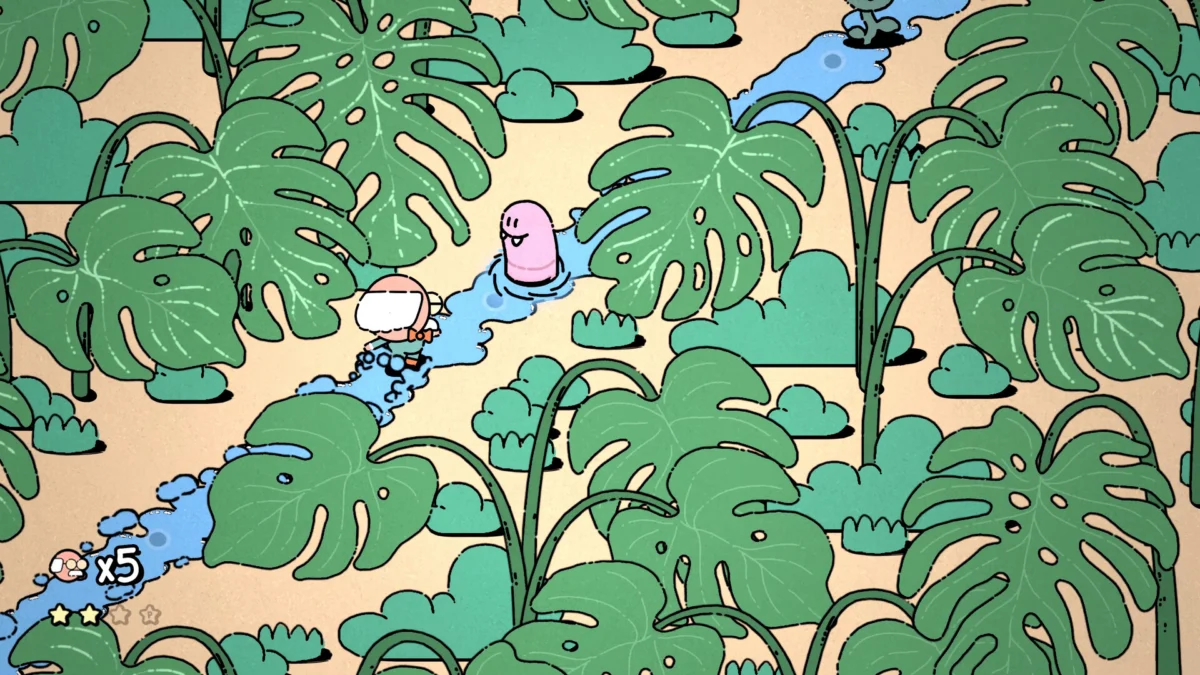
The landscape of independent gaming has long been a fertile ground for genre-bending experiments, yet few titles manage to strike a chord as resonant as Mr. Records. Recently showcased to critical curiosity at Gamescom, Mr. Records is an evocative blend of rhythm-action platforming and cozy management simulation. Developed by the creative minds at Nulset, the game invites players into a vibrant, synesthetic world where music is not merely a background element but the very fabric of reality.
As the industry moves toward increasingly complex graphical fidelity, Mr. Records pivots toward a stylized, color-drenched aesthetic that prioritizes "vibe" and emotional resonance. By placing players in the shoes of an aging protagonist, the game offers a rare, poignant perspective on retirement, passion, and the timeless nature of art.
The Narrative Core: George and the Dream of Vinyl
At the heart of Mr. Records is George, a retired dreamer whose life has been defined by his relationship with sound. Unlike the typical high-octane protagonists of the rhythm genre, George is a man of quiet contemplation. Upon entering his twilight years, he decides to transform the space beneath his home into a sanctuary for music: a boutique record shop.
However, George’s connection to his collection is more than just commercial. He possesses a unique, almost supernatural ability to "become one" with the music he hears. When George drops a needle on a new record, he is transported into a "dream state"—a manifestation of the album’s rhythm, tone, and soul. This narrative framing provides a seamless transition between the game’s two primary modes of play, grounding the fantastical rhythm sequences in a relatable story of a man rediscovering his purpose.
The Dual-Loop Gameplay Structure: Curating and Experiencing
Mr. Records is bifurcated into two distinct yet intrinsically linked gameplay loops: the "Dream State" (Rhythm-Action) and the "Shopfront" (Management Simulation).
The Dream State: Rhythm as Movement
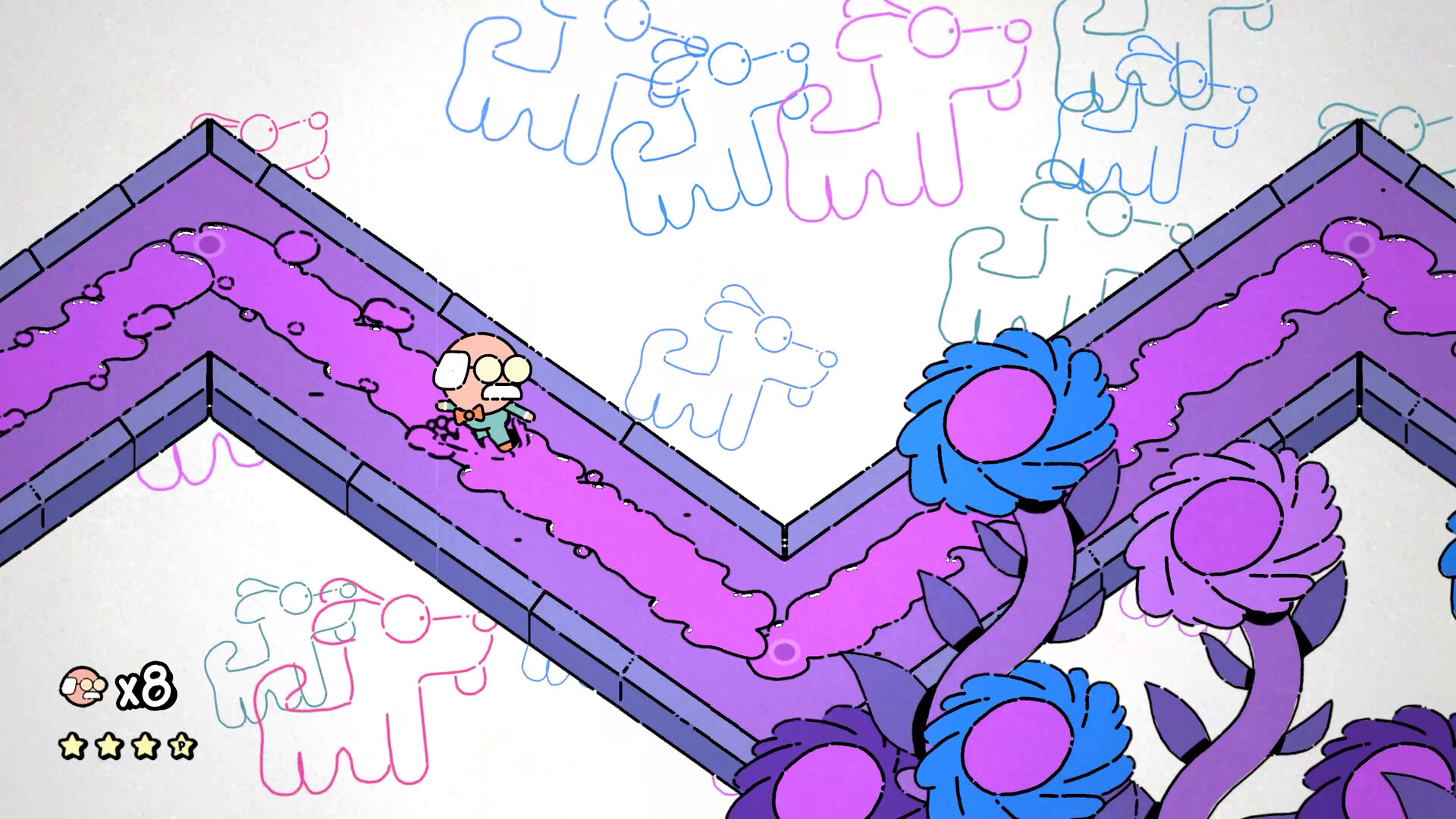
The first phase of the gameplay involves the acquisition and "validation" of new inventory. Before a record can be sold in George’s shop, he must first experience it. This triggers the rhythm-action segments, which depart from the traditional "falling notes" style seen in titles like Guitar Hero. Instead, Mr. Records utilizes a flow-based platforming system.
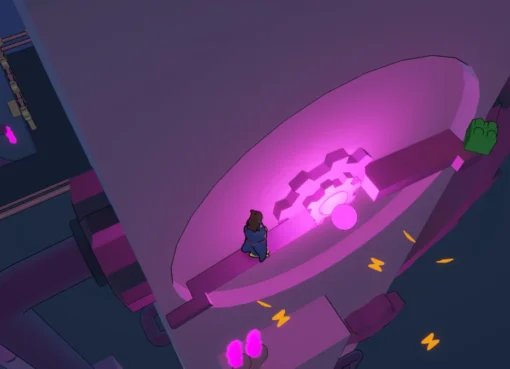
In these levels, George slides, punches, and maneuvers through environments that react dynamically to the soundtrack. The mechanics are designed to feel "right"—a term often used by the developers to describe the tactile synergy between button presses and audio cues. Whether George is navigating a neon-purple cityscape or a lush, rhythmic jungle, the player’s goal is to maintain "flow." Success in these segments doesn’t just result in a high score; it effectively "unlocks" the record for the shop, imbuing George with the knowledge needed to sell it to the right customer.
The Shopfront: The Art of the Recommendation
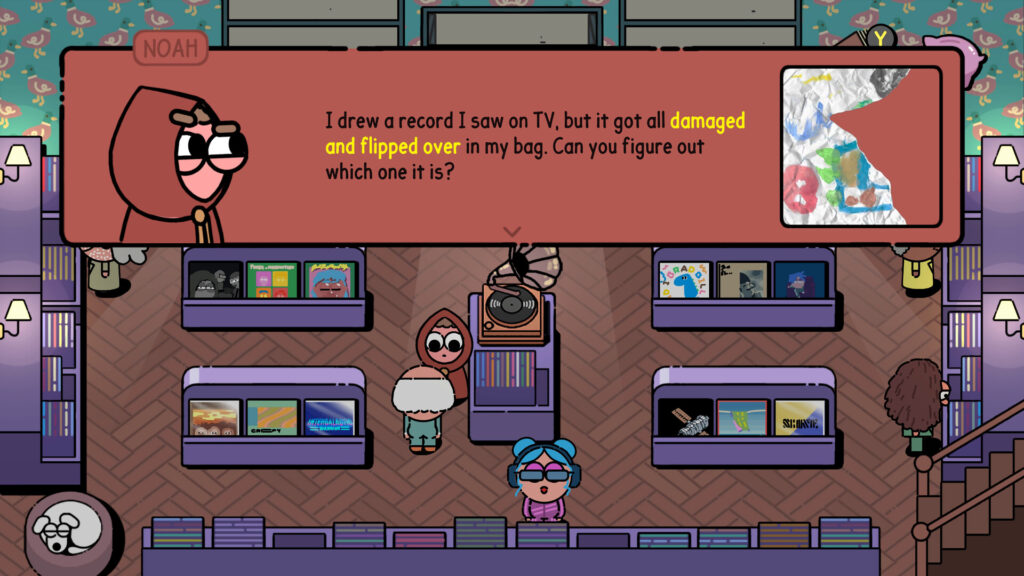
Once the records are acquired, the game shifts into a sophisticated management sim. The shopkeeping aspect of Mr. Records focuses on the human element of retail. Customers enter the store not with specific titles in mind, but with "vibes" or half-remembered fragments of melodies.
Players must utilize George’s experiences from the Dream State to match the right record to the right person. A customer might ask for something that "feels like a rainy Tuesday in 1974," or they might describe a cover art they saw decades ago. This recommendation engine requires players to pay attention to the emotional metadata of the music they played earlier, making the management side of the game feel like a natural extension of the musical experience rather than a chore-based menu system.
Supporting Data: Visual Identity and Level Design
The visual language of Mr. Records is a key component of its appeal. During the Gamescom demo, observers noted the striking use of color palettes to define musical genres.
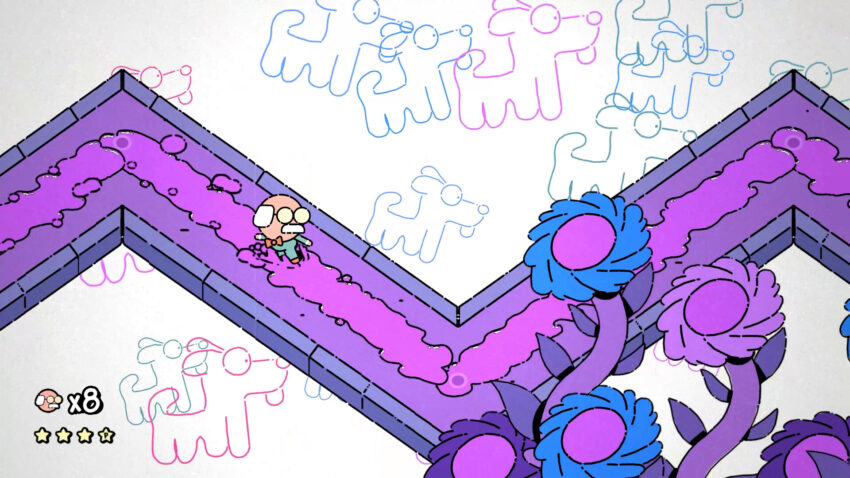
- The Purple Levels: Characterized by synth-heavy tracks, these levels utilize deep indigos and neon violets. The gameplay here is often fast-paced, focusing on sliding and momentum, mirroring the "smooth" nature of electronic and vaporwave-adjacent sounds.
- The Jungle Levels: These stages introduce organic greens and earthy browns, synced to percussion-heavy, world-music-inspired tracks. The obstacles here are more rhythmic and "punchy," requiring players to time their movements to heavy drum beats.
- The Shop Aesthetic: In contrast to the kaleidoscopic dream states, the shop itself is rendered in warm, nostalgic tones. The clutter of the store—the bins of vinyl, the vintage posters, and the soft glow of the "Open" sign—creates a "cozy" atmosphere that encourages players to linger and talk to the NPCs.
The game also features a narrative layer involving George’s social life. In the evenings, George receives phone calls from old friends. these interactions provide world-building and character depth, touching on themes of aging, the changing landscape of the music industry, and the importance of community.
Official Responses and Developer Philosophy
While a specific release date remains unannounced, the reception at Gamescom has been overwhelmingly positive. Spokespeople for the development team have emphasized that Mr. Records is a "love letter to the tactile nature of physical media." In an era of digital streaming and ephemeral playlists, the game seeks to remind players of the weight and history behind a 12-inch piece of vinyl.
"We wanted to capture that feeling of walking into a record store and finding exactly what you didn’t know you were looking for," one developer noted during a press briefing. "George isn’t just a shopkeeper; he’s a curator of memories. The rhythm segments represent the internal joy that music brings, while the shop segments represent the external joy of sharing that music with others."
The team has also confirmed that the soundtrack is being meticulously composed to ensure that every genre represented—from jazz and blues to synth-pop and rock—feels authentic to the era it evokes.
Industry Implications: The Rise of the "Cozy-Action" Hybrid
Mr. Records sits at the intersection of several growing trends in the gaming industry. The first is the "cozy game" revolution, which prioritizes low-stress environments and emotional engagement over traditional win/loss conditions. However, by injecting high-energy rhythm-action into the mix, Mr. Records avoids the "walking simulator" trap, providing a mechanical challenge that complements its relaxing narrative.
Furthermore, the game taps into the global "vinyl revival." As physical record sales continue to climb in the real world, Mr. Records provides a digital space to celebrate that culture. It also addresses a demographic often ignored in gaming: the elderly. By casting George as a capable, passionate, and "cool" protagonist, the game challenges ageist tropes and offers a story about the "third act" of life being just as vibrant as the first.
Conclusion: A Title to Watch
As it stands, Mr. Records is shaping up to be one of the most unique indie offerings on the horizon. Its ability to balance the frantic energy of a rhythm game with the soulful, slow-paced charm of a management sim suggests a deep understanding of player psychology. It understands that we play games to be challenged, but we also play them to feel a sense of belonging and nostalgia.
While the wait for a confirmed release date continues, the game is currently available for wishlisting on Steam. For those who attended Gamescom, the demo served as a promising overture to what could be a masterpiece of indie game design. Whether you are a fan of rhythm games, management sims, or simply a well-told story about a man and his records, George’s shop is one you will certainly want to visit.
Quick Facts at a Glance:
- Protagonist: George, a retired dreamer.
- Core Mechanics: Rhythm-based platforming (Dream State) and Customer Recommendation (Shop Management).
- Key Features: Narrative-driven phone calls, diverse musical worlds, and a "vibe-based" inventory system.
- Platform: PC (Steam).
- Status: In development; demo showcased at Gamescom.