The Architecture of Imagination: Concept Art World Spotlights the Visionaries Shaping Modern Media
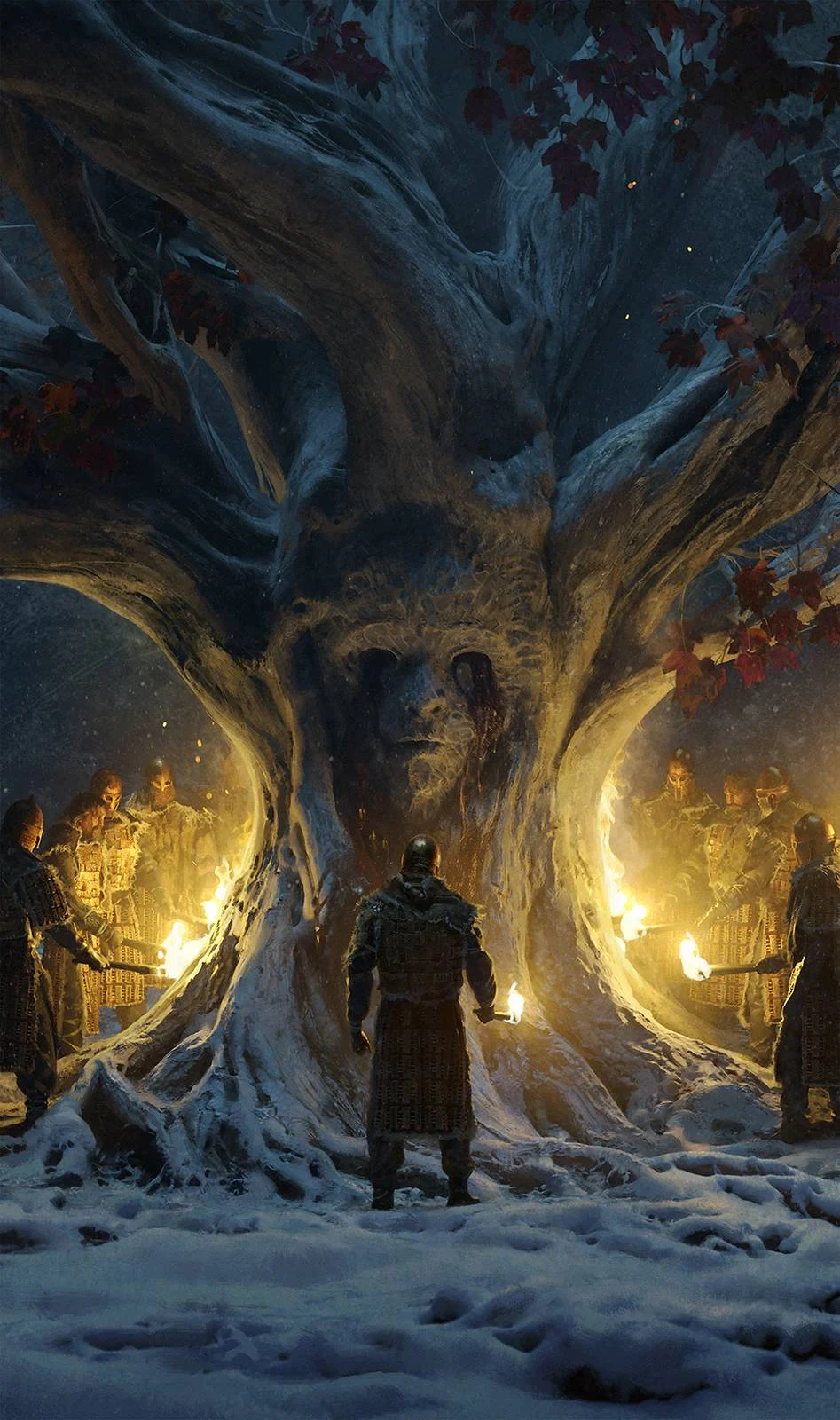
The digital landscape of entertainment is undergoing a visual renaissance, driven by the intricate work of concept artists who bridge the gap between abstract ideas and cinematic reality. Recently, Concept Art World (CAW), a premier global resource for visual development, released a series of high-profile showcases featuring industry titans Pierre-Etienne Travers, Wayne Lo, Jorry Rosman, and Paul Canavan. This spotlight not only highlights the individual brilliance of these creators but also underscores the growing importance of the "Strike Vector" aesthetic and the industry’s hardening stance against unauthorized AI data harvesting.
Main Facts: The Intersection of Fine Art and Triple-A Production
In the modern entertainment ecosystem, concept art has transitioned from a utilitarian pre-production tool to a celebrated art form in its own right. The latest updates from Concept Art World bring forward four distinct voices that have collectively influenced some of the most successful franchises in gaming and film.
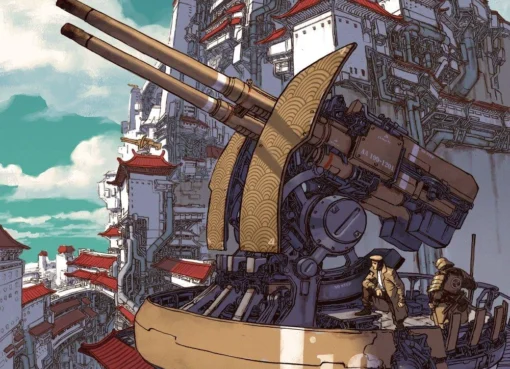
The centerpiece of this recent coverage is the comprehensive look at the concept art for Strike Vector, authored by Pierre-Etienne Travers. Strike Vector, a high-octane aerial combat game, has long been praised for its unique "industrial-punk" aesthetic, which combines the grit of heavy machinery with the sleekness of futuristic aerospace engineering. Travers, as a co-founder of the independent studio Triple-A, has become a symbol of how specialized visual design can define the identity of an entire intellectual property.
Joining Travers in the spotlight are three other masters of the craft:
- Wayne Lo: A veteran whose portfolio includes landmark projects like God of War and Spider-Man: Into the Spider-Verse. His work is characterized by a deep understanding of cultural motifs and structural storytelling.
- Jorry Rosman: Known for his architectural and environmental mastery at Guerrilla Games, Rosman’s work on the Horizon series has redefined how players perceive "post-post-apocalyptic" worlds.
- Paul Canavan: An Art Director and illustrator whose versatility has seen him contribute to everything from Hearthstone to Destiny 2, blending whimsical fantasy with hard-edged sci-fi.
The convergence of these artists on a single platform highlights a critical trend: the professionalization and protection of human-led design in an era increasingly dominated by generative technology.
Chronology: From Early Sketches to Global Visual Dominance
The trajectory of these artists reflects the broader evolution of the concept art industry over the last two decades.
The Rise of the Specialist (2000s–2010s)
During the early 2000s, concept art was often an internal secret. Artists like Wayne Lo began their careers when digital painting was still in its infancy compared to today’s software suites. As the processing power of consoles like the PlayStation 3 and Xbox 360 grew, so did the demand for detailed visual blueprints. The industry moved away from "generic" designs toward the highly specific, world-building-heavy approach seen in Lo’s early work.
The Independent Breakthrough (2014–2018)
The release of Strike Vector in 2014 marked a turning point for independent developers. Pierre-Etienne Travers demonstrated that a small team could compete with the visual fidelity of "AAA" studios by leaning into a strong, cohesive concept art phase. This era proved that art direction was as much a selling point as gameplay mechanics. Simultaneously, artists like Paul Canavan began bridging the gap between traditional card game illustration (Magic: The Gathering) and massive multiplayer online games, showing the fluidity of the modern artist’s career path.
The Era of "Visual Development" (2019–Present)
By the time Jorry Rosman was crafting the lush, machine-filled wilds of Horizon Forbidden West, the term "concept art" had largely been replaced by "Visual Development." This period saw these artists becoming public-facing figures. Concept Art World emerged as the digital museum for this movement, documenting the shift from 2D sketches to 3D kit-bashing and VR-sculpting techniques.
Supporting Data: The Economic and Cultural Weight of Visual Design
The significance of the work produced by Travers, Lo, Rosman, and Canavan is backed by staggering industry metrics.
- The Gaming Market: The global video game market is projected to exceed $300 billion by 2027. A significant portion of "Day One" sales is driven by visual marketing—trailers and screenshots that are direct translations of the concept art showcased by CAW.
- Strike Vector’s Legacy: While a niche title, Strike Vector maintains a "Very Positive" rating on platforms like Steam, with over 90% of user reviews citing the "art style" and "ship design" as the primary draw.
- The Labor Value: Senior concept artists in the United States and Europe now command salaries ranging from $120,000 to $180,000, reflecting their role as "architects of the imagination" rather than mere illustrators.
Furthermore, the data suggests that "art books" and digital galleries have become a secondary revenue stream for studios. The demand for "The Art of…" books has grown by 15% annually, proving that audiences are increasingly interested in the process behind the product.
Official Responses: Protectionism and the Human Element
As the digital art world faces the challenge of Generative AI, the response from leading platforms and artists has been one of firm resistance. Concept Art World has officially updated its policy, stating: "All images are © by the artist(s) or their respective copyright holders. Any training of AI systems using this content is strictly prohibited."
This stance is echoed by the professional community. While the artists themselves—Travers, Lo, Rosman, and Canavan—continue to push the boundaries of human creativity, their official channels have become more protective.
In various industry panels, the sentiment remains consistent:
- The Artistic Stance: Artists argue that concept art is about "problem-solving," not just "image-making." An AI can generate a cool-looking robot, but it cannot explain why a specific joint in a Strike Vector ship needs to look industrial to convey a sense of weight and history.
- The Legal Stance: Studios are increasingly implementing "No-AI" clauses in their contracts to protect their intellectual property (IP). The work of Jorry Rosman for Guerrilla Games, for instance, is part of a multi-billion dollar IP that requires strict human oversight to maintain brand consistency.
Implications: The Future of the Creative Professional
The spotlight on these four artists by Concept Art World carries heavy implications for the future of the entertainment industry.
1. The Value of the "Human Fingerprint"
As the market becomes flooded with AI-generated imagery, the "human fingerprint"—the specific, often idiosyncratic choices made by artists like Paul Canavan—will become a premium commodity. Studios will likely market their games based on the pedigree of their art team, much like films are marketed based on their directors.
2. Educational Shifts
The success of artists like Wayne Lo, who has mastered both 2D and 3D workflows, suggests that the next generation of concept artists must be polymaths. Aspiring creators are moving away from learning "how to draw" in a vacuum and are instead learning "how to build worlds," incorporating narrative, physics, and sociology into their visual designs.
3. The Role of Curated Platforms
Platforms like Concept Art World are evolving from simple galleries into "verified" repositories of human talent. In a world of deepfakes and automated content, CAW serves as a gatekeeper of authenticity. For an artist, being featured on CAW is becoming a "Blue Checkmark" of professional legitimacy, ensuring that their work is seen by recruiters from Disney, Riot Games, and Sony.
4. Intellectual Property Evolution
The work of Pierre-Etienne Travers on Strike Vector illustrates how art can lead the IP. In the future, we may see more "art-first" development, where a visual Bible is created and sold to studios before a single line of code is written or a script is finalized.
Conclusion
The recent showcases of Pierre-Etienne Travers, Wayne Lo, Jorry Rosman, and Paul Canavan are more than just a collection of beautiful images; they are a testament to the enduring power of human vision in a digital age. As Concept Art World continues to archive and protect these contributions, the message to the industry is clear: the most compelling worlds are not those generated by algorithms, but those built by the hands of masters who understand the weight of a brushstroke and the history behind a design. The future of film and gaming remains firmly rooted in the sketches of today’s visionaries.