The Boy Who Lived Again: How HBO’s Harry Potter Aims to Dethrone Game of Thrones as the Pinnacle of Fantasy Television
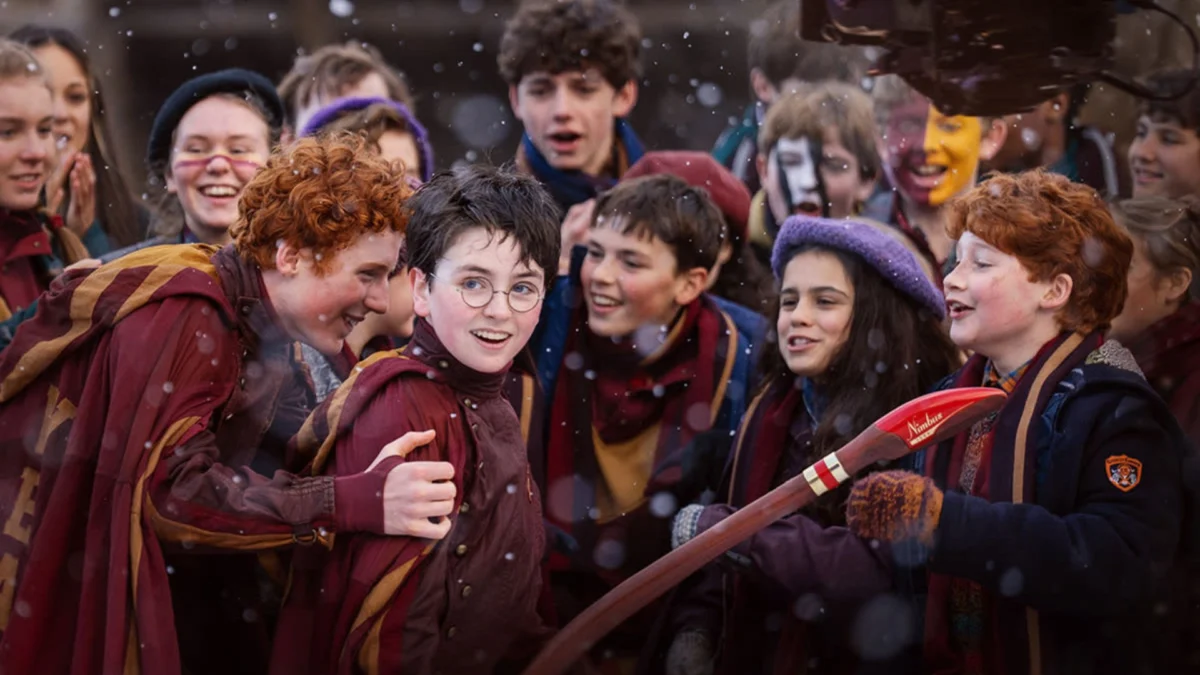
For over two decades, the name "Harry Potter" has been synonymous with cinematic spectacle and global box-office dominance. However, as the entertainment landscape shifts from the silver screen to the prestige of streaming, Warner Bros. Discovery is preparing to relaunch J.K. Rowling’s Wizarding World in its most ambitious form yet. On December 25, 2026, the first season of the Harry Potter television series will premiere on Max (formerly HBO Max), marking not just a reboot, but a strategic move to establish a new decade-long dynasty in fantasy television.
The stakes could not be higher. For the past thirteen years, Game of Thrones and its various spin-offs have reigned as the undisputed titans of the fantasy genre. With a production pedigree that includes showrunner Francisca Gardiner and director Mark Mylod, the Harry Potter series is being positioned as the first true challenger to George R.R. Martin’s Westeros, promising a level of depth and book-accuracy that the two-hour film format simply could not provide.
Main Facts: A New Vision for Hogwarts
The upcoming series is envisioned as a "faithful adaptation" of the seven-book series, with each season dedicated to a single novel. This approach aims to rectify the primary criticism of the original film franchise: the necessary omission of subplots, world-building details, and secondary characters.
The Premiere and Production Team
The series is scheduled to debut on Christmas Day 2026, a date chosen to capitalize on the franchise’s long-standing association with the holiday season. The production is a cornerstone of Warner Bros. Discovery’s long-term strategy for Max. Showrunner Francisca Gardiner, known for her work on Succession and Killing Eve, is expected to bring a sophisticated narrative edge to the series, while Mark Mylod, a veteran of Game of Thrones and The Succession, will helm the premiere episodes, ensuring a high-prestige visual language.
A Star-Studded Ensemble
While the three central roles—Harry Potter, Hermione Granger, and Ron Weasley—will be played by as-yet-unnamed newcomers, the supporting cast is a "who’s who" of British acting royalty:
- Albus Dumbledore: John Lithgow takes over the mantle of the wise headmaster.
- Professor Minerva McGonagall: Janet McTeer will bring her formidable presence to the Deputy Headmistress.
- Rubeus Hagrid: Nick Frost has been cast as the lovable half-giant.
- Severus Snape: Paapa Essiedu will portray the enigmatic Potions Master, a casting choice that suggests a younger, book-accurate interpretation of the character who was only 31 at the start of the first novel.
- Filius Flitwick: Warwick Davis returns to the franchise, bridging the gap between the original films and the new series.
Chronology: From the Big Screen to the Streaming Era
The journey of the Harry Potter franchise is one of unprecedented growth and eventual evolution. To understand why a reboot is happening now, one must look at the timeline of its cultural footprint.

- 2001–2011: The original eight-film series grossed over $7.7 billion worldwide, defining the "blockbuster" era of the early 2000s.
- 2016–2022: The Fantastic Beasts spin-off series attempted to expand the lore but saw diminishing returns and creative hurdles, leading Warner Bros. to pivot back to the core narrative.
- April 2023: Warner Bros. Discovery officially announces a decade-long commitment to a Harry Potter TV series, promising a "faithful" adaptation.
- 2024–2025: Pre-production and casting begin under a veil of extreme secrecy.
- August 2026: Months before the Season 1 premiere, HBO officially renews the series for Season 2, signaling immense corporate confidence.
- December 25, 2026: The global premiere of Season 1, The Sorcerer’s Stone.
Supporting Data: The Economic and Cultural Weight
The decision to reboot a franchise that is still beloved in its original form is driven by massive financial potential and changing consumer habits.
Box Office vs. Streaming Longevity
The original films, including the Fantastic Beasts trilogy, have grossed approximately $9.5 billion. However, in the current media environment, "total hours watched" on streaming services often outweighs a one-time box office hit. By creating an 8-to-10-hour season for every book, Warner Bros. ensures a decade of recurring subscriptions.
The "Game of Thrones" Benchmark
Game of Thrones set the gold standard for fantasy TV, peaking at over 44 million viewers per episode during its final season. Harry Potter enters the arena with an even larger pre-existing fanbase. While House of the Dragon continues to perform well, the Wizarding World offers a broader demographic appeal, ranging from children to nostalgic adults.
The Accuracy Factor
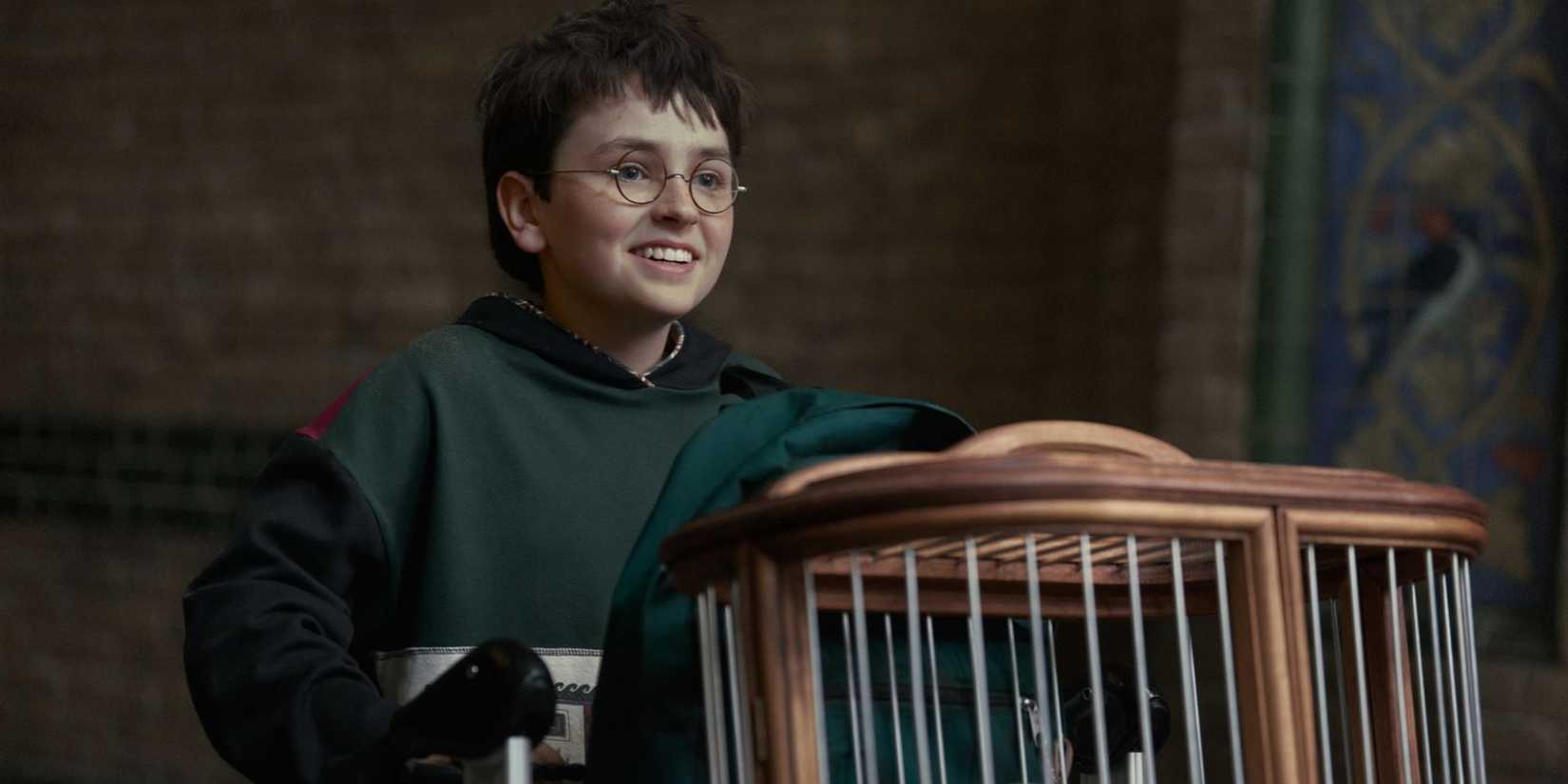
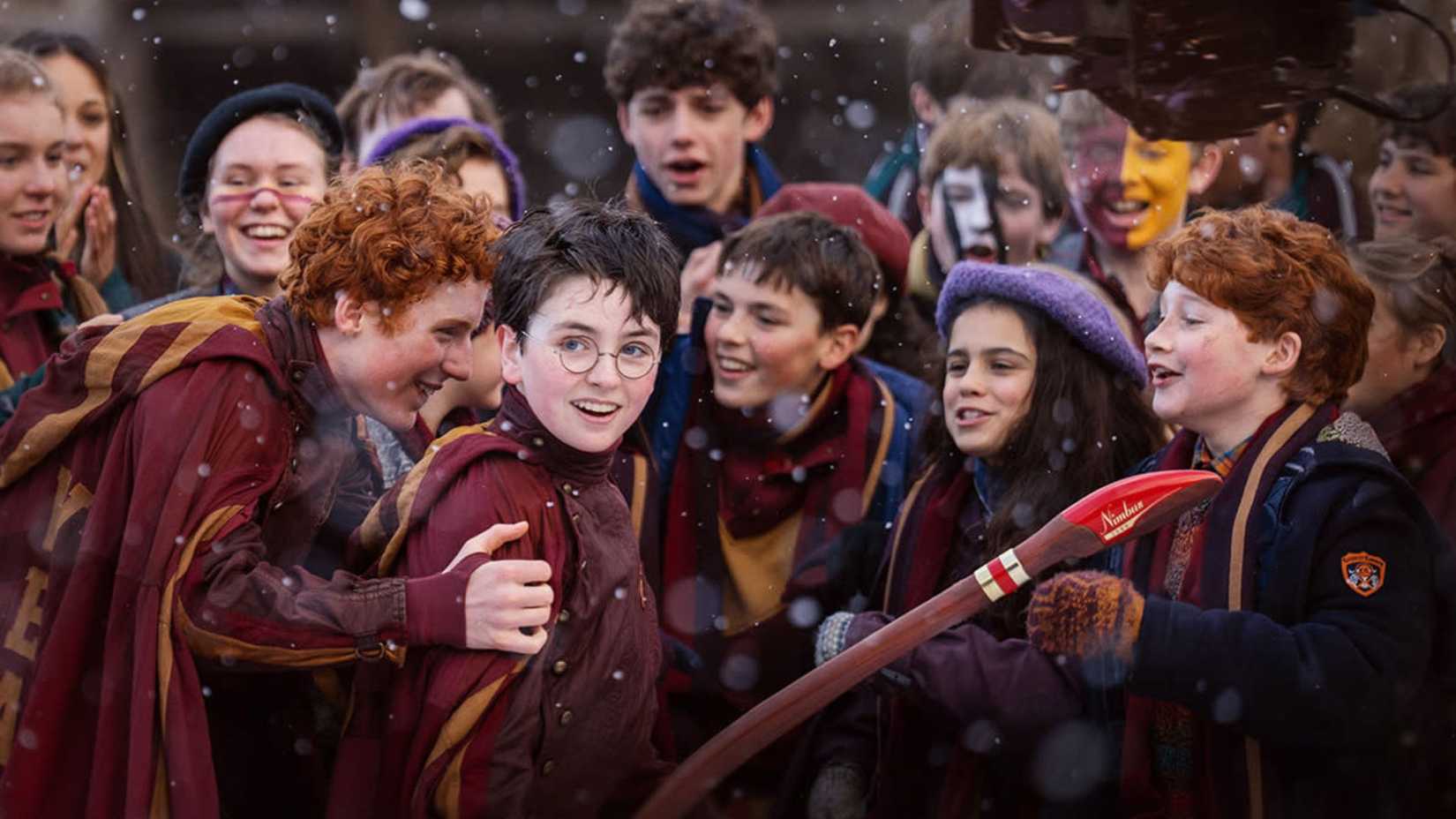
The expanded format allows for roughly 60 to 70 hours of total storytelling across the series, compared to the approximately 20 hours of the original film franchise. This provides room for characters like Peeves the Poltergeist, the Society for the Promotion of Elfish Welfare (S.P.E.W.), and the complex backstory of the Marauders—elements that were largely excised from the movies.
Official Responses and Strategic Goals
Warner Bros. Discovery CEO David Zaslav has been vocal about the importance of "franchise management." In various earnings calls, Zaslav has emphasized that the company’s "crown jewels"—Harry Potter, DC, and Lord of the Rings—have been underutilized.
"We haven’t done a Harry Potter movie in over a decade," Zaslav noted during a recent industry summit. "The data shows that the appetite for this world is stronger than ever. By moving to a television format, we can give the fans what they have been asking for: the books, exactly as they were written, brought to life with the highest possible production values."
The production team has also addressed the "nostalgia hurdle." While many fans are fiercely protective of the original film cast, the producers have stated that the goal is not to replace the movies but to offer a "definitive" version of the text. The casting of veterans like John Lithgow and Janet McTeer is a clear signal that HBO intends to maintain the "prestige drama" reputation it cultivated with The Sopranos and Succession.
Implications: A New Age for Literary Adaptations
The success or failure of the Harry Potter reboot will likely dictate the future of literary adaptations for the next twenty years. We are currently witnessing a "Great Migration" of beloved book series from film to television.
The Death of the "Condensed" Movie
For decades, the standard procedure for a hit book was a two-hour movie. However, the failures of films like Percy Jackson & the Olympians (2010) and The Dark Tower (2017) proved that complex world-building often suffers under time constraints. The success of the Percy Jackson series on Disney+ and the anticipation for Harry Potter suggest that the "one season per book" model is the new industry standard.
The Growing Pipeline
The industry is already reacting to this shift. Several major projects are currently in development that follow the Harry Potter blueprint:
- Twilight: An animated reboot is in development, focusing on a more granular look at the source material.
- The Stormlight Archive: Apple TV+ is reportedly in the early stages of adapting Brandon Sanderson’s massive epic, a feat previously thought impossible for film.
- Carrie: A new series from Mike Flanagan at Prime Video, aiming for a deep psychological exploration rather than a 90-minute horror flick.
Season 2 and Beyond: The Nicholas Hoult Factor
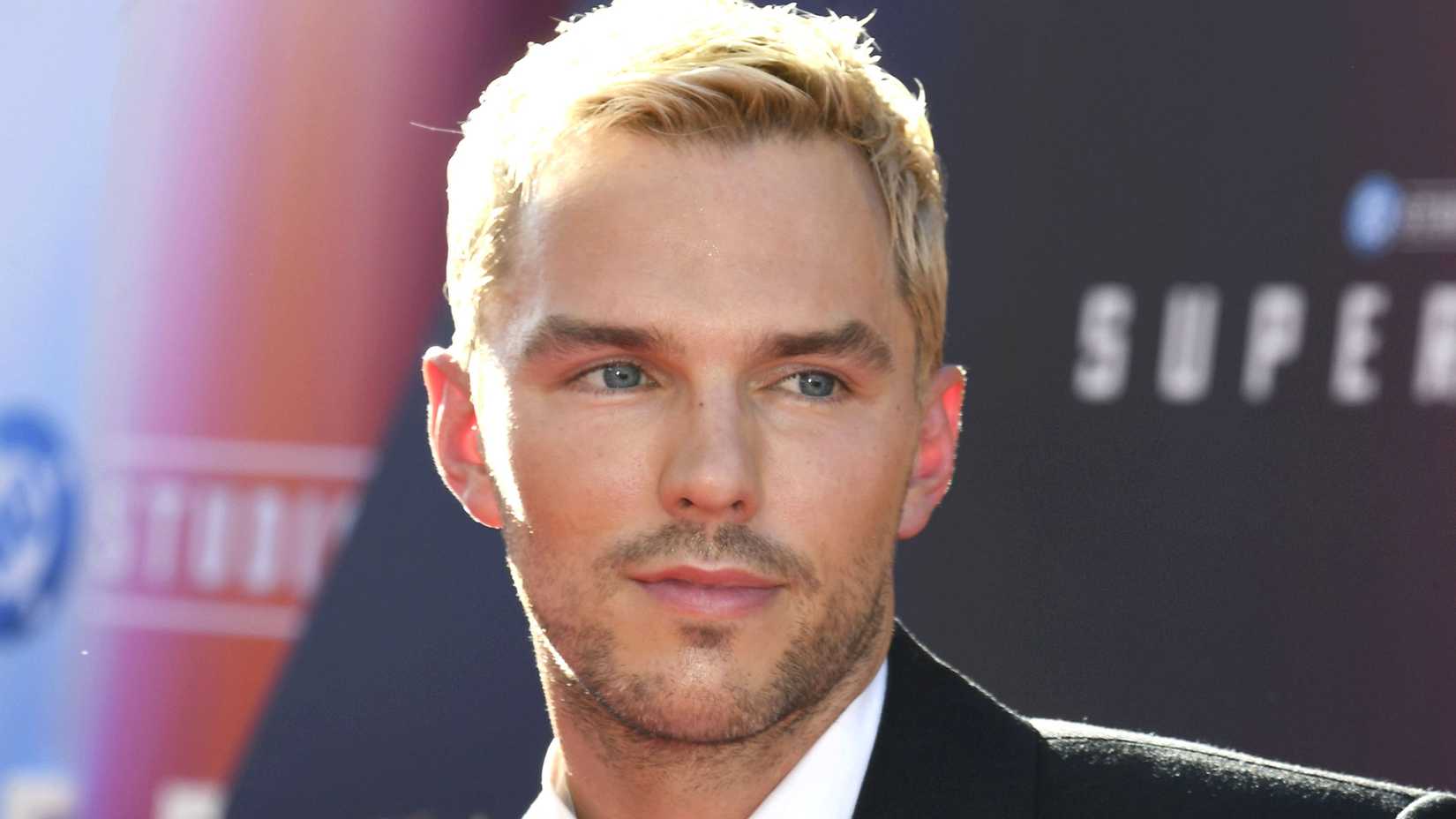
The recent announcement that Nicholas Hoult will join Season 2 as Gilderoy Lockhart is a major coup for the production. Hoult, a sought-after leading man in both the DCU and independent cinema, choosing to join the second season of a television show confirms that A-list talent now views these long-form adaptations as prestigious as—if not more so than—traditional film roles.
Conclusion: The Magic of Longevity
As the December 25 premiere approaches, the conversation surrounding Harry Potter has shifted from "Why are they doing this?" to "How far can they go?" If the series manages to capture the whimsical yet increasingly dark tone of Rowling’s novels while maintaining HBO’s signature quality, it will do more than just reboot a franchise. It will validate the transition of fantasy epics from the constraints of the cinema to the expansive, character-driven world of prestige television.

In 2001, Harry Potter changed the way Hollywood looked at "young adult" literature. In 2026, he may very well change the way the world views the "Golden Age of Streaming," proving that some stories are simply too big for the big screen. The Boy Who Lived is back, and this time, he has the time to tell the whole story.