The Unsentimental Chronicler: Remembering the Life and Legacy of Will Franz (1950–2026)
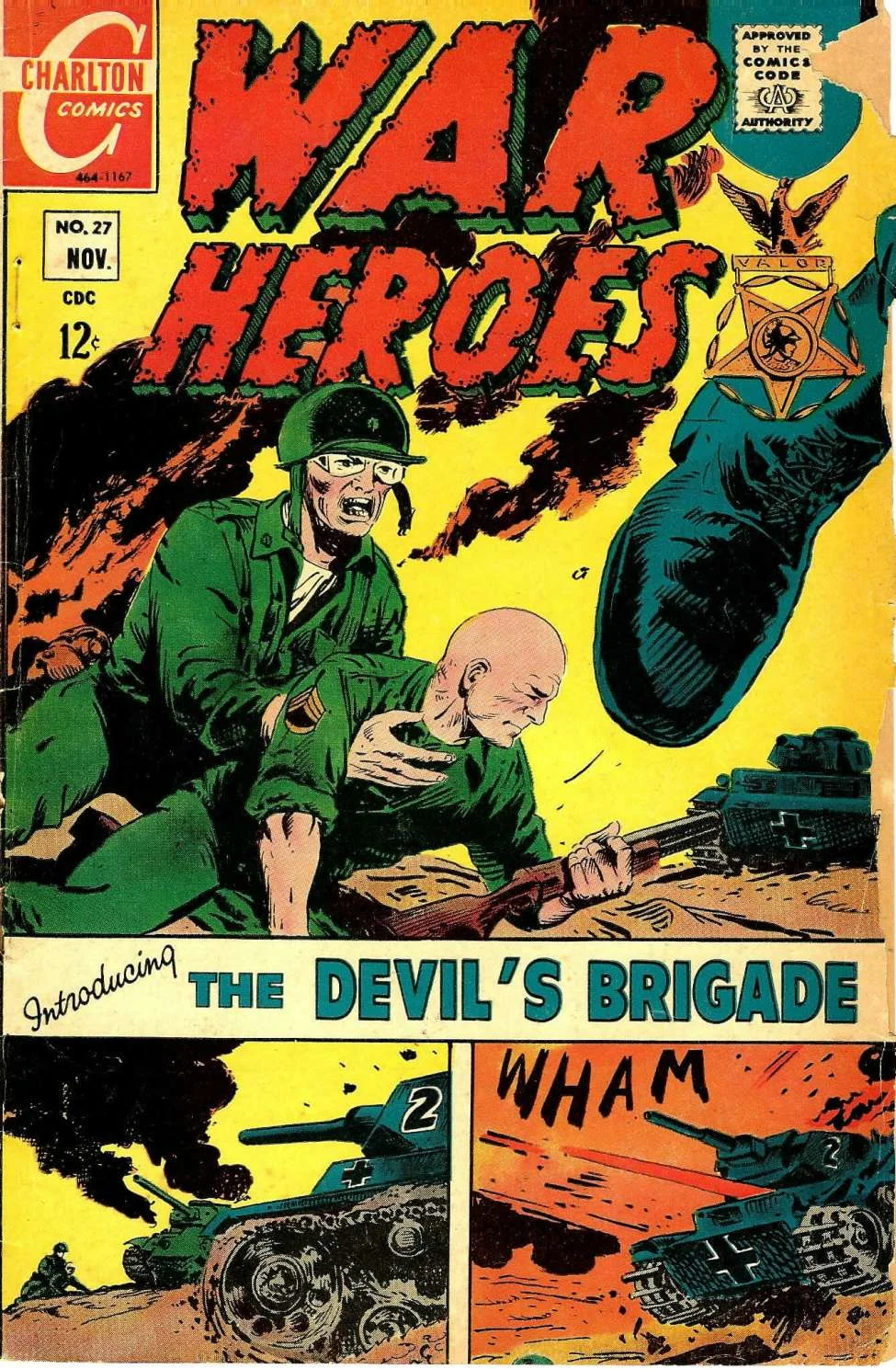
The world of American comic books has long been divided between those who champion the superhero and those who seek to reflect the unvarnished reality of the human condition. On May 23, 2026, the medium lost one of its most distinctive and uncompromising voices. Will Franz, the writer who revolutionized the war comic genre during a brief but explosive tenure at Charlton Comics, passed away from heart failure at the age of 75.
Franz was a rarity in the industry: a creator who attained professional maturity before he reached adulthood. Writing some of the most harrowing and philosophically complex war stories of the 1960s while still in his teens, Franz eschewed the jingoistic "glory" of his contemporaries. His work did not celebrate the battlefield; it interrogated it. Through his most famous creation, The Lonely War of Captain Willy Schultz, Franz provided a counter-narrative to the prevailing militarism of the era, leaving a legacy that continues to resonate with historians and fans of the "Bronze Age" of comics.
I. Chronology: From Brooklyn Prodigy to Genre Iconoclast
William Stephen Franz was born on November 14, 1950, in Brooklyn, New York. While his peers were enamored with the burgeoning "Marvel Age" of superheroes, Franz found himself drawn to the gritty realism of titles like Gunsmoke, Air War, and Combat. His aesthetic sensibilities were shaped not by capes and cowls, but by the meticulous, weathered line work of Sam Glanzman, an artist whose depictions of naval warfare were informed by his own service during World War II.
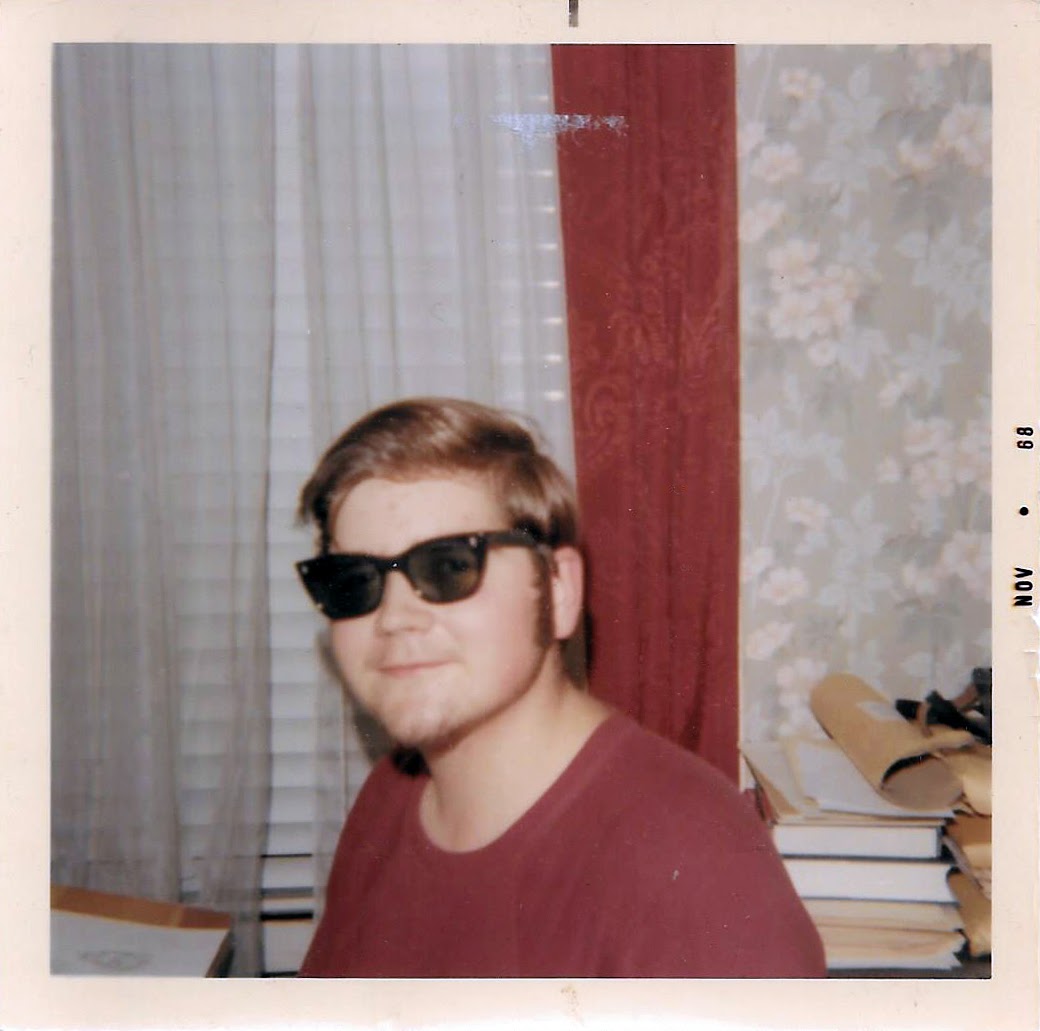
The Apprenticeship (1965–1967)
At the age of 15, Franz harbored ambitions of becoming a comic book illustrator. In an act of youthful boldness, he sent samples of his artwork to his idol, Sam Glanzman. Glanzman, recognizing both the boy’s raw talent and his amusingly obvious "swipe file" of Glanzman’s own work, took the teenager under his wing. However, Glanzman saw a narrative depth in Franz that exceeded his drafting skills. He encouraged Franz to submit scripts to Dick Giordano, then the editor at Charlton Comics. Under Glanzman’s mentorship, Franz learned the technical nuances of script formatting, preparing him for a professional debut that would come sooner than anyone expected.
The Charlton Years (1967–1970)
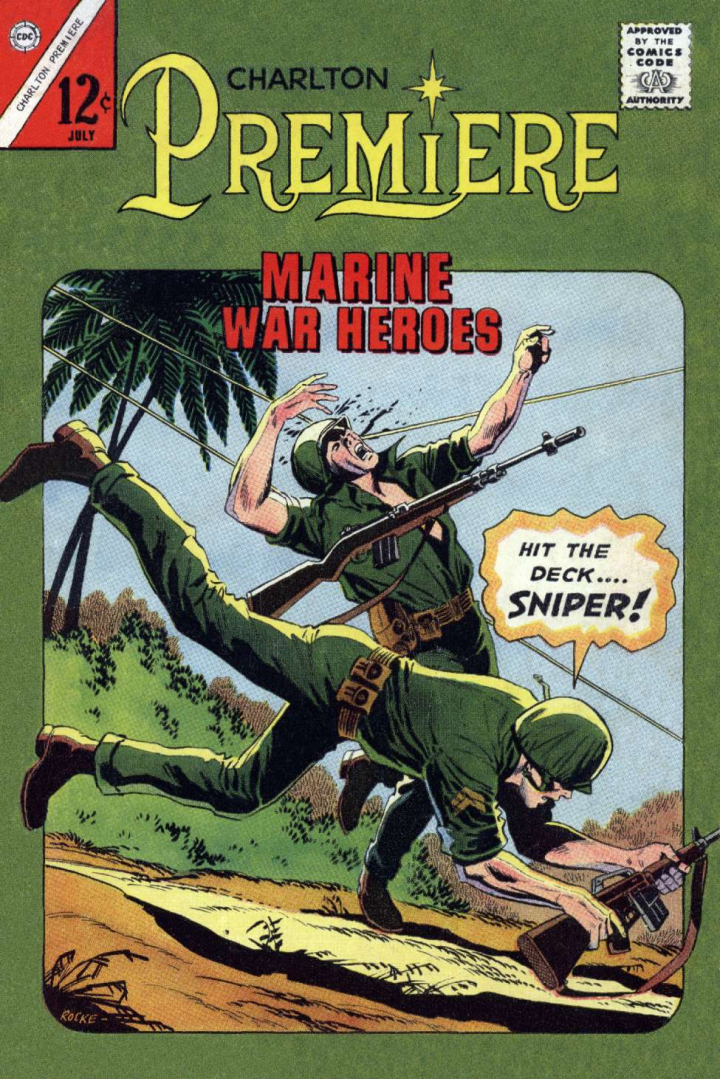
Franz’s first professional sale, "The Sniper," appeared in Charlton Premiere #19 in 1967. He was 16 years old. While Franz would later dismiss this debut as "a bit of propaganda," it served as the entry point for a three-year period of intense creativity.
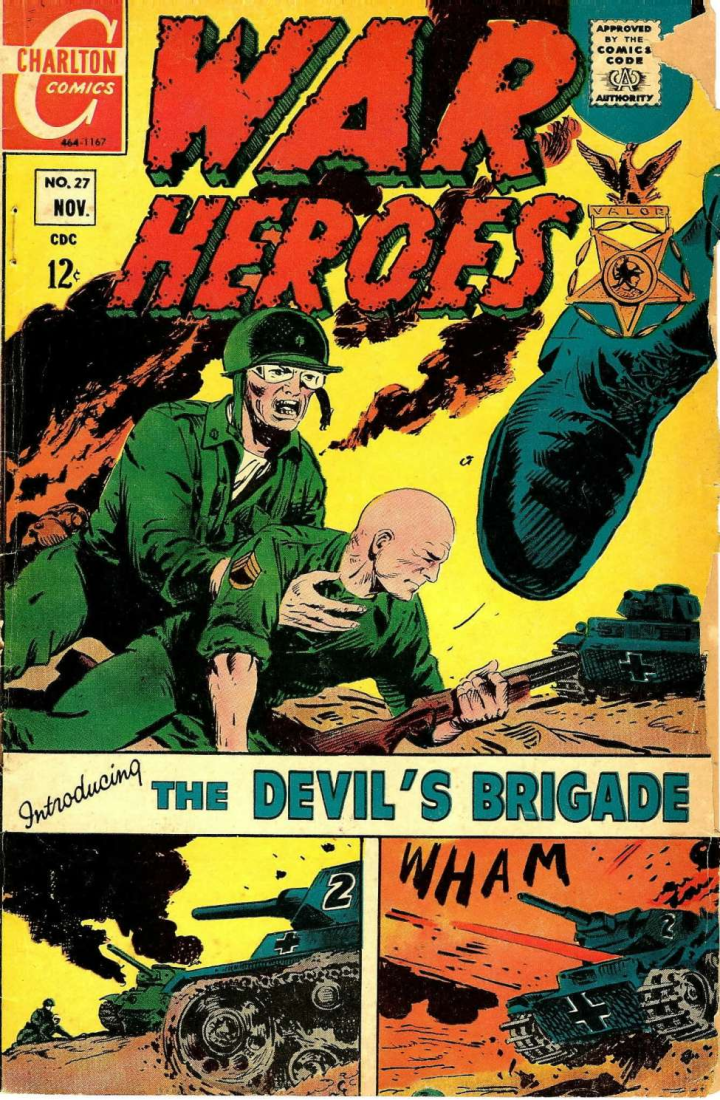
Despite his desire to draw, a diagnosis of Type 1 diabetes in his late teens resulted in unsteady hands, making the rigors of professional illustration impossible. Turning fully to writing, Franz launched a trio of series that would define his career: The Iron Corporal, The Devil’s Brigade, and his magnum opus, The Lonely War of Captain Willy Schultz. Working for Charlton’s famously low rates—starting at $4.00 per page—Franz produced a body of work that was light-years ahead of the company’s usual output in terms of psychological depth.
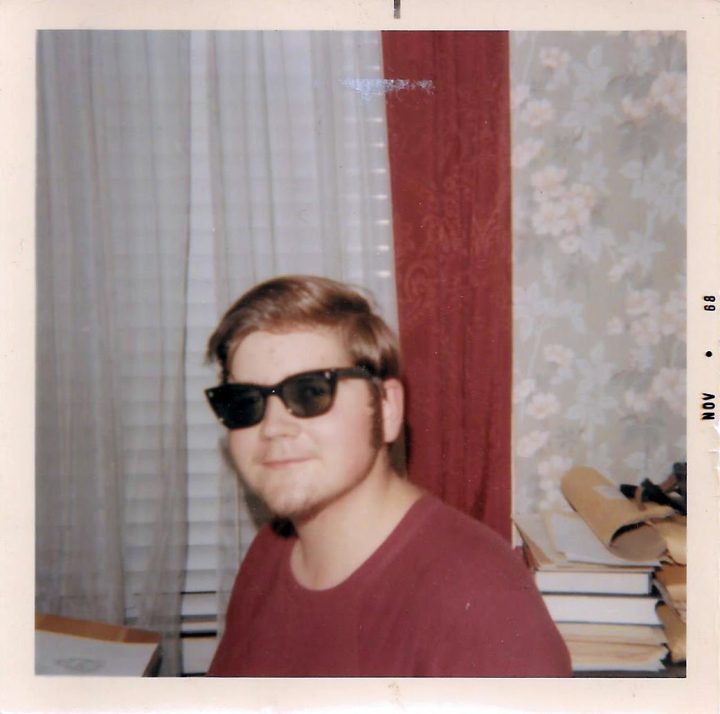
Life Beyond the Page (1970–2026)
By 1970, the political climate and editorial shifts at Charlton led to Franz’s exit from the mainstream industry. Save for a few one-off stories for DC’s Weird War Tales and a later reunion with Glanzman for the webcomic The Eagle (2002), Franz spent his adult life in diverse pursuits. He worked as an accountant, served in the New York City Parks Department, and became a distinguished fencing coach at Pace University and the City College of New York.
In his final decades, Franz turned his focus toward humanitarian work, hosting creative writing workshops for adults with physical disabilities at the Axis Project and the Center for Independence of the Disabled New York. He remained a student of history until the end, founding the League of Renaissance Swordsmen and the Newcastle Infantrie.
II. Supporting Data: The Anatomy of "The Lonely War"
To understand Will Franz’s impact, one must analyze the stark contrast between his work and the industry standards of the late 1960s. At a time when DC’s Sgt. Rock and Marvel’s Sgt. Fury and his Howling Commandos were presenting war as a theater for heroism and camaraderie, Franz introduced a protagonist who was a fugitive from his own army.
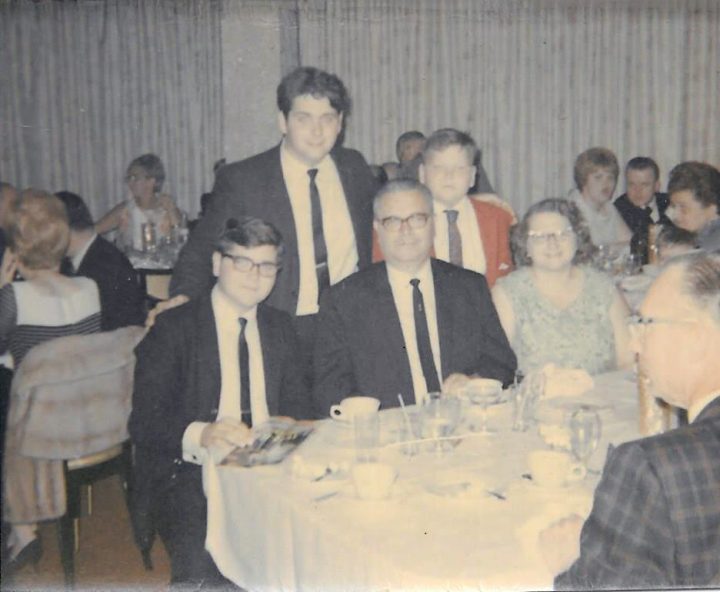
The Case of Willy Schultz
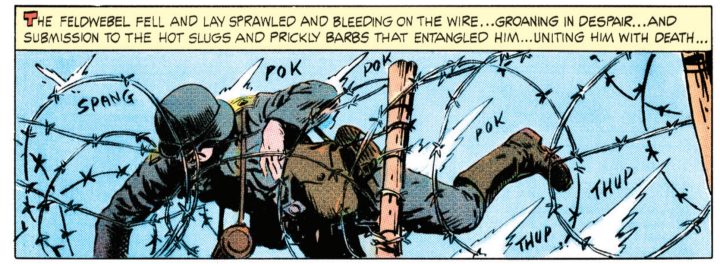
The Lonely War of Captain Willy Schultz followed an American officer of German descent who was wrongfully convicted of murder. After escaping custody, Schultz survives the European theater by assuming various identities, often finding himself trapped between the Allied and Axis lines.
- Thematic Departure: Unlike other war comics, there was no "home base" or "squad" for Schultz. He was a man without a country, highlighting the absurdity and loneliness of combat.
- Realism vs. Mandate: Franz frequently clashed with editorial mandates. In one instance, a sequence depicting Italian partisans massacring German prisoners was rewritten by veteran writer Joe Gill to appear as "self-defense," sanitizing Franz’s attempt to show the moral rot inherent in war.
- Historical Accuracy: Despite his youth, Franz was a rigorous researcher. While The Devil’s Brigade suffered from some anachronisms (such as the premature appearance of the Centurion tank), his work on Willy Schultz and The Iron Corporal was lauded for its attention to the gritty, unglamorous details of infantry life.
The Iron Corporal and Australia’s Contribution
In The Iron Corporal, Franz explored the Pacific Theater through the eyes of Ian Heath, an American volunteer in the Australian Army. While the character was saddled with a "gimmick"—an iron brace for his ribs—Franz used the series to highlight the often-overlooked contributions of Australian forces in New Guinea. Franz later noted that he felt a greater creative freedom with these characters than he did with Schultz, as the lack of "superheroic" expectations allowed for more nuanced character studies.
III. Official Responses and Industry Impact
The legacy of Will Franz is inextricably linked to the political tensions of the Vietnam War. Though his stories were set in WWII, the subtext was clear to the youth of the 1960s.
The Conscientious Objector Incident
In a 2019 essay, Franz recounted a pivotal moment that likely ended his career at Charlton. He learned that a fan—the son of a prominent Hollywood figure—had registered as a conscientious objector, citing the anti-war sentiment in Willy Schultz as his primary motivation. Shortly thereafter, Charlton abruptly canceled the series, citing a "large inventory" of stories that Franz later discovered did not exist. The industry consensus is that Charlton, a traditionally conservative publisher, feared the controversy of an "anti-war" war comic during the height of the Vietnam conflict.
Critical Reappraisal
In recent years, historians have reclaimed Franz as a vital figure of the Bronze Age.
- Jenny Blake Isabella, in 1000 Comics You Must Read, listed the Willy Schultz series as being among the "best war-comics series of all time."
- The Comics Journal, which conducted an extensive interview with Franz in 2025, noted that his work functioned as a bridge between the EC war comics of the 1950s and the more cynical, underground comix movement.
- Sam Glanzman, before his death in 2017, frequently cited Franz as his favorite collaborator, praising the writer’s ability to provide scripts that demanded—and deserved—an elevated level of artistic realism.
IV. Implications: A Legacy of Survival
The passing of Will Franz marks the end of an era for the "Charlton Bullpen," but the implications of his work remain highly relevant. Franz’s career serves as a case study in how the comic book medium can be used for sophisticated social commentary, even within the confines of "low-rent" publishing.
The Fight for Survival
It is perhaps poetic that a man who spent his life managing a chronic illness (Type 1 diabetes) and surviving a near-fatal heart attack in 2016 would be the one to write so poignantly about survival in war. His diabetic counselor once suggested that Franz’s attraction to the war genre was a projection of his own daily struggle for health. This personal dimension added a layer of "lived-in" desperation to his characters that few other writers could replicate.
The Restoration of "Willy Schultz"
In 2018, a Kickstarter campaign was launched by the late Drew Ford’s It’s Alive imprint, in partnership with Dark Horse Comics, to reprint the Willy Schultz stories. This project aimed to restore the original scripts and correct the editorial meddling that had plagued the 1960s editions. Though both Ford and Glanzman passed away before the project’s completion, the collection stands as the definitive testament to Franz’s vision.
Final Assessment
Will Franz did not view war as a source of entertainment. As he told The Comics Journal in 2025, "If you want to go to war after reading one of my stories, then I didn’t do my job."
His life was a testament to the power of the written word to challenge authority, whether that authority was a comic book editor or a military draft board. By focusing on the "lonely" soldier rather than the "heroic" one, Franz ensured that his work would remain timeless. He is survived by his widow, Annalisa Rivera-Franz, and a body of work that continues to ask the hardest questions about the nature of conflict and the value of a single human life.