The Visceral Legacy of Noroi Michiru: Psychosexual Terror and the Evolution of Independent Manga
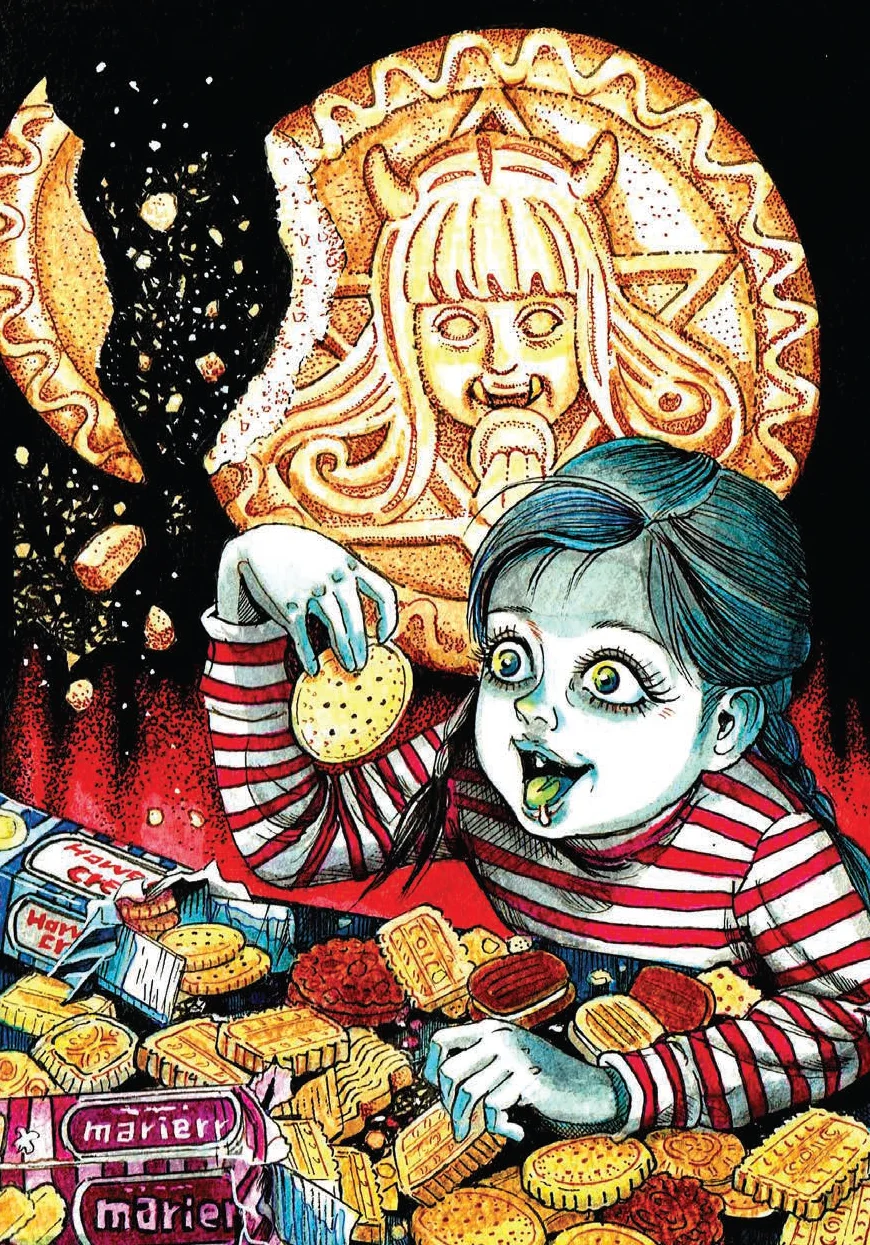
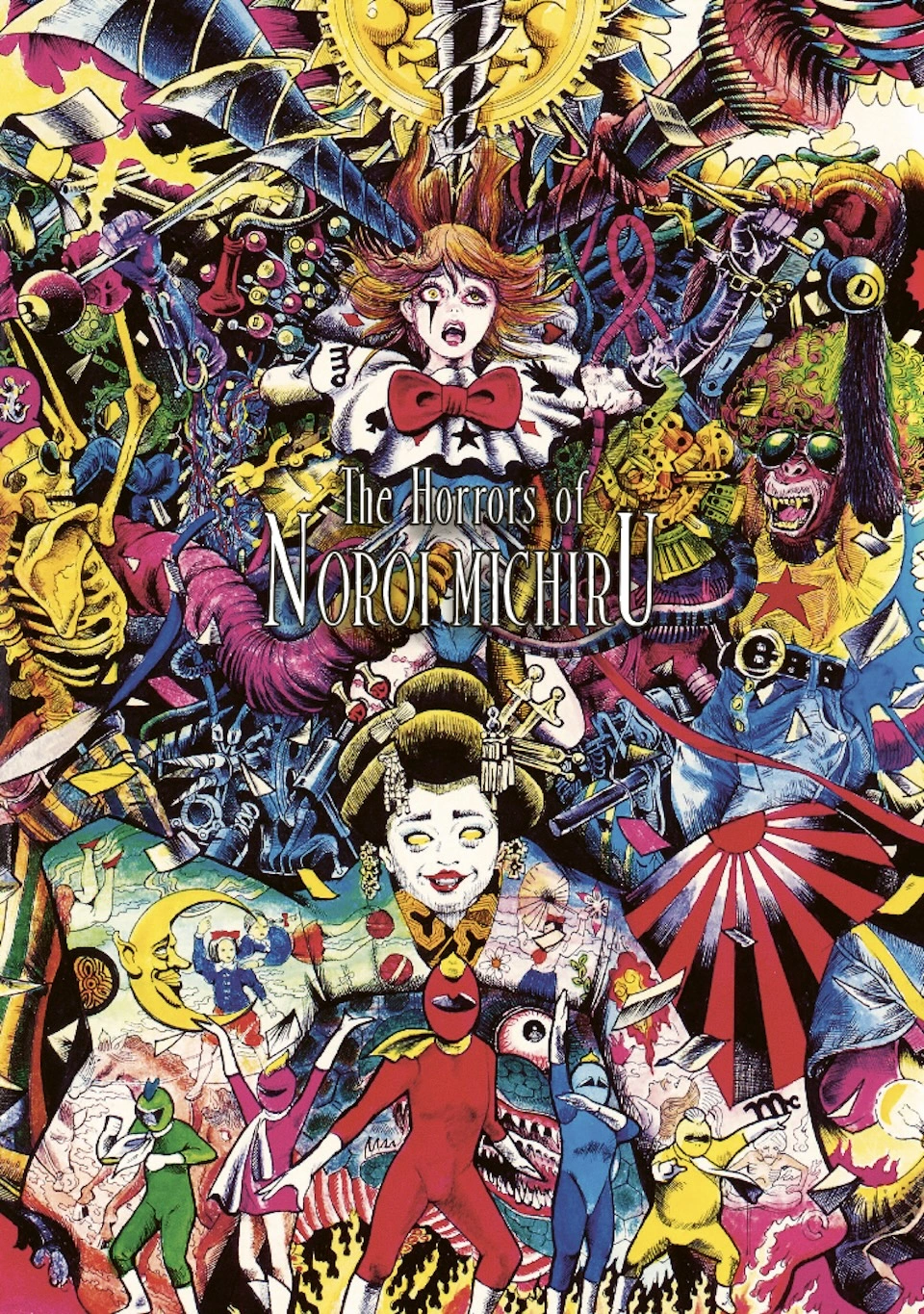
The release of The Horrors of Noroi Michiru, Volume 1 marks a significant milestone in the Western localization of Japanese horror. Published by Glacier Bay Books and originally curated by the late Matt Haasch of Star Fruit Books, this collection offers an uncompromising look into the early, formative years of an artist whose work occupies a unique, feverish space between "ero guro" (erotic-grotesque) and absurdist black comedy. Far from the austere, cosmic dread of contemporaries like Junji Ito, Noroi Michiru’s work is a relentless barrage of shlock, shock, and psychosexual hysteria that challenges traditional gender roles through the lens of body horror.
Main Facts: A New Pillar of Japanese Horror in Translation
The Horrors of Noroi Michiru, Volume 1 is a retrospective anthology collecting short stories from the first five years of Noroi Michiru’s prolific career. While Michiru has remained a staple of Japanese specialty horror magazines for decades, his work has largely remained inaccessible to English-speaking audiences until this 2026 release.
The Aesthetic of Shlock and Shock
Michiru’s work is defined by its manic pacing and a commitment to "lurid and crude" body horror. Unlike the slow-burn psychological terror found in much of modern J-horror, Michiru embraces the campy, high-intensity energy of 1980s Western cult classics like The Evil Dead. His stories frequently feature:
- Absurdist Violence: Gore that is pushed so far past the point of realism that it becomes a form of dark comedy.
- Psychosexual Motifs: A recurring exploration of sexual deviance, gender fluidity, and the reclamation of power through monstrous transformation.
- Genre Pastiche: Clever subversions of Gothic horror, noir, and "gekiga" (serious comics) traditions.
The Publishing Pedigree
The collection’s journey to the English market is as poignant as the stories themselves. It stands as one of the final projects spearheaded by Matt Haasch, the founder of Star Fruit Books, before his passing. Now distributed by Glacier Bay Books, the volume serves as both a testament to Haasch’s vision for independent manga and a definitive introduction to Michiru’s "power of hell" aesthetic.
Chronology: From Debut to Genre Mastery
To understand the impact of this collection, one must look at the chronological trajectory of Noroi Michiru’s early career as presented in this volume.
The 1990s: The Birth of a Horror Iconoclast
The collection includes Michiru’s debut work, "The Girl in the Clock Mansion." This story serves as the foundational text for his career, blending "yuri" (girls’ love) romance with extreme mechanical body horror. In the mid-to-late 90s, Michiru emerged alongside a wave of horror artists who catered to a predominantly female audience. While the commercial "shojo horror" market often relied on creeping hysteria, Michiru’s early works began to pivot toward a more aggressive, retaliatory form of violence.
The Early 2000s: Refining the Absurdist Lens
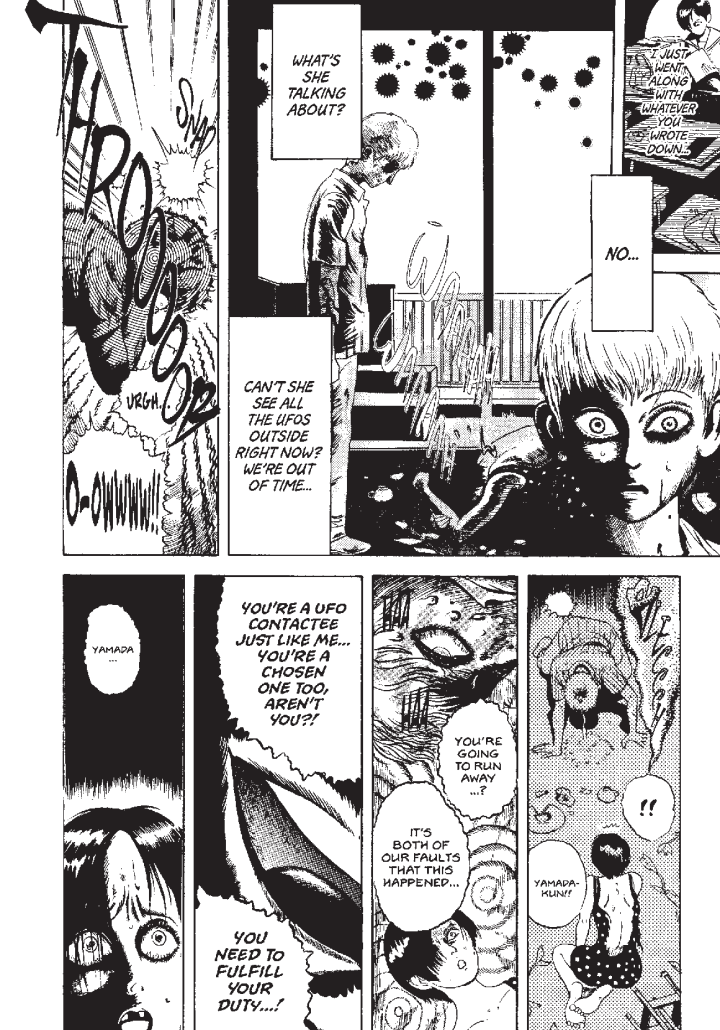
As Michiru moved through his first five years, his stories became increasingly experimental. Works like "The Demon Saucers in the Blue Sky" and "This Isn’t What I Dreamed" show an artist grappling with the legacy of masters like Morohoshi Daijiro and Edogawa Ranpo. During this period, Michiru moved away from simple ghost stories and into the realm of "creature features" and surrealist social commentary, perfecting the "psychotic woman" archetype that would become his signature.
Supporting Data: Thematic Analysis and Story Breakdowns
The strength of The Horrors of Noroi Michiru lies in its variety. The stories can be categorized into several thematic clusters that highlight Michiru’s range.
1. The Reclamation of Female Agency
In many of these stories, women who are victims of patriarchal violence or societal neglect undergo horrific transformations to achieve a bloody form of liberation.
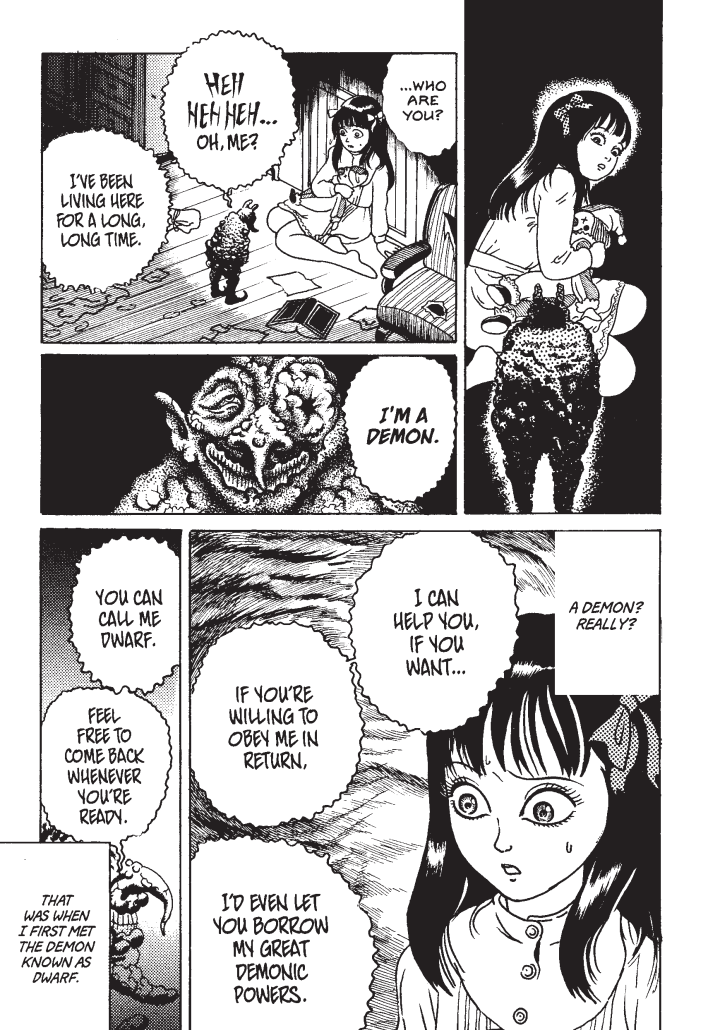
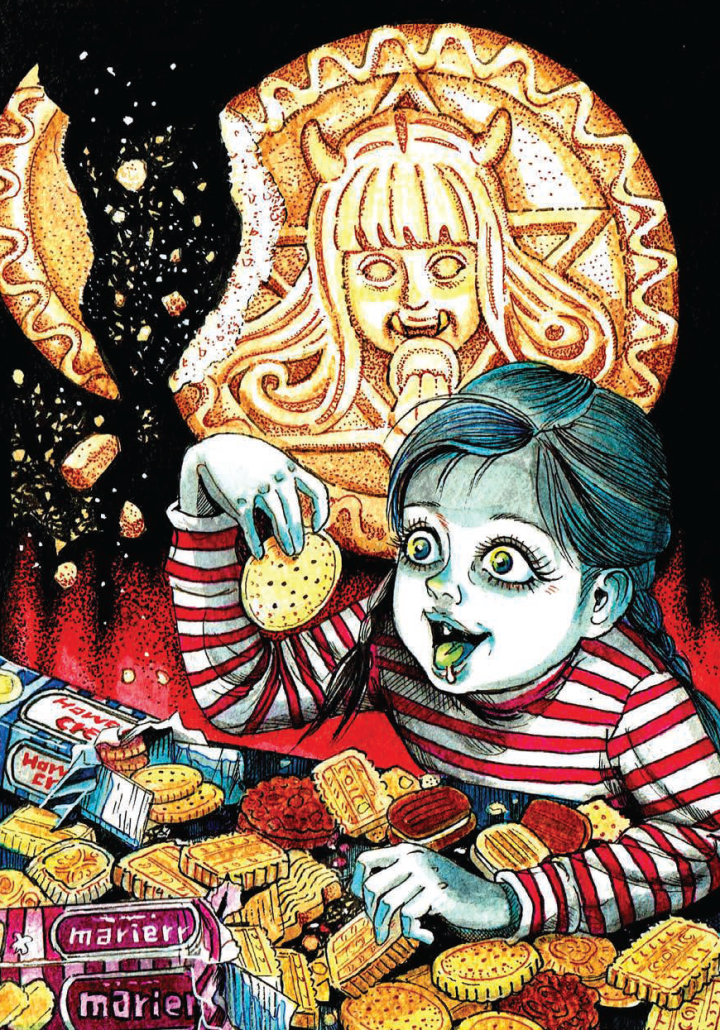
- "The Dwarf": A battered girl finds a monster in an attic and receives a "gift" that allows her to slay her depraved father. It is a story where the "power of hell" is equated with the power to kill.
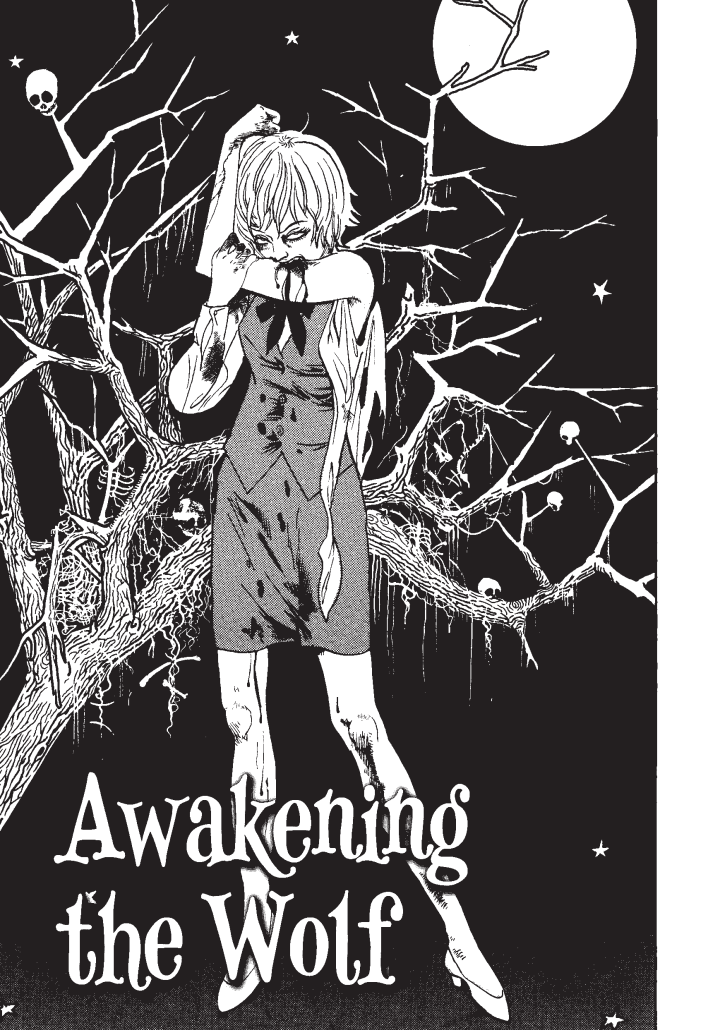
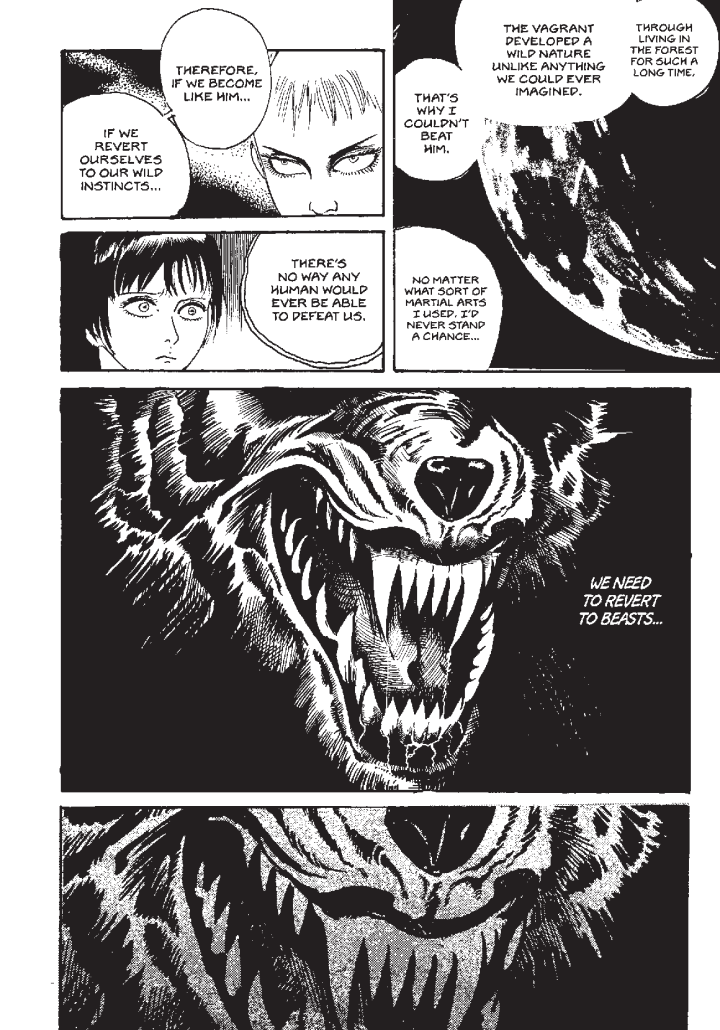
- "Awakening of the Wolf": An office lady suffering from "violencephobia" overcomes sexual harassment not through HR mediation, but through a martial arts program that teaches the catharsis of cannibalism.
2. Cosmic Delusion and Biological Horror
Michiru frequently uses science fiction and medical tropes to explore the fragility of the human mind.
- "The Demon Saucers in the Blue Sky": A deconstruction of cosmic horror where the "aliens" are revealed to be parasitic sea urchins. The horror is found not in the stars, but in the splattery, misguided attempts of the protagonist to prove his delusions.
- "The Homunculus Horror": A love triangle involving a mad female doctor and a Frankenstein-esque monster. The story culminates in a climax involving ghosts and centipedes, blending traditional folklore with modern body horror.
3. The Surreal and the Gekiga Legacy
Michiru pays homage to the "Nejishiki" surrealist style of Yoshiharu Tsuge while maintaining his own lurid edge.
- "This Isn’t What I Dreamed": A Nosferatu figure is dropped into a surrealist landscape, creating a jarring juxtaposition between classic Western horror icons and Japanese avant-garde sensibilities.
Industry Context: The Legacy of Independent Localization
The publication of this volume is a significant event in the "Small Press" manga movement. For decades, the Western manga market was dominated by major publishers focusing on mainstream "shonen" (boys) and "shojo" (girls) titles. The emergence of independent publishers like Star Fruit Books and Glacier Bay Books has allowed for the "localization of the underappreciated."
The Vision of Matt Haasch
The late Matt Haasch is credited with having the "creative vision" to champion artists like Noroi Michiru. Haasch’s work focused on classic and contemporary cartoonists who didn’t fit the commercial mold of "safe" horror. His passing in 2025 was a blow to the industry, and the continued distribution of his projects by Glacier Bay Books ensures that his efforts to diversify the English manga landscape remain fruitful.
The Demographic Shift
The article notes that the Japanese audience for specialty horror manga has historically been geared toward women and girls. By bringing Michiru to the West, publishers are tapping into a similar "feminine appetite for creeping hysteria" and transgressive art. This collection proves that there is a robust market for horror that explores the "evil, horny, angry, and freaked out" aspects of the human condition.
Implications: Horror as a Tool of Liberation
The most profound implication of Noroi Michiru’s work is its suggestion that horror can be a liberating force. The final story in the collection, "The Girl in the Clock Mansion," serves as a manifesto for this idea.
Surviving Patriarchy Through Hyperviolence
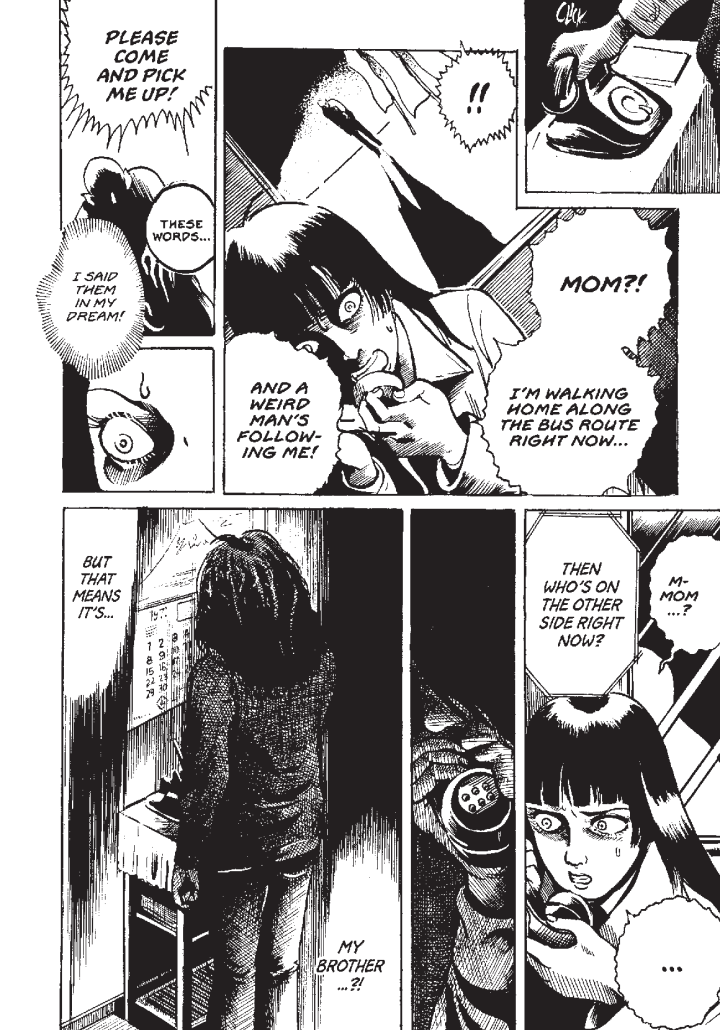
In the climax of "The Girl in the Clock Mansion," two girls fused with doll parts and motorcycle pieces ride down a highway, laughing maniacally. This image—vile, erotic, and fatal—is presented as a "liberating climax." It suggests that in a world where women are often the victims of systemic violence, the embrace of the monstrous is a valid form of survival.
The "Monster in the Attic" as a Gift
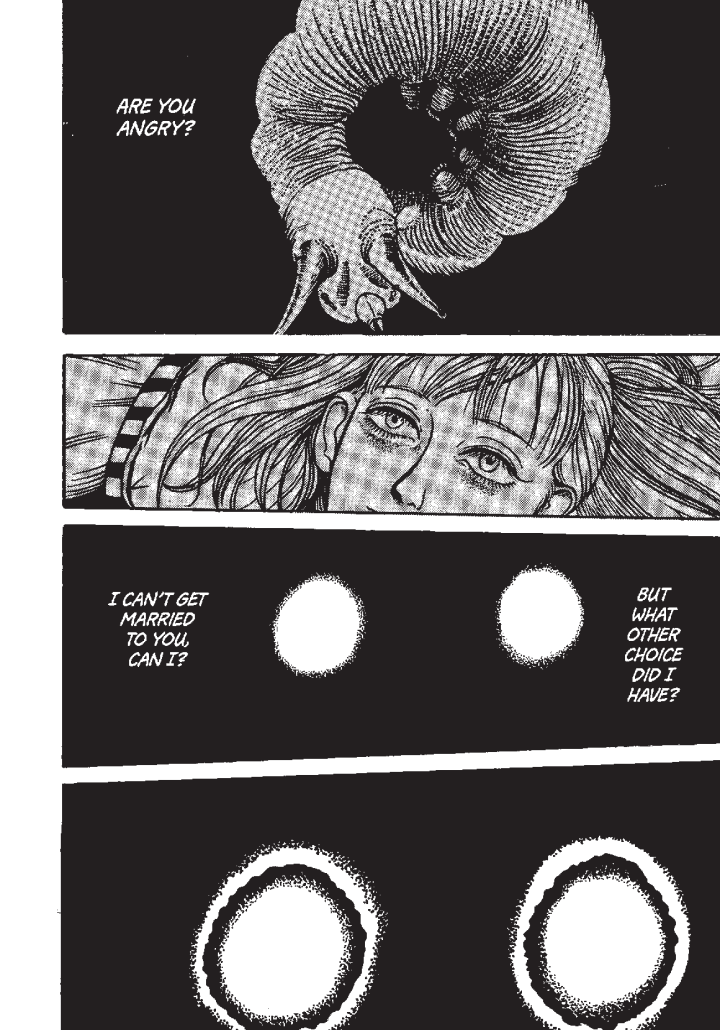
Michiru’s work reframes the traditional horror trope of the "monster in the attic." Instead of a threat to be defeated, the monster is often a benefactor, providing the protagonist with the "tools" (however grotesque) needed to navigate a hostile world. This subversion of the "Final Girl" trope—where the survivor is not the "pure" one, but the one who embraces the "fucked up shit"—positions Michiru as a radical voice in the genre.
Conclusion: A Necessary Addition to the Canon
The Horrors of Noroi Michiru, Volume 1 is more than just a collection of scary stories; it is a vital piece of cultural exchange. It challenges the boundaries of what horror can be, moving past simple scares and into a realm of exhilarating, body-shredding extremity. As the first of what is hoped to be many volumes, it cements Noroi Michiru’s status as a master of the macabre and a champion of the beautifully, violently absurd. For readers who find solace in the "nasty things" and the "monsters in the attic," this collection is a gift that will be felt in the world of manga localization for years to come.