Nostalgia’s Double-Edged Sword: Revisiting Classic Games Reveals a Harsh Reality Beneath Beloved Cartoons
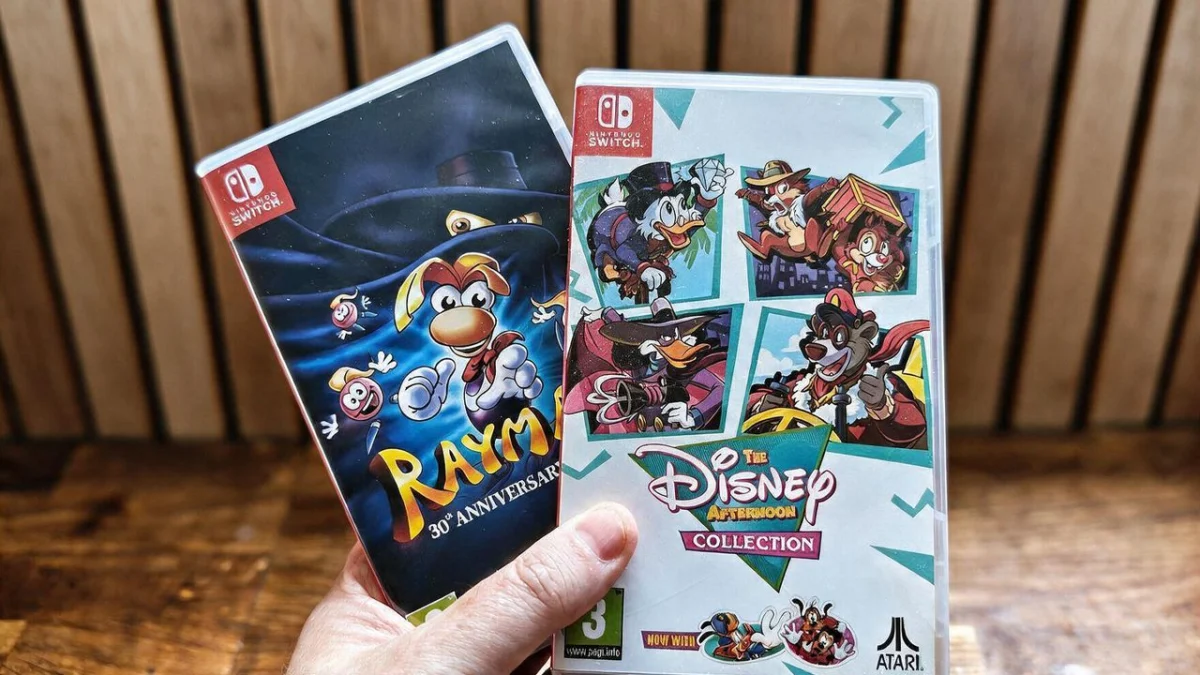
The rosy glow of childhood gaming memories can often obscure the brutal difficulty of the games themselves. A recent deep dive into two beloved retro collections, The Disney Afternoon Collection and the Rayman 30th Anniversary Edition, reveals that beneath the charming pixel art and familiar characters lies a challenging gameplay experience that might have been more about sheer persistence than sophisticated design.
For many, the allure of retro gaming lies in a comforting embrace of nostalgia. It’s the promise of revisiting simpler times, of reconnecting with beloved characters and experiencing the pixelated magic that defined a generation. However, as many players discover when they dive back into their childhood favorites, the reality can be a stark contrast to those warm memories. This is precisely the experience I encountered while spending several days immersed in The Disney Afternoon Collection and the Rayman 30th Anniversary Edition on the Nintendo Switch. My expectation was for a gentle trip down memory lane, a familiar comfort blanket woven from nostalgic characters, vibrant old-school animation, and the chirpy electronic melodies that burrowed into our minds decades ago. Instead, I found myself frequently confronted by the harsh reality of my childhood gaming skills – or rather, the lack thereof. It turns out, my youth was punctuated by an astonishing amount of virtual demise.
These games are, by modern standards, exceptionally difficult. What makes this revelation even more striking is the juxtaposition of this unforgiving gameplay with some of the most welcoming and iconic cartoon nostalgia imaginable. The vibrant worlds of Disney’s animated afternoon blockbusters and the unique, whimsical universe of Rayman are designed to draw players in, promising an accessible and fun experience. Yet, the core mechanics often betray this welcoming facade, demanding a level of precision, patience, and pattern recognition that can be genuinely punishing.
The Disney Afternoon Collection: More Than Just a Cartoon Cash-In
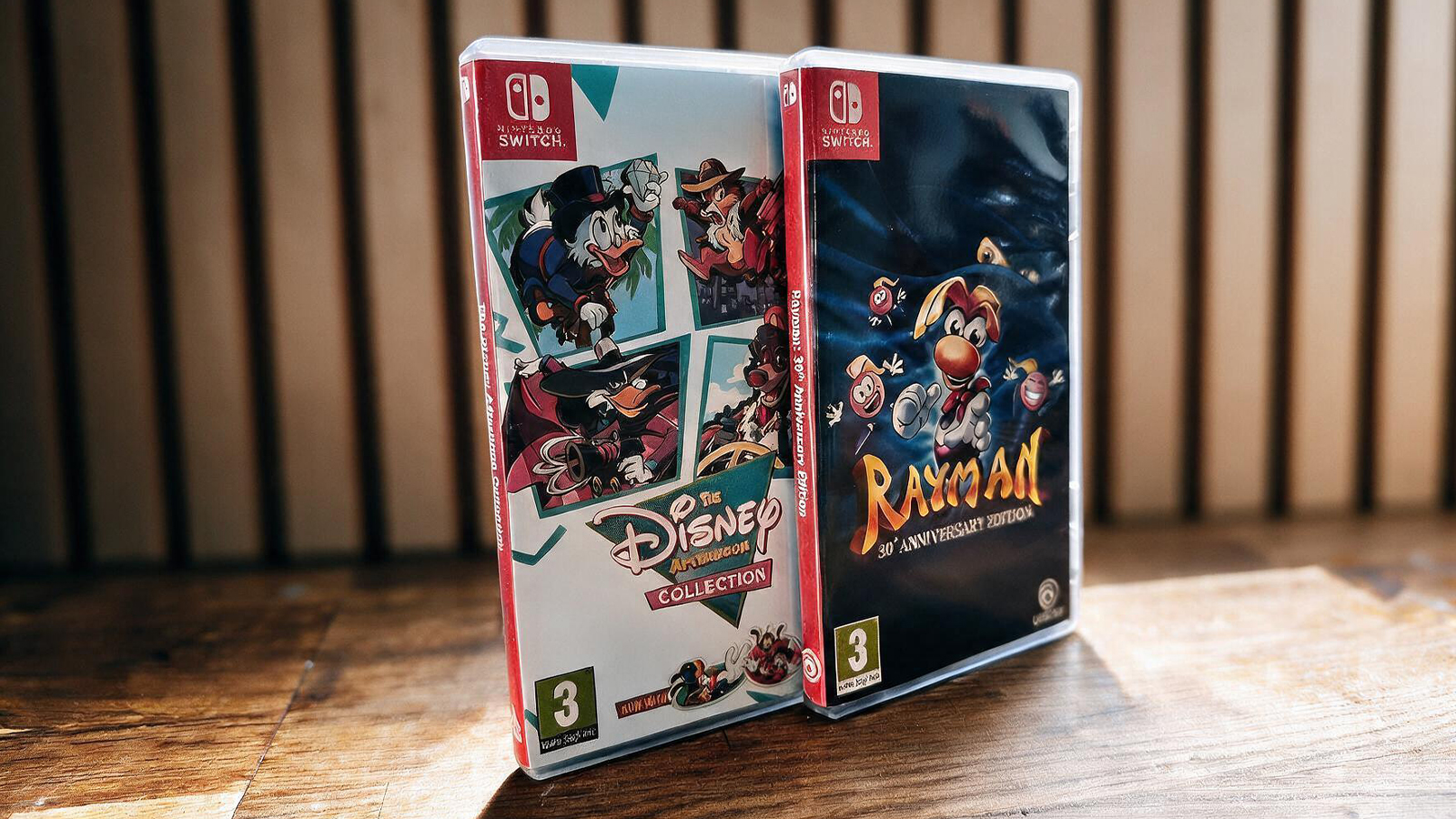
The Disney Afternoon Collection is a curated compilation of six classic NES titles developed by Capcom, all based on beloved Disney franchises: DuckTales, Chip ‘n Dale: Rescue Rangers, Darkwing Duck, and TaleSpin. These games were notable even at their original release for their surprisingly high production values, especially for licensed properties. Far from being mere cash-grabs, Capcom invested significant effort into crafting genuine platforming experiences around these iconic characters.
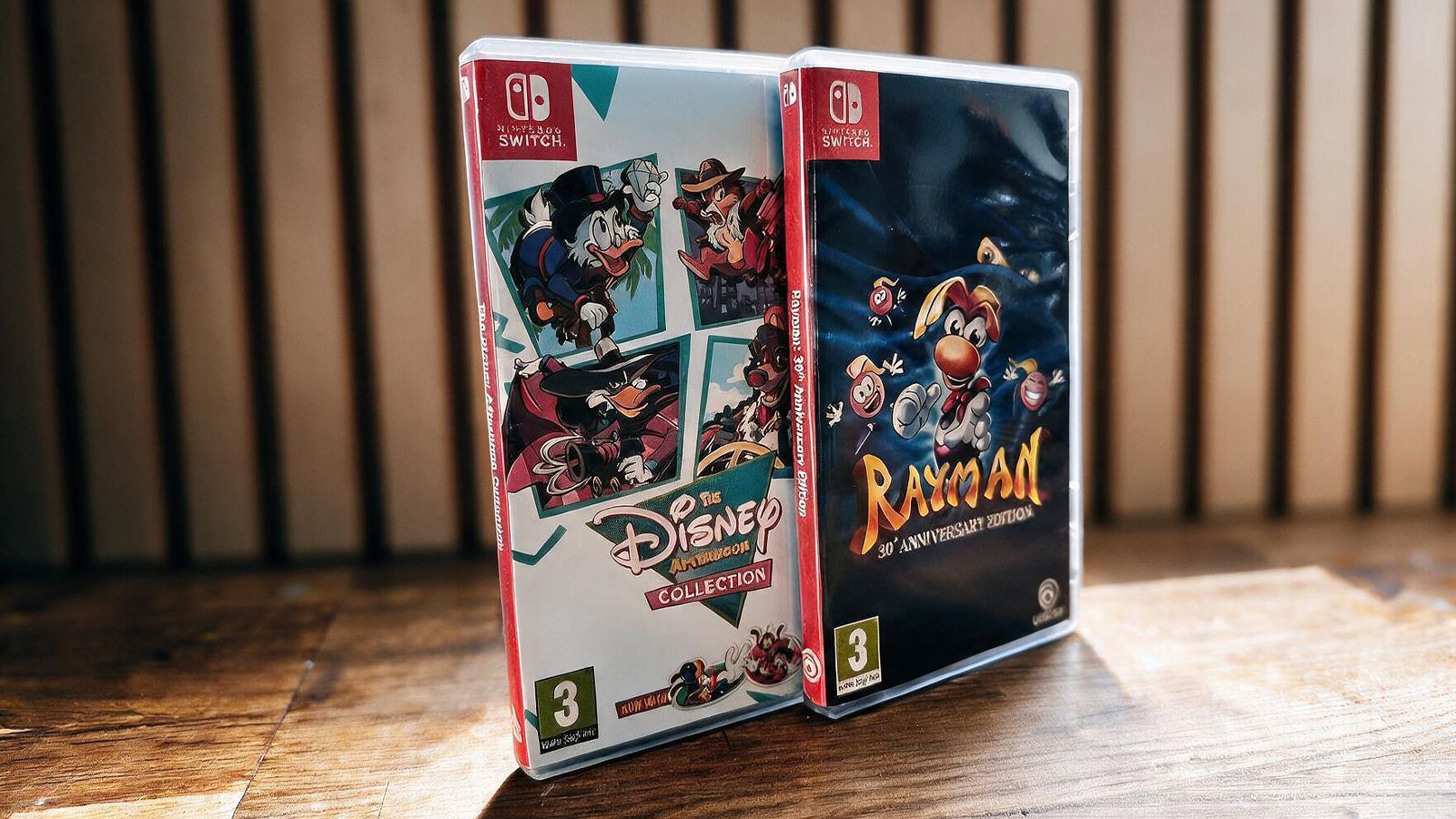
DuckTales, for instance, allowed players to tackle its five distinct worlds in any order they chose, offering a degree of non-linearity rarely seen in games of that era. Chip ‘n Dale: Rescue Rangers introduced seamless same-screen co-operative play, allowing friends to team up and tackle challenges together. Darkwing Duck, in particular, drew heavy inspiration from the Mega Man series, featuring challenging boss battles and intricate level design that demanded strategic thinking and precise execution.
A Deeper Dive into the Challenge
While these games may look like children’s cartoons, their gameplay mechanics are often far more demanding than their cheerful aesthetics suggest. Darkwing Duck stands out as a prime example of Capcom’s 8-bit design philosophy. Despite its vibrant, Saturday morning cartoon appearance, the level design can be incredibly vicious. The limited options for dealing with enemies, coupled with sections that require near-perfect timing, can feel absurdly challenging when you recall that this game was marketed alongside children’s television programming.
TaleSpin, a side-scrolling shooter, presents an even steeper challenge. Baloo’s plane suffers from a painfully slow rate of fire at the outset, and enemies can quickly fill the screen with projectiles. Navigating the narrow passages often leaves players with minimal room for error. This installment is arguably the most punishing within the collection due to its relentless dedication to making the player’s journey difficult. Yet, much like the other titles in The Disney Afternoon Collection, there’s an addictive quality to the struggle. The desire to try again, to learn from each mistake, and to inch just a little further, fuels a sense of gradual improvement that is deeply satisfying.
Digital Eclipse, the studio behind the collection, has gone to great lengths to make these classic games more accessible to modern audiences without sacrificing their core integrity. This includes features like rewind, multiple save slots, infinite lives, and instant level unlocks. While these additions can certainly ease the burden for players less accustomed to the unforgiving nature of 8-bit gaming, they also serve as a tacit acknowledgment of the original games’ inherent difficulty. The very existence of these modern conveniences speaks volumes about how challenging these titles were, and perhaps still are, for players who didn’t grow up with them.
Rayman’s Return: A 30th Anniversary Edition with a Difficult Legacy
The Rayman 30th Anniversary Edition offers a similarly nostalgic, yet challenging, experience. Rayman, a character who burst onto the scene as a beautifully animated, quirky platformer that propelled Ubisoft into the gaming spotlight, is remembered for its tough but fair gameplay. The game’s incredibly detailed pixel art, vibrant atmosphere, and unique visuals were often enough to compensate for the difficulty, making the prospect of playing an "actual cartoon" a compelling reason to keep coming back for "just one more go."
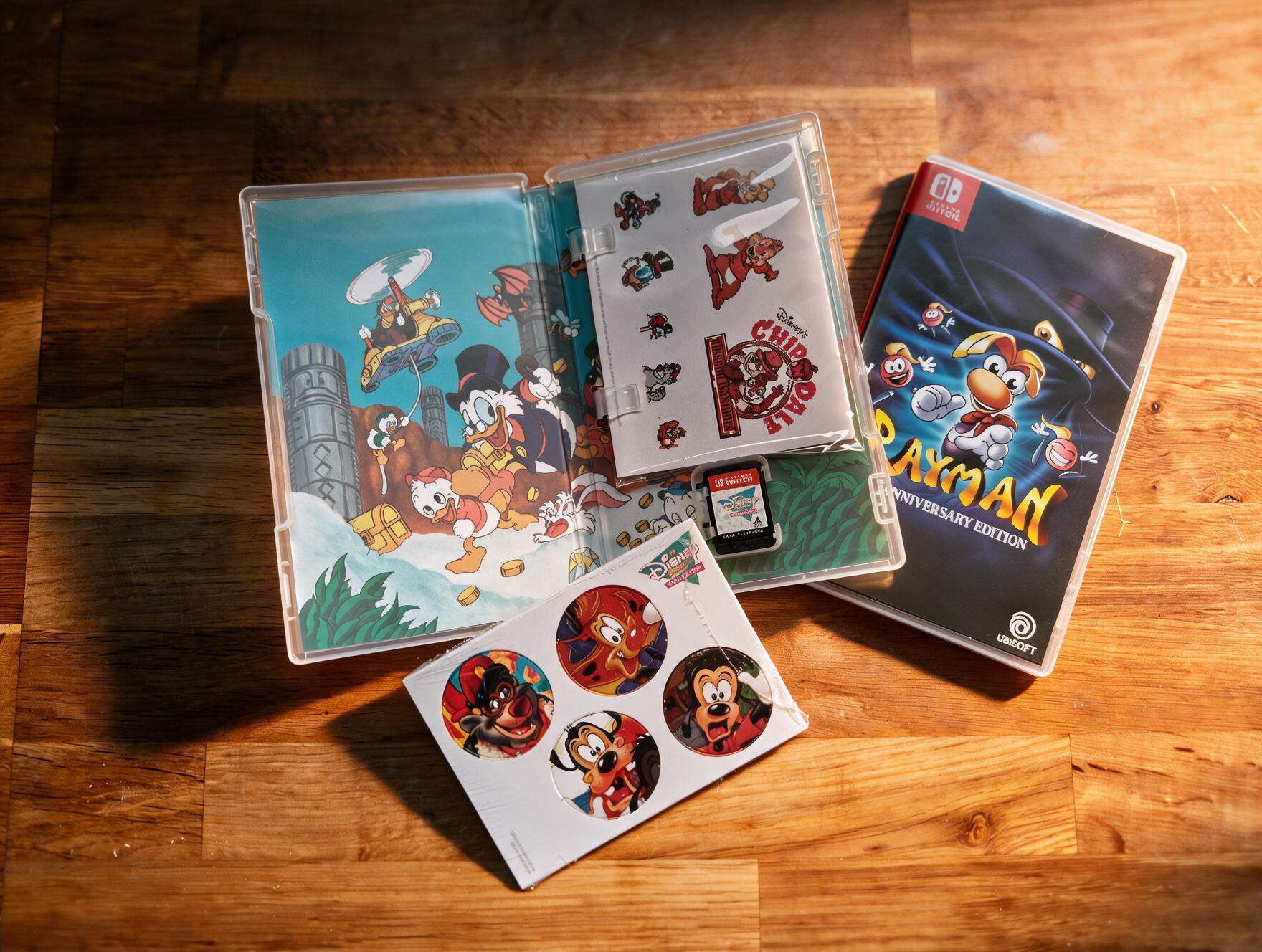
This anniversary edition significantly expands upon the original, offering players a wealth of content. It includes five versions of the original game, over 120 additional levels, the long-lost SNES prototype, and an interactive documentary featuring over 50 minutes of interviews with the original developers. This extensive package ensures that players have plenty to explore and enjoy, even after the game has undoubtedly punished them one too many times.
Modern Concessions in a Classic Package
Ubisoft has also implemented concessions to modern gaming sensibilities to make the Rayman 30th Anniversary Edition more approachable. Features such as rewind, multiple save slots, infinite lives, and instant level unlocks are present, aiming to smooth out the rough edges of the original experience. These additions are a clear indicator of Ubisoft’s understanding of how players engage with games today and their expectation for a less punishing journey. The fact that I found myself relying on the rewind function frequently speaks volumes about the original game’s design and its potential to frustrate modern players.
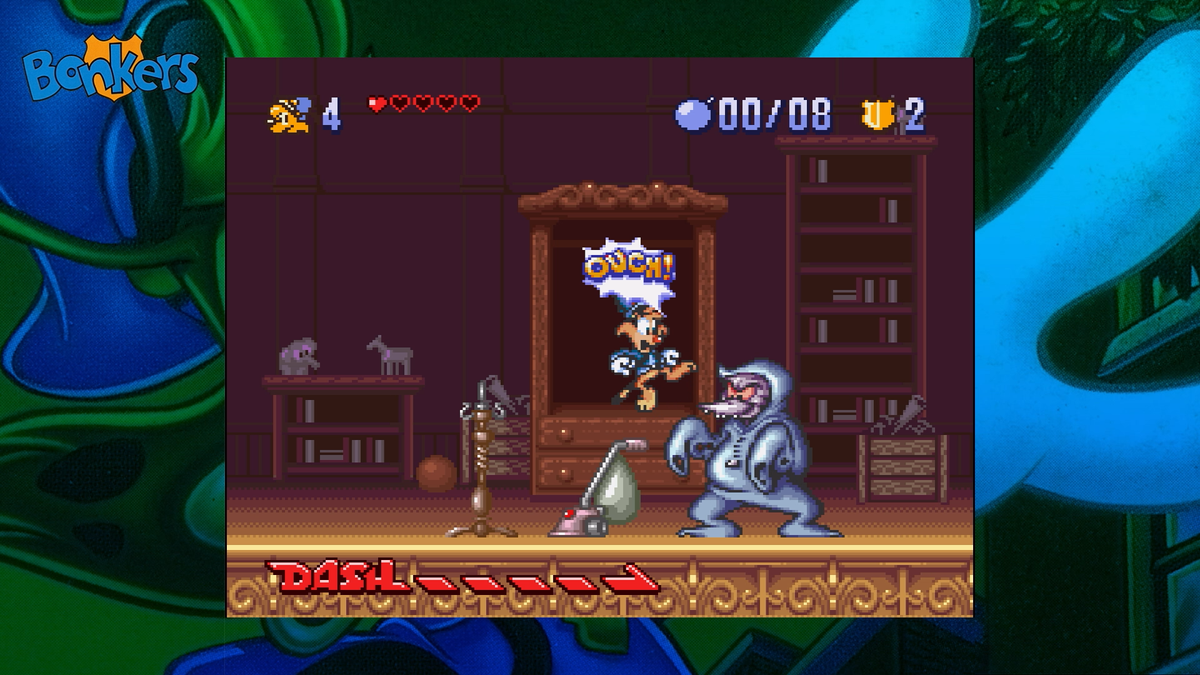
The core of the challenge in these retro titles, as I’ve come to realize, isn’t about enemies possessing colossal health bars or bosses requiring complex modern combat systems. Instead, the difficulty is intrinsically woven into the very fabric of the levels and the game’s design at a granular level. A platform might be positioned just a hair too far away, demanding a commitment to a precise jump. An enemy could be strategically placed precisely where you’re most likely to land, creating an immediate obstacle. A hazard might appear just as your attention is diverted to another element on screen, leading to an instant return to the beginning, leaving you bewildered as to what went wrong.
In terms of designing a fundamentally solid platform game, both The Disney Afternoon Collection and the Rayman 30th Anniversary Edition stand as testaments to the effectiveness of classic game design principles. They demonstrate that even with the most charming aesthetics, a well-crafted challenge can create a deeply engaging and rewarding experience.
The Unvarnished Truth of Childhood Gaming
Reflecting on these experiences, it becomes clear that our memories of childhood gaming are often romanticized. We recall the joy and the immersion, but the sheer frustration and the countless hours spent repeating the same sections often fade into the background. Back then, games didn’t necessarily end after a few minutes, forcing us back to the start. Instead, a single playthrough could stretch for weeks, even months, becoming as much a test of memory and perseverance as it was of reflexes.
While the modern rewind features in these collections feel like an admission that this old way of playing can be overwhelming for contemporary gamers, they also offer a bridge to understanding the original intent. The Disney Afternoon Collection, with its inclusion of rewind, save features, and challenge modes curated by Digital Eclipse, provides a more accessible entry point. The Rayman 30th Anniversary Edition, by going even further with its accessibility options, highlights the evolving landscape of game design and player expectations.
However, I would strongly urge players to consider playing these games as they were originally intended, at least for a portion of their playtime. Resist the urge to immediately make life easy with modern conveniences. Experience the challenge, learn the patterns, and embrace the repetition.
Implications for Modern Gaming and Nostalgia
Perhaps this is precisely why I’ve found so much enjoyment in revisiting these titles. Beneath the layers of beautiful sprites, iconic Disney characters, and the wonderfully strange animations of Rayman, lie games that demanded attention, memorization, and improvement through repetition. We, as children, didn’t necessarily have "easier" games. We simply had fewer alternatives, significantly more free time, and an astonishing tolerance for being repeatedly defeated by colorful, often irritating characters that felt like they belonged squarely on a Saturday morning cartoon.
This resurgence of retro collections on modern platforms like the Nintendo Switch speaks to a broader trend in the gaming industry. There’s a clear and persistent demand for the classics, a desire to recapture the magic of a bygone era. However, it also presents a valuable opportunity for reflection. It forces us to question the nature of difficulty in games, the role of nostalgia in our perception, and the ways in which game design has evolved.
Ultimately, The Disney Afternoon Collection and the Rayman 30th Anniversary Edition serve as powerful reminders that the games we loved as children were often built on a foundation of rigorous design and challenging gameplay. While modern accessibility features are invaluable for broadening the appeal of these classics, the true joy of rediscovery often lies in confronting the difficulty head-on, pushing through the frustration, and ultimately, achieving a hard-won victory that resonates just as strongly today as it did decades ago. These games are not just a dose of nostalgia; they are a testament to the enduring power of well-crafted, challenging gameplay.