A Look Back at Nintendo’s Edgy ’90s Game Boy Ads: When Pixels Met Provocation
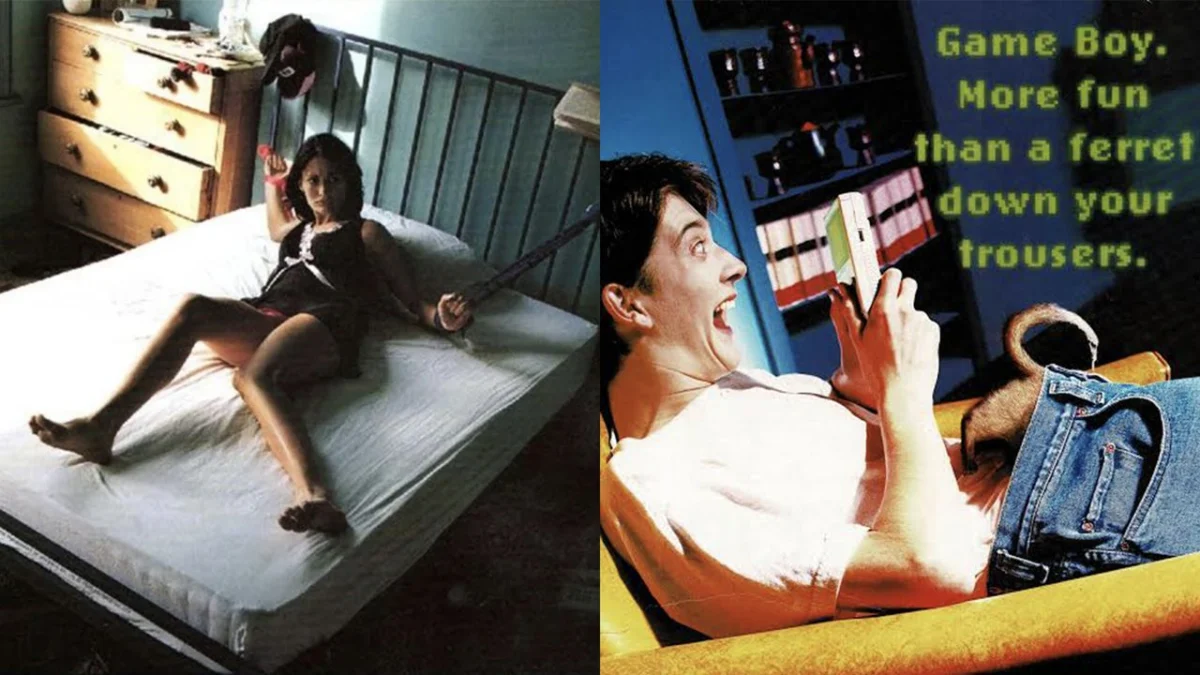
In the ever-evolving landscape of advertising and marketing, certain campaigns stand out not just for their effectiveness, but for their sheer audacity and how they reflect the cultural zeitgeist of their time. The 1990s, a decade often characterized by its "lads mag" culture, a penchant for risqué humor, and a burgeoning embrace of more adult themes, provided fertile ground for such bold advertising strategies. Even seemingly innocent brands, like Nintendo, found themselves venturing into this provocative territory, particularly with their marketing for the iconic Game Boy. Today, in 2026, revisiting these ’90s Game Boy advertisements offers a fascinating, and sometimes jarring, glimpse into a bygone era of advertising that pushed boundaries in ways that would be unthinkable for the company today.
The Shifting Sands of ’90s Advertising
The ’90s were a period of significant cultural flux. The rise of alternative music, the increasing visibility of youth culture, and the growing influence of publications like FHM and Loaded created a media environment where a certain brand of edgy, often controversial, content was not only accepted but actively sought after. This era saw a blurring of lines, where advertising for products aimed at a younger demographic could sometimes adopt a tone and style more befitting mature audiences. It was a time when humor could be bawdy, when football references were commonplace, and when a casual, and often problematic, misogyny permeated popular culture. In this context, even advertisements for children’s portable gaming consoles, like Nintendo’s Game Boy, found themselves adopting a distinctly more provocative edge.
Nintendo, a company now synonymous with family-friendly entertainment, cuddly Pokémon, and the perpetually cheerful Mario, seemed to take a significant departure from its established brand identity. The Game Boy ads of the ’90s were a far cry from the wholesome imagery that typically defined Nintendo. Instead, the company appeared to be taking inspiration from its burgeoning rival, Sony, and its aggressive marketing for the PlayStation. These Game Boy ads were edgy, often bordering on the risqué, and might have been more at home advertising a product aimed squarely at an adult demographic.
A Provocative Campaign: The Lingerie and the Lure of Distraction
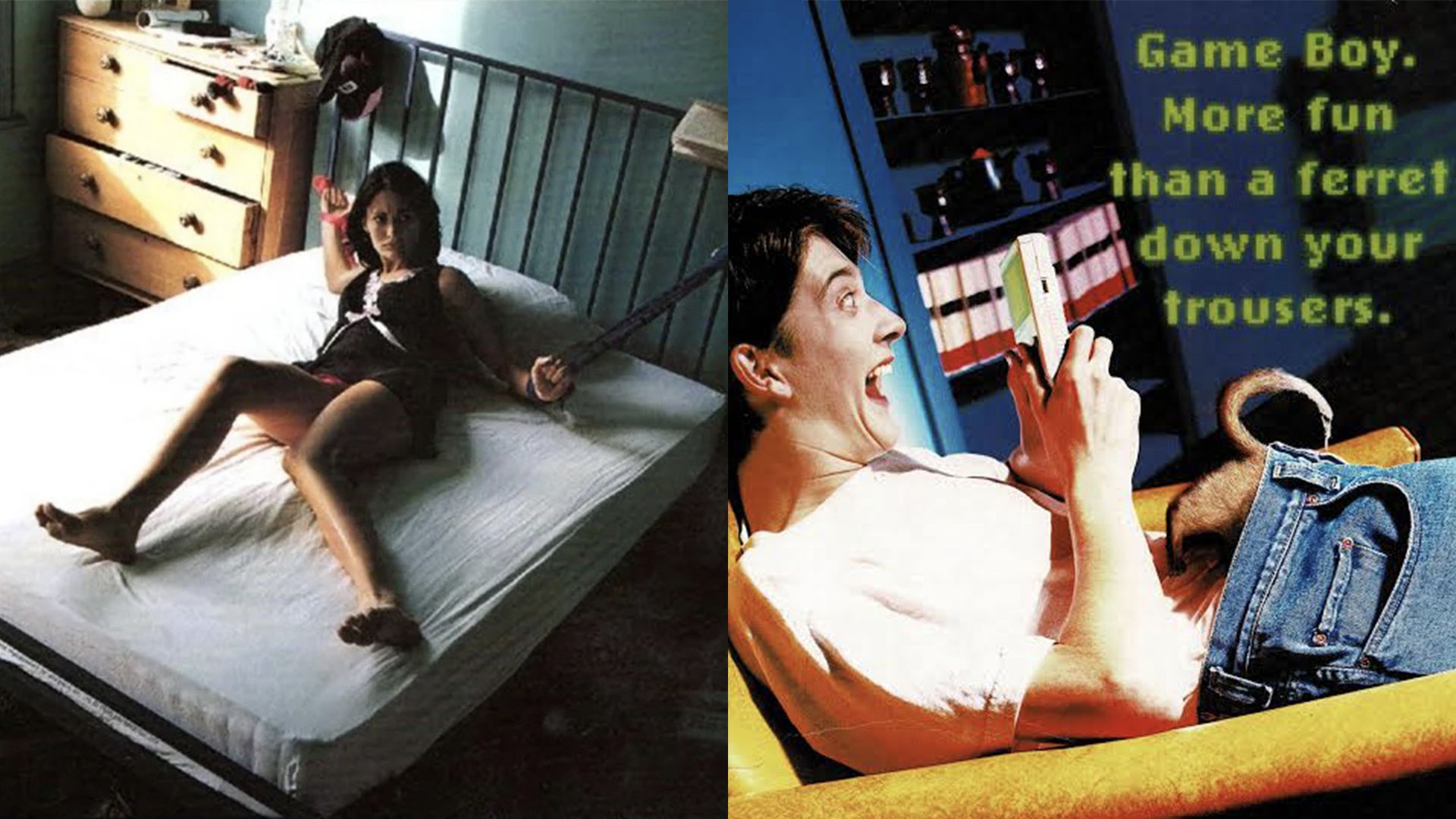
Perhaps the most striking and controversial example of this ’90s advertising approach comes from a 1997 print ad. This particular advertisement featured a woman clad in lingerie, bound to a bed. The accompanying tagline read: "The new Game Boy pocket: seriously distracting." The implication, however thinly veiled, was that a romantic partner had become so engrossed in playing a Game Boy title – perhaps the ubiquitous Tetris – that they had completely neglected their companion, leaving her tied up and forgotten. The message, while attempting to highlight the addictive nature of the Game Boy, treaded a fine line between playful innuendo and outright objectification.
This advertisement, conceptualized by the advertising agency Leo Burnett, was not without its consequences. It swiftly drew the ire of the Advertising Standards Authority (ASA) in the UK, leading to its eventual withdrawal. Even within the more liberal advertising climate of 1997, the ad was widely considered to be in poor taste and potentially offensive. When questioned about the ad’s placement in magazines like FHM and Loaded, Crispin Reed, an account director at Leo Burnett, defended the campaign’s context. He argued that the advertisement was entirely in keeping with the editorial content of the publications in which it appeared, suggesting that the magazines themselves often featured content that went further than Nintendo’s advertisement. This defense highlights the complex relationship between advertising and editorial content in the ’90s, where brands often sought to align themselves with the perceived "coolness" and adult-oriented nature of their target media outlets.
Beyond the Controversial: A Pattern of Provocation
While the lingerie ad was the most notorious and the only one to be officially pulled, it was by no means an isolated incident. A closer examination of other Game Boy advertisements from the period reveals a clear pattern of Nintendo experimenting with a new, more provocative brand voice. These ads often employed a tone that felt incongruous with the company’s core values and its traditional audience.
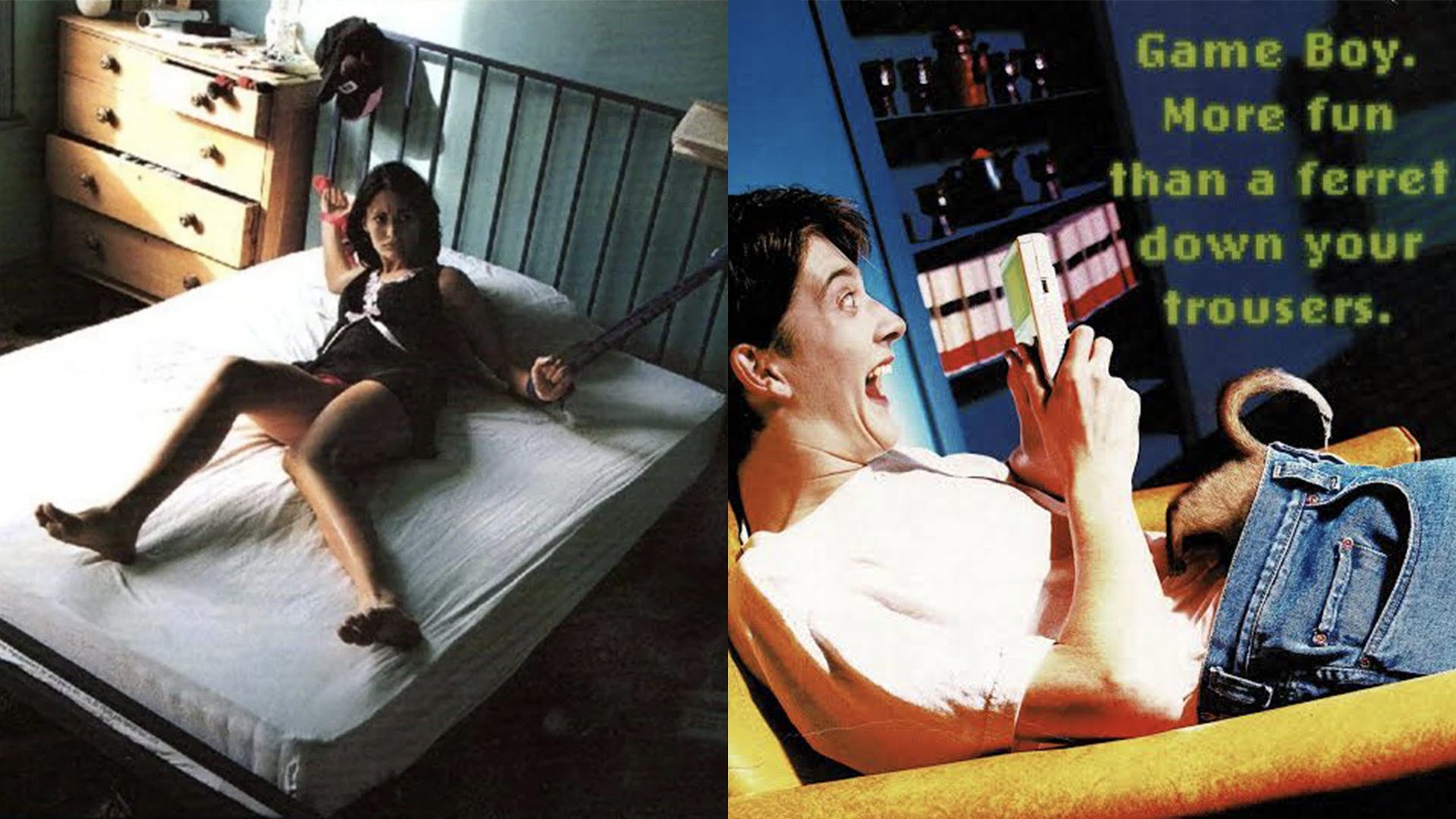
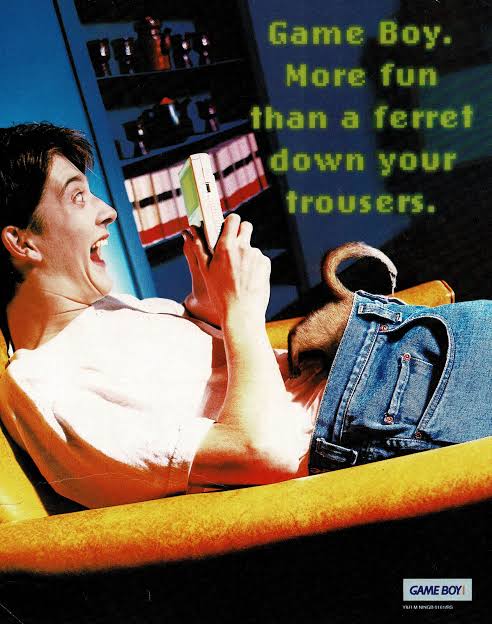
One common theme was the juxtaposition of the Game Boy’s seemingly innocent games with more adult-oriented scenarios or imagery. Advertisements might feature outlandish scenarios, such as starving dogs or, more bizarrely, ferrets being used in a manner that evoked crude humor. The intention seemed to be to inject an element of surprise and shock value, aiming to capture the attention of a demographic that might otherwise have overlooked a portable gaming device. The thought process behind some of these concepts, like the ferret ad, remains a subject of speculation, hinting at a creative freedom – or perhaps recklessness – that characterized the era.
This shift in advertising strategy can be understood within the broader context of the burgeoning console wars of the late ’90s. The PlayStation, launched by Sony, was actively targeting a more mature audience, embracing genres like survival horror and first-person shooters, and aligning itself with rave culture and electronic music. Nintendo, with its historically family-friendly image, likely felt the pressure to broaden its appeal and compete for the attention of a demographic that was increasingly seeking more mature entertainment experiences. However, the question remained: was this edgy, adult-oriented approach the right fit for a brand built on accessible, imaginative gameplay?
The Mismatch: PlayStation’s Edge vs. Game Boy’s Innocence
The contrast between Nintendo’s Game Boy advertising and Sony’s PlayStation marketing is particularly stark. While PlayStation explicitly courted clubbers and rave enthusiasts with campaigns for titles like WipEout, which celebrated electronic music and futuristic aesthetics, the Game Boy’s attempts at edginess felt somewhat misplaced. The question arises: what were the "edgy, adult games" being advertised for the Game Boy? Titles like Kirby’s Dream Land, with its cheerful protagonist and whimsical world, seemed fundamentally at odds with the provocative imagery used in its advertising.

This disconnect suggests a strategic misstep. Nintendo’s attempts to emulate the edginess of competitors like Sony may have been a response to market pressures rather than an authentic reflection of its brand identity or its product offerings. The Game Boy, at its core, was a platform that offered accessible, portable fun for a wide range of ages. Its strength lay in its simplicity and its ability to entertain on the go. Trying to position it as something it was not – a device for a more jaded, adult audience – may have been a marketing gamble that ultimately didn’t pay off in terms of brand consistency.
The Legacy of a Bygone Era
Looking back, these ’90s Game Boy advertisements serve as a potent reminder of how advertising reflects and shapes cultural norms. The "lads mag" culture, with its blend of humor, sport, and often problematic attitudes towards women, was a significant force in ’90s media. Nintendo’s foray into this space, however brief and ultimately controversial, demonstrates the extent to which brands were willing to adapt their messaging to resonate with prevailing cultural trends.
The campaigns, with their often outlandish and provocative imagery, now stand as relics of a less politically correct and perhaps more brazen age. The notion of a brand like Nintendo, now a global icon of family entertainment, engaging in such marketing tactics is almost unfathomable in today’s highly scrutinized and socially conscious media landscape. The ASA’s intervention in the lingerie ad case, even in 1997, signals that even then, there were boundaries that some deemed too far to cross.
Ultimately, the legacy of Nintendo’s ’90s Game Boy ads is one of experimentation and a stark illustration of how a brand’s marketing can diverge from its core identity. While they may have aimed to inject an element of adult appeal, they also highlight the potential pitfalls of adopting a persona that doesn’t align with the product or the brand’s fundamental values. Today, Nintendo continues to thrive by embracing its strengths – innovation, creativity, and inclusive, engaging gameplay – a testament to the fact that authenticity, in the long run, often trumps transient trends. These ’90s advertisements, however, remain a curious and provocative footnote in the company’s storied history, a reminder of a time when gaming and advertising dared to be different, for better or for worse.