The Paradox of Aging: Cultivating Growth in the Twilight Years
The human journey from birth to old age is a profound testament to consciousness, marked by the dual achievements of perceptual awareness and subjective experience. Yet, as the years advance, a common challenge emerges: the tendency to withdraw psychologically, clinging to the familiar past rather than embracing the dynamic present. This article explores the intricate dance between aging and growth, drawing on personal anecdotes, philosophical insights, and the growing understanding of how maintaining mental and physical vitality can redefine the aging process, transforming it from a passive decline into an active continuation of self-discovery.
The Dual Nature of Human Experience and the Aging Dilemma
At its core, human consciousness operates on two fundamental levels: the objective and the subjective. The objective realm, perceived through our five senses, allows us to engage with the tangible realities of our surroundings – the sights, sounds, smells, tastes, and textures that populate our daily lives. This is the bedrock of our interaction with the external world, a constant stream of data that informs our understanding of existence.
Complementing this, the subjective realm, orchestrated by the intricate workings of our mind and brain, imbues these perceptions with meaning. It is here that feelings, thoughts, and evaluations converge, creating the rich tapestry of our inner lives. This subjective experience transforms raw sensory input into a personal narrative, shaping our emotional responses, our interpretations of events, and ultimately, our sense of self.
The process of growing up and growing old are inextricably linked to the development and evolution of these two facets of consciousness. Childhood and adolescence are periods of intense learning and adaptation, where both objective perception and subjective interpretation are rapidly expanding. We learn to navigate the physical world with increasing skill and develop a complex emotional and cognitive landscape.
However, as the aging process takes hold, a subtle yet significant shift can occur. While many older individuals diligently strive to maintain the sharpness of their sensory perception – a common practice involving keeping the senses alert and engaged with the external world – a parallel tendency can emerge: a psychological withdrawal from the ever-changing currents of daily life. This is not a universal phenomenon, but it is a discernible pattern.
The Allure of the Past: A Retreat from Mental Rigidity
The allure of the past for some aging individuals stems from its perceived stability and familiarity. The mental frameworks, values, and emotional responses established over decades offer a comforting predictability. In contrast, the contemporary world, with its rapid technological advancements, evolving social norms, and shifting cultural landscapes, can present a formidable challenge. Adapting to these changes requires a willingness to question long-held beliefs, re-evaluate established perspectives, and even modify deeply ingrained emotional patterns. This mental recalibration can be arduous, often met with a resistance that borders on irritation. The very act of re-thinking and re-feeling established mindsets can feel disruptive, a departure from the comforting certainty of what has always been known.
This tendency to retreat into the familiar can be understood as a form of cognitive and emotional conservatism. The mind, having built a robust architecture of understanding, finds it more efficient to operate within its existing parameters rather than undertaking the demanding work of deconstruction and reconstruction. The effort involved in adapting to new mental attitudes and emotional responses can seem disproportionate to the perceived benefit, especially when the past offers a readily accessible reservoir of meaning and comfort.
The Unseen Erosion: The Impact of Withdrawal on the Will to Live
The profound implication of this psychological withdrawal is a subtle, often unconscious, weakening of the will to live. By diminishing the expanding range of consciousness that is a natural part of life’s ongoing processes, and by retreating from new challenges, individuals may inadvertently diminish their engagement with existence itself. Nature, in its grand design, often imbues aging with a routine that encourages a certain contemplative stillness. However, when this stillness devolves into a disengagement from the dynamism of life, the vital spark that fuels our drive and purpose can begin to dim.
The adage, "Keep the Body in motion, and the Mind in action," serves as a potent reminder of the interconnectedness of physical and mental vitality. This aphorism encapsulates the essence of sustained growth, suggesting that the secret to a fulfilling later life lies not in passively growing old, but in actively continuing to "grow up" – to remain engaged, curious, and adaptive. This involves a conscious effort to bridge the gap between the objective world and our subjective experience, ensuring that both remain vibrant and responsive.
A Coffee House Encounter: The Stark Reality of Resignation
The author’s personal reflections are punctuated by a poignant encounter in a local coffee house. Engaging in conversation with an elderly gentleman, the author was met with a stark articulation of resignation. At 75 years of age, the man declared he had ceased contemplating his daily existence. The past held little allure, and the future seemed devoid of purpose. "I was just growing old, coasting to the end," he stated, a sentiment that resonated with a profound sense of surrender.
This encounter highlights a critical juncture in the aging process. For some, the accumulation of years can lead to a feeling of having "arrived," or perhaps, more accurately, having "finished." The perceived futility of further engagement can lead to a passive acceptance of decline, a relinquishing of the active pursuit of meaning. The author, sensing the deep-seated nature of this man’s perspective, recognized the futility of immediate argumentation. His own life experience, characterized by a persistent intellectual and emotional curiosity, stood in stark contrast.
The Enduring Quest: Consciousness as a Lifelong Pursuit
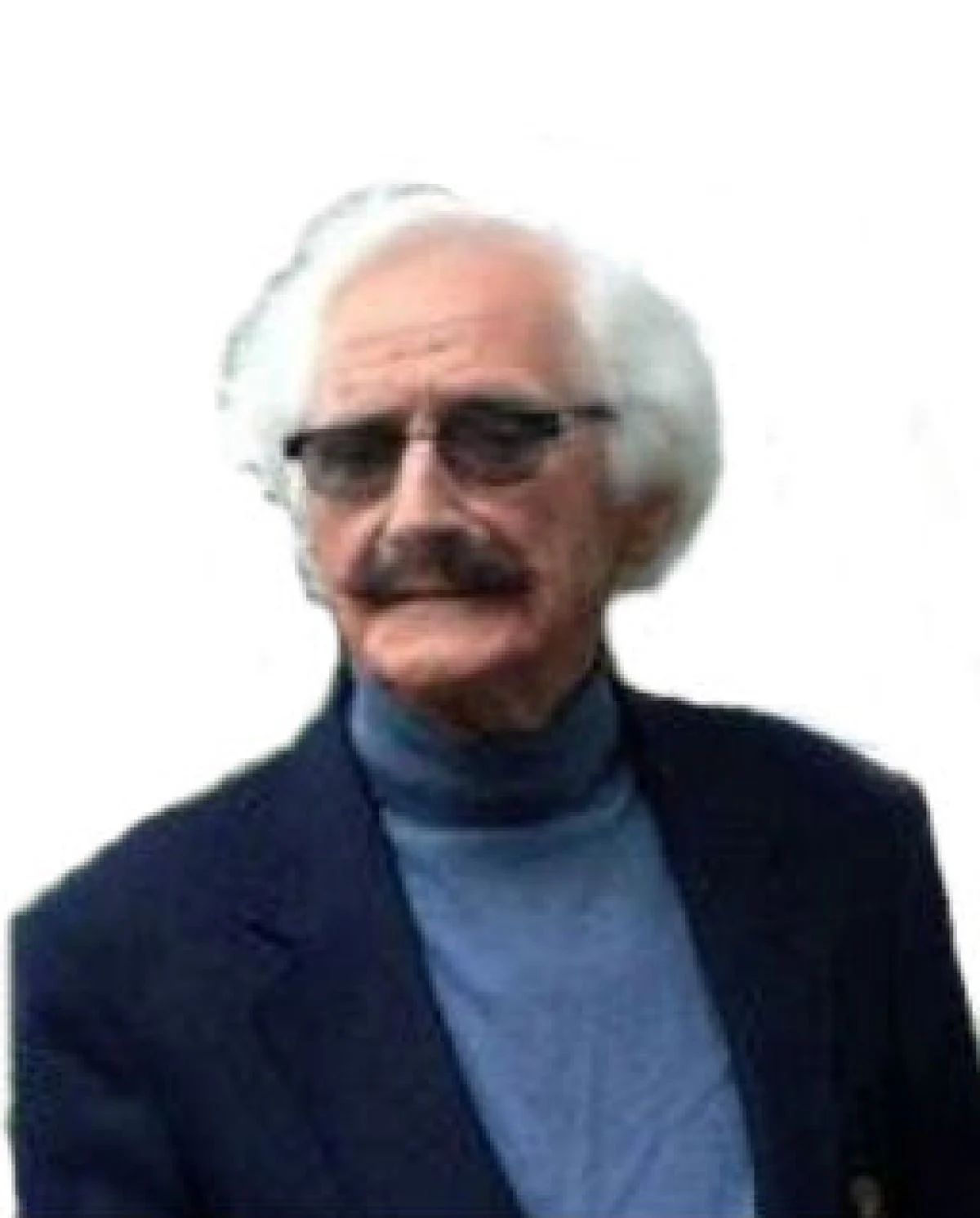
The author’s personal journey, marked by a 94th birthday, offers a powerful counterpoint to the resigned perspective. At this advanced age, the author continues to actively engage with life, eschewing the passive comfort of the armchair for a life of continued exploration and inquiry. This active engagement, the author posits, intensifies the mind’s quest for understanding and propels the body to remain active.
The central tenet of this active aging is the persistent question: "Why and wherefore, to what end?" This existential inquiry, far from diminishing with age, is seen as intensifying. It is through grappling with these fundamental questions that consciousness continues to "grow up." This is not merely a matter of intellectual pursuit; it is a psychological and emotional imperative. The mental overview of life, the author observes, continues to evolve, and the intensity of these questions, while perhaps less frequent and less intense in earlier years, remains a driving force.
This perspective challenges the notion that aging inevitably leads to a cessation of growth. Instead, it suggests that with intentional effort, aging can be a period of profound personal development, a continuous unfolding of understanding and self-awareness. The key lies in maintaining a dynamic relationship with both the external world and one’s internal landscape.
Philosophical Echoes: Ancient Wisdom on the Nature of Old Age
The profound nature of aging and the pursuit of growth have long been subjects of philosophical contemplation. Two powerful quotations, separated by millennia, offer striking insights into this enduring human concern.
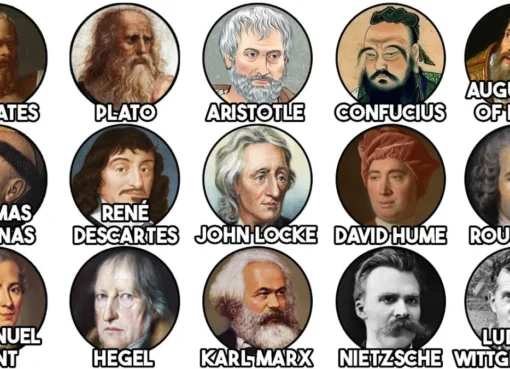
Plato, the ancient Greek philosopher, described old age as possessing "a great sense of calm and freedom." He posited that when the "passions have relaxed their hold, you have escaped not from one master, but from many." This perspective emphasizes the liberation that can accompany aging, a shedding of the intense desires and emotional turbulence that often characterize youth and middle age. It suggests a potential for inner peace and a detachment from the incessant demands of worldly pursuits.
Conversely, Oscar Wilde, the witty Irish playwright, offered a more paradoxical and perhaps more poignant observation: "The tragedy of old age is not that one is old, but that one is young." This statement challenges the conventional understanding of aging. Wilde suggests that the true tragedy lies not in the physical decline associated with old age, but in the persistence of a youthful spirit, a desire for novelty and engagement, that finds itself constrained by the realities of an aging body and a society that often marginalizes its elders. It implies a sense of being out of sync, a youthful consciousness trapped within an aging vessel, unable to fully participate in the world it once navigated with ease.
These contrasting perspectives highlight the multifaceted nature of the aging experience. Plato speaks of a potential for serene detachment and wisdom, while Wilde points to a potential for internal conflict and unfulfilled longing. The author’s own narrative suggests a third path: one of continued engagement and active growth, where the freedom Plato describes is not a passive release but an active empowerment, and where the "youthfulness" Wilde laments is channeled into an enduring curiosity and a vibrant engagement with life.
The Framework for Continued Growth: Key Principles and Supporting Data
The journey from passive aging to active growth is not an accident of fate; it is a cultivated state, supported by a growing body of evidence and a set of discernible principles.
H2: The Pillars of Active Aging
1. Maintaining Perceptual Acuity: The initial article emphasizes the importance of keeping the senses alert. This translates into actively engaging with the world through sight, sound, taste, smell, and touch. This could involve exploring new environments, appreciating art and music, engaging in culinary experiences, and nurturing sensory awareness in everyday activities. Research in neuroscience suggests that sensory stimulation plays a crucial role in maintaining neural pathways and cognitive function.
2. Cultivating Subjective Engagement: This involves the deliberate practice of reflection, critical thinking, and emotional processing. It means actively questioning one’s own beliefs and assumptions, engaging with new ideas, and fostering meaningful emotional connections. The ability to find meaning in perceived happenings, as described in the initial text, is paramount. This can be achieved through journaling, engaging in discussions, seeking out diverse perspectives, and practicing mindfulness. Psychological studies consistently demonstrate that individuals who maintain a strong sense of purpose and engage in cognitively stimulating activities experience better mental health and a higher quality of life in later years.
3. Embracing Novelty and Challenge: The tendency to retreat into the familiar is a significant barrier to growth. Actively seeking out new experiences, learning new skills, and confronting challenges, even small ones, can stimulate the brain and foster a sense of accomplishment. This could involve taking up a new hobby, learning a language, volunteering, or engaging in intellectually stimulating games. The concept of neuroplasticity – the brain’s ability to reorganize itself by forming new neural connections throughout life – underscores the importance of novel experiences in maintaining cognitive vitality.
4. Prioritizing Physical Well-being: The adage "Keep the Body in motion" is not merely a platitude. Regular physical activity has a profound impact on both physical and mental health. It improves circulation, which benefits the brain, reduces the risk of chronic diseases, and releases endorphins that boost mood. Studies have shown a strong correlation between physical fitness and cognitive function in older adults, including improved memory, attention, and executive function.
5. Fostering Social Connections: Meaningful social interactions are vital for psychological well-being. They provide a sense of belonging, reduce feelings of isolation, and offer opportunities for emotional support and intellectual stimulation. Engaging with friends, family, and community groups can combat the psychological withdrawal that can accompany aging. Research on social isolation in older adults consistently links it to increased risks of depression, cognitive decline, and mortality.
H3: Supporting Data and Research Insights
- Cognitive Reserve: The concept of cognitive reserve, developed by researchers like Yaakov Stern, suggests that engaging in mentally stimulating activities throughout life can build a resilience in the brain, allowing individuals to better cope with age-related changes and brain pathology.
- The "Use It or Lose It" Principle: This widely accepted principle in neuroscience highlights the importance of actively using our cognitive abilities to maintain them. The more we challenge our brains, the stronger and more adaptable they become.
- The Link Between Physical Activity and Brain Health: Numerous studies have demonstrated that aerobic exercise, strength training, and even moderate physical activity can enhance brain structure and function, improving areas like the hippocampus, which is crucial for memory.
- The Role of Purpose in Longevity: Research by Laura Carstensen and others on the socioemotional selectivity theory suggests that as people age, they become more focused on goals related to emotional well-being and social connection, leading to a greater emphasis on meaningful relationships and a sense of purpose.
Official Responses and Societal Shifts
While the initial article is a personal reflection, the principles it espouses are increasingly being recognized and addressed by various institutions and societal initiatives.
H2: Adapting to an Aging World: Policy and Programmatic Responses
Governments, healthcare organizations, and community groups worldwide are increasingly acknowledging the need to support active and engaged aging. This is driven by a confluence of factors: the demographic shift towards an older population, the recognition of the immense value and experience older adults bring to society, and the understanding that promoting healthy aging can reduce healthcare burdens and enhance overall societal well-being.
1. Public Health Initiatives: Many public health bodies are promoting programs that encourage physical activity, healthy eating, and social engagement among older adults. These initiatives often include community-based exercise classes, health education workshops, and resources for accessing social support networks.
2. Lifelong Learning Programs: Educational institutions are increasingly offering courses and programs tailored to older adults, recognizing their desire to continue learning and intellectual stimulation. These programs often focus on subjects of interest to seniors, such as history, arts, technology, and personal development.
3. Age-Friendly Communities: The concept of "age-friendly cities" and communities, championed by organizations like the World Health Organization (WHO), aims to create environments that are supportive of older adults’ needs and encourage their active participation. This includes aspects like accessible transportation, safe public spaces, and opportunities for social inclusion.
4. Intergenerational Programs: Efforts to foster connections between different age groups are gaining traction. These programs, such as mentorship schemes or shared community projects, can break down age-related stereotypes and create mutually beneficial relationships, enriching the lives of both younger and older participants.
5. Healthcare System Adaptations: Healthcare providers are beginning to shift their focus from merely treating illness to promoting wellness and preventing decline in older adults. This includes offering preventative screenings, personalized health plans, and support for managing chronic conditions in ways that allow for continued independence and engagement.
H3: The Role of Technology
Technology is also playing an increasingly significant role in supporting active aging. Wearable devices can monitor health and activity levels, online platforms facilitate social connections and access to information, and assistive technologies can help older adults maintain independence in their homes. While the initial article predates the widespread adoption of some of these technologies, the underlying principles of engagement and stimulation remain relevant.
Implications for the Future: Redefining the Arc of Life
The implications of embracing active aging, as advocated in the initial reflection and supported by modern understanding, are profound and far-reaching. It suggests a fundamental redefinition of the human life course, moving away from a linear trajectory of growth followed by decline, towards a more cyclical and continuous process of development.
H2: A Paradigm Shift in Understanding Aging
1. Extended Periods of Meaningful Contribution: By remaining physically and mentally engaged, older adults can continue to contribute to society in meaningful ways. This can include sharing their accumulated wisdom, mentoring younger generations, participating in volunteer work, and even engaging in new entrepreneurial ventures. This shifts the societal perception of older adults from a dependent demographic to a valuable resource.
2. Enhanced Quality of Life: For individuals, active aging leads to a significantly improved quality of life. It fosters a sense of purpose, autonomy, and well-being, reducing the likelihood of loneliness, depression, and cognitive impairment. The "calm and freedom" Plato spoke of can be an active and empowered state, not a passive resignation.
3. Reduced Healthcare Costs: A healthier, more engaged older population places less strain on healthcare systems. By focusing on prevention and maintaining functional independence, the incidence of chronic diseases and the need for intensive medical interventions can be reduced.
4. A More Inclusive Society: Embracing active aging fosters a more inclusive society that values and integrates individuals of all ages. It challenges ageist stereotypes and promotes a culture of respect and intergenerational understanding.
5. A Personal Transformation: Ultimately, the most significant implication is for the individual. The choice to continue "growing up" rather than passively "growing old" offers the potential for a deeply fulfilling and purpose-driven existence, even in the face of physical changes. It allows individuals to continue exploring the "Why and wherefore, to what end?" of their lives, maintaining a vibrant consciousness until the very end.
The paradox of aging, as explored in this article, lies in the potential for both decline and continued growth. While the challenges of maintaining perceptual and subjective engagement are real, the rewards of actively pursuing them are immense. By drawing on personal experience, philosophical wisdom, and a growing body of scientific evidence, we can cultivate a future where the twilight years are not a period of withdrawal, but a vibrant chapter of continued learning, contribution, and profound self-discovery. The conversation initiated in the coffee house, though seemingly brief, encapsulates a vital societal challenge: to ensure that the journey of aging is not one of passive coasting, but an active, conscious, and fulfilling continuation of the human experience.