Bramblefort: A Masterclass in Merging Soulslike Architecture with Survival Horror in Virtual Reality
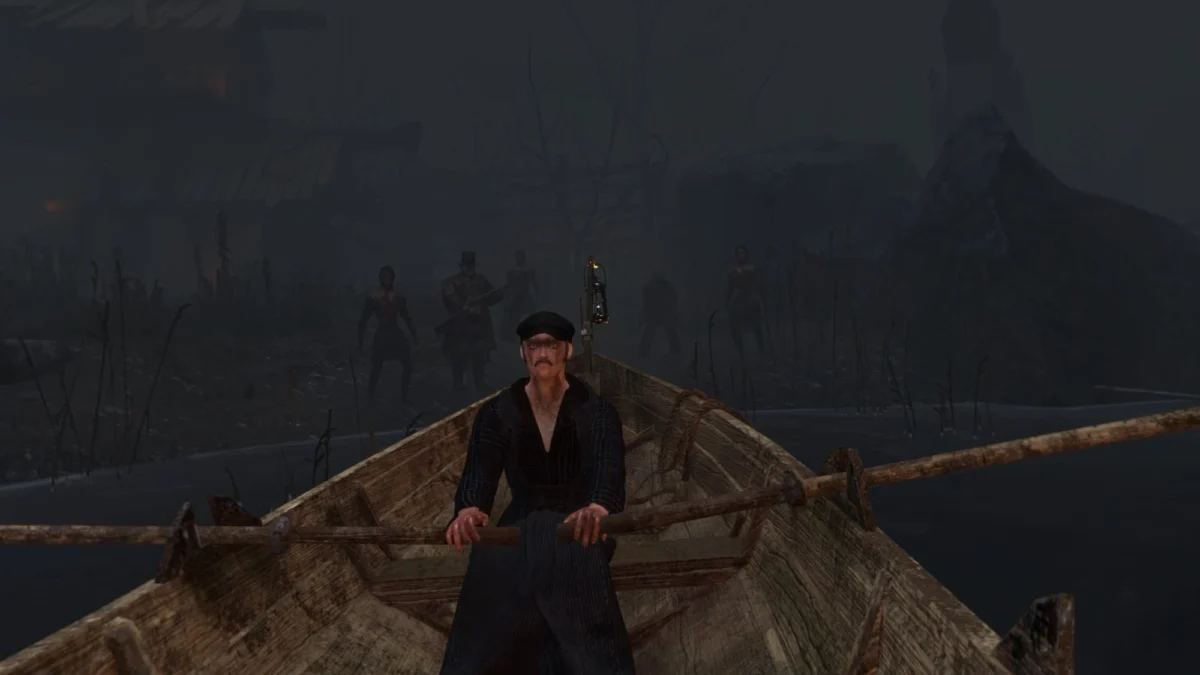
The landscape of virtual reality (VR) gaming has long been defined by its ability to amplify the visceral nature of established genres. While horror has found a natural, almost symbiotic home in VR due to the medium’s inherent sense of presence and scale, the "Soulslike"—a genre defined by the works of FromSoftware—has remained a notoriously difficult beast to tame. Nailing the precision of melee combat and the intricate, looping level design required for a successful Soulslike is a challenge that many developers have attempted with varying degrees of success.
Enter Bramblefort, a new title from developer and publisher False Member. Currently featured as a standout demo during the Steam Next Fest, Bramblefort attempts a daring synthesis: the oppressive, resource-managed tension of survival horror fused with the vertical, interconnected world-building of a Soulslike. The result is a haunting, 1920s-inspired nightmare that suggests a significant leap forward for atmospheric VR action.
I. Main Facts: The Bramblefort Dossier
Before delving into the psychological and mechanical depths of the game, it is essential to establish the foundational details of the project as it stands during the Steam Next Fest window.
- Bramblefort (Demo)
- Developer/Publisher: False Member
- Platform: PC VR (Available via Steam)
- Release Window: The demo is available through the duration of Steam Next Fest (concluding June 22nd); the full release date remains unconfirmed.
- Genre: VR Survival Horror / Soulslike Action-RPG
- Setting: A mysterious, fog-shrouded island in the North Atlantic during the 1920s.
- Price: Free (Demo version)
The demo is a surprisingly robust offering, providing approximately two hours of gameplay—a generous length for a pre-release glimpse. It showcases a variety of environments, from subterranean prisons to Victorian estates, and establishes a mechanical foundation that prioritizes physical interaction and environmental storytelling.
II. Chronology of the Experience: From Intelligence Briefing to Abyssal Descent
The narrative arc of the Bramblefort demo is structured to transition the player from a grounded, historical reality into a surreal, macabre landscape.
The 1920s Prelude
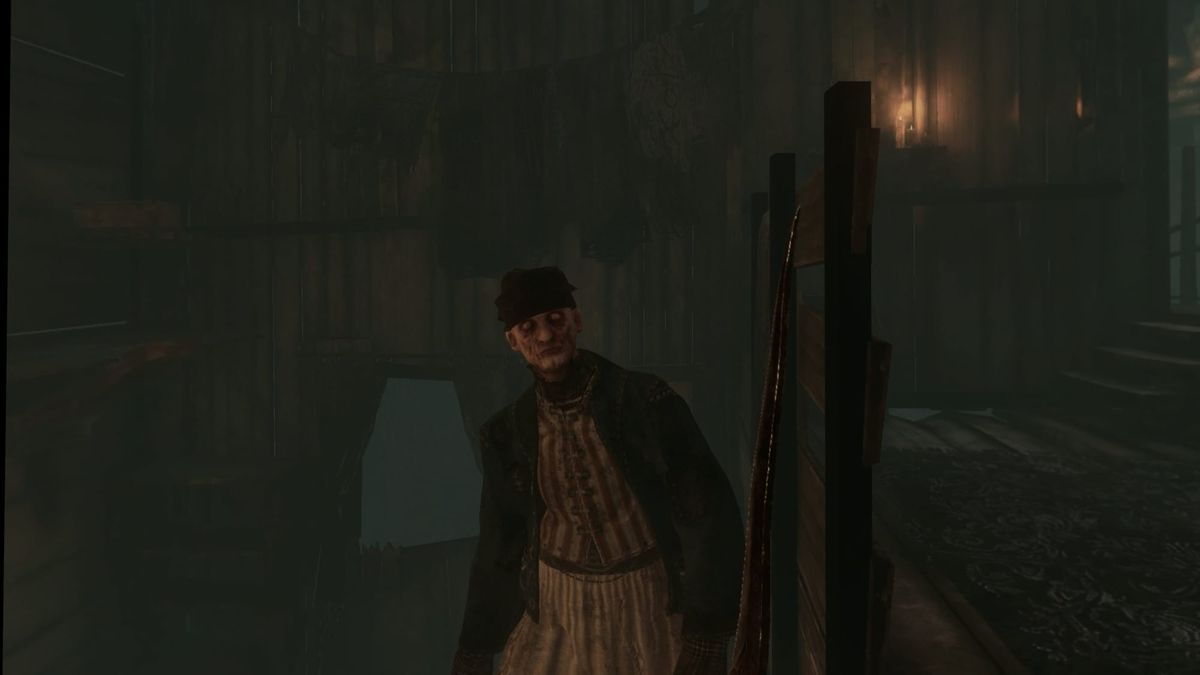
The experience begins not in the thick of combat, but in a meticulously atmospheric main menu set within a dilapidated cabin. Here, the player is confronted by the silent, decomposing forms of three zombies—a stark warning of the gore to follow. Upon starting the game, the player finds themselves in a 1920s movie theater. This serves as the narrative "briefing room," where a flickering silent film, presented by an undisclosed intelligence agency, details the mission.
The player takes on the role of a field operative sent to Bramblefort, an isolated island in the North Atlantic. Intelligence reports suggest "strange occurrences" but project "low resistance"—a classic survival horror setup that immediately establishes a sense of dramatic irony.
The Tutorial and Infiltration
The tutorial is lean and functional, focusing on the tactile "VR-first" mechanics. Players learn to manage their inventory by physically placing items over their shoulders and are taught the manual operation of a 1920s-era revolver. However, the "low resistance" promised in the briefing evaporates almost instantly upon arrival.
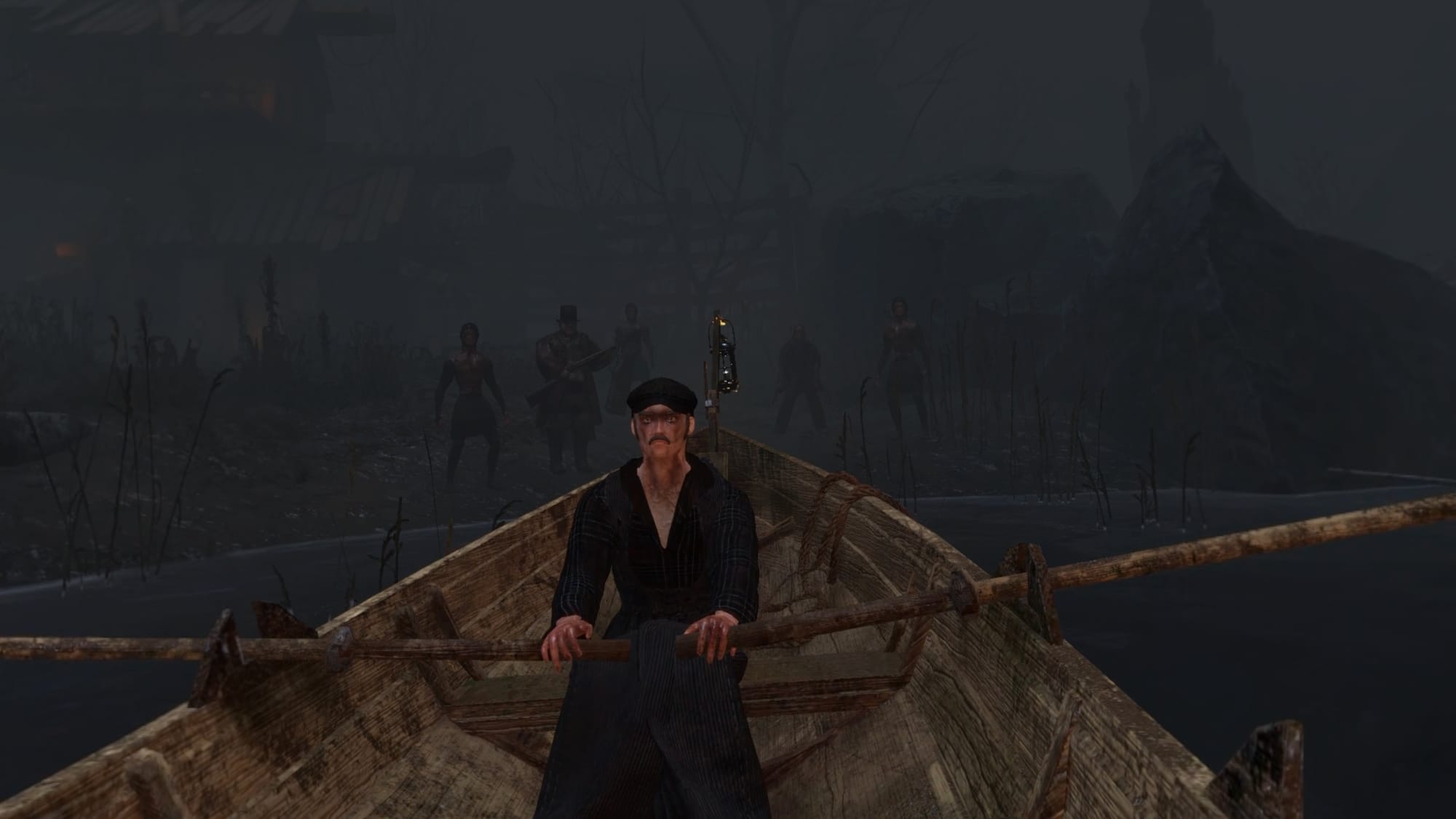
The transition from the cinematic opening to gameplay is punctuated by a sudden burst of violence. As the player approaches the island via canoe, their guide’s head is summarily removed by an unseen force. This moment serves as the game’s tonal anchor: Bramblefort is unapologetically gory, using its stylized graphics to depict gruesome outcomes without veering into the "uncanny valley" trauma of hyper-realistic titles.
The Soulslike Awakening
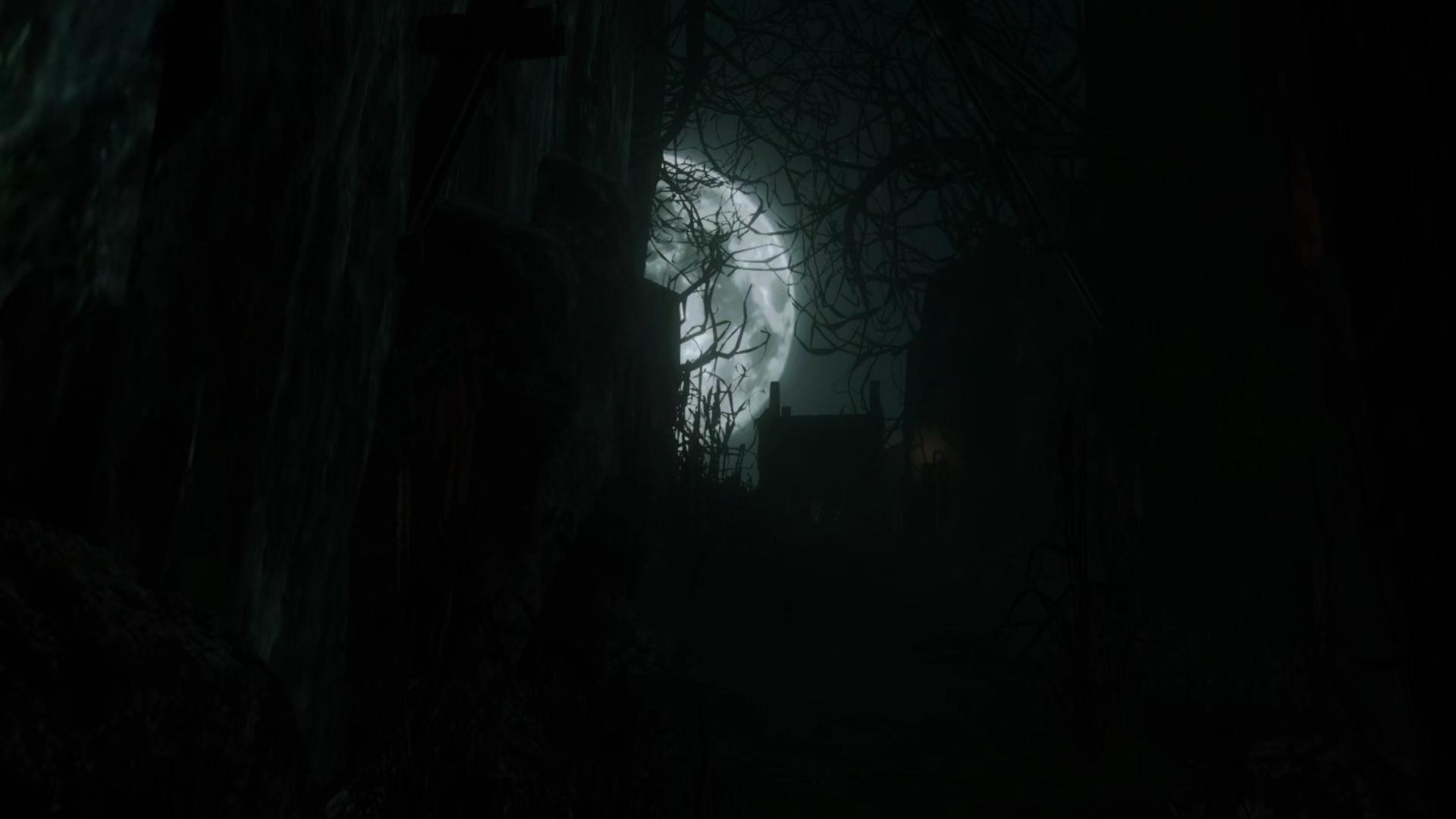
After being kidnapped and waking up in a prison cell, the game’s true nature reveals itself. The player is no longer a high-tech operative but a desperate survivor in a medieval-style dungeon. This is where the Soulslike elements—specifically those reminiscent of Bloodborne—take center stage. The level design shifts from linear paths to a vertical, labyrinthine structure. To escape the jail, the player must navigate ledges, climb through pipes, and drop into combat zones, using only the crudest of tools—knives, hammers, and cleavers—to dispatch the "shambling corpses" that haunt the corridors.
III. Supporting Data: Mechanics, Technical Specifications, and Level Design
To understand why Bramblefort is resonating with the VR community, one must look at the data provided by the demo’s mechanical systems and technical performance.
Combat and Arsenal
The combat in Bramblefort is a tale of two halves. The melee combat, while functional, has been described by early players as slightly "flimsy"—a common hurdle in VR where the lack of haptic resistance can make swordplay feel weightless. However, the game compensates for this with its ranged combat and tactile interactions.
- Weaponry: The demo progresses from simple knives and cleavers to more powerful tools of destruction, including a revolver, a shotgun, and explosives.
- Tactile Reloading: Unlike "press a button to reload" shooters, Bramblefort requires the player to physically load shells into the shotgun and gesture to lock the chamber. This adds a layer of frantic tension during combat encounters.
- Inventory Management: The pause menu is integrated into the world as a giant, rusty wheel that the player must interact with to swap gear, reinforcing the "Made for VR" philosophy.
The FromSoftware Influence: Level Design
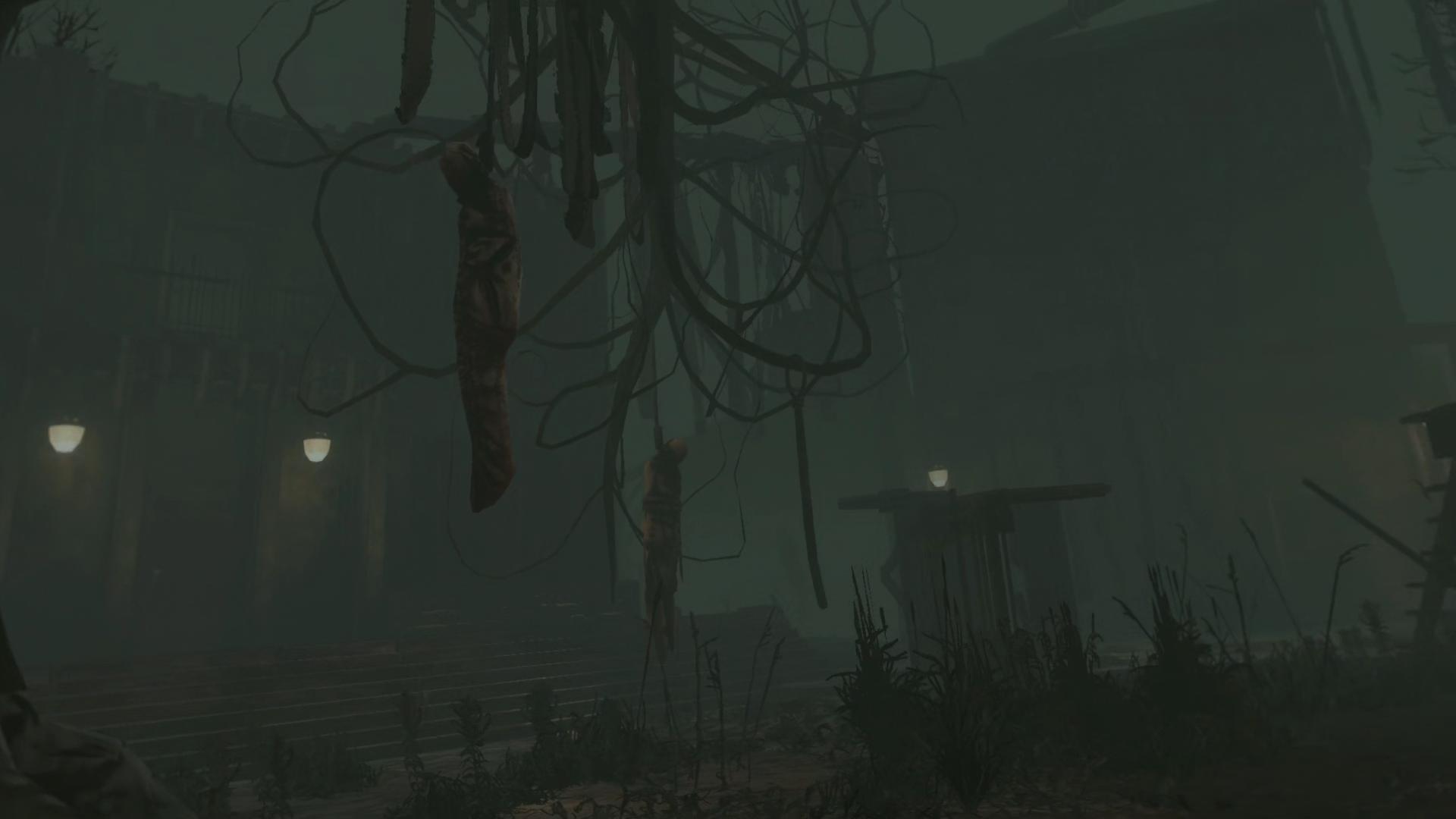
The most impressive "data point" of the Bramblefort demo is its level design. Drawing clear inspiration from the Dark Souls and Bloodborne series, the game utilizes a "four-way entry" philosophy. A single door or objective can often be approached through multiple avenues:
- Stealth/Climbing: Navigating through pipes or over rooftops.
- Platforming: Jumping across dilapidated Victorian architecture.
- Exploration: Locating hidden keys in the environment.
- Combat: Shooting through the main entrance.
This non-linearity is rare in VR, where many developers opt for "corridor" experiences to manage performance and player comfort.
Technical Performance and Comfort
The demo was tested on a high-mid-range setup, providing a baseline for what players can expect.
- Test Specs: AMD Ryzen 7 250 w/ Radeon 780M, 24 GB DDR5 RAM, and an Nvidia GeForce RTX 5060 (8 GB GDDR7).
- VR Interface: Conducted via Meta Quest 3 using the Steam Link app.
- Findings: The game maintained stable performance with no significant frame drops, even in the more complex "bathhouse" and "marshland" environments.
- Comfort Settings: Currently, the demo is somewhat limited in its accessibility options. It offers snap rotation and continuous movement but lacks a comprehensive settings menu for those prone to motion sickness—a point of note for the final release.
IV. Official Responses: Design Philosophy and Developer Intent
While False Member has kept a relatively low profile during development, the Bramblefort demo itself acts as a manifesto for their design philosophy. By placing the player in a 1920s theater and then thrusting them into a medieval prison, the developer is signaling a subversion of expectations.
The "Official Intelligence Agency" framing suggests a narrative layer that goes beyond simple monster-slaying. It hints at a world where modern (1920s) technology is failing against an ancient, eldritch threat. This thematic "clash of eras" is mirrored in the gameplay, where the player’s modern training is rendered useless, forcing them to adopt the brutal, close-quarters tactics of a Soulslike protagonist.
Community feedback during Steam Next Fest has largely praised the "atmosphere-first" approach. Players have noted that the game feels like a spiritual successor to Resident Evil 4 VR in its combat pacing, but with the architectural DNA of Bloodborne. The developer’s decision to release a two-hour demo suggests a high level of confidence in the game’s "loop" and its ability to hook players through environmental mystery rather than just jump scares.
V. Implications: The Future of "Hardcore" VR
The emergence of Bramblefort carries several implications for the broader VR industry and the genres it inhabits.
1. The Maturity of VR Level Design
For years, VR games were criticized for being "tech demos" or overly simplified experiences. Bramblefort joins titles like Grimlord and Into the Radius in proving that complex, interconnected world-building—the hallmark of high-end PC/Console gaming—is not only possible but superior in VR. The ability to look around a corner or physically reach for a ledge changes the way "Soulslike" verticality is perceived.
2. The Evolution of Survival Horror
Survival horror in VR is often synonymous with "jumpscares." Bramblefort shifts the focus toward environmental oppression. The gore is not just for shock value; it establishes the stakes. By making the world feel dangerous through its architecture and enemy placement, the game creates a sustained sense of dread that is more effective than scripted scares.
3. Steam Next Fest as a VR Kingmaker
The success of the Bramblefort demo highlights the increasing importance of Steam Next Fest for VR developers. Without the massive marketing budgets of Meta-funded exclusives, indie VR titles must rely on these demo windows to build "wishlist" momentum. If Bramblefort can iron out the "flimsy" feel of its melee combat before launch, it has the potential to become a foundational title in the "VR-Soulslike" subgenre.
4. Hardware Demands and Accessibility
As VR games become more ambitious in their level design and physics, the barrier for entry remains the hardware. While the Bramblefort demo ran well on an RTX 5060, the lack of comfort settings in the current build serves as a reminder that "hardcore" VR experiences still have work to do in terms of broad accessibility.
Conclusion
Bramblefort is a grim, ambitious, and deeply atmospheric foray into a genre-blend that few have dared to attempt. By grounding its supernatural horror in the intricate, rewarding structures of a Soulslike, False Member has created something that feels both familiar and revolutionary. As the demo window closes on June 22nd, all eyes will be on the developer to see if they can translate this encouraging glimpse into a polished, full-scale masterpiece. For fans of Bloodborne, Resident Evil, and the immersive power of VR, Bramblefort is a name to remember.