Taking Flight in the World of Cozy Games: An In-Depth Preview of Balloons of Paradise
The independent gaming landscape has undergone a significant transformation over the last decade, shifting away from high-octane, adrenaline-fueled experiences toward what is now colloquially known as the "cozy game" genre. Joining this burgeoning movement is Balloons of Paradise, a whimsical and therapeutic exploration title developed by Space Lion Studios. Following an impressive showing at the Pocket Gamer Connects event in Barcelona, the game has captured the attention of critics and players alike for its unique blend of low-stakes navigation, coming-of-age narrative, and community-focused gameplay.
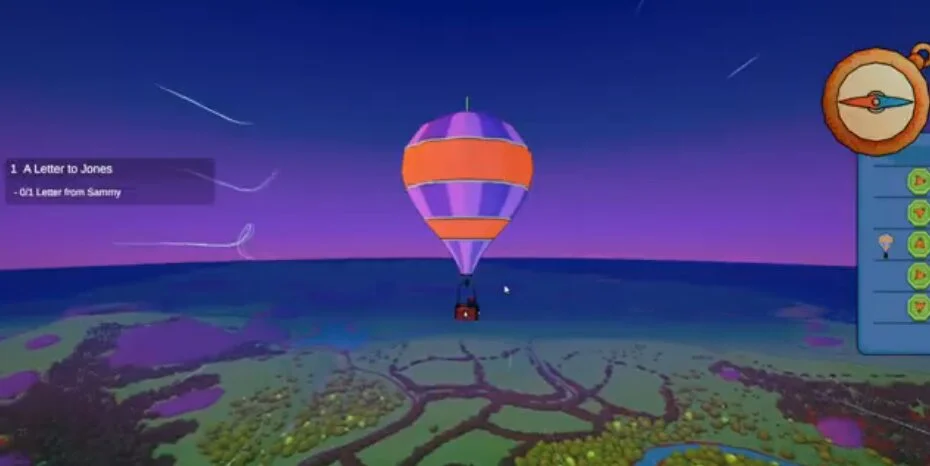
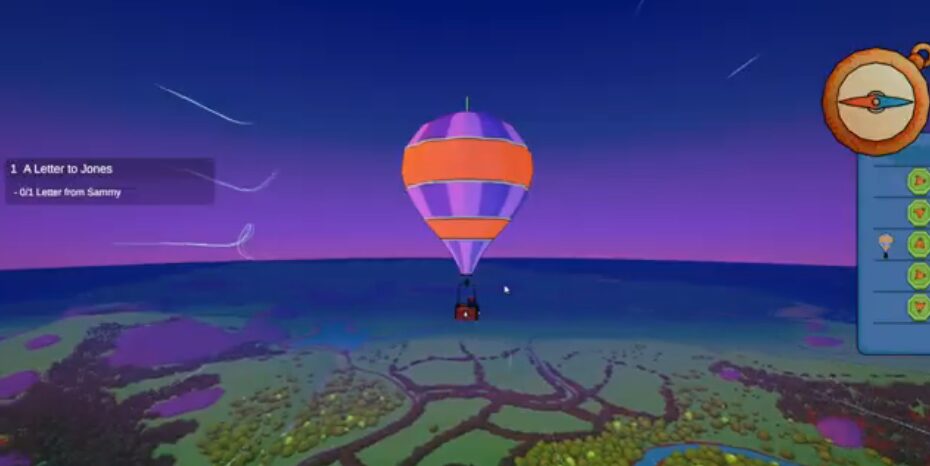
In Balloons of Paradise, players step into the flippers of a young penguin who has finally reached a major milestone in their society: the age of responsibility. In this world, that responsibility manifests as the privilege of piloting a hot air balloon. However, this is more than just a leisure activity; it serves as a vehicle for altruism, as the protagonist travels across diverse landscapes to assist a colorful cast of NPCs.
Main Facts: The Core Pillars of Balloons of Paradise
At its heart, Balloons of Paradise is built upon three fundamental pillars: exploration, social interaction, and environmental navigation. Unlike traditional flight simulators that prioritize speed and technical precision, this title emphasizes the "journey over the destination," encouraging players to soak in the atmosphere and engage with the world’s inhabitants.
A Narrative of Helpful Intent
The game’s protagonist is a penguin whose transition into adulthood is marked by the acquisition of a hot air balloon. While the flight itself is a reward, the "excuse" to take to the skies is the necessity of helping others. This narrative framework creates a gameplay loop centered on kindness. Whether it is delivering a lost item or assisting with a local job, the player’s primary motivation is the betterment of the community.
The NPC Ecosystem
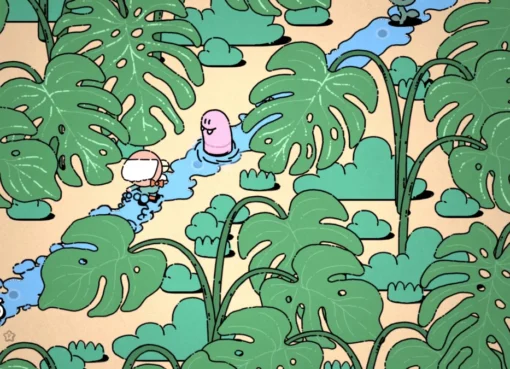
The world is populated by various creatures, each possessing distinct personalities and challenges. A standout feature of the game’s charm is the absurdity and vulnerability of its characters. For instance, players may encounter snowmen who, being devoid of legs, require assistance with tasks that a mobile penguin finds trivial, such as moving an object just a few feet away. These interactions are often rewarded with cosmetic items, such as hats, allowing for a degree of character customization that reinforces the game’s lighthearted tone.
Innovative Flight Mechanics
Perhaps the most distinctive element of Balloons of Paradise is its approach to movement. Eschewing standard joystick-based propulsion, the game utilizes a wind-current system. Players must adjust their altitude—rising or falling within the sky—to catch specific air currents that propel the balloon in the desired horizontal direction. This mechanic requires patience and observation, aligning perfectly with the "relaxing" ethos of the project.
Chronology: From Concept to Barcelona Showcase
The development of Balloons of Paradise by Space Lion Studios has followed a deliberate path of iteration, focusing on the refinement of its core mechanics before expanding its scope.
- Conceptualization and Early Development: Space Lion Studios set out to create a title that prioritized mental well-being and "cozy" aesthetics. The decision to use a penguin—a bird traditionally unable to fly—as a hot air balloon pilot served as a poetic metaphor for overcoming limitations.
- The Prototype Phase: Early builds focused on the interaction between the player and the environment. It was during this phase that the "wind current" navigation system was established. The developers experimented with how to make a slow-moving vehicle feel engaging without causing frustration.
- The PGC Barcelona Showcase: In 2024, an early build of the game was presented at Pocket Gamer Connects Barcelona. This event served as a critical litmus test for the game. Industry professionals and attendees were able to experience the verticality of the navigation system firsthand. It was here that the developers revealed they were actively improving the balloon’s responsiveness based on early tester feedback.
- Current Status: Following the Barcelona event, the studio has returned to active development. While a definitive release date remains unannounced, the feedback from the showcase is being used to polish the "slow and steady" progress of the flight mechanics, ensuring that the final product balances relaxation with player agency.
Supporting Data: The Mechanics of Relaxation
To understand why Balloons of Paradise is generating buzz, one must look at the data and design philosophy behind the "cozy" movement. Market research in the gaming industry has shown a 20% year-over-year increase in the demand for non-violent, "wholesome" games since 2020. This trend is driven by a demographic that uses gaming as a tool for stress management rather than competition.
Physics-Based Navigation vs. Direct Control
The "wind current" mechanic in Balloons of Paradise is a sophisticated choice. In many indie titles, movement is a simple A-to-B transaction. By introducing wind currents, Space Lion Studios introduces a "soft challenge."
- Verticality as Strategy: Players must monitor their altitude gauge constantly.
- Environmental Awareness: The sky is not an empty void; it is a map of invisible paths.
- The Pacing Metric: Initial playtests suggested that while the "slow and steady" pace was relaxing for many, a subset of players desired more "micro-tasks" during flight. This data led the developers to consider adding more interactive elements within the balloon basket itself.
The Reward Economy
The game’s reward system is intentionally non-utilitarian. By rewarding players with hats rather than power-ups or currency that increases "strength," the game avoids the "power creep" common in RPGs. This keeps the focus on the social and aesthetic experience. The inclusion of cosmetic rewards has been shown in similar titles (like Animal Crossing) to increase long-term player retention by fostering a sense of personal identity within the game world.
Official Responses: Insights from Space Lion Studios
During the Pocket Gamer Connects Barcelona event, representatives from Space Lion Studios provided insights into their design philosophy and the challenges of creating a game that intentionally slows the player down.
The developers acknowledged that the flight mechanics are a "work in progress." In a statement regarding the build shown in Spain, they explained that the goal was to create a "tactile" relationship between the player and the atmosphere. "We want the player to feel the wind, not just see it," the developer noted. They addressed the common critique that the movement might feel too slow by clarifying that they are implementing "minor tweaks" to the balloon’s sensitivity. These improvements aim to ensure that while the game remains relaxing, the player never feels like they have lost control or are simply waiting for a timer to expire.
Furthermore, the studio emphasized the importance of the NPC interactions. They stated that the goal was to create a world that felt "kind but not empty." Every creature, from the legless snowmen to other arctic inhabitants, is designed to elicit empathy. The studio’s website continues to be the primary hub for updates, where they have reiterated their commitment to a "polished, stress-free experience" over a rushed release.
Implications: The Future of Wholesome Gaming
The development of Balloons of Paradise has broader implications for the indie gaming industry and the evolution of the "cozy" genre.
Redefining Challenge
For decades, "challenge" in gaming was synonymous with difficulty—faster reflexes, harder enemies, and tighter timing. Balloons of Paradise implies a shift toward "mindful challenge." The difficulty lies not in surviving an encounter, but in mastering the patience required to navigate a wind-driven world. This could pave the way for other developers to explore physics-based movement as a form of meditation.
Accessibility and Inclusivity
The game’s mechanics—simple controls focused on up-and-down movement—make it highly accessible to non-traditional gamers. By removing the "fail state" (there is no indication that you can "crash" or "die" in the traditional sense), Space Lion Studios is lowering the barrier to entry. This inclusivity is vital for the continued growth of the gaming market, reaching audiences who might be intimidated by more complex control schemes.
The "Slow Gaming" Movement
Much like the "Slow Food" movement, Balloons of Paradise champions the idea that digital experiences should be savored. In an era of "battle passes" and "daily login rewards" designed to exploit FOMO (Fear Of Missing Out), a game that asks you to wait for a wind current is a radical departure. If successful, Balloons of Paradise could signal to other indie developers that there is a sustainable market for games that respect the player’s peace of mind as much as their time.
Conclusion: A Horizon of Potential
While Balloons of Paradise currently lacks a firm release date, its trajectory is promising. By focusing on a niche yet passionate audience, Space Lion Studios is carving out a space for a game that is as much about the kindness of its characters as it is about the physics of its flight.
The transition from a young penguin to a responsible pilot serves as a charming metaphor for the studio’s own journey—taking a simple concept and lifting it into the air through careful iteration and community feedback. As the industry looks toward the next wave of indie hits, Balloons of Paradise stands as a testament to the power of a gentle breeze and a helpful heart. For those looking to escape the noise of the modern world, this little penguin’s hot air balloon may provide the perfect vessel for a much-needed getaway.