The Evolution of Visual Storytelling: Concept Art World Chronicles the Intersection of Imagination and Industry
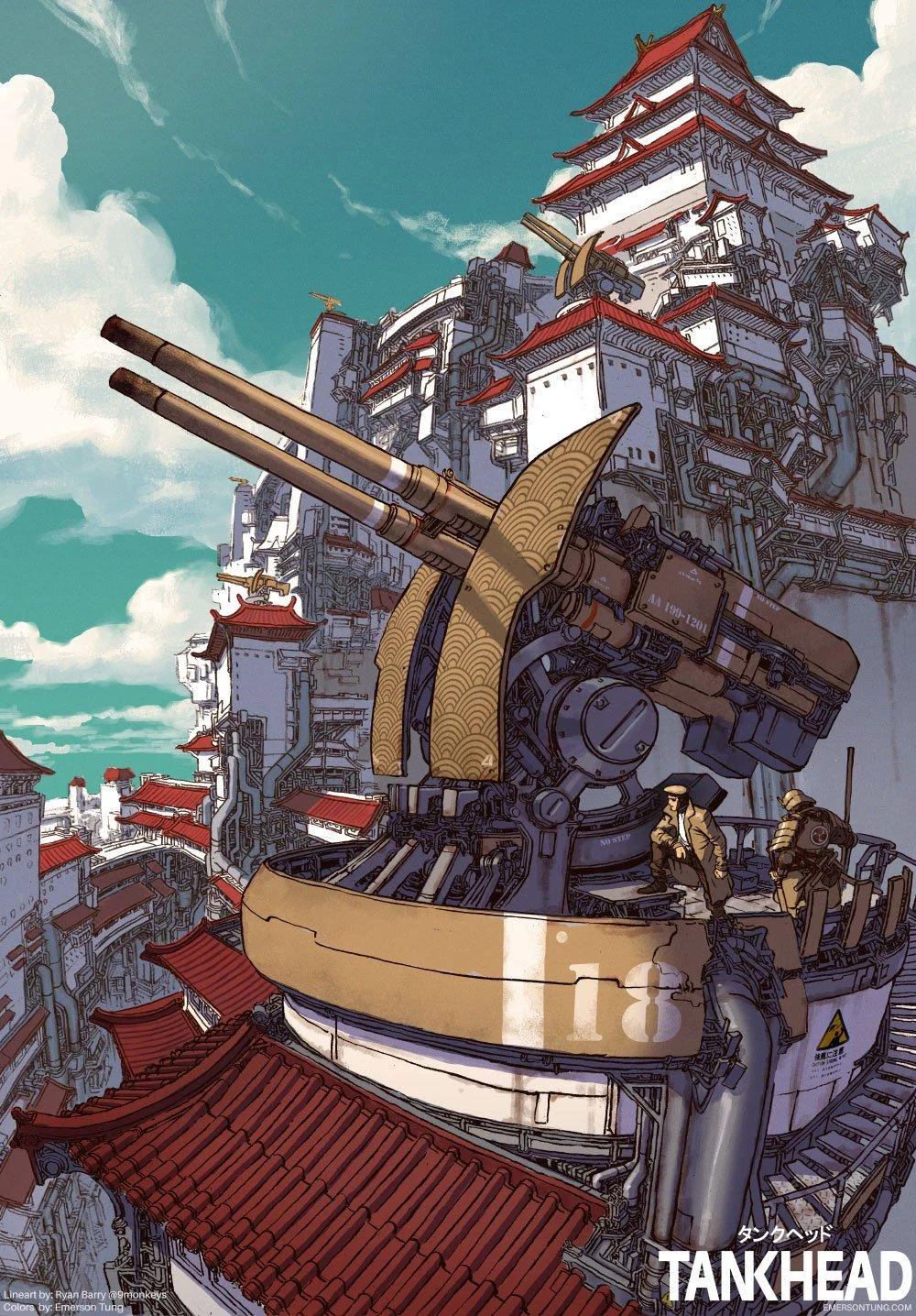
In the rapidly evolving landscape of global entertainment, the bridge between a writer’s script and a director’s final frame is built by concept artists. These visual architects define the aesthetic DNA of our most beloved films, video games, and animated series. Recently, Concept Art World (CAW), a premier digital resource for the visual development community, has spotlighted a diverse array of talent and thematic explorations that underscore the depth and necessity of this craft. From the whimsical illustrations of Júlia Sardà to the rugged, immersive world-building of Ray Lederer for The Elder Scrolls V: Skyrim, the latest showcases at CAW offer a panoramic view of the industry’s current state and its future trajectory.
Main Facts: The Pillars of Modern Concept Art
Concept Art World serves not merely as a gallery, but as a critical archive for an industry that often operates behind the scenes. The latest updates from the platform highlight four distinct pillars of visual development:
- Individual Artist Spotlights: The featured profiles of Júlia Sardà and Chris J. Anderson showcase the duality of the field. Sardà represents the "stylized" end of the spectrum, where character and narrative are conveyed through unique color palettes and distorted proportions. Anderson, conversely, represents the technical and industrial side of concept art, where functionality and structure are paramount.
- Legacy World-Building: A retrospective on Ray Lederer’s work for The Elder Scrolls V: Skyrim reminds the industry of the longevity of high-quality concept art. Even a decade after a game’s release, the foundational sketches continue to inspire new generations of artists and modders.
- Thematic Collections: The curation of "Sailing Ship Concept Art and Illustrations" illustrates how historical research and fantasy elements merge to create believable environments, a staple requirement in high-budget RPGs and cinematic period pieces.
- Intellectual Property Protection: In a significant move reflecting current industry anxieties, Concept Art World has officially prohibited the training of Artificial Intelligence (AI) systems using the content hosted on its platform, asserting a firm stance on artists’ rights.
Chronology: From Sketchbooks to Digital Dominance
The history of concept art is a journey from the margins of production to the center of marketing and creative identity.
In the early decades of cinema, "concept art" was often synonymous with production design sketches—rough blueprints for set builders. However, the 1970s and 80s, spearheaded by the work of Ralph McQuarrie for Star Wars, shifted the paradigm. Concept art became a tool for "pitching" a vision to studios, proving that a fantastical world could be realized visually.
By the early 2000s, the rise of digital painting software like Adobe Photoshop and Corel Painter revolutionized the speed at which these visions could be produced. This era saw the emergence of artists like Ray Lederer. When Bethesda Game Studios began development on Skyrim in the late 2000s, the role of the concept artist had expanded. They were no longer just drawing characters; they were anthropologists of fictional cultures, designing everything from the architecture of ancient ruins to the embroidery on a peasant’s tunic.
Today, platforms like Concept Art World represent the latest stage in this chronology: the democratization and public celebration of the craft. What was once hidden in "The Art of…" books tucked away in studio archives is now a global conversation, accessible to aspiring artists in real-time.
Supporting Data: The Impact of Visual Development
The significance of the artists featured by CAW can be quantified through their impact on the global entertainment market, which is projected to exceed $2.5 trillion by 2025.
- The Skyrim Legacy: Ray Lederer’s work contributed to a title that has sold over 60 million copies. The visual consistency he helped establish is cited by critics as a primary reason for the game’s "immersion factor," a metric that directly correlates with long-term player retention.
- The Stylistic Shift: The inclusion of Júlia Sardà highlights a growing trend in the animation industry. As audiences experience "CGI fatigue," there is a measurable shift toward stylized, 2D-influenced aesthetics (as seen in films like Spider-Man: Into the Spider-Verse). Sardà’s work, which blends classical illustration with modern digital techniques, sits at the heart of this movement.
- Educational Reach: Concept Art World reports that its tutorials and artist spotlights are utilized by creative professionals across major studios, including Disney, Marvel, Ubisoft, and Riot Games. This indicates that CAW is not just a fan site, but a foundational pillar of the industry’s professional development ecosystem.
Official Responses: Navigating the AI Frontier
Perhaps the most pressing "news" within the Concept Art World update is the explicit legal and ethical stance regarding Artificial Intelligence. The platform’s updated policy states:
"All images are © by the artist(s) or their respective copyright holders. Any training of AI systems using this content is strictly prohibited."
This response comes at a time of intense friction between the creative community and tech companies. Many artists argue that generative AI models are built on the "scraping" of their intellectual property without compensation or consent.
By implementing this prohibition, Concept Art World is positioning itself as a "safe harbor" for human creativity. This move has been met with widespread support from the professional community. Industry veterans argue that while AI can generate "content," it lacks the intentionality and narrative depth found in the works of artists like Chris J. Anderson or the historical accuracy required for the "Sailing Ship" collection. CAW’s stance serves as a formal rejection of the commodification of art by algorithmic processes.
Implications: The Future of the Creative Professional
The curated content on Concept Art World points toward several major implications for the future of the entertainment industry:
1. The Rise of the "Auteur" Concept Artist
Artists like Júlia Sardà are no longer anonymous cogs in a studio machine. They are becoming brands in their own right. Studios now hire specific artists for their "signature look," rather than asking an artist to mimic a generic house style. This elevates the concept artist to a level of prestige previously reserved for directors and lead actors.
2. The Value of Historical and Technical Literacy
The "Sailing Ship" feature underscores that concept art is not just about "cool drawings." It requires deep research. To design a believable fantasy ship, an artist must understand buoyancy, rigging, and naval history. The implication is that the next generation of artists must be polymaths—combining traditional art skills with history, architecture, and engineering.
3. The Digital Archive as a Cultural Necessity
As physical media disappears, digital repositories like Concept Art World become the primary curators of our cultural heritage. The preservation of Ray Lederer’s Skyrim art ensures that the creative process behind one of the 21st century’s most influential pieces of media is not lost to bit rot or corporate restructuring.
4. Legal Precedents in the Digital Age
CAW’s anti-AI stance may be a precursor to broader industry standards. We are likely to see more platforms adopting "No-AI" metadata tags and legal frameworks. If successful, this could lead to a two-tiered market: one for mass-produced, AI-generated imagery and a premium market for "Human-Certified" visual development, where the work of artists like Chris J. Anderson is valued for its unique human insight.
Conclusion
Concept Art World’s latest updates serve as a testament to the enduring power of the human imagination. Whether it is through the gritty, snow-dusted landscapes of Skyrim or the intricate, soulful character designs of Júlia Sardà, the work of these artists continues to define our collective visual language.
As the industry grapples with technological disruption, the focus remains on the core mission: storytelling. By showcasing high-quality artwork and taking a stand for artist rights, CAW ensures that the "concept" remains just as important as the "art." In the coming years, the role of the concept artist will only become more vital as we demand deeper, more immersive, and more human-centric worlds to explore. For the creative professionals and aspiring artists who frequent Concept Art World, the message is clear: the future is hand-drawn, even if the tools are digital.