Breakdown in the Billion-Dollar Merger: California AG Accuses Paramount of Bad Faith as Tensions Mount
The high-stakes chess match surrounding the proposed $111 billion merger between Paramount and Warner Bros. Discovery (WBD) has taken a sharp, antagonistic turn. What was intended to be a series of diplomatic negotiations aimed at resolving a massive antitrust hurdle has instead devolved into a public war of words.
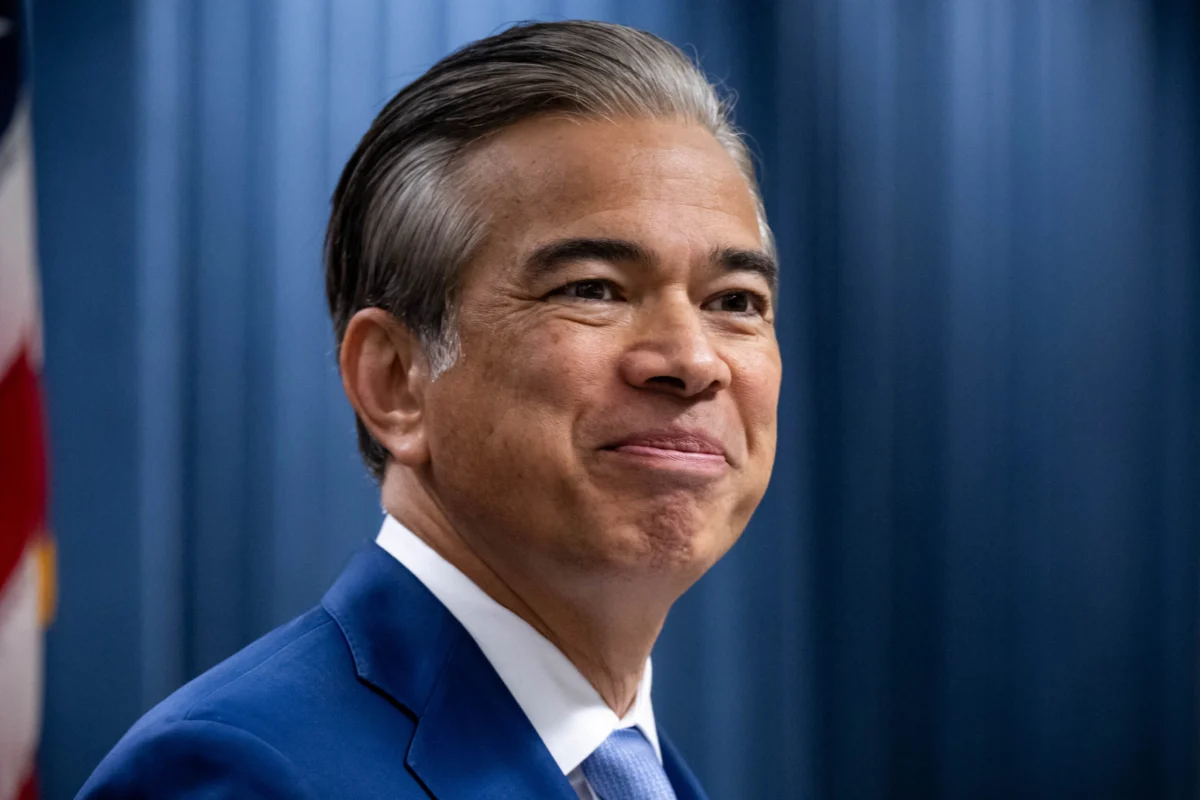
On Monday, California Attorney General Rob Bonta abruptly canceled a scheduled meeting with Paramount executives, citing a breach of trust and "bad faith" tactics. The move effectively halts—at least temporarily—the momentum toward a settlement that could have cleared the path for one of the largest media consolidations in history. As the clock ticks toward a multi-billion-dollar financial penalty for Paramount, the standoff highlights the deep divide between corporate ambition and regulatory oversight in the modern entertainment landscape.
Main Facts: A Settlement Derailed by Leaks and Misrepresentation
The immediate catalyst for the current friction was a Friday meeting between Attorney General Rob Bonta and Paramount’s leadership. While the meeting was intended to explore the possibility of a settlement to the 12-state antitrust lawsuit led by California, the aftermath proved disastrous for the relationship between the two parties.
Early Monday morning, reports surfaced via The New York Times that Bonta had scrapped a follow-up meeting scheduled for that day. The reason provided was a scathing indictment of Paramount’s conduct. Bonta accused the studio of leaking sensitive details of the Friday discussions to the press and, perhaps more critically, misrepresenting the nature of those talks to suggest a breakthrough was closer than it actually was.
“Not only did Paramount leak the alleged substance of settlement discussions, but they misrepresented these discussions, demonstrating a lack of good faith,” Bonta said in a formal statement. “As soon as Paramount stops playing games and engages sincerely, my office is happy to meet again.”
For Bonta, the integrity of the negotiation process is paramount. The Attorney General’s office had characterized the Friday meeting as "preliminary," with no guarantees of a resolution. Paramount’s alleged attempt to frame the talks as a "breakthrough" appears to have been a strategic move to project confidence to shareholders and the market—a move that backfired spectacularly by alienating the very regulator they need to appease.
Chronology: The Road to the $111 Billion Standoff
The path to this week’s breakdown has been paved with legal challenges and escalating financial pressure. To understand the gravity of the current situation, one must look at the timeline of the merger’s evolution:
The Initial Proposal and Antitrust Backlash (July 2026)
In mid-2026, Paramount and Warner Bros. Discovery announced their intent to merge in a deal valued at $111 billion. The proposal sent shockwaves through Hollywood, as it would combine two of the "Big Five" major film studios. In July, Bonta led a coalition of 12 states in filing an antitrust lawsuit to block the deal. The suit argued that the merger would "extinguish competition" and cause irreparable harm to movie theaters, cable distributors, and consumers.
The Trial Date Blow (August 2026)
Earlier this month, a judge dealt a significant blow to Paramount by setting a trial date for March 2027. Paramount had lobbied aggressively for a November 2026 trial date, hoping to resolve the legal uncertainty before a series of punishing financial clauses in the merger agreement kicked in. The judge’s decision to push the trial to spring 2027 increased the urgency for Paramount to find a settlement.

The "Ticking Fee" Countdown
A critical component of the merger agreement is the "ticking fee"—a penalty Paramount must pay to WBD shareholders for every day the deal remains unclosed past a certain deadline. Starting October 1, 2026, Paramount is set to pay a staggering $7 million per day. If the case goes to trial in March and drags through an appeals process, the fees could easily exceed $1 billion, significantly devaluing the deal for Paramount’s stakeholders.
The Failed Rapprochement (August 21–24, 2026)
Seeking to avoid the ticking fee, Paramount entered settlement talks with Bonta’s office last Friday. However, the subsequent leak and Bonta’s cancellation of the Monday meeting have now plunged the deal back into a state of high-uncertainty.
Supporting Data: The Economic and Industrial Stakes
The resistance to the Paramount-WBD merger is not merely ideological; it is rooted in data suggesting a profound impact on California’s economy and the broader entertainment infrastructure.
The Labor Impact
A recent economic impact report commissioned by Los Angeles County painted a grim picture of a post-merger reality. The study found that the consolidation of these two giants could result in the loss of 4,500 film and television production jobs in California alone. These losses would likely stem from the "synergies" often cited in mergers—essentially the elimination of redundant departments in marketing, distribution, and back-office operations, as well as an overall reduction in the number of greenlit projects.
The Wage Gap
Beyond the raw job numbers, the report estimated that $1.26 billion in annual wages are at risk. In an industry still recovering from the dual strikes of 2023 and the contraction of the "streaming wars," a loss of this magnitude could destabilize the Southern California middle-class creative economy.
The Theatrical Commitment
To combat the narrative that the merger would hurt theaters, Paramount has secured the support of major chains like AMC and Regal. They achieved this by putting into writing a commitment to release at least 30 films theatrically per year. While this satisfied theater owners who are desperate for a consistent pipeline of content, Bonta remains skeptical, noting that theatrical releases are only one facet of the antitrust concerns, which also include cable carriage fees and consumer pricing for streaming services.
Official Responses: A House Divided
The fallout from the canceled meeting has highlighted the differing priorities of California’s most powerful figures.
The Attorney General’s Office
Rob Bonta’s stance remains one of cautious protectionism. His office has emphasized that the merger isn’t just a business deal; it’s a potential market failure. Bonta has signaled that he will not be pressured by Paramount’s "ticking fee" timeline. His refusal to meet until Paramount "stops playing games" suggests he is willing to let the clock run out if it means securing a deal that protects workers and consumers.
The Governor’s Office
Governor Gavin Newsom finds himself in a difficult political position. While he typically aligns with labor interests, he is also keenly aware of the threat of corporate flight. Sources suggest Newsom has expressed a preference for a settlement, fearing that a protracted legal battle could drive Paramount to move its headquarters or significant operations out of state.

Paramount’s Aggressive Posture
Paramount has not been a passive participant in this legal drama. The studio has previously threatened to leave California, using its massive tax footprint as leverage. By allegedly leaking the details of the Friday meeting, Paramount appears to have been attempting a "public relations pincer movement"—trying to force Bonta’s hand by making a settlement seem inevitable to the public and the markets.
Implications: What Lies Ahead for Hollywood?
The breakdown of these talks has significant implications for the future of the media industry and the application of antitrust law in the 21st century.
1. The Financial Bleed
If a settlement is not reached by October 1, Paramount faces a financial hemorrhage. The $7 million daily fee is not just a line item; it is a drain on the company’s capital that could have been used for content creation or debt reduction. This pressure may eventually force Paramount to offer even larger concessions to Bonta, such as job guarantees or divestiture of certain assets (like specific cable networks or production facilities).
2. A Precedent for Future Mergers
The "Bonta vs. Paramount" saga is being watched closely by other media conglomerates. If Bonta successfully blocks or significantly alters this $111 billion deal, it will signal the end of the era of "unchecked consolidation" in Hollywood. It suggests that state-level regulators are becoming just as formidable as federal agencies like the FTC in shaping the corporate landscape.
3. The Fragility of the "New Hollywood"
The merger was sold as a way for two legacy giants to survive against the tech-led dominance of Netflix, Apple, and Amazon. However, the internal friction and the potential loss of 4,500 jobs suggest that the "cure" of consolidation might be as painful as the "disease" of competition.
4. The March Trial Looming
Unless Paramount can repair its relationship with the Attorney General’s office in the coming weeks, the industry must prepare for a landmark trial in March. A trial would expose the internal strategies of both studios to public record, a prospect that most executives loathe.
Conclusion
The cancellation of the Monday meeting is more than a scheduling hiccup; it is a sign of a fundamental breakdown in the "good faith" necessary to execute a deal of this magnitude. As Paramount balances the threat of a billion-dollar ticking fee against the demands of a resolute Attorney General, the future of Warner Bros. Discovery and Paramount remains in a state of high-stakes limbo. In the theater of corporate M&A, the current act is one of high tension, with no clear script for a happy ending in sight.