Precision and Pacing: Inside the Development of Payday: Aces High
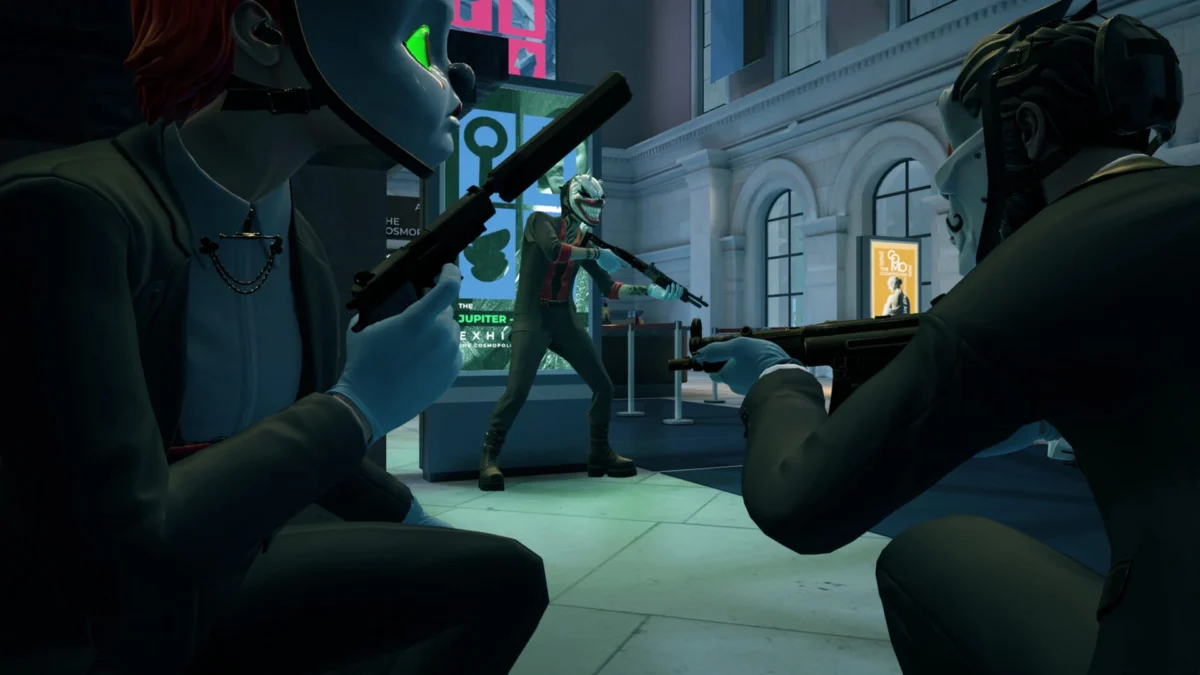
The virtual reality landscape is currently undergoing a transformative period where established intellectual properties are being reimagined for immersive hardware. Among the most anticipated of these transitions is Payday: Aces High, a co-op heist shooter that seeks to translate the adrenaline-pumping tension of the Payday franchise into a fully realized VR experience. Developed by Fast Travel Games—a studio that has built a reputation for high-quality VR titles like Vampire: The Masquerade – Justice—the upcoming title represents a significant technical and creative undertaking.
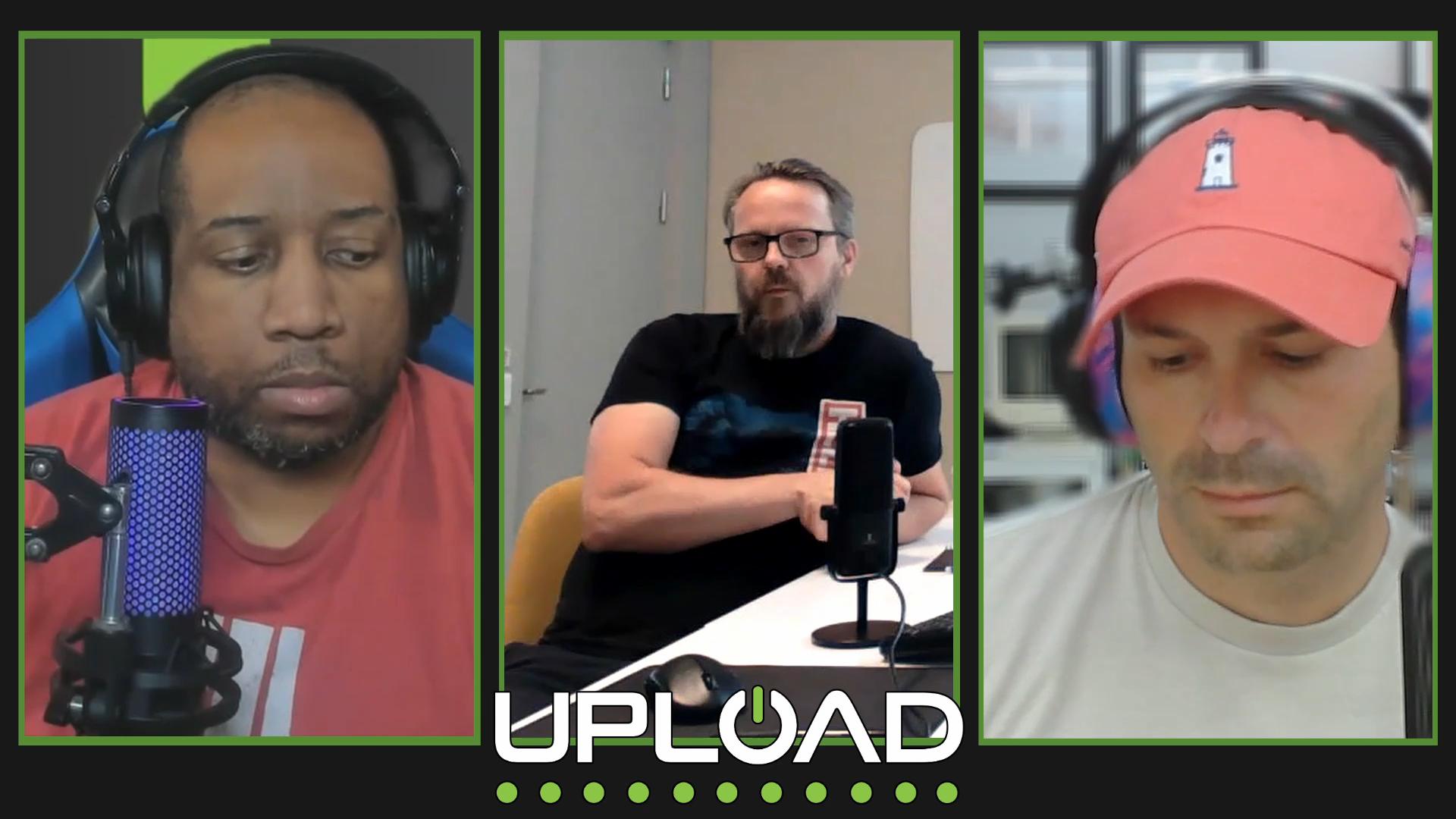
In a recent deep-dive interview on the UploadVR Gamescast, James Tocchio and his colleagues sat down with Erik Odeldahl, Chief Creative Officer at Fast Travel Games. The conversation, recorded shortly after a hands-on media session in August 2024, shed light on the rigorous design philosophies, the difficult technical trade-offs, and the unorthodox research methods that have shaped Payday: Aces High.
I. Main Facts: The Launch Blueprint
At its core, Payday: Aces High is designed to provide a robust co-op experience from day one. Odeldahl confirmed that the game will debut with a substantial content package intended to satisfy both veterans of the franchise and newcomers to VR.
Launch Content and Replayability
The game will launch with six distinct heists. While the number of maps is a critical metric, Odeldahl emphasized that the depth of each mission is where the true value lies. To facilitate longevity, the game includes five difficulty levels, allowing players to scale the challenge as they upgrade their gear and refine their tactics.
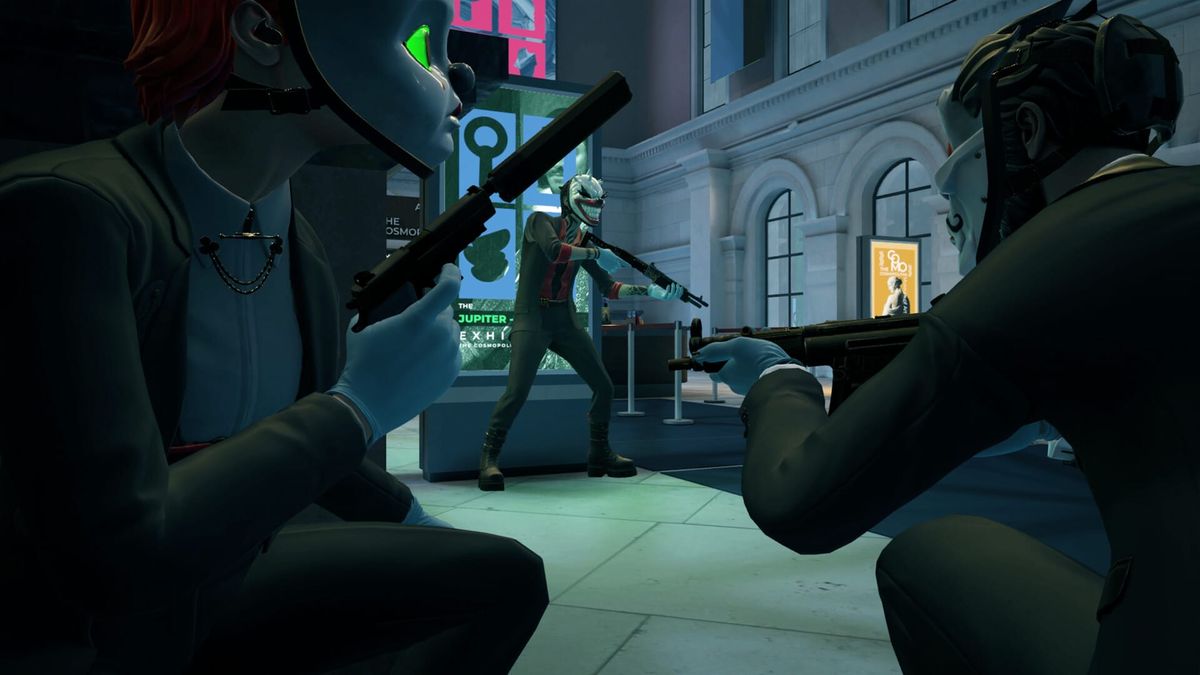
A hallmark of the Payday series—the choice between "Stealth" and "Loud" approaches—remains central to Aces High. Players can choose to infiltrate a location silently, managing pagers and security cameras, or they can opt for a frontal assault, triggering a "loud" scenario that brings down waves of law enforcement.
The Post-Launch Roadmap
Fast Travel Games is not viewing the launch as the end of development. Odeldahl revealed that a seventh heist is already slated for release "very soon" after the initial launch window. Furthermore, the studio has a comprehensive live-service plan to keep the community engaged. While Odeldahl remained tight-lipped about specific features due to marketing constraints, he hinted that the updates would include more than just new maps, suggesting new gadgets, weapons, or perhaps even new character classes.
II. Chronology: From Concept to VR Reality
The journey of Payday: Aces High began with a fundamental question: how does one translate a "flat" (non-VR) shooter into a spatial medium without losing the essence of the franchise? The Payday IP, owned by Starbreeze Studios, has always been about the "fantasy of the heist"—the planning, the execution, and the chaotic escape.
The Evolution of the Partnership
Fast Travel Games was selected for this project because of their proven track record in handling complex physics and NPC interactions in VR. The development timeline involved a heavy pre-production phase where the team analyzed the core pillars of Payday 2 and Payday 3 to determine which elements would thrive in a headset and which would hinder the experience.
The Shift in Design Philosophy
Early in the development cycle, the team realized that a direct 1:1 port of the flat games would lead to "jank"—a term used in VR circles to describe awkward physics or unresponsive controls. By mid-2023, the team shifted toward a "VR-first" mentality, prioritizing physical interactions over legacy mechanics that didn’t translate well to motion controllers.
III. Supporting Data: The Mechanics of Heisting
To understand the scope of Payday: Aces High, one must look at the technical data and mechanical priorities established by the developers. The game’s focus is divided into three primary categories: Weaponry, Gadgets, and Physicality.
The Focus on Gunplay and Interaction
Odeldahl noted that the team decided to "focus on the guns" and "physical interactions." In VR, the satisfaction of a shooter comes from the manual reloading process, the weight of the weapon, and the haptic feedback. Fast Travel Games has invested heavily in ensuring that every firearm feels distinct.
The "Physical Interaction" pillar refers to how players interact with the environment—drilling safes, picking locks, and carrying loot bags. In a flat game, these are often "hold E to interact" prompts. In Aces High, these are tactile mini-games that require actual movement, increasing the immersion and the "panic factor" during a police raid.
Tempo and Intensity
The developers purposefully designed Aces High to have a higher tempo than its flat counterparts. VR is a physically and mentally taxing medium; long, drawn-out waiting periods (which sometimes occur in the flat games) can lead to player fatigue. By increasing the intensity of the encounters and the speed of the heists, Fast Travel Games aims to keep players in a state of flow.
IV. Official Responses: The Hard Decisions and Creative Inspiration
During the interview, Erik Odeldahl was candid about the features that didn’t make the cut and the lengths the team went to for the sake of authenticity.

Cutting the Hostage Exchange System
One of the most surprising revelations was the removal of the hostage exchange system. In traditional Payday games, players can tie up civilians and trade them for released teammates or use them to delay police assaults.
"We basically removed that because one thing that is super hard in VR is to physically interact with other NPCs without it becoming a bit janky," Odeldahl explained. "We really didn’t want this game to be janky."
By removing the hostage mechanic, the team was able to redirect those resources toward refining the "loud" combat and the "stealth" options. Odeldahl argued that a more polished, focused experience is preferable to a feature-rich but clunky one. The removal also served the goal of maintaining a "hectic" and "intense" pace, preventing the gameplay from stalling during hostage management phases.
The Stockholm Connection: Researching Art Thefts
Authenticity in level design often requires looking beyond digital assets. Odeldahl shared an anecdote about the team’s research for a museum-themed heist. The level is heavily inspired by the National Museum of Art in Stockholm.
The development team took a guided tour of the actual museum to study its architecture. However, their questions weren’t typical for tourists. They asked about security room locations, camera blind spots, and how one might disable the footage—questions that Odeldahl admitted "got a bit awkward" with the museum staff. This research was further supplemented by literature, including a book that describes the city "from the eyes of a thief," focusing on the climbability of walls and the structural vulnerabilities of urban environments.
V. Implications: What This Means for the VR Industry
The development and upcoming release of Payday: Aces High carry several significant implications for the broader VR gaming market and the future of the Payday franchise.
1. The Death of the "1:1 Port"
The decision to cut the hostage system is a landmark moment in VR design philosophy. It signals a shift away from the idea that a VR version of a game must be a carbon copy of the original. Developers are increasingly realizing that "less is more" if the remaining features are polished to a high degree. This "VR-first" optimization strategy is likely to become the standard for future AAA adaptations.
2. The Co-op VR Market
Currently, the VR market is saturated with single-player "experiences" and competitive multiplayer shooters. There is a distinct lack of high-fidelity, objective-based co-op shooters. Payday: Aces High has the potential to fill this vacuum, providing a "social" VR game that relies on coordination and teamwork rather than just reflexes.
3. Strengthening the Payday Brand
Following the mixed reception of Payday 3 at launch, Aces High represents an opportunity for the franchise to reclaim its reputation. By offering a fresh way to play—and by partnering with a studio as respected as Fast Travel Games—the brand can expand its reach to the growing demographic of Meta Quest and PCVR users.
4. Hardware Utilization
Odeldahl’s comments on "physical interactions" suggest that the game will push the boundaries of what current VR controllers can do. The emphasis on manual dexterity for lockpicking and safe-cracking suggests a game that utilizes the haptic and spatial capabilities of modern hardware to their fullest extent.
Conclusion: A High-Stakes Gamble
Payday: Aces High is more than just a new entry in a popular series; it is a test case for how to properly adapt complex, systems-heavy games for virtual reality. By prioritizing "feel" and "tempo" over a checklist of legacy features, Erik Odeldahl and Fast Travel Games are betting that players will trade complexity for immersion.
With six heists at launch, a seventh on the horizon, and a design philosophy rooted in real-world architectural research, Aces High is positioning itself as the premier co-op experience for the VR generation. As the "coverage embargo" lifts and more players get their hands on the game, the industry will see if this streamlined, high-intensity approach is the "perfect score" the VR community has been waiting for.
The full interview with Erik Odeldahl is available on the UploadVR YouTube channel, offering further insights into the technical hurdles of heist-based gameplay and the future of Fast Travel Games.