Golfing Giants Stumble: Callaway and Good Good Golf Face Backlash Over "Horror Spoof" Ad Promoting Violence Against Women
In a stark reminder that cultural sensitivities and brand values are paramount in modern marketing, golf equipment titan Callaway and popular golf media company Good Good Golf have been embroiled in a significant controversy. Their recent attempt to leverage the viral appeal of psychological horror tropes, inspired by the unexpected success of films like "Obsession," backfired spectacularly, igniting a firestorm of online criticism and accusations of promoting violence against women. The ill-fated promotional video, intended to showcase a co-branded driver, has led to public apologies, deleted content, and urgent reviews of internal approval processes, highlighting the perilous tightrope brands walk when attempting to tap into trending cultural phenomena.
The Viral Misstep: A "Nightmare Fuel" Ad Campaign
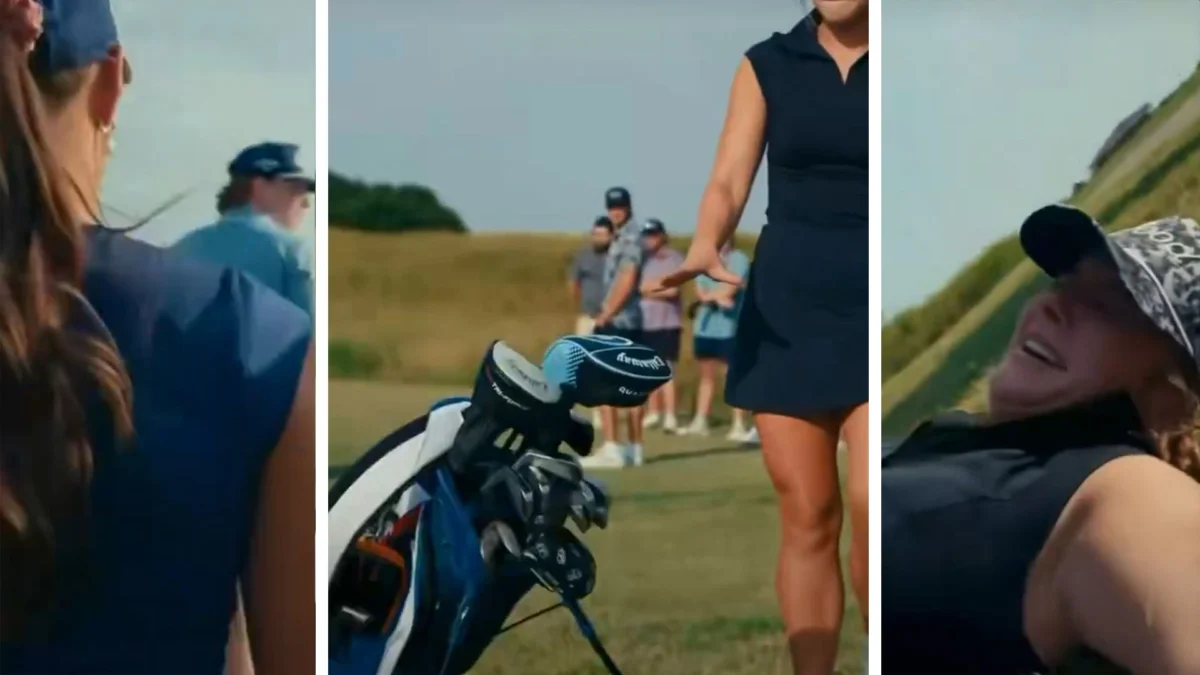
The genesis of the controversy lies in a promotional video for a new co-branded product between Callaway and Good Good Golf. While the exact details of the original footage are now scarce, reports indicate the video depicted a golfer violently shoving a woman to the ground after she attempted to retrieve his driver. This scene was reportedly framed as a "horror-movie spoof," seemingly drawing inspiration from the unsettling and often disturbing aesthetics that have recently captured public attention, notably exemplified by the surprise blockbuster success of films like "Obsession."
"Obsession," a psychological horror film released in 2026, garnered significant critical and commercial acclaim, grossing over $501 million worldwide against a modest budget of approximately $750,000. The film’s success, coupled with the pervasive presence of its unsettling imagery and Inde Navarrette’s memorable performance as the tormented Nikki Freeman in online memes and parodies, suggests an underlying cultural fascination with dark and disturbing narratives. However, the attempt by Callaway and Good Good Golf to transpose these elements into a golf-related advertisement proved to be a critical miscalculation.
The video’s intention, according to initial observations from social media users, was to create a viral moment and generate buzz around the new product. In this regard, the campaign undeniably achieved its goal, albeit for entirely the wrong reasons. The graphic depiction of aggression, particularly against a woman, immediately triggered widespread condemnation.
A Chronology of Controversy and Apologies
The backlash against the Callaway and Good Good Golf advertisement was swift and severe. Within hours of its release, social media platforms, particularly X (formerly Twitter), became a battleground for public outrage.
- August 22, 2026: The first wave of criticism began to surface. Golfers and concerned individuals expressed shock and disgust at the video’s content. One prominent X user, describing themselves as a parent with daughters interested in golf, labelled the ad a "generationally stupid ad" and called for Callaway and Good Good Golf to be ashamed. Another user, identifying as the senior director of social media at a golf-focused media company, stated, "They didn’t just create an ad that makes golf non-inclusive to women… it endorses violence against women in the scariest and most threatening way. This is a horrible look for them and for Callaway. Wildly disappointing."
- August 24, 2026: Further details emerged about the video’s original length and its intended "horror-movie spoof" nature. While some posts containing the full 60-second version began to be deleted, clips and descriptions circulated widely, fueling the ongoing debate.
Faced with an escalating crisis, both brands were compelled to issue public statements and take corrective action.
- Good Good Golf’s Response: The media company, which boasts a substantial following of 2.1 million subscribers on its YouTube channel, acted swiftly to remove the offending video. They followed this with an official apology, acknowledging that the advertisement "ultimately depicted actions that are not aligned with our values as a brand." This statement indicated a recognition of the disconnect between their brand identity and the message conveyed by the video.
- Callaway’s Apology: Golf equipment giant Callaway, a more established and globally recognized brand, also issued a statement expressing regret. While acknowledging that the video was produced by Good Good, Callaway admitted that they had "approved by Callaway prior to posting." The company unequivocally stated, "That approval should never have happened." They further reinforced their stance by declaring, "To be clear: We are unequivocally against discrimination, domestic violence, or threatening behavior of any kind."
Callaway’s admission of approval placed them directly in the line of fire, highlighting a significant breakdown in their internal vetting processes. The company stated it was undertaking "internal and external investigations and making changes to its approval processes" to prevent similar incidents in the future.
Supporting Data: The Power of Online Reaction
The sheer volume and intensity of the online reaction underscore the profound impact of social media on brand reputation. The swiftness with which the video went viral and the subsequent deluge of criticism demonstrate the power of collective consumer voice in holding brands accountable.
The original tweet cited in the article, from user @cantworkitout, encapsulates the sentiment of many. The user’s frustration is palpable as they articulate the ad’s detrimental effect on inclusivity within the sport of golf and its broader implications for societal attitudes towards violence. The phrase "generationally stupid ad" resonated widely, capturing the sentiment that such content is not only offensive but demonstrably out of touch with contemporary values.
The comments from the senior director of social media at Pro Shop further amplify the criticism, emphasizing the dual failure of the ad: it alienates women from the sport and, more alarmingly, normalizes or even endorses violence against them. The use of terms like "scariest and most threatening way" and "horrible look" conveys the deep offense taken by industry professionals and observers.
The reference to the "group think that can set in when brands applaud their own cleverness at quickly jumping on a trending topic" offers a critical insight into the potential decision-making process that led to this debacle. In a bid to appear relevant and capture viral attention, brands may sometimes forgo rigorous ethical and cultural assessments, leading to such catastrophic misjudgments.
Implications: A Shifting Advertising Landscape
The Callaway and Good Good Golf incident serves as a potent case study in the evolving landscape of advertising and brand communication. Several key implications emerge from this controversy:
- The Peril of "Edgy" Content: While the success of films like "Obsession" might suggest a growing audience for darker themes, translating these into marketing campaigns, especially for mainstream brands, is fraught with risk. What is considered "edgy" or "shocking" in entertainment can easily be perceived as irresponsible, offensive, or harmful in advertising. The line between provocative and problematic is thin and subjective, demanding extreme caution.
- The Imperative of Brand Values Alignment: In an era of heightened social awareness, consumers increasingly expect brands to embody and champion specific values. The ad’s depiction of violence directly contradicted Callaway’s stated commitment to inclusivity and ethical conduct. The backlash highlights that a brand’s actions, and the content it promotes, must align with its declared mission and values to maintain credibility and consumer trust.
- The Evolving Role of Inclusivity: The criticism that the ad made golf "non-inclusive to women" is particularly significant. The sports industry, including golf, has been actively working to broaden its appeal and attract a more diverse participant base. Marketing campaigns that perpetuate harmful stereotypes or promote aggression, especially against women, run counter to these crucial efforts and alienate a significant portion of the potential audience.
- The Criticality of Approval Processes: The fact that a video depicting violence against a woman was approved by a major brand like Callaway points to a systemic failure in their vetting and approval mechanisms. This incident will undoubtedly prompt a re-evaluation of how marketing materials are reviewed, ensuring that ethical considerations, potential for misinterpretation, and alignment with brand values are rigorously assessed at every stage.
- The Power of Audiences and the Demand for Authenticity: Audiences today are more discerning and vocal than ever before. Casual misogyny and violence, once perhaps overlooked or tolerated in advertising, are now subject to immediate and widespread condemnation. Brands that fail to acknowledge this shift risk alienating their customer base and suffering significant reputational damage. The "Gameboy adverts of the ’90s," referenced in the original article as examples of outrageous advertising, stand in stark contrast to today’s sensitivities, underscoring how much the advertising landscape has transformed.
In conclusion, the Callaway and Good Good Golf advertising misstep is a stark warning to brands everywhere. While the allure of viral marketing and tapping into trending cultural moments can be powerful, it must be approached with a deep understanding of audience sensitivities, a commitment to ethical representation, and robust internal processes. Failure to do so risks not only damaging brand reputation but also contributing to the perpetuation of harmful societal norms, a price that no amount of viral attention can justify. The golf world, and the broader marketing industry, will be watching to see how these lessons translate into future brand communications.