Apple’s Mac Mini Reimagined: A Stop-Motion Masterpiece Celebrates Human Craftsmanship
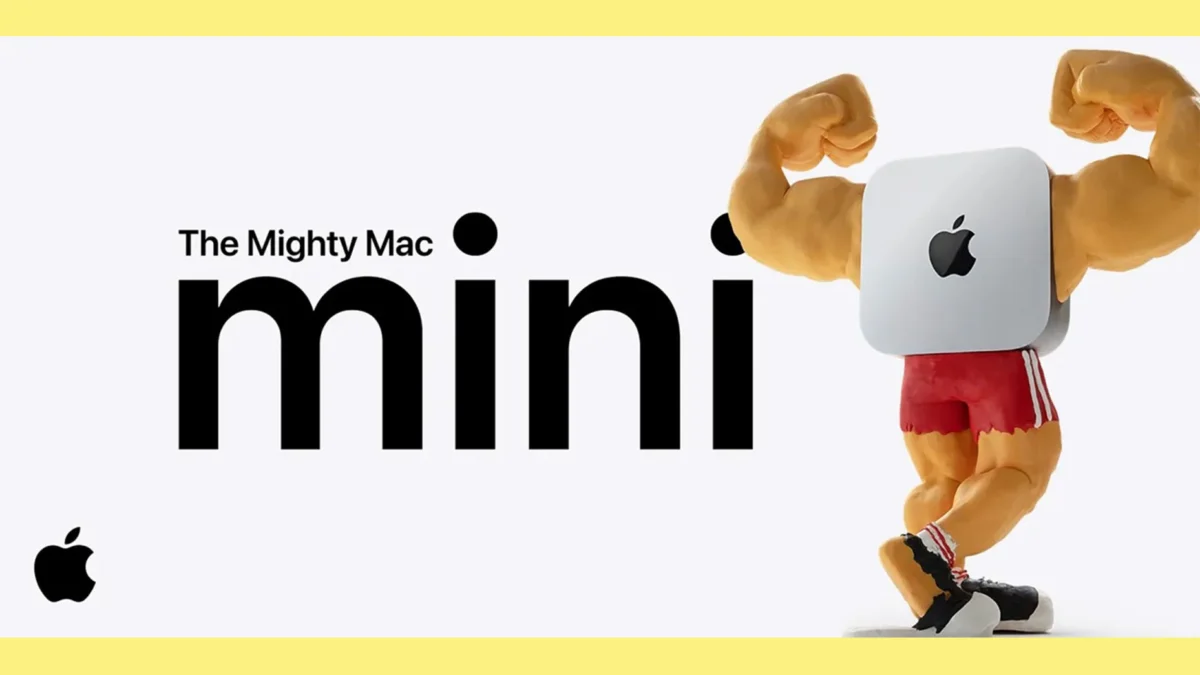
In a bold departure from its signature sleek minimalism, Apple has unveiled a new advertising campaign for its Mac mini that has the creative community buzzing. The centerpiece is a captivating stop-motion animated ad that not only showcases the power of the compact desktop but also champions the tangible, human-driven artistry that many fear is being overshadowed by artificial intelligence.
The campaign, which includes a behind-the-scenes glimpse into the meticulous creation process, is being lauded as a refreshing affirmation of traditional creative methods. Apple’s decision to spotlight the painstaking effort involved in crafting each frame from clay has resonated deeply with artists and designers, offering a stark contrast to the anxieties surrounding AI-generated content.
The Unveiling of a Tangible Vision
Apple’s latest foray into advertising for the Mac mini is a testament to the enduring power of tactile creativity. The new ad, a vibrant and imaginative stop-motion production, deviates significantly from the company’s typical polished and often futuristic aesthetic. Instead, it embraces a more whimsical and approachable style, infused with the charming imperfections and evident labor of handcrafted animation.
The campaign’s genesis lies in a desire to visually represent the Mac mini’s capabilities. As animator Justin Dasch explained, the goal was to personify the machine’s "power and speed," enabling it to embody "anything" – from "rocket ships, freaking race cars, buff dudes, and super complex robots doing multitasking." This ambitious vision has been brought to life through a series of imaginative claymation sequences, where everyday objects and fantastical characters spring to life, interacting with the unassuming Mac mini.
Crucially, Apple has not only released the final advertisement but has also provided an intimate look at its creation. This behind-the-scenes footage reveals animators painstakingly sculpting, painting, and manipulating clay figures, frame by meticulous frame. This transparency serves a dual purpose: it demystifies the animation process for the general audience and, more importantly, acts as a powerful statement against the encroaching tide of AI-generated content that many in the creative industries view with apprehension. The ad’s very existence, rooted in human effort and artistry, is a deliberate and impactful counterpoint to the growing discourse around AI’s potential to automate creative roles.
A Chronology of Creative Expression: From Digital to Tactile
Apple’s advertising history is largely defined by its commitment to sleek, minimalist design, often featuring a clean, futuristic aesthetic that mirrors its product lines. For decades, commercials have showcased the seamless integration of Apple devices into users’ lives, emphasizing ease of use, intuitive interfaces, and powerful performance through sophisticated visual effects and often aspirational narratives.
However, recent years have seen a subtle but significant shift in Apple’s marketing strategy. Recognizing the evolving landscape of digital communication and the desire for more authentic connections, the company has begun to experiment with formats that resonate more directly with younger demographics and a broader creative audience. This includes a more prominent presence on platforms like TikTok, where short-form, engaging, and often less polished content thrives.
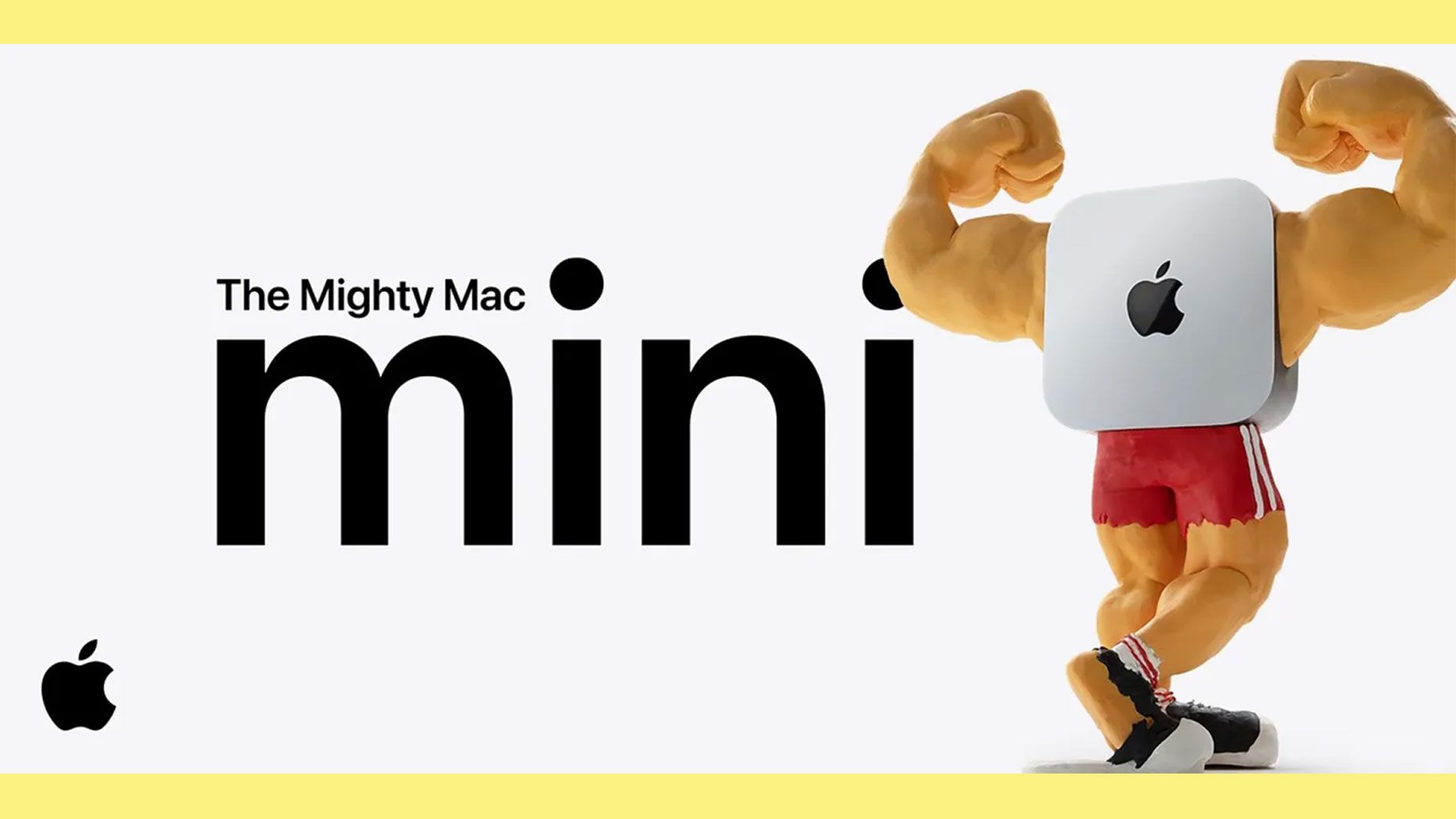
The Mac mini ad represents a deliberate escalation of this trend. While it retains Apple’s characteristic minimalist approach to the product itself and its immediate surroundings, the animated elements are a stark departure. The introduction of a "yellow, Hulk-style strongman busting out of the Mac mini" signals a playful, less corporate, and decidedly more handcrafted sensibility. This pivot aligns with the company’s growing acknowledgment of the value of user-generated content and the creative spirit that its products aim to empower.
The stop-motion technique itself harkens back to a golden age of animation, demanding immense patience, skill, and a deep understanding of physical movement. Each tiny adjustment of a clay figure, each subtle shift in lighting, contributes to the illusion of life. By embracing this time-honored technique, Apple is not only creating a visually arresting advertisement but also implicitly celebrating the very qualities that AI, at its current stage, struggles to replicate: genuine human touch, artistic intent, and the unique charm of the imperfect.
The decision to produce a stop-motion ad can be seen as a strategic response to the industry’s ongoing conversation about AI. Following the controversial iPad Pro ad from a couple of years ago, where an iPad Pro was depicted crushing various creative tools, Apple faced significant backlash from creatives who felt the ad devalued their craft. The subsequent apology and the current Mac mini campaign can be interpreted as Apple’s effort to course-correct and reaffirm its commitment to supporting, rather than replacing, human creativity.
Supporting Data: The Craft Behind the Magic
The success of the Mac mini ad is intrinsically linked to the "how" of its creation. While the final product is a mere minute or two of visual delight, the underlying process is a testament to immense dedication.
- Claymation’s Laborious Nature: Stop-motion animation, particularly claymation, is renowned for its labor-intensive nature. Each second of screen time can require anywhere from 12 to 24 individual frames, with animators making microscopic adjustments between each shot. This means a 30-second ad could involve hundreds, if not thousands, of meticulously crafted frames.
- Sculpting and Painting: The animators’ work involves not only posing clay figures but also sculpting them from raw materials and often painting them to achieve specific textures and colors. This tactile engagement with the medium is a key differentiator from digital animation.
- Lighting and Set Design: Achieving the desired mood and visual consistency in stop-motion also requires careful attention to lighting and set design. The team must ensure that the lighting remains consistent across thousands of frames to avoid jarring shifts.
- The "Human Touch": The inherent "feel" of claymation, with its subtle imperfections and organic textures, is something that digital rendering can strive to emulate but rarely fully capture. This authentic quality is precisely what has endeared the ad to many.
- Behind-the-Scenes Transparency: Apple’s decision to share the "making of" video is a crucial piece of supporting data. It allows viewers to witness the dedication, skill, and sheer hard work involved, thereby enhancing their appreciation for the final product and reinforcing the ad’s message about human creativity.
Official Responses and Industry Reactions
The response from the creative community has been overwhelmingly positive. Social media platforms and design forums have been abuzz with praise for Apple’s innovative approach.
- Praise for Human Artistry: Many creatives have expressed relief and admiration for Apple’s championing of tangible artistry. The ad is seen as a timely reminder of the value of human skill and imagination in an era increasingly dominated by AI-generated content.
- Critique of AI: The ad serves as an implicit critique of AI-generated content, highlighting its potential to devalue human effort and originality. The contrast between the painstaking animation and the often generic output of AI tools is stark.
- Animator Endorsements: Animators themselves have lauded the campaign, recognizing the immense skill and dedication required for stop-motion. The behind-the-scenes footage has been particularly well-received, offering insights into the craft.
- Apple’s Strategic Shift: Industry analysts suggest that this campaign signifies a strategic shift for Apple, moving beyond purely functional product advertising to engage with deeper cultural conversations about creativity and technology.
- The "Enabler" Narrative: The Mac mini is positioned not as a tool that replaces human creativity but as an enabler of it. This narrative resonates strongly with creatives who seek technology that augments their abilities rather than supplants them.
Implications for the Future of Advertising and Creativity
Apple’s Mac mini stop-motion ad carries significant implications for both the advertising industry and the broader creative landscape.
- A Reaffirmation of Tactile Artistry: The campaign’s success could inspire a resurgence of interest in traditional, hands-on creative techniques. It demonstrates that even in the age of advanced digital tools, there is a profound appreciation for the "human touch."
- A Counterpoint to AI Dominance: In a market increasingly saturated with AI-generated content, this ad serves as a powerful counter-narrative. It highlights the unique value of human creativity, skill, and intent, potentially influencing how brands approach their advertising in the future.
- The Power of Transparency: Apple’s decision to share the behind-the-scenes process underscores the growing importance of transparency in marketing. Consumers are increasingly interested in the origin and creation of the products and content they engage with.
- Evolving Brand Narratives: This campaign suggests a move towards more nuanced and emotionally resonant brand narratives. Apple is tapping into a deeper cultural conversation about the role of technology in human life and creativity.
- The Future of Mac mini: The Mac mini, often seen as a more utilitarian and budget-friendly option in Apple’s lineup, is now positioned as a versatile creative hub, capable of powering imaginative projects. This could attract a new wave of users to the platform.
In conclusion, Apple’s Mac mini stop-motion ad is more than just a product promotion; it’s a cultural statement. It’s a celebration of human ingenuity, a testament to the enduring appeal of tangible artistry, and a bold declaration that even in the rapidly evolving world of technology, the craft of human creation remains invaluable. As the debate around AI’s role in creativity continues, this campaign offers a much-needed reminder of the soul and spirit that only human hands and minds can imbue into their work.