The Homestead Act: Fueling Westward Dreams and Shaping a Nation’s Destiny
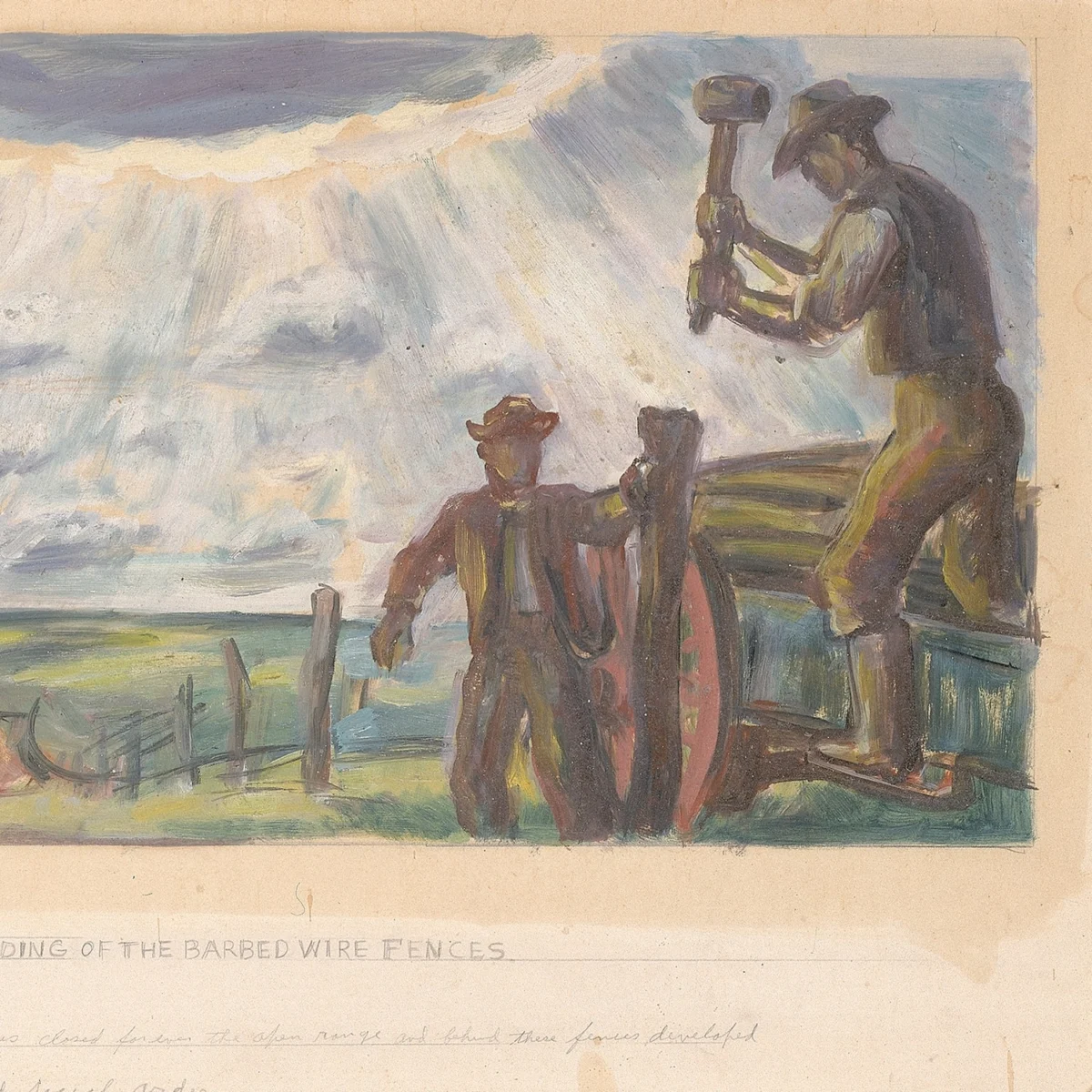
WASHINGTON D.C. – On May 20, 1862, amidst the turmoil of the American Civil War, President Abraham Lincoln signed into law one of the most transformative pieces of legislation in U.S. history: the Homestead Act. This groundbreaking policy promised 160 acres of public land to any citizen who had never taken up arms against the federal government, catalyzing an unprecedented wave of westward migration and fundamentally reshaping the American landscape, economy, and national identity. While offering a beacon of hope and opportunity to hundreds of thousands, the act also bore a complex and often devastating legacy, particularly for the Indigenous peoples whose ancestral lands were claimed.
Over its 124-year tenure, the Homestead Act facilitated the settlement of an astonishing 270 million acres – roughly 10% of all U.S. land. It envisioned a nation populated by independent yeoman farmers, but its implementation revealed a stark reality of immense hardship, frequent failure, and profound societal shifts, highlighting the enduring tension between national aspiration and human cost.
A Nation’s Inherent Drive: The Chronology of Westward Expansion
The dream of "the West" predates the United States itself, deeply embedded in the American consciousness. As early as 1763, British King George III’s Royal Proclamation, which barred American colonists from settling west of the Appalachian Mountains to prevent conflicts with Native American tribes, ignited fierce resentment and became a significant grievance leading to the American Revolution (1775-1783). This early defiance underscored a nascent nation’s inherent drive for expansion.
Following independence, the U.S. Founders laid the foundational groundwork for organized westward movement with the Northwest Ordinance of 1787. This monumental legislation not only established the first organized U.S. territory – the Northwest Territory – but also set crucial legal precedents for the systematic settlement of new lands and the process by which territories could achieve statehood. This ordinance, while critical for national development, simultaneously ushered in decades of bloody conflict between Euro-American settlers and the Indigenous peoples of the Great Lakes and Ohio Valley regions, setting a tragic pattern for future expansion.
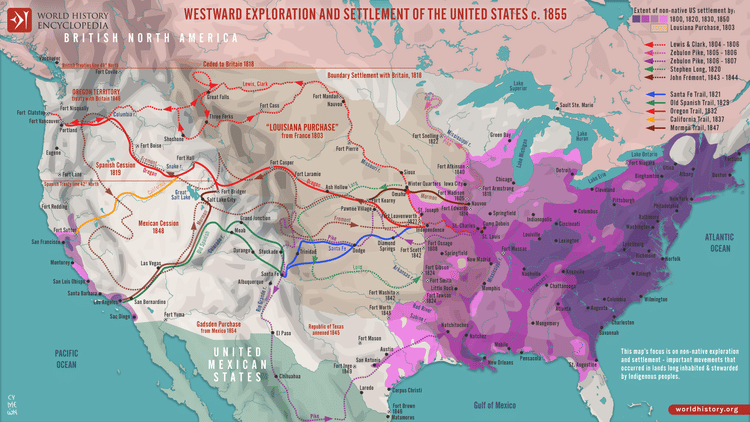
The 19th century saw this westward momentum accelerate dramatically, fueled by the powerful ideology of Manifest Destiny – the belief in America’s divinely ordained right to expand across the North American continent. The Louisiana Purchase in 1803 doubled the nation’s size, opening vast new territories. The Mexican-American War (1846-1848), championed by expansionist President James K. Polk, added another 525,000 square miles, including California, Nevada, Utah, Arizona, and parts of New Mexico, Colorado, and Wyoming. The subsequent discovery of gold in California in 1848 triggered a massive influx of settlers, further intensifying the demand for accessible land in the burgeoning West.
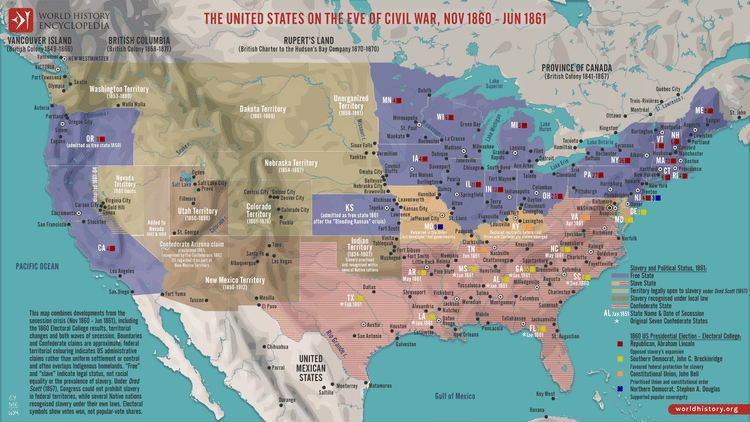
However, as the frontier expanded, a critical national debate intensified: would slavery be permitted in these new territories? The powerful slave-holding aristocracy of the Antebellum South vigorously advocated for the expansion of slavery. New "slave states" would bolster their political power in Congress, and many newly acquired Western lands, particularly in the Southwest, were deemed ideal for lucrative cotton plantations. The vision of an agrarian West, cultivated by enslaved labor, promised even greater fortunes for the wealthy elite.
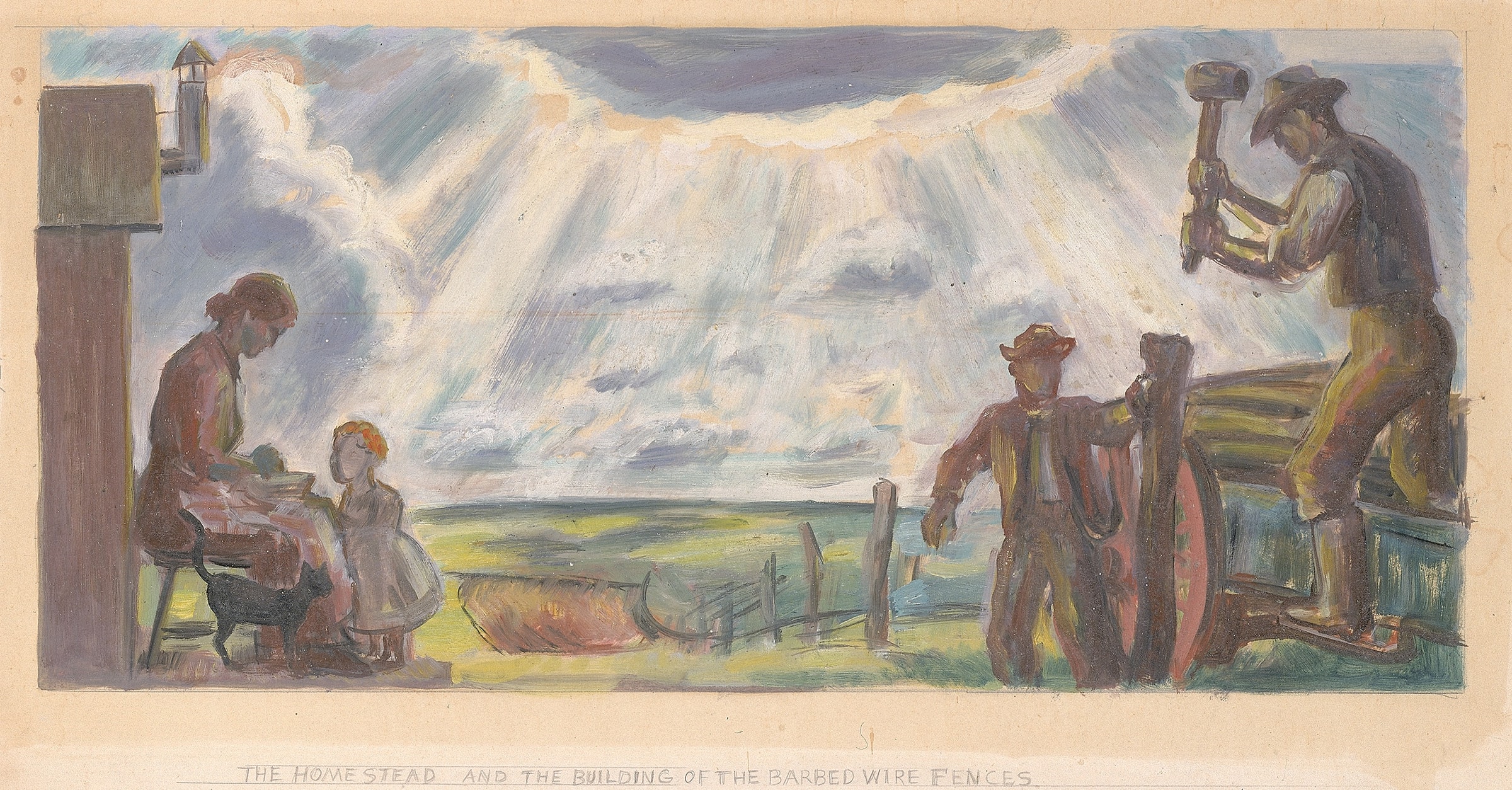
Opposing this vision were abolitionists and a growing movement of "free soil" Northerners. They championed the ideal of wage labor performed by free workers and revered the concept of the virtuous yeoman farmer: a hardworking, independent American man who owned his own farm, tilled his own soil, and reaped the rewards for himself and his family. This idealized vision of a West dotted with small, independent farms stood in stark contrast to the sprawling slave plantations envisioned by Southern elites.
During the pivotal Presidential Election of 1860, the newly formed anti-slavery Republican Party, with Abraham Lincoln as its candidate, incorporated a version of the "Homestead Act" into its platform. The strategic goal was clear: to incentivize free settlers and their families to establish farms in the West, thereby pre-empting the expansion of slave-holding interests. Lincoln, a staunch supporter, articulated this vision in February 1861, proclaiming that "the wild lands of the country should be distributed so that every man should have the means and opportunity of benefiting his condition." By this time, several Southern slave states had already seceded from the Union, and just two months later, Confederate cannons fired on Fort Sumter, igniting the American Civil War.
The Homestead Act of 1862: Implementation and Provisions
The Homestead Act, officially titled "An Act to secure Homesteads to actual Settlers on the Public Domain," was passed by a Republican-controlled Congress and signed into law on May 20, 1862, a little over a year into the Civil War. Its passage was a deliberate political and economic maneuver designed to solidify Union control of the West, fulfill Republican promises, and promote the ideology of free labor.
Key Provisions of the Act:
- Eligibility: Any adult citizen, or intended citizen, who was the head of a family or at least 21 years old, and had never taken up arms against the U.S. government, was eligible. This deliberately excluded Confederates.
- Land Grant: Claimants were granted 160 acres (a quarter section) of surveyed public land.
- Requirements: While the land itself was "free," it was not without cost. A small registration fee was required. Crucially, claimants were mandated to live on the land and "improve" it for a continuous period of five years. Improvements typically included building a dwelling, cultivating crops, and making other enhancements to demonstrate intent and productivity.
- Title Acquisition: After fulfilling the five-year residency and improvement requirements, and providing proof from two credible witnesses, the claimant would receive the official title (patent) to the property.
- Commutation Clause: An option existed to "commute" the claim after a minimum of six months by paying the government $1.25 per acre, effectively purchasing the land outright and expediting the title process. This provision, while offering flexibility, was sometimes exploited by speculators.
- Veterans’ Benefits: Following the Civil War, returning Union soldiers received a significant advantage: their time served in the army could be deducted from the five-year residency requirement, further incentivizing military service and post-war settlement.
The act was profoundly shaped by the "yeoman farmer" ideal, assuming that successful development required the combined labor of both men and women, leading to the establishment of homes and families. As historian Richard White notes, the unspoken assumption was that "labor on the land would have created a home, family, a competence, and independence." This vision aimed to populate the West with self-sufficient family farms, embodying the spirit of American enterprise and opportunity.
Life on the Frontier: Supporting Data and Harsh Realities
Throughout the 1860s and 1870s, hundreds of thousands of American families, and even individuals, filed claims, embarking on arduous journeys westward to settle on their new plots of "free" land. The promise was immense, but the reality was often a brutal test of endurance and resilience. Life for homesteaders was fraught with relentless toil and profound hardship.
Challenges Faced by Homesteaders:
- Environmental Extremes: Settlers encountered unfamiliar and often hostile environments, including severe droughts, blizzards, hailstorms, and devastating pest infestations (like locusts) that could wipe out an entire season’s crops.
- Isolation and Lack of Infrastructure: Homesteads were often miles from neighbors, towns, or essential services. Access to markets, schools, medical care, and community support was severely limited, exacerbating feelings of loneliness and vulnerability.
- Economic Strain: While the land itself was free, the costs associated with establishing a farm were substantial. These included transportation to the frontier, purchasing tools, seeds, livestock, building materials, and enduring several years of uncertain harvests before achieving self-sufficiency. Many lacked the initial capital needed to succeed.
- The "160-Acre Problem": The 160-acre plot, a standard derived from earlier land surveys in the more fertile East, proved inadequate for dryland farming in the arid regions of the Great Plains and beyond. Successful ranching or farming in these areas often required far larger tracts of land, leading many homesteaders to struggle or seek additional land through other means.
Success and Failure Rates:
Richard White’s research illuminates the varied success rates of homestead claims. He found that for every four families that successfully established farms and "improved" the land, another six failed. These failures often resulted in claimants abandoning their land, selling their rights to others, or using the commutation clause to purchase the claim before the five-year period ended.
- Success rates varied significantly by region and time. In the more fertile lands east of the 100th meridian, and in areas like the Dakotas, success was more common.
- In Minnesota, between 1863 and 1875, approximately two-thirds of homestead claims proved successful.
- In Kansas, however, only about 40% of claims filed between 1863 and 1890 yielded a successful result, though this still translated to an impressive 94,448 new farms, underscoring the sheer volume of people who attempted homesteading.
Despite the high failure rate, the Homestead Act undeniably contributed to massive agricultural development. In the 1860s, of 615,908 new farms created, 142,410 were established by homesteaders. In the 1870s, homestead entries accounted for 318,572 out of 1,348,985 new farms. It wasn’t until the 1880s that homesteaders constituted a majority of new farms, though many of these would ultimately fail.
Diverse Homesteaders:
Crucially, the Homestead Act offered opportunities to a remarkably diverse array of people, often overlooked in the traditional narrative of the white male pioneer.
- Women: Single women, widows, and women who were heads of households were legally eligible to file claims, providing an unprecedented path to land ownership and independence.
- African Americans: Following the Civil War, thousands of African Americans, known as "Exodusters," migrated West to escape post-Reconstruction oppression in the South. They established all-Black towns like Nicodemus, Kansas, leveraging the Homestead Act to build new lives and communities free from racial subjugation, albeit facing immense challenges.
- Immigrants: European immigrants, particularly from Scandinavia, Germany, and Ireland, also flocked to the American West, often recruited by railroad companies and land agents, seeking economic opportunity and land ownership denied to them in their home countries.
Unintended Consequences and Systemic Flaws: Implications and Repercussions
While the Homestead Act opened doors for many, its implementation also generated profound negative implications and systemic flaws that continue to shape historical understanding.
Devastation for Native American Peoples:
The most devastating impact of the Homestead Act was on the Indigenous peoples of North America. The act explicitly facilitated the seizure and settlement of lands that had been, for millennia, the ancestral territories of countless Native American tribes. This influx of homesteaders accelerated the process of forced displacement, often violating existing treaties, leading to widespread violence, dispossession, and confinement to reservations. The arrival of settlers also wrought ecological havoc:
- Buffalo Extinction: The massive influx of settlers, combined with systematic hunting, led to the near-extinction of the American bison (buffalo), a species central to the spiritual, cultural, and economic life of many Plains tribes.
- Unsustainable Farming: Homesteaders introduced farming methods often ill-suited to the arid Western environment, leading to soil degradation and hindering traditional Indigenous ways of life that were deeply connected to the land’s natural cycles.
- Increased Conflict: The competition for land and resources inevitably led to heightened tensions and violent conflicts between settlers, the U.S. military, and Native American tribes, culminating in tragic events and the destruction of Indigenous sovereignty.
Exploitation by Corporations and Speculators:
Despite the act’s intent to promote small, family farms, it was often subverted by powerful corporate interests and land speculators.
- Railroad Land Grants: Railroad companies received immense land grants from the federal government – often far exceeding what homesteaders could claim – to incentivize the construction of transcontinental lines. These companies then sold much of this land at a profit, often competing directly with or disadvantaging individual homesteaders.
- Fraud and Speculation: Loopholes in the act, such as the commutation clause and lax enforcement, allowed speculators and large landowners to acquire vast tracts of land through fraudulent claims or by paying individuals to file claims on their behalf, consolidating land ownership rather than distributing it widely. Other land acts, like the Timber Culture Act (1873) and the Desert Land Act (1877), were also frequently exploited to acquire larger holdings than the Homestead Act allowed.
The End of an Era: Repeal and Enduring Legacy
The Homestead Act remained in effect for over a century, but changing national priorities and evolving land management philosophies eventually led to its repeal. By the mid-20th century, much of the arable public land suitable for 160-acre farms had already been claimed, and the focus of federal land policy shifted from disposal to conservation and managed use.
Official Responses and Repeal:
The Federal Land Policy and Management Act (FLPMA) of 1976 marked the official end of homesteading. This act stipulated that "public lands be retained in Federal ownership," reflecting a broader policy shift towards environmental protection and resource management. While the main act was repealed, a special provision allowed homesteading to continue in Alaska until 1986, acknowledging the unique frontier conditions of the state.
The Enduring Legacy:
The Homestead Act’s impact on American history is undeniable and multifaceted.
- Mass Migration and Settlement: It directly spurred one of the largest migrations in human history, populating vast swathes of the American West and laying the groundwork for agricultural development and the creation of new states.
- Economic Opportunity: For many, including women and African Americans, it provided an unprecedented opportunity for land ownership and economic independence, fostering a sense of upward mobility and self-reliance.
- Shaping American Identity: The image of the hardy, self-sufficient homesteader became an enduring symbol in American mythology, shaping cultural narratives of individualism, perseverance, and the frontier spirit.
- Ecological Transformation: The act dramatically altered the ecological landscape of the West, transforming prairies into farmland, impacting biodiversity, and contributing to environmental challenges like the Dust Bowl in the 20th century.
- Indigenous Dispossession: Its most painful and lasting legacy remains the systematic dispossession and cultural destruction inflicted upon Native American tribes, whose lands and ways of life were sacrificed in the name of "progress" and settlement.
In conclusion, the Homestead Act of 1862 stands as a monumental legislative achievement, driven by a complex interplay of political ideology, economic ambition, and the enduring American dream of land ownership. While it undeniably opened doors of opportunity for countless individuals and families, facilitating the rapid development of the American West, its profound and often devastating impact on Indigenous populations and the environment ensures that its legacy remains a subject of ongoing critical examination and reflection. It is a testament to the powerful, often contradictory, forces that shaped the United States into the nation it is today.