The Resilient Art of Martin Short: Tragedy, Camaraderie, and the Comedy of Survival
Main Facts: A Career-Defining Moment of Recognition
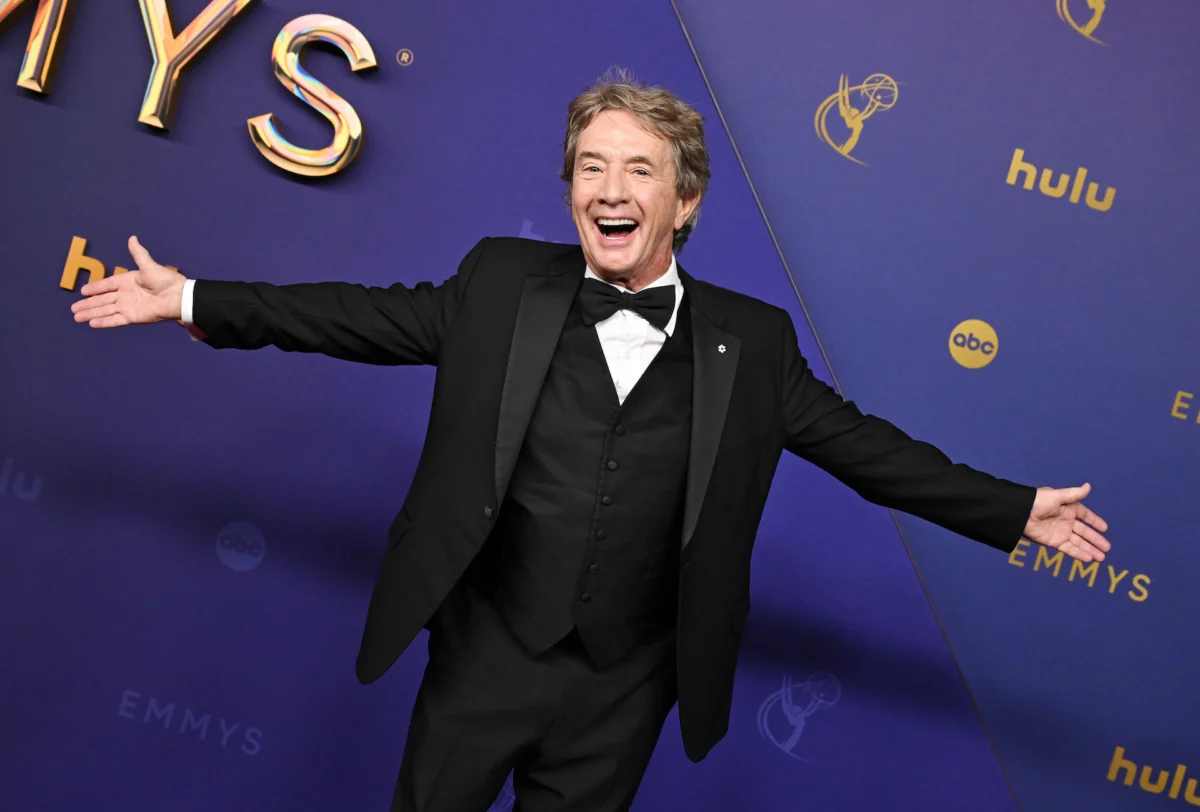
Martin Short has long been celebrated as one of the most versatile and energetic forces in North American comedy. However, the current cultural moment finds the legendary performer at a unique crossroads of professional triumph and profound personal revelation. At the center of this narrative is the new documentary Marty, Life Is Short, directed by the Academy Award-nominated Lawrence Kasdan. The film, which has garnered three Primetime Emmy nominations—for Outstanding Documentary or Nonfiction Special, Outstanding Directing, and Outstanding Editing—peels back the manic, high-energy veneer of Short’s public persona to reveal a life marked by what observers have described as a "Job-like" series of personal tragedies.
The documentary arrives as Short experiences a massive career resurgence. Not only is he a central figure in the Emmy-nominated documentary about his own life, but he also continues to dominate the television landscape. Short is currently nominated for his lead performance in the fifth season of Hulu’s (and Netflix internationally) Only Murders in the Building, a show that has also secured a nod for Best Comedy Series. Simultaneously, his versatility is on display through a nomination for Best Game Show Host for his work on ABC’s revival of Match Game.
While the public knows Martin Short for his iconic characters—from the high-strung wedding planner Franck Eggelhoffer to the celebrity-obsessed Jiminy Glick—Marty, Life Is Short introduces the world to the man who navigated the early deaths of his parents and brother, and more recently, the loss of his beloved wife, Nancy Dolman. The film serves as a testament to the power of friendship and the role of work as a vital sanctuary against grief.
Chronology: A Life Built on Loss and Laughter
The Early Years in Hamilton
The foundations of Martin Short’s resilience were laid in Hamilton, Ontario, during the late 1960s and early 1970s. The youngest of five children, Short faced a staggering sequence of familial losses during his formative years. His eldest brother, David, was killed in a car accident in 1962 when Martin was only 12. Just a few years later, his mother, Olive, a concertmistress, died of cancer in 1968. By 1970, his father, Charles, a corporate executive, had passed away following a stroke.

Left in a large family home at the age of 20 with only a housekeeper for company, Short recalls the period not as a time for therapy—which was largely unavailable or unconsidered in the Hamilton of 1970—but as a time of solitary endurance. He spent his days biking across the city, painting, and writing, eventually finding a "new" family structure as his surviving siblings stepped in to nurture and worry over him.
The Rise to Stardom and the Kasdan Connection
Short’s career took flight through the legendary Toronto production of Godspell and subsequently SCTV and Saturday Night Live. It was during this ascent that he met Lawrence Kasdan while starring in the 1987 film Cross My Heart. Although the film itself did not achieve major commercial success, it cemented a 40-year friendship between the actor and the director.
"We became great friends on the film," Short recalled in a recent interview. "Sometimes, you make the decision of saying, ‘I’m not going to let that person go.’ We both made that, and that was 40 years ago." This bond would eventually become the catalyst for the documentary, though Short’s "Canadian reserve" initially made him hesitant to participate.
The Loss of Nancy Dolman
In 1980, Short married Nancy Dolman, an actress and singer he met during the run of Godspell. For three decades, they were regarded as having one of the most stable and joyful marriages in Hollywood. Her death from ovarian cancer in 2010 was a seismic blow to Short and their three children. The documentary captures the essence of Dolman through never-before-seen home movies, highlighting her beauty and sharp wit—traits that Short says Kasdan captured with the reverence one might reserve for a Hollywood icon like Kim Novak.

Supporting Data: The Archives of a Private Life
The emotional weight of Marty, Life Is Short is bolstered by a staggering amount of personal archive material. Unbeknownst to many, Short had been a dedicated amateur videographer for decades, documenting his family life and his interactions with a "who’s who" of Hollywood elite.
The Spielberg and Hanks Footage
The documentary features intimate footage provided by Steven Spielberg, a long-time friend of the Shorts. These clips offer a rare, unvarnished look at a legendary social circle. Viewers see figures like Tom Hanks, Rita Wilson, Steve Martin, and Kate Capshaw not as untouchable icons, but as "chums" engaging in play, jokes, and camaraderie.
Short notes that these high-profile friendships were never about the fame of the participants. "They’re just playful and friends. They just happen to be famous," he said. The footage includes scenes such as Tom Hanks visiting on Boxing Day, looking remarkably young, highlighting the decades of shared history between these families.
The Technical Evolution of the Documentary
Short had kept shelves of camcorder tapes for years but had never actually watched the footage himself. He eventually transferred the entire library to digital format, providing Kasdan with a "gold mine" of raw, honest moments. The structure of the film was left entirely to Kasdan; Short’s involvement in the editing process was minimal, limited to small suggestions regarding the timing of certain comedy sketches. This distance allowed the film to maintain an objective, albeit loving, perspective on Short’s life and the spirit of his late wife.

Official Responses: Perspectives from the Subject and the Director
Short on the Process of Documentation
In reflecting on why he finally agreed to the project after initial reluctance, Short points to an eight-minute voicemail left by Kasdan. The director argued that the story was "important for life." Short’s eventual acquiescence was also fueled by his respect for the production team, including Ron Howard.
Short admits that watching the rough cut was "difficult" due to the raw nature of the footage and the memories it evoked. However, he ultimately viewed the honesty of the film as "necessary."
On Grief and Therapy
Short’s perspective on handling tragedy is distinctly stoic. He has never sought professional therapy, attributing his survival to the "aggressive" nurturing of his siblings and his own ability to find "the light" through friends and family.
"Ideally, if no one needed a crutch for anything, wouldn’t they be stronger?" Short posited. "If I was suddenly depressed or in despair, but didn’t know why, then I’d run to a therapist. But I’ve never been that way. I’m sad now, but you know what? I should be sad now. It’s OK to be sad."

On the "Only Murders" Phenomenon
Short credits his current work on Only Murders in the Building and his close relationship with co-stars Steve Martin and Meryl Streep as vital components of his ongoing resilience. He describes work as the "ultimate distraction" from grief.
Regarding the show’s longevity, Short echoes the sentiments of the late Tony Randall, noting that a "hit is a fluke" and one should stay with it as long as possible. He emphasized that the "hang"—the quality of time spent with the cast and crew on set—is the most important factor in the show’s success.
Implications: The Legacy of a Comic Legend
The success of Marty, Life Is Short and the continued dominance of Only Murders in the Building suggest a significant shift in how the public perceives Martin Short. No longer just the "funny man" with a thousand faces, Short is now recognized as a figure of immense emotional depth and fortitude.
The "London Season" and Future Prospects
As Short concludes filming for Season 6 of Only Murders—which is set in London and features a prestigious British cast including Olivia Colman, David Tennant, and Martin Freeman—the industry anticipates continued growth for the franchise. The show’s ability to expand its audience six seasons into its run is a rarity in the streaming era, a testament to the enduring chemistry between Short and Steve Martin.

The Philosophy of "Keeping the Conversation Going"
The documentary’s most lasting implication may be its exploration of how we maintain connections with those we have lost. Short cites the late director Mike Nichols, who advised him to "just keep the conversation going" with deceased loved ones. This philosophy—that you know what a lost friend or spouse would say and you continue to interact with that memory—serves as a central theme of the film and a roadmap for others navigating similar losses.
Ultimately, Martin Short’s story, as captured by Lawrence Kasdan, is one of finding the light not by ignoring the darkness, but by moving through it with the support of a community. As the 2026 Emmy season approaches, Short stands as a symbol of the enduring power of both comedy and the human spirit, proving that even in a life marked by profound loss, the "hang" is indeed what matters most.