Locus Bestsellers for November (May 2026 Data): A Deep Dive into the Evolving Landscape of Speculative Fiction
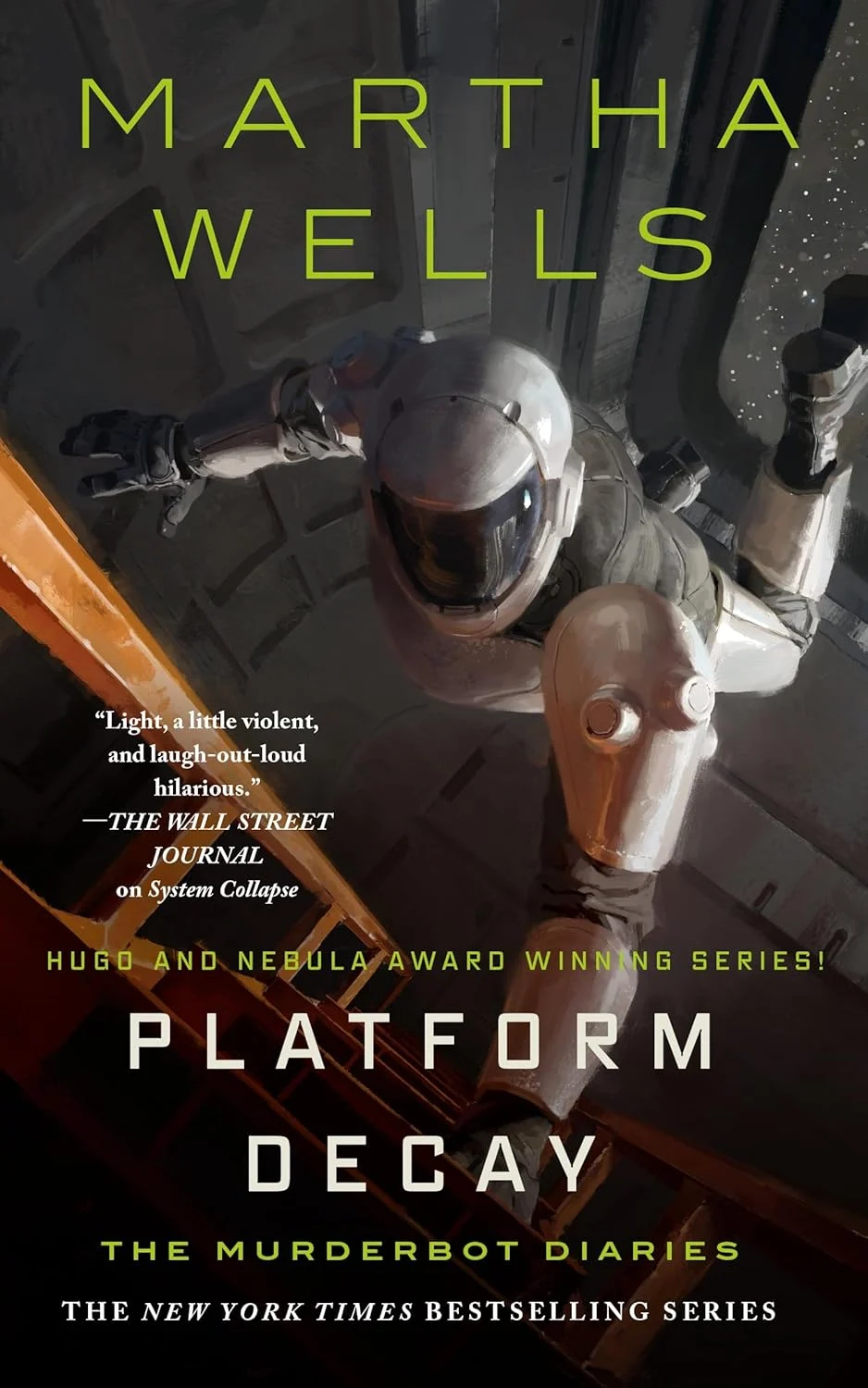
New York, NY – [Insert Current Date] – The Locus Bestsellers list for November, compiled from sales data spanning May 2026, paints a vibrant and dynamic picture of the speculative fiction market. This month’s rankings highlight the enduring power of beloved series, the surging influence of emerging subgenres, and the consistent appeal of established literary giants. Martha Wells’s "Platform Decay" (Tor) and Andy Weir’s "Project Hail Mary" (Ballantine) clinched top spots in Hardcover and Trade Paperback categories respectively, while Dan Abnett’s "Warhammer 40,000: The Horus Heresy: Horus Rising" (Black Library) demonstrated the formidable strength of media-related tie-ins.
The Locus lists, curated from sales at prominent independent bookstores across North America, offer a unique and granular insight into the preferences of dedicated science fiction, fantasy, and horror readers. Far from merely reflecting mainstream commercial success, these rankings reveal the pulse of the genre, showcasing both critically acclaimed works and fan-favorite phenomena that might sometimes be overlooked by broader market indicators.
Main Facts: A Snapshot of Speculative Fiction’s Peak Performers
The November 2026 Locus Bestsellers are a testament to the diverse and thriving world of speculative fiction. Across three primary categories—Hardcovers, Trade Paperbacks, and Media-Related/Gaming-Related—readers demonstrated a clear appetite for both continuity within established universes and fresh voices pushing genre boundaries.
Hardcovers:
The hardcover list saw a fiercely contested battle for the top spot, ultimately claimed by "Platform Decay" by Martha Wells (Tor), the eighth installment in her wildly popular Murderbot Diaries series. This highly anticipated release edged out "A Parade of Horribles" by Matt Dinniman (Ace), the eighth book in his equally beloved Dungeon Crawler Carl series, by a narrow margin. Dinniman, a breakout star in the LitRPG genre, impressively secured four additional spots on the hardcover list with "Carl’s Doomsday Scenario," "The Dungeon Anarchist’s Cookbook," and "The Butcher’s Masquerade," showcasing an unprecedented level of reader devotion across his catalog.
Other notable hardcover entries included "The Ballad of Falling Dragons" by Sarah A. Parker (Avon), "Radiant Star" by Ann Leckie (Orbit US), "The Tapestry of Fate" by Shannon Chakraborty (Harper Voyager US), and "The Faith of Beasts" by James S.A. Corey (Orbit US), all representing significant voices in contemporary science fiction and fantasy. "The Last Contract of Isako" by Fonda Lee (Orbit US) made a notable dual appearance, ranking as a runner-up in hardcovers and securing the fourth spot on the trade paperback list, underscoring its broad appeal and strategic multi-format release.

Trade Paperbacks:
The trade paperback category demonstrated remarkable stability at the top, with "Project Hail Mary" by Andy Weir (Ballantine) maintaining its dominant position for an astounding 19th consecutive month. This consistent performance solidifies its status as a modern classic of hard science fiction. Following closely was "Dungeon Crawler Carl" by Matt Dinniman (Ace), securing the second spot and reinforcing Dinniman’s cross-format appeal.
Long-running favorites continued to impress, with "Red Rising" by Pierce Brown (Del Rey) charting for its 14th month, and Sarah J. Maas’s fantasy romance juggernauts, "A Court of Mist and Fury" (36 months) and "A Court of Thorns and Roses" (46 months), demonstrating their unparalleled longevity and passionate fanbase. New entries included "The Last Contract of Isako" by Fonda Lee (Orbit US), "The Devils" by Joe Abercrombie (Tor), "Written on the Dark" by Guy Gavriel Kay (Ace), and "The Knight and the Moth" by Rachel Gillig (Orbit US), adding fresh titles to the perennial bestsellers. Andy Weir’s earlier hit, "The Martian" (Ballantine), also re-entered the list for its 23rd month, underscoring his enduring popularity.
Media-Related and Gaming-Related:
This specialized category, crucial for understanding the impact of intellectual property (IP) on the literary market, featured only two titles this month. "Warhammer 40,000: The Horus Heresy: Horus Rising" by Dan Abnett (Black Library) emerged victorious, narrowly beating "Magic: The Gathering: Strixhaven: Omens of Chaos" by Seanan McGuire (Random House Worlds). This category highlights the powerful synergy between popular games, films, and television series, and their literary extensions.
Chronology: Sustained Success and Evolving Trends
The November 2026 Locus Bestsellers provide a fascinating chronological snapshot of the speculative fiction market. While the specific data period is May 2026, the consistent presence of certain titles and authors on these lists over many months, and even years, speaks volumes about their enduring appeal and impact.
The Reign of the Stalwarts: Andy Weir’s "Project Hail Mary" and "The Martian" are prime examples of books that transcend initial release hype to become perennial favorites. "Project Hail Mary" achieving 19 months on the trade paperback list is a remarkable feat, indicating not just strong initial sales but sustained word-of-mouth, critical acclaim, and perhaps even anticipation for potential adaptations. Similarly, "The Martian" re-entering the list after 23 months underscores Weir’s consistent brand recognition and the timeless appeal of his grounded, problem-solving narratives. These books have carved out a permanent niche, continuing to attract new readers long after their debut.

Series Longevity: The sustained presence of series like Pierce Brown’s "Red Rising" (14 months) and Sarah J. Maas’s "A Court of Thorns and Roses" (46 months) and "A Court of Mist and Fury" (36 months) further illustrates the power of ongoing narratives. Maas’s books, in particular, have become a cultural phenomenon, fueled by passionate fan communities and a strong presence on social media platforms like BookTok. Their multi-year tenure on the Locus list points to their status as cornerstone titles within the fantasy romance subgenre, continuously drawing in new readers discovering the series.
The Rise of LitRPG: The chronological trajectory of Matt Dinniman’s "Dungeon Crawler Carl" series is perhaps the most significant recent development highlighted by these lists. While Dinniman’s books may have initially found their audience through self-publishing and audio platforms, their consistent high rankings on both hardcover and trade paperback Locus lists signify a powerful crossover into traditional publishing success. His multiple entries, some for five months ("Carl’s Doomsday Scenario," "The Dungeon Anarchist’s Cookbook") and four months ("The Butcher’s Masquerade"), demonstrate that LitRPG is no longer a niche genre but a formidable force capable of dominating bestseller charts. This chronological ascent reflects a broader industry trend of embracing and legitimizing genres that originate in digital spaces.
Anticipated Releases and Established Authors: The strong performance of new releases like Martha Wells’s "Platform Decay" and Fonda Lee’s "The Last Contract of Isako" demonstrates that readers eagerly await new works from critically acclaimed and award-winning authors. The instant success of "Platform Decay" as the eighth book in a series shows that Wells has cultivated a dedicated fanbase who will reliably turn out for each new installment. Similarly, Lee’s ability to chart across formats with a standalone novel highlights her established reputation following works like "Jade City," signifying that her name alone can drive significant sales.
The overall trend observed chronologically is a market that values both the comfort and depth of ongoing series and the excitement of new entries from trusted authors, all while being increasingly receptive to innovative subgenres that capture the zeitgeist.
Supporting Data: Deeper Insights into Genre Health and Reader Engagement
The raw numbers and authorial presence on the Locus Bestsellers lists provide crucial supporting data that illuminates the health and dynamics of the speculative fiction market.

Authorial Dominance: Matt Dinniman’s performance is particularly striking. With five distinct titles across the hardcover and trade paperback lists, he is by far the most represented author. This isn’t just about individual book sales; it speaks to the power of a compelling series and an author who has tapped directly into a passionate readership. His success is a strong indicator of the LitRPG genre’s coming-of-age, demonstrating its ability to generate consistent, high-volume sales across multiple formats. The "Dungeon Crawler Carl" series has become a cultural touchstone for many SFF readers, drawn to its unique blend of dark humor, intricate world-building, and high-stakes adventure.
Martha Wells, with "Platform Decay," further solidifies her position as a cornerstone of contemporary science fiction. The Murderbot Diaries series has garnered widespread critical acclaim, including multiple Hugo, Nebula, and Locus Awards. The instant success of its eighth installment underscores the loyalty of her fanbase and the continued relevance of her themes of AI sentience, identity, and the search for belonging in a complex universe.
Andy Weir’s dual presence with "Project Hail Mary" and "The Martian" in trade paperback reinforces his status as a master of accessible, scientifically grounded storytelling. His ability to connect with a broad audience, even those outside traditional SFF readership, is a testament to his skill in crafting compelling narratives that blend scientific accuracy with human drama.
Genre Diversity and Strength: The lists showcase a healthy diversity within speculative fiction:
- Space Opera/Hard Sci-Fi: Wells, Weir, Leckie, James S.A. Corey. These authors continue to push the boundaries of scientific exploration and societal commentary.
- LitRPG: Dinniman’s overwhelming success validates this subgenre, which merges role-playing game mechanics with narrative storytelling, appealing to a growing demographic of readers who enjoy interactive and progression-based fiction.
- Epic/High Fantasy: Sarah J. Maas, Shannon Chakraborty, Guy Gavriel Kay, Pierce Brown. These authors demonstrate the enduring appeal of intricate world-building, complex character arcs, and often romance-infused narratives.
- Dark Fantasy/Horror: Christopher Buehlman’s "Between Two Fires" and Joe Abercrombie’s "The Devils" show a continued appetite for grittier, darker speculative fiction that explores moral ambiguities and visceral experiences.
The Independent Bookstore Barometer: The data for the Locus lists is compiled from a select group of respected independent bookstores (Bakka-Phoenix, Book Moon, Borderlands, McNally Robinson, Mysterious Galaxy, Toadstool, White Dwarf). This methodology offers a different perspective than national chain or online retailer bestsellers. Independent bookstores often serve as cultural hubs, curating diverse selections and fostering community among genre enthusiasts. Their sales data, therefore, can be a more accurate reflection of dedicated genre readership and critical acclaim within the SFF community itself, rather than broad commercial appeal driven by mass marketing. The slight dip in nominated hardcover titles (from 54 to 45) and media/gaming titles (16 to 15), while trade paperback nominations remained static (63), could indicate a more focused release schedule in May 2026 for hardcovers, or perhaps a consolidation of reader interest around fewer, but very strong, titles.

Multi-Format Strategy: Fonda Lee’s "The Last Contract of Isako" appearing on both hardcover and trade paperback lists highlights a growing trend in publishing: simultaneous or near-simultaneous multi-format releases. This strategy allows publishers to capture different segments of the market—hardcover for early adopters and collectors, and trade paperback for readers who prefer a more affordable or portable option. Its success in both formats indicates a strong initial reception for the book and for Lee as an author.
This supporting data collectively paints a picture of a robust, multifaceted genre, driven by both established literary figures and innovative new voices, with independent booksellers playing a crucial role in its ecosystem.
Industry Commentary: Publisher Strategies and Authorial Impact
While no direct "official responses" from publishers or authors are provided in the Locus data, the bestseller lists themselves offer a powerful form of industry commentary, revealing successful strategies and the significant impact of authors on the market.
Publisher Acumen: The consistent success of titles from publishers like Tor, Ace, Ballantine, Orbit, and Black Library is not coincidental. It reflects astute editorial decisions, effective marketing campaigns, and a deep understanding of the speculative fiction readership.
- Tor continues to demonstrate its mastery of the sci-fi landscape, nurturing authors like Martha Wells whose series consistently deliver critical and commercial success. Their investment in the Murderbot Diaries has clearly paid off, creating a beloved character and universe that resonates widely.
- Ace Books has proven particularly adept at identifying and championing emerging subgenres. Their commitment to Matt Dinniman and the LitRPG phenomenon positions them at the forefront of a rapidly expanding market segment. Bringing Dinniman’s work to traditional publishing has undoubtedly introduced LitRPG to a broader audience, capitalizing on its existing digital fanbase.
- Ballantine benefits from the powerhouse talent of Andy Weir, whose ability to craft universally appealing science fiction has made his books evergreen bestsellers. Their strategy with "Project Hail Mary" appears to be a long-term play, allowing the book to build momentum over many months, rather than relying solely on launch-week sales.
- Orbit US showcases its strength in both established and rising talent, with authors like Ann Leckie, James S.A. Corey, Fonda Lee, and Rachel Gillig. Their diverse portfolio across various SFF subgenres speaks to a comprehensive market approach.
- Black Library’s consistent presence in the media-related category with Warhammer 40,000 titles highlights the immense value of intellectual property in the publishing world. They have successfully cultivated a dedicated audience eager to dive deeper into established lore, demonstrating the profitability of tie-in fiction when handled with authenticity and quality.
- Bloomsbury US continues to reap the rewards of Sarah J. Maas’s monumental success. Their ability to keep "A Court of Thorns and Roses" and "A Court of Mist and Fury" on the lists for years speaks to savvy marketing that understands and amplifies fan engagement, particularly through digital channels.
Authorial Empowerment: For authors, charting on the Locus Bestsellers list is a significant validation. It translates into increased visibility, stronger negotiating power for future contracts, and the cultivation of a loyal readership.

- Martha Wells and Andy Weir have cemented their positions as genre luminaries, their names now synonymous with high-quality, engaging speculative fiction. Their continued success allows them greater creative freedom and influence within the industry.
- Matt Dinniman’s breakout success empowers other authors exploring emerging genres like LitRPG. His trajectory serves as a powerful testament that unconventional storytelling, when executed with talent, can achieve mainstream recognition and commercial triumph. This success also influences the types of manuscripts agents seek and publishers acquire, broadening the scope of what is considered commercially viable.
- Fonda Lee’s ability to succeed with a standalone novel in both hardcover and trade paperback formats reinforces her status as a critically acclaimed author whose work commands attention regardless of series affiliation. This is a significant achievement in a market often dominated by long-running series.
In essence, these bestseller lists are a continuous feedback loop, showcasing which publishing strategies are yielding results and which authors are resonating most deeply with the discerning speculative fiction audience. They highlight an industry that is both stable in its appreciation for classic SFF and agile in its adoption of new trends and voices.
Implications: Shaping the Future of Speculative Fiction
The Locus Bestsellers for November (May 2026 data) offer profound implications for the future trajectory of speculative fiction, influencing everything from publishing strategies to genre evolution and reader expectations.
1. The Enduring Power of Series and World-Building:
The dominance of established series across all categories – from Murderbot Diaries and Dungeon Crawler Carl to Red Rising and A Court of Thorns and Roses – underscores a clear reader preference for immersive, long-form narratives. Publishers are likely to continue investing heavily in multi-book deals and cultivating authorial brands that can sustain complex fictional universes over many years. This also implies a heightened expectation from readers for consistent quality and compelling character development across an entire series. New authors may find it beneficial to pitch projects with series potential, even if the first book is designed as a standalone.
2. LitRPG’s Mainstream Ascent:
Matt Dinniman’s overwhelming success is a watershed moment for LitRPG. Its consistent presence on both hardcover and trade paperback lists, alongside traditionally published SFF giants, signals its full integration into the mainstream speculative fiction landscape. This will likely lead to:
- Increased Acquisitions: More publishers actively seeking LitRPG manuscripts.
- Genre Refinement: Authors pushing the boundaries of what LitRPG can be, moving beyond simple stat sheets to explore deeper themes and more complex literary structures.
- Broader Readership: Attracting readers who may not have previously considered themselves LitRPG fans.
This trend reflects a broader cultural shift towards interactive entertainment and the blurring lines between gaming and reading experiences.
3. The Unwavering Demand for Hard Science Fiction:
Andy Weir’s continued reign with "Project Hail Mary" and "The Martian" demonstrates the evergreen appeal of hard science fiction. In an era of rapid technological advancement and renewed interest in space exploration, readers are drawn to stories that blend scientific accuracy with gripping human drama. This indicates a sustained market for intellectually stimulating narratives that challenge and inform, suggesting that publishers should continue to prioritize well-researched, plausible sci-fi.

4. The Indispensable Role of Independent Bookstores:
The reliance on data from independent bookstores for the Locus lists highlights their critical function within the SFF ecosystem. These stores are not just retail outlets; they are community hubs, curators of taste, and vital platforms for discovering diverse voices. Their continued health and influence are crucial for fostering a vibrant and varied genre landscape, distinct from the more generalized commercial interests of larger retailers. The data reinforces that true genre enthusiasts often turn to these specialized outlets for recommendations and purchases.
5. The Symbiotic Relationship of Transmedia Storytelling:
The success of "Warhammer 40,000: The Horus Heresy: Horus Rising" and "Magic: The Gathering: Strixhaven: Omens of Chaos" reinforces the powerful synergy between various media. Well-executed tie-in novels serve multiple purposes: they deepen the lore for existing fans, attract new audiences to the broader franchise, and provide a lucrative revenue stream. This implies that intellectual property holders will continue to leverage literary extensions as a key component of their brand strategy, and authors specializing in tie-in fiction will remain in high demand.
6. The Power of Diverse Voices and Subgenres:
The presence of authors like Ann Leckie (space opera), Shannon Chakraborty (epic fantasy rooted in Middle Eastern mythology), and Fonda Lee (contemporary fantasy/sci-fi) showcases the genre’s ongoing commitment to diversity in both authorship and thematic exploration. This indicates that readers are increasingly seeking out stories that reflect a wider range of experiences and cultural perspectives, pushing the boundaries of traditional SFF narratives. The success of fantasy romance (Sarah J. Maas) also confirms the genre’s ability to seamlessly integrate elements that appeal to broader romance readership, further expanding its demographic reach.
7. Future Challenges and Opportunities:
While the lists show robust health, the slight dip in nominated hardcover titles could hint at potential market saturation or a more selective release strategy by publishers. For new authors, breaking into such a competitive landscape, especially with standalones, might remain challenging, but the success of someone like Matt Dinniman offers a clear roadmap for how to cultivate a dedicated following through innovative platforms and then transition to traditional publishing. The future of speculative fiction appears bright, characterized by a dynamic interplay between established excellence, emergent trends, and an ever-expanding definition of what the genre can encompass.
In conclusion, the November Locus Bestsellers are more than just a list of popular books; they are a narrative in themselves, chronicling the tastes, trends, and triumphs within the expansive and endlessly imaginative world of speculative fiction. They signal a future where reader loyalty, genre innovation, and strategic publishing converge to continually redefine the literary landscape.