"The Boy Who Dreamed of Doors": A Portal Fantasy Adventure Set to Enchant Young Readers in 2027
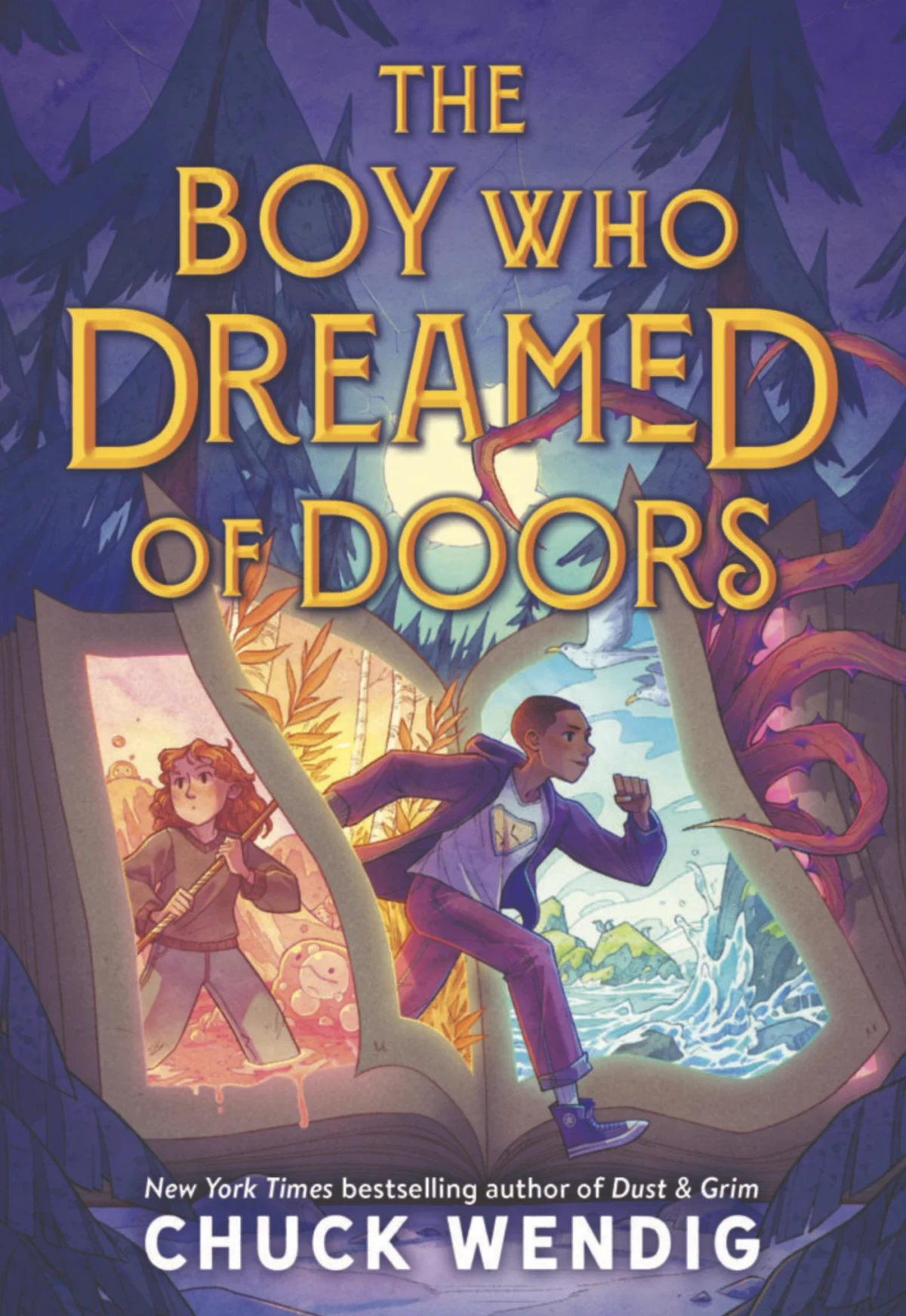
New York, NY – June 15, 2026 – A captivating new middle-grade portal fantasy novel, tentatively titled "The Boy Who Dreamed of Doors," is poised to transport young readers to extraordinary realms when it launches in February 2027. Penned by the acclaimed "Apple-Obsessed Author Fella," a writer known for their distinctive voice and imaginative storytelling, this forthcoming work promises to be a thrilling adventure filled with wonder, discovery, and the boundless possibilities of imagination.
The announcement, made through a striking cover reveal, has already generated significant buzz within the literary community and among eager young readers and their parents. The cover art, a visually arresting creation by the talented James Firnhaber, hints at a world brimming with mystery and the allure of unexplored dimensions. While details about the plot remain under wraps, the genre – portal fantasy – suggests a narrative that will likely involve a protagonist who crosses into a magical or alternate world, embarking on a journey of self-discovery and facing unique challenges.
Unveiling the Vision: A Deeper Look at "The Boy Who Dreamed of Doors"
"The Boy Who Dreamed of Doors" is positioned as a middle-grade novel, targeting an audience typically aged 8-12. This age bracket is crucial for fostering a lifelong love of reading, and authors in this space often tackle themes of friendship, courage, overcoming adversity, and the exploration of identity. Portal fantasy, in particular, offers a rich canvas for these explorations, allowing young protagonists to confront their fears and discover their inner strengths in unfamiliar and often dangerous settings.

The author, referred to by the intriguing moniker "Apple-Obsessed Author Fella," has cultivated a dedicated following through their previous works. While the specific identity of the author remains playfully obscured, their consistent output and the enthusiastic reception of their books indicate a proven ability to connect with readers. The "Apple-Obsessed" descriptor itself could hint at a thematic element within their writing, perhaps a subtle nod to innovation, curiosity, or even a particular aesthetic that permeates their stories. The fact that this new novel is described as their "weird take on portal fantasy" suggests a departure from established tropes, promising a fresh and perhaps even unconventional approach to the genre.
A Glimpse into the Creative Process: The Cover Reveal and its Significance
The cover art, a pivotal element in any book launch, serves as the initial gateway for potential readers. The reveal of the cover for "The Boy Who Dreamed of Doors" is more than just an aesthetic presentation; it’s a carefully crafted invitation into the story’s world. Artist James Firnhaber, whose portfolio includes a history of creating evocative and memorable book covers, has delivered a piece that, even without explicit plot details, sparks curiosity.
The visual elements of the cover – the style, color palette, and imagery – are designed to communicate the genre, tone, and potential themes of the novel. For portal fantasy, common motifs include doorways, ethereal landscapes, fantastical creatures, and protagonists looking out into the unknown. The success of a cover lies in its ability to immediately convey these aspects to a discerning audience, enticing them to learn more. The author’s explicit mention of Firnhaber’s talent underscores the collaborative effort involved in bringing a book to life and highlights the importance of visual storytelling in the publishing process.

The Road to Publication: Pre-Orders and Reader Engagement
The announcement of "The Boy Who Dreamed of Doors" comes with clear calls to action for interested readers: pre-orders are now available. This practice is a cornerstone of modern book marketing, allowing publishers and authors to gauge interest, secure early sales, and build momentum leading up to the official release date. The provided links to Doylestown Bookshop and Bookshop.org indicate a commitment to supporting independent bookstores, a sentiment that resonates deeply within the literary community.
The February 2027 release date, while seemingly far off, is strategic. It allows ample time for the publishing machine to work its magic: final edits, printing, distribution, and a comprehensive marketing campaign. For readers, it provides a period of anticipation, allowing them to discuss the upcoming release, speculate about the plot, and prepare for the journey ahead. The author’s direct engagement with their audience through such announcements fosters a sense of community and ownership, turning the book launch into a shared event.
The Landscape of Middle-Grade Fantasy: Trends and Expectations
The middle-grade fantasy genre is a consistently robust and beloved segment of the book market. Authors like J.K. Rowling, Rick Riordan, and Brandon Mull have set a high bar, demonstrating the immense potential for imaginative storytelling to capture the hearts and minds of young readers. Portal fantasy, in particular, has a long and rich history, with classics like C.S. Lewis’s "The Chronicles of Narnia" and Lewis Carroll’s "Alice’s Adventures in Wonderland" shaping generations of readers.

In recent years, the genre has seen a diversification of themes and perspectives. While traditional quests and good-versus-evil narratives remain popular, there’s a growing emphasis on nuanced characters, complex world-building, and explorations of diverse cultures and identities. Authors are also increasingly incorporating elements of humor, mystery, and even a touch of the macabre to keep young readers engaged. "The Boy Who Dreamed of Doors," with its promise of a "weird take," suggests it may align with this trend of innovative and boundary-pushing fantasy.
The Impact of "Apple-Obsessed Author Fella": Building Anticipation
The author’s self-proclaimed moniker, "Apple-Obsessed Author Fella," is a deliberate and intriguing choice. It creates an immediate point of intrigue and suggests a unique brand identity. This kind of playful branding can be highly effective in building a loyal fanbase, especially in a digital age where authors can connect directly with their readers. The "Apple-Obsessed" element could be a playful nod to innovation, technology, or even a specific aesthetic that the author favors.
The fact that this is a new book alert, following a period of apparent creative output, signifies a new chapter for the author and their readers. The middle-grade target audience is particularly receptive to authors who can maintain an engaging online presence and share glimpses of their creative process. The anticipation for this book is likely fueled not only by the genre but also by the author’s established reputation and their unique authorial persona.

Supporting Data: The Booming Market for Middle-Grade Books
The middle-grade book market has shown remarkable resilience and growth in recent years. According to industry reports, children’s book sales, particularly in the fantasy and fiction categories, have seen significant upticks. Factors contributing to this include increased parental investment in their children’s education and entertainment, the rise of social media platforms like TikTok (often referred to as "BookTok") that drive trends, and a general resurgence in the appeal of immersive reading experiences.
The success of fantasy novels in this age group is often attributed to their ability to offer escapism, introduce complex themes in an accessible way, and provide relatable characters facing extraordinary circumstances. "The Boy Who Dreamed of Doors" is entering a market that is not only receptive to its genre but actively seeking out new and exciting voices within it. The February 2027 release date positions the book to potentially become a significant player in the spring publishing season, a time often marked by strong sales and widespread reader engagement.
Official Responses and Industry Buzz
While there are no direct "official responses" to a book announcement in the traditional sense, the pre-order links and the cover reveal itself serve as the primary form of communication from the publisher and author. The inclusion of links to independent bookstores like Doylestown Bookshop and Bookshop.org is a positive signal within the industry. These platforms are crucial for promoting diverse titles and fostering a healthy ecosystem for authors and publishers.

The buzz generated by the announcement, as evidenced by the author’s direct communication, suggests that the publishing house is investing in this title. The inclusion of a credited cover artist, James Firnhaber, further indicates a professional and well-supported launch. Industry professionals, booksellers, librarians, and avid young readers will all be taking note of this upcoming release, anticipating its potential impact on the middle-grade literary landscape.
Implications and Future Expectations
The implications of "The Boy Who Dreamed of Doors" entering the market are multifaceted. For young readers, it represents a new adventure waiting to unfold, a chance to escape into a world of imagination and wonder. For the author, it signifies a continuation of their creative journey and an opportunity to further solidify their place in the literary world. For the publishing industry, it’s another potential hit in a consistently strong market segment.
The success of this novel will likely hinge on several factors: the strength of its narrative, the appeal of its characters, the originality of its "weird take" on portal fantasy, and the effectiveness of its marketing campaign. The author’s established readership and the striking cover art provide a strong foundation. As February 2027 approaches, readers will undoubtedly be eager to discover the secrets held within "The Boy Who Dreamed of Doors," a title that promises to open new worlds of possibility for a new generation of readers. The journey from concept to published book is a long and intricate one, and this announcement marks a significant milestone in that exciting process.