The Rebirth of Supernatural: Navigating the Transition from Meta to Independence
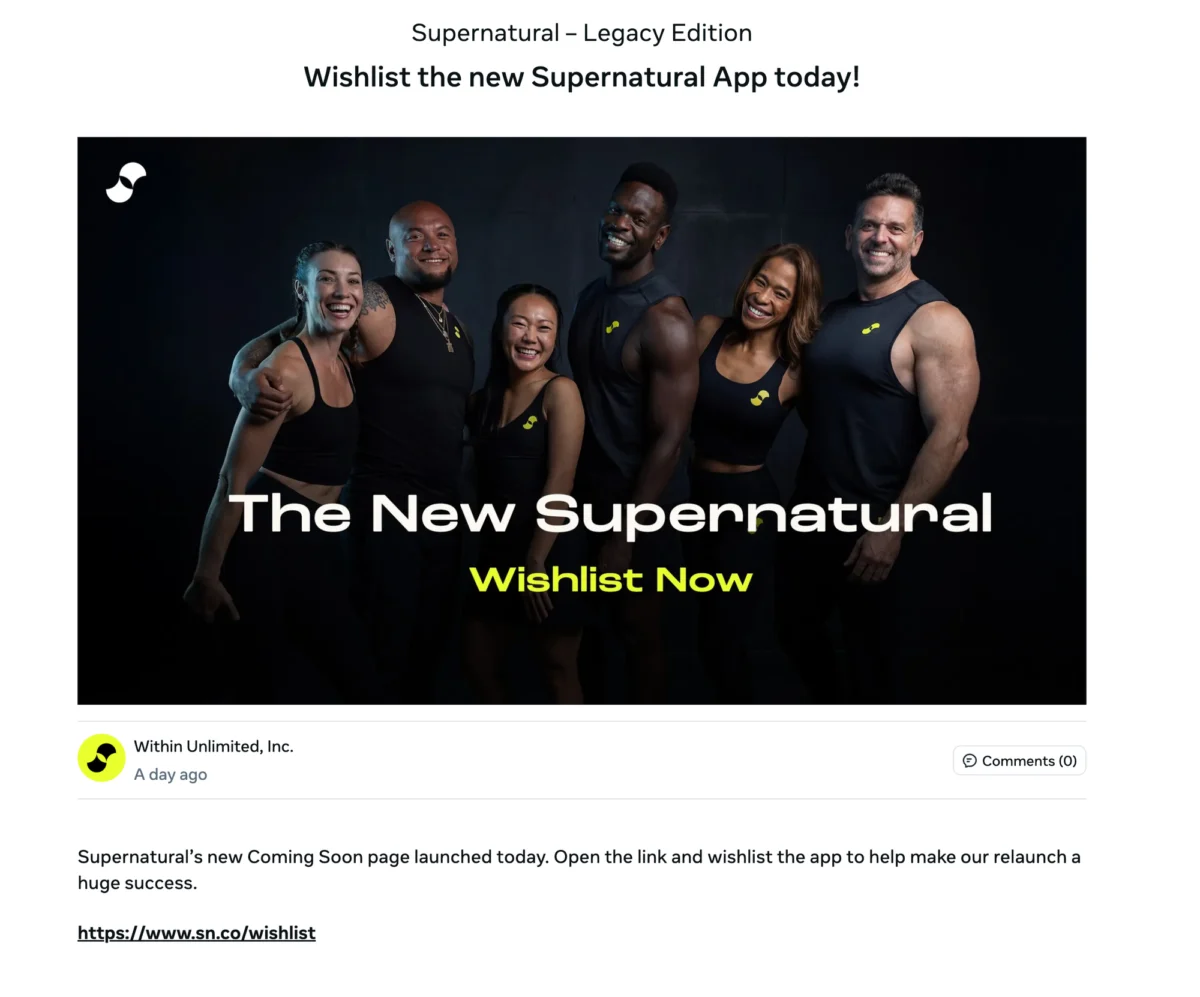
The landscape of virtual reality fitness is witnessing an unprecedented transformation as Supernatural, one of the industry’s most recognizable and successful subscription-based platforms, prepares to migrate from Meta’s direct oversight back to an independent entity. This week, the Meta Horizon Store officially updated its listings, signaling the beginning of the end for the current iteration of the app and the dawn of a new chapter under the banner of Supernatural Health.
For the thousands of "athletes"—as the app’s community members are known—who rely on the platform for their daily cardio, the appearance of a new "Coming Soon" page for Supernatural and the rebranding of the existing app to Supernatural – Legacy Edition marks a pivotal moment. This transition is not merely a technical update; it represents a rare corporate "de-merger" in the tech world, where a major acquisition by a trillion-dollar company is essentially reversed to allow the product to survive as a lean, independent startup.
Main Facts: A Tale of Two Apps
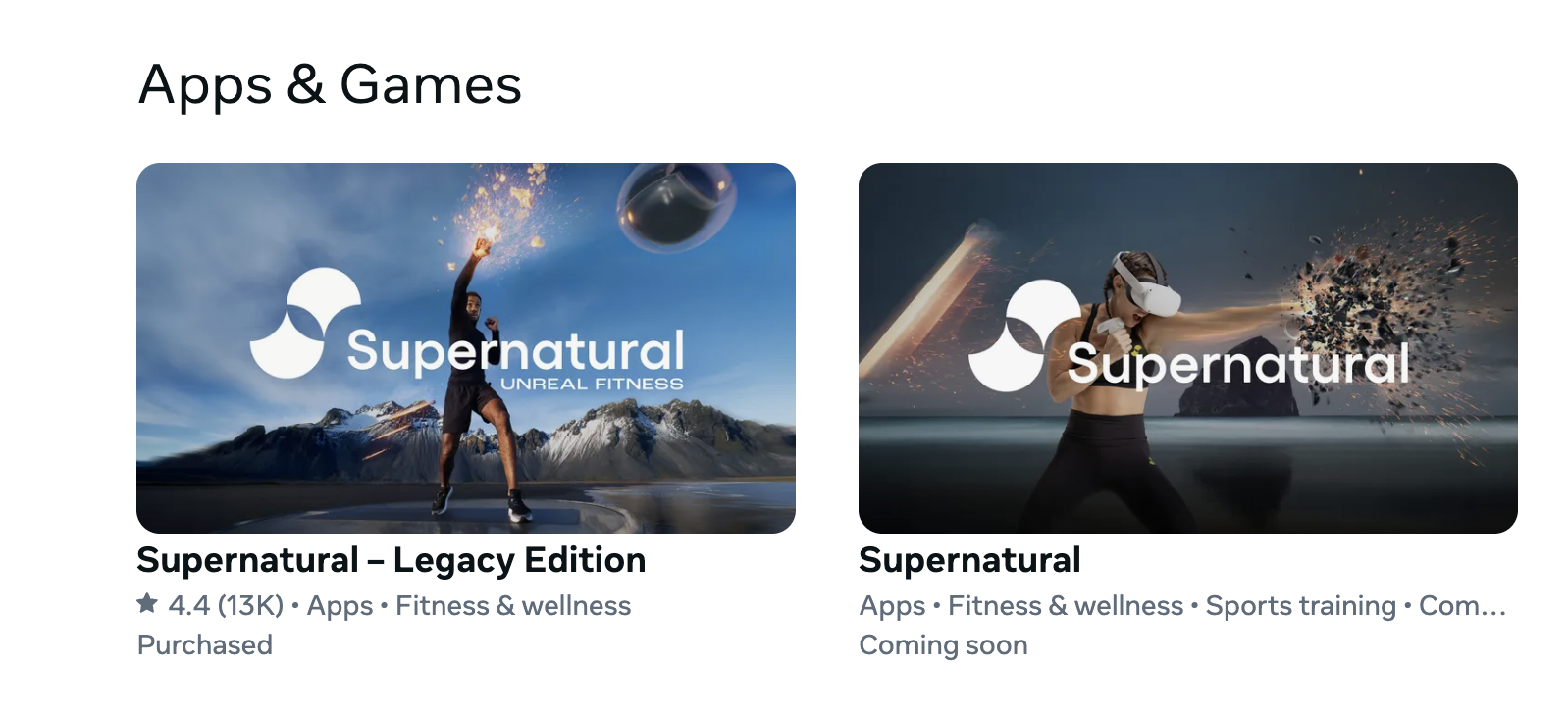
The most immediate change for users is the bifurcation of the Supernatural presence on the Meta Horizon Store. As of late August 2024, a search for the title now yields two distinct results:
- Supernatural (New): Listed as "Coming Soon," this is the version developed by the newly formed independent company, Supernatural Health. It is expected to launch in the fall of 2024.
- Supernatural – Legacy Edition: This is the existing version of the app previously managed under Meta’s Reality Labs division. It will remain functional for a transition period but is officially slated for retirement on December 3, 2026.
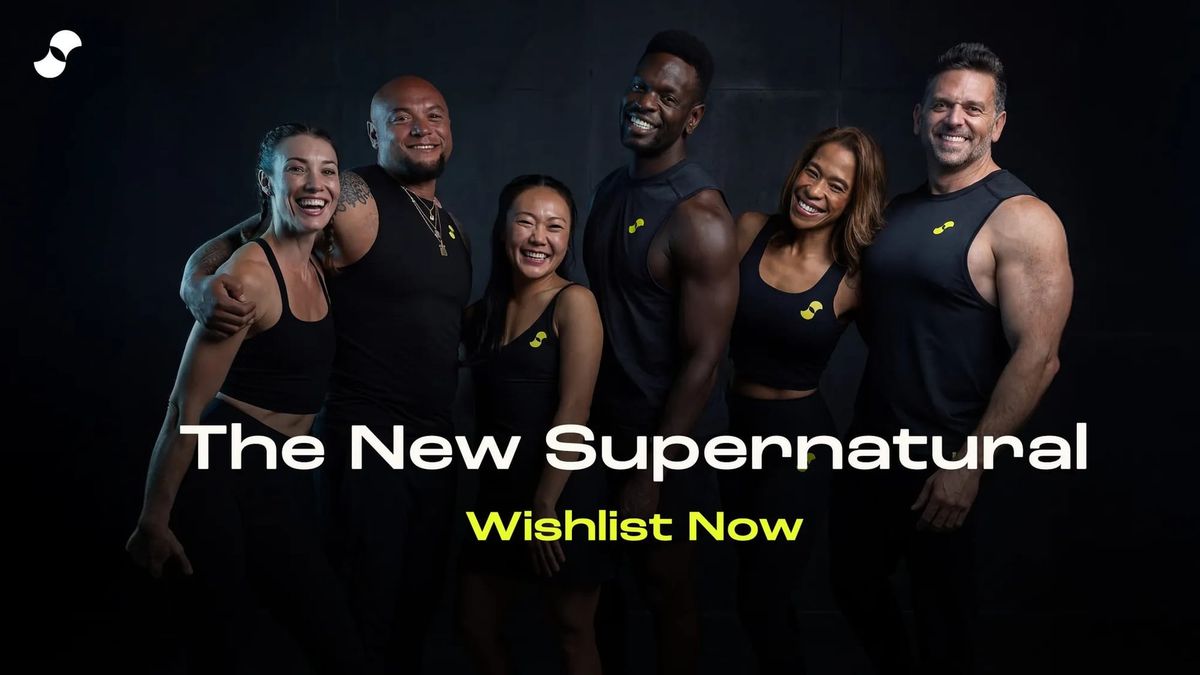
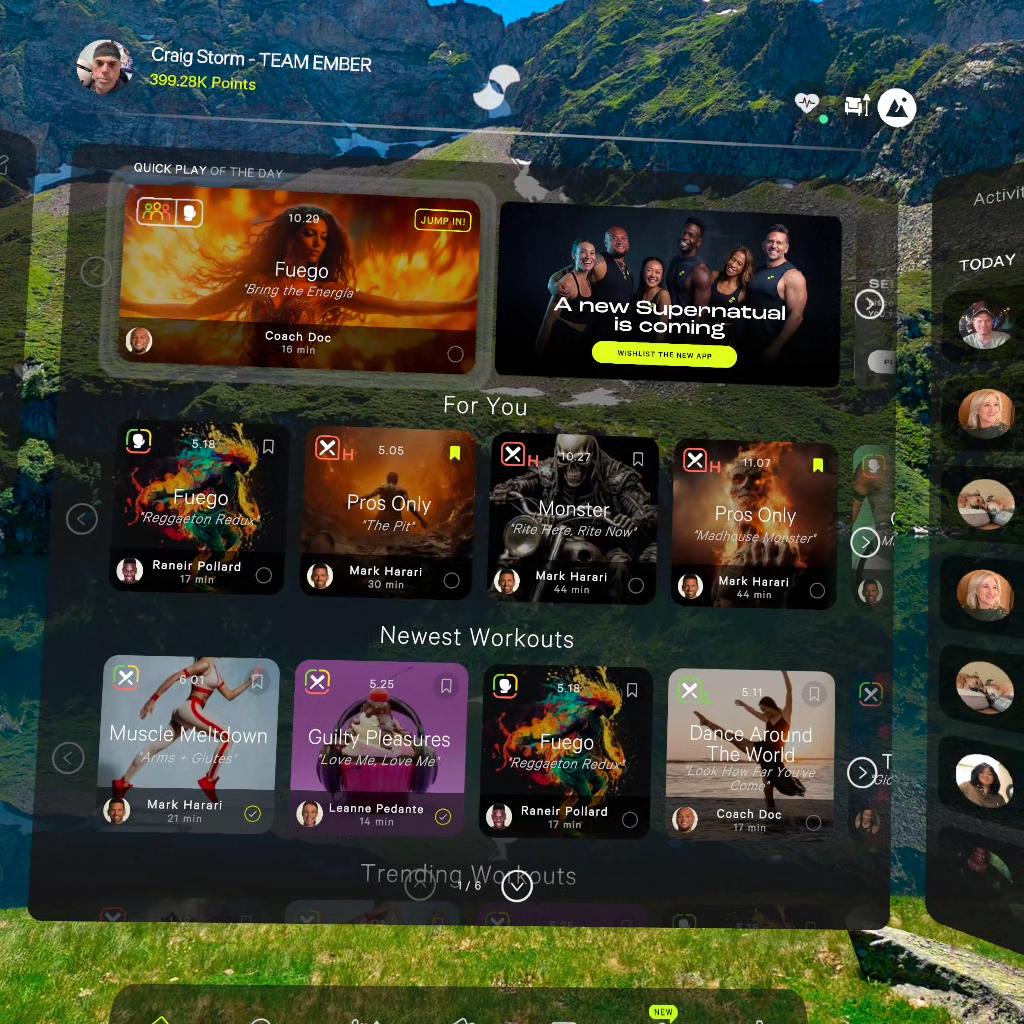
Existing users are being encouraged to "wishlist" the new app immediately. Internal prompts within the Legacy Edition are directing athletes to the new store page, ensuring that the user base is ready to migrate the moment the new software goes live. While an exact launch date for the new version has not been specified beyond "this fall," the infrastructure for the move is clearly in place.
The new app promises to bring back the core pillars of the experience—Boxing and Flow—but with significant technical enhancements. According to Coach Mark Harari, a prominent figure within the community, the independent version will feature fresh workouts, updated music libraries, and environments presented in "higher definition," likely optimized for the superior processing power of the Meta Quest 3 and the upcoming hardware iterations.
Chronology: From Acquisition to Independence
To understand why Supernatural is undergoing this complex migration, one must look back at the turbulent history of its relationship with Meta.
The Pandemic Boom and the Meta Acquisition
In 2020, Supernatural (developed by the studio Within) became the "killer app" for the Quest 2 during the global lockdowns. Its combination of high-end production values, licensed hit music, and photorealistic 360-degree environments set it apart from gamified fitness apps like Beat Saber.
Recognizing its potential, Meta (then Facebook) announced its intent to acquire Within in late 2021. However, the deal was immediately met with regulatory scrutiny. The Federal Trade Commission (FTC) filed a lawsuit to block the acquisition, arguing that Meta was attempting to buy its way to dominance in the VR fitness market rather than competing fairly. Meta eventually won the legal battle and finalized the acquisition in early 2023.
The Corporate Shift and Layoffs
The honeymoon period under Meta was short-lived. By early 2024, Meta began a massive strategic pivot. Following the "Year of Efficiency" declared by CEO Mark Zuckerberg, the company started scaling back on first-party software development that didn’t align with its core focus on the "Metaverse" social infrastructure or its burgeoning AI initiatives.
In January 2024, Meta ended new development on Supernatural and laid off a significant portion of the team. For months, the future of the platform remained in limbo, with users fearing the app would eventually be shuttered entirely.
The Return of the Founders
In a surprising turn of events in June 2024, Meta announced that it would allow Supernatural to spin off. The original founders of Within reached an agreement to take over the experience under a new company, Supernatural Health. This move allowed Meta to shed the operational costs and headcount of a content-heavy subscription service while keeping the popular app on its hardware platform to drive headset sales.
Supporting Data: Leaner, Meaner, and More Expensive?
The transition from a Meta-backed giant to a 15-person startup is a staggering reduction in scale. At its peak under Meta, the Supernatural team consisted of nearly 200 employees, ranging from software engineers and videographers to music licensing experts and trainers.
Team Dynamics and Continuity
According to Leanne Pedante, Supernatural’s Head of Fitness, the new independent company is operating with a skeleton crew of approximately 15 people. Despite this 90% reduction in staff, the company has managed to retain its most vital assets: the coaches. All six current Supernatural coaches—Leanne Pedante, Mark Harari, Doc Milton, Raneir Pollard, Andrea Giometto, and Nikki Wightman—are transitioning to the new company. This continuity is crucial for maintaining the "community feel" that has kept subscribers loyal for years.
Pricing and Subscription Tiers
Independence comes with a significant financial burden, as the company can no longer rely on Meta’s deep pockets to subsidize licensing and server costs. Supernatural Health has announced a premium pricing model:
- Monthly Subscription: $20 per month.
- Annual Subscription: $200 per year.
- Founding Member Discount: For a limited time, users who register through the Supernatural Health website can lock in a price of $180 for the first year.
This pricing places Supernatural at the top end of the VR fitness market, significantly more expensive than competitors like FitXR or Les Mills Bodycombat. However, the company is betting that its high-definition environments and premium music catalog will justify the cost to its dedicated user base.
Official Responses: Optimism Amidst Change
The messaging from the Supernatural team has been one of renewed vigor and creative freedom. In a post to the Official Supernatural Community on Facebook, Coach Mark Harari emphasized that the new app isn’t just a port of the old one, but an upgrade.
"The new app will bring back Boxing and Flow with fresh workouts, new music, and environments presented in higher definition," Harari stated. This focus on "higher definition" suggests that the team is moving away from the compressed video formats necessitated by older hardware, aiming to provide a more immersive visual experience on the Quest 3.
Leanne Pedante’s comments to UploadVR further reinforced the "scrappy startup" mentality of the new team. By returning to their roots as an independent company, the leadership believes they can move faster and be more responsive to the community’s needs without the bureaucratic hurdles of a tech conglomerate.
Meta, for its part, has been relatively quiet regarding the specifics of the handover, though the decision to keep the Legacy Edition active until late 2026 indicates a desire to avoid "bricking" the experience for users who may be slow to transition or who are using older hardware that might not support the new app’s requirements.
Implications: What This Means for the VR Industry
The Supernatural saga serves as a bellwether for the broader VR and tech industries. It highlights several critical trends:
1. The Difficulty of the First-Party Content Model
Meta’s decision to divest from Supernatural suggests that even for a company with unlimited resources, maintaining a high-output, content-driven subscription service is difficult. Unlike a game that is "finished" upon release, a fitness app requires constant updates, new music licenses, and daily filming. This "service-as-a-product" model may be better suited to smaller, specialized firms than to hardware-focused giants.
2. The Resilience of Niche Communities
The fact that Supernatural survived a massive layoff and a corporate spin-off is a testament to the strength of its community. The "athletes" are not just users; they are a highly engaged demographic that has integrated VR into their health routines. This loyalty is what made the independent revival possible.
3. Technical Evolution and Hardware Cycles
By creating a new app rather than patching the old one, Supernatural Health is effectively drawing a line in the sand. The Legacy Edition represents the Quest 2 era, while the new app is designed for the future. This move may signal a broader trend where developers choose to launch "sequel" apps that drop support for older headsets in order to take full advantage of mixed reality and higher-resolution displays.
4. The High Cost of Premium VR
At $200 a year, Supernatural is positioning itself as a direct competitor to high-end boutique gyms rather than other video games. If successful, it will prove that there is a sustainable market for "Pro" VR software, paving the way for other specialized productivity and wellness applications to charge premium prices.
As the fall launch approaches, all eyes will be on Supernatural Health. Can a team of 15 deliver the same polish and volume of content that a team of 200 once did? If they succeed, they will have provided a blueprint for how VR studios can thrive outside the shadow of Big Tech. For now, the "athletes" wait, wishlisting the future and squeezing the last few drops of sweat out of the Legacy Edition.