The Frontlines of Virtual Reality: How Combat Waffle Studios is Redefining Anti-Cheat with Tomahawk
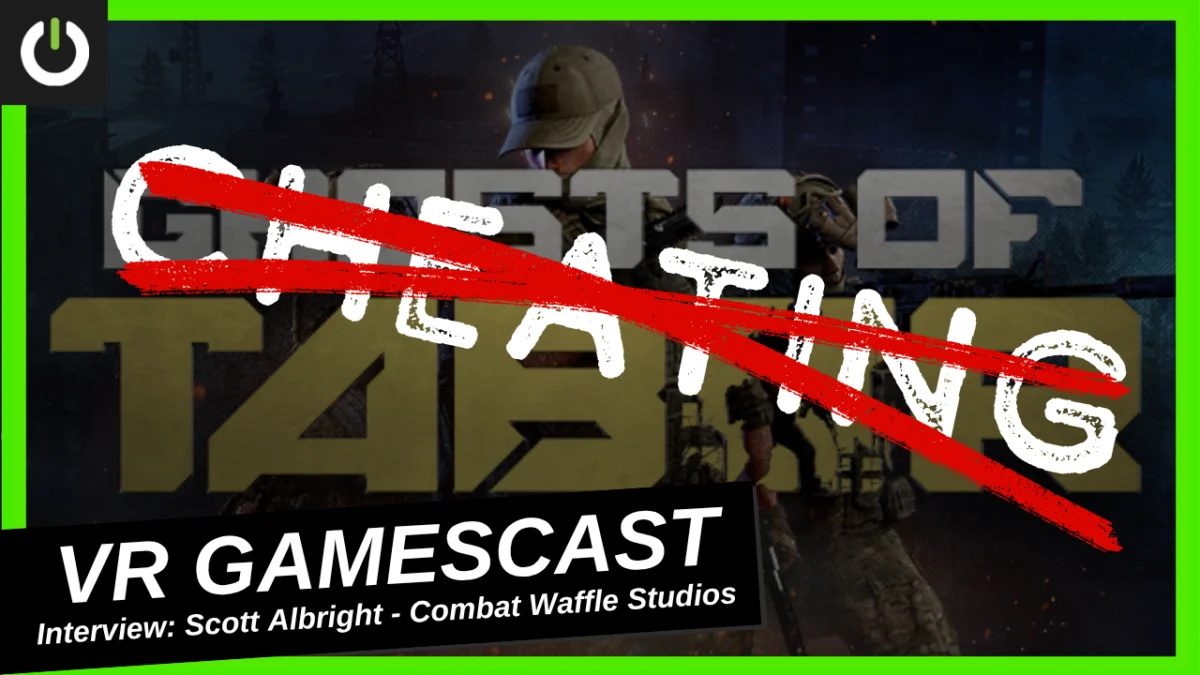
In the rapidly evolving landscape of virtual reality (VR) gaming, the stakes for fair play have never been higher. As immersive environments become more sophisticated, so too do the methods used by those looking to exploit them. For Scott Albright, the founder of Combat Waffle Studios—the developer behind the hit VR extraction shooter Ghosts of Tabor—the battle against cheaters is not just a technical necessity; it is a fight for the survival of the medium’s integrity.
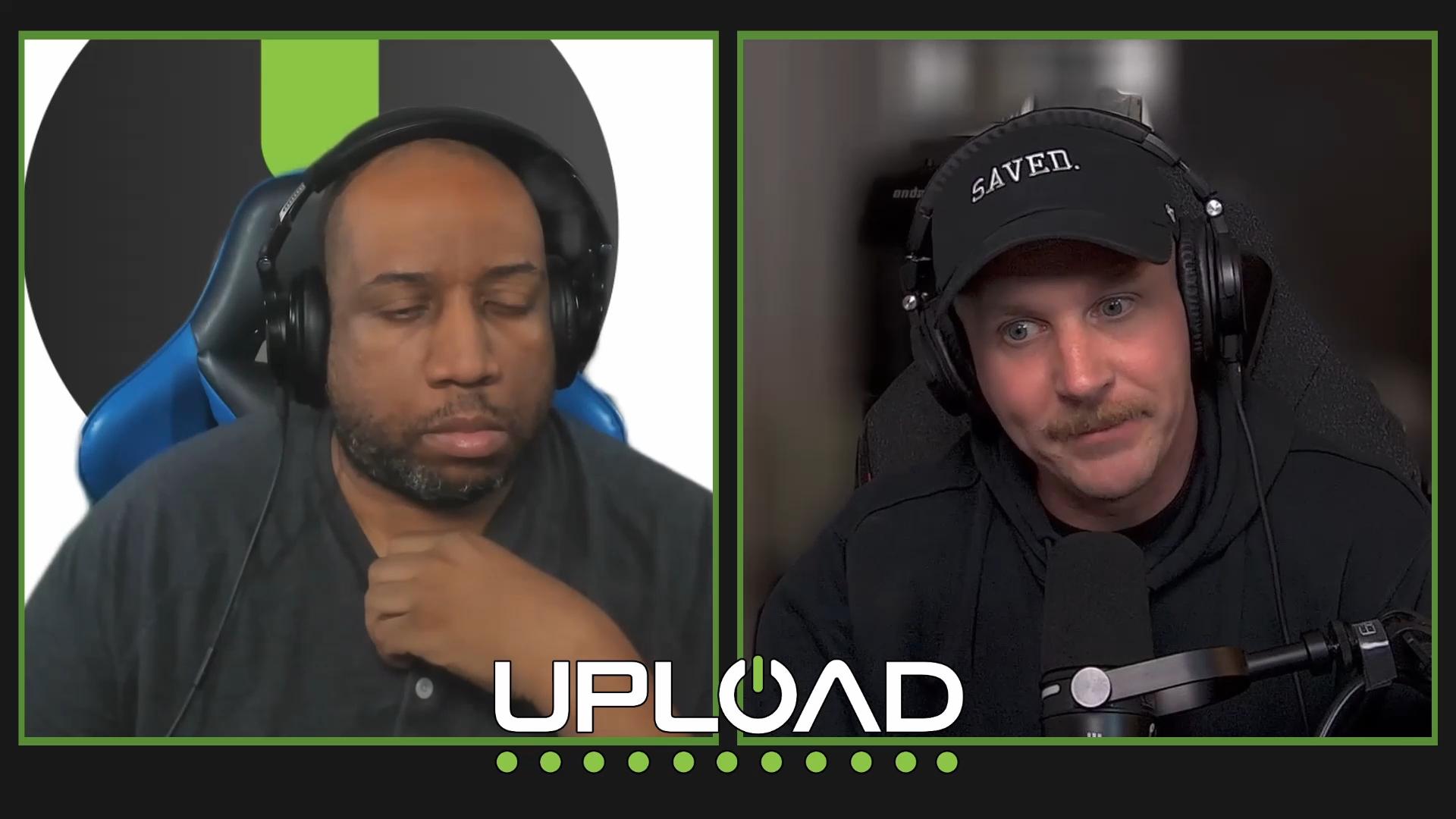
In a recent appearance on the UploadVR Gamescast, Albright detailed the development and implementation of "Tomahawk," a bespoke anti-cheat solution designed specifically for the unique architecture of VR and standalone headsets. His insights reveal a industry-wide vulnerability, a contentious relationship with platform holders, and an unconventional "catch-a-thief" approach to security recruitment.
Main Facts: The Birth of Tomahawk
The core of the issue lies in the transition from PC-based gaming to standalone VR platforms, such as the Meta Quest series. Traditional anti-cheat heavyweights like BattlEye and Easy Anti-Cheat (EAC) were built for Windows environments. While these tools are effective on PC VR, they are largely incompatible with the Android-based operating systems that power standalone headsets.
According to Albright, the industry’s reliance on "Meta Attestation"—Meta’s proprietary security layer—left a massive vacuum in protection. "There was no software other than Meta Attestation. That was it, and it’s absolutely horrible," Albright stated bluntly. He noted that while Ghosts of Tabor utilizes BattlEye for its PC version, the standalone version was effectively defenseless until the creation of Tomahawk.
Tomahawk is not merely a port of existing technology but a ground-up reconstruction of security protocols tailored for the VR ecosystem. It focuses on identifying modified APKs (Android Package Kits), rooted devices, and unauthorized scripts that give players unfair advantages such as wallhacks, aimbots, or speed exploits.
Chronology: From Extraction Shooter to Security Innovator
The timeline of Tomahawk’s development is inextricably linked to the meteoric rise of Ghosts of Tabor. When the game launched into open beta and subsequent early access, it quickly became clear that the "extraction" genre—where players risk losing hard-earned gear upon death—was a primary target for malicious actors.
- Early 2023: Ghosts of Tabor gains traction. Combat Waffle Studios realizes that Meta Attestation is being bypassed by "script kids" (skids) using AI-assisted tools to modify game files in real-time.
- Mid-2023: Albright takes the unconventional step of identifying the game’s most prolific cheaters. Rather than simply banning them, he engages with them to understand the vulnerabilities of the platform.
- Late 2023: Combat Waffle Studios officially hires a three-man security team composed of former high-level cheaters. Development on Tomahawk begins in earnest.
- 2024: Tomahawk is integrated across Combat Waffle’s titles and begins protecting third-party accounts. The system evolves to include bit-by-bit APK verification and hardware-level detection.
- Present: Combat Waffle is now testing Tomahawk against upcoming hardware, including Valve’s rumored "Steam Frame" pilot program.
Supporting Data: The Impact of Tomahawk by the Numbers
To quantify the scale of the problem, Albright provided staggering figures during the interview. The data suggests that cheating in VR is far more prevalent than many industry analysts previously assumed.
- Accounts Protected: Tomahawk currently secures over 2,600,000 accounts across various titles.
- Attempted Cheaters Stopped: Since the public launch of the software, Tomahawk has blocked nearly 5,000 attempted cheaters.
- Modified APKs: The system has identified and halted 4,000 users attempting to play with modified game files.
- Rooted Devices: Approximately 200 rooted headsets—devices where the user has gained administrative access to bypass OS-level restrictions—have been detected and barred.
- Active Bans: Over 1,000 permanent bans are currently active across Combat Waffle’s ecosystem.
Albright emphasized that these numbers represent a "cat-and-mouse" game that is constantly shifting. The use of AI has lowered the barrier to entry for cheaters, allowing even those with minimal coding knowledge to generate functional exploits.

Official Responses and Industry Conflict: The Meta Standoff
One of the most striking revelations from Albright’s interview was the reported friction between Combat Waffle Studios and Meta’s security team. Albright alleges that Meta was dismissive of the threats facing standalone VR, leading Combat Waffle to take matters into their own hands.
"We’ve even told Meta how to do this [security verification], and they refused to do it," Albright claimed. He described meetings where Meta’s security personnel allegedly told him that cheating on standalone devices "could never happen" and that rooted headsets were a non-issue.
"Boom. Here we are. So, we did it ourselves," Albright said. The tension highlights a growing divide between independent developers who are on the front lines of community management and platform holders who may be slower to acknowledge systemic vulnerabilities in their hardware.
Combat Waffle’s approach involves checking "every bit and byte" of an APK to ensure it matches the official release 100%. This level of scrutiny is resource-intensive but, according to Albright, necessary because Meta’s own tools failed to stop "script kids" from bypassing security "in the blink of an eye."

The "Federal" Strategy: Hiring the Enemy
Perhaps the most controversial aspect of Tomahawk’s development is the composition of its security team. Albright openly admits to following the "Federal" model—referencing how government agencies often recruit hackers to bolster national cybersecurity.
The three-man team behind Tomahawk consists of former prolific cheaters who had been active since the early days of Call of Duty. These individuals had previously made significant sums of money in Bitcoin by developing and selling cheats.
"We brought these guys in and turned them legit," Albright explained. The gamble was whether these individuals would find the same "rush" in catching cheaters as they did in playing the game from the other side. So far, the gamble has paid off. Albright notes that their deep understanding of the cheater’s mindset—specifically the "relentlessness" of young users—has been instrumental in Tomahawk’s efficacy.
Implications: The Future of VR Security and the "Steam Frame"
The success of Tomahawk has significant implications for the future of the VR industry. As VR moves toward more competitive and economy-driven experiences, the lack of robust, standardized anti-cheat could become a bottleneck for growth.
The Challenge of Open Systems
Albright voiced significant concern regarding Valve’s "Steam Frame," a project Combat Waffle is currently testing as part of a pilot program. Unlike Meta’s closed ecosystem, the Steam Frame is expected to be more open-source, potentially allowing users to root the device or modify the OS with ease.
"The Frame is going to be hard to stop," Albright admitted. "It’s going to be rooted from Steam, and they don’t care." This openness presents a double-edged sword: while it fosters innovation and user freedom, it creates a "nightmare" for anti-cheat developers. Combat Waffle is currently experimenting with ways to secure the Steam Frame without "bricking" (permanently disabling) users’ headsets by accident—a high-stakes technical challenge that requires precision.
The AI Arms Race
The interview also touched on the role of Artificial Intelligence. Albright observed that "script kids" are using AI to modify games like Animal Company and Yeeps with alarming creativity. This suggests that the next generation of anti-cheat must also be AI-driven, capable of recognizing behavioral patterns rather than just searching for known malicious code.
A New Standard for VR?
With 2.6 million accounts already under its protection, Tomahawk is positioning itself as the "BattlEye of VR." If Meta and other platform holders continue to lag in providing native security solutions, third-party software like Tomahawk may become a mandatory integration for any VR developer looking to maintain a competitive multiplayer environment.

Conclusion
Scott Albright’s insights paint a picture of a "wild west" in VR gaming, where developers must become security pioneers to protect their communities. Tomahawk represents a shift away from corporate-led security toward a more aggressive, developer-centric model. By hiring the very people who once broke the system, Combat Waffle Studios has created a shield that—for now—is holding the line.
However, as hardware becomes more open and AI tools become more accessible, the battle is far from over. As Albright noted, if the "relentless" kids trying to hack his games put that same effort into their schoolwork, they might be the next Einsteins. For now, they remain the primary antagonists in a high-tech game of digital cat-and-mouse that will define the fairness of the metaverse for years to come.