The Architecture of the Impossible: How SoHo’s Furry Puppet Studio and the Henson Lineage Redefine Modern Surrealism
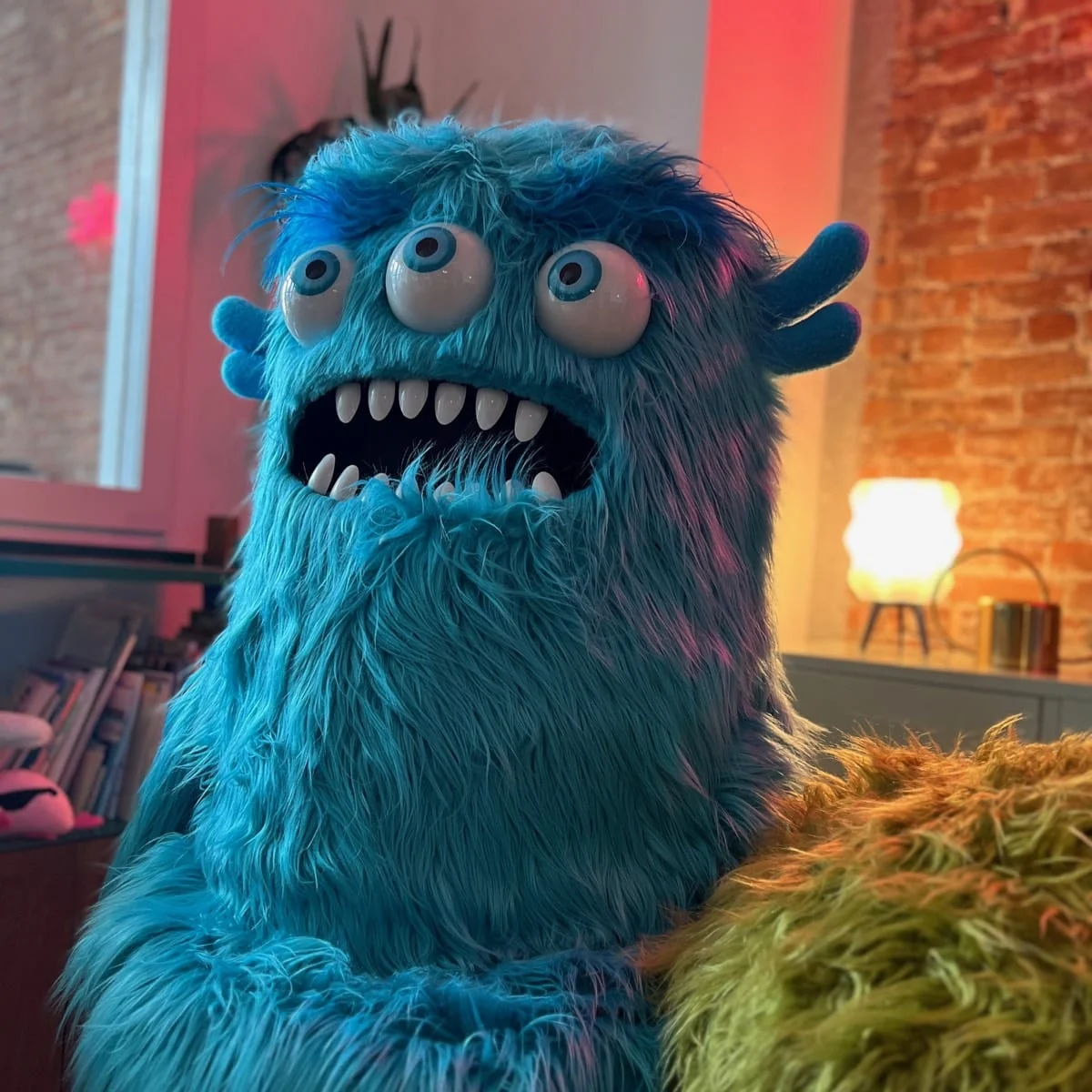
In an era dominated by digital artifice and generative algorithms, a quiet revolution of the tactile is taking place in a sunlight-streaked studio in SoHo, New York. Furry Puppet Studio, a design house dedicated to the hand-carved creation of custom creatures, has become an unlikely sanctuary for one of the oldest traditions in art: Surrealism. While the term is often associated with the oil paintings of Salvador Dalí or the cinematic fever dreams of David Lynch, the artisans at Furry Puppet Studio—and their predecessors in the Henson and Big Nazo lineages—are proving that the most profound surrealism is the kind you can physically hold.
Main Facts: The Intersection of Foam and the Fantastic
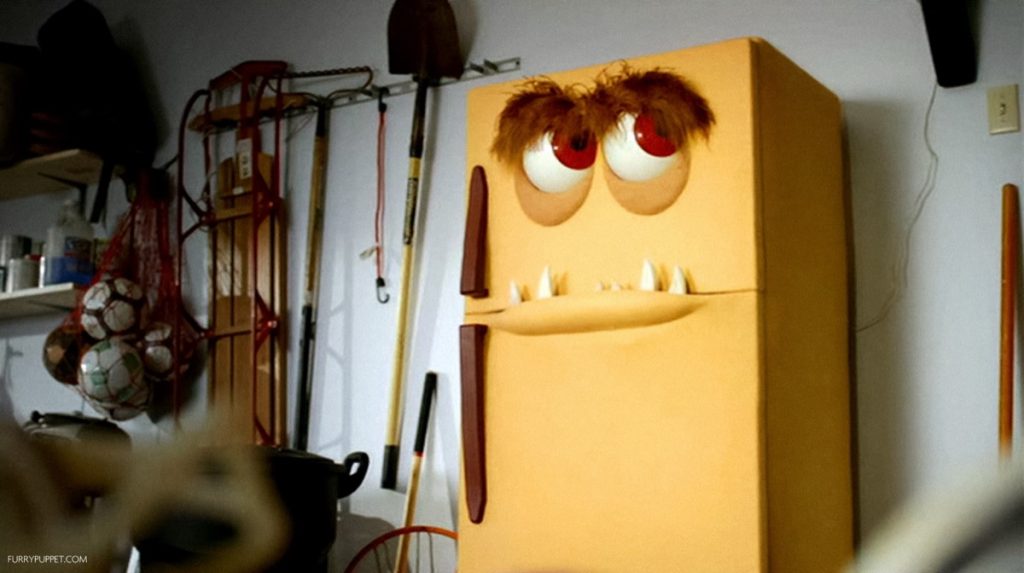
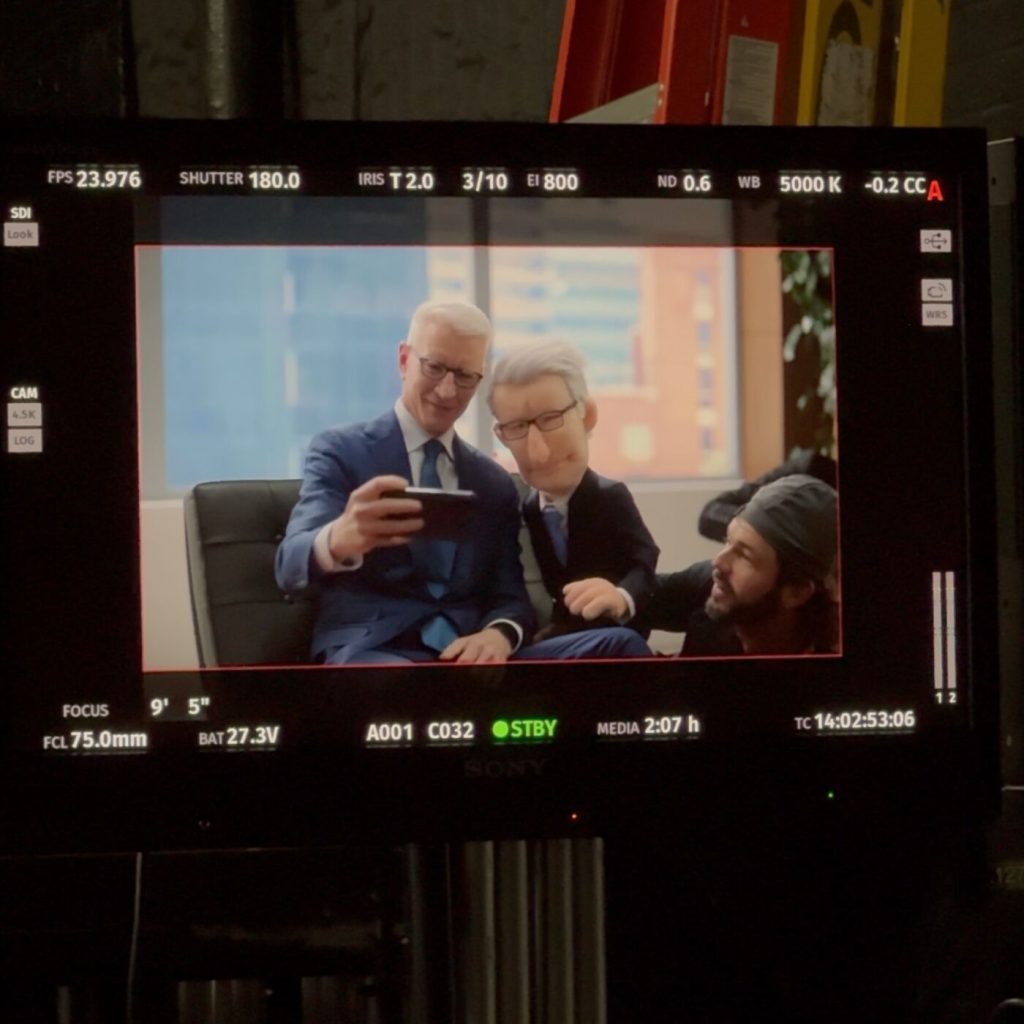
Furry Puppet Studio, founded by designer Zack Buchman, operates on a philosophy that bridges the gap between commercial fabrication and avant-garde art. The studio specializes in "unusual work," a self-description that understates the psychological complexity of their creations. From hyper-realistic doppelgängers of celebrities to sentient household appliances, their catalog serves as a modern manifesto for the "marvelous"—a concept André Breton, the father of Surrealism, defined as the eruption of the extraordinary into the mundane.
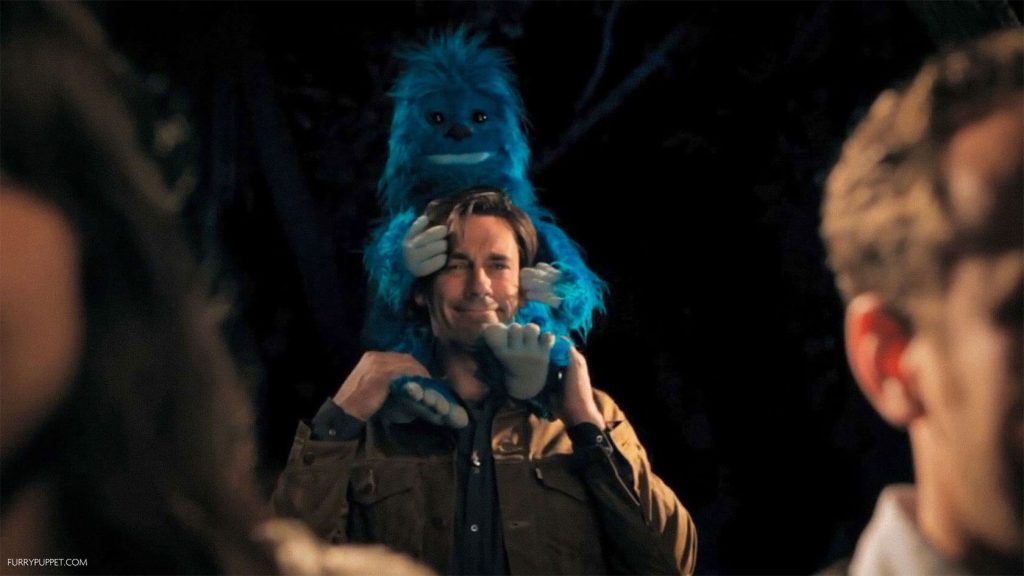
The studio’s work is characterized by a high degree of craftsmanship that eschews the "undo" button of digital design. Every creature begins as a solid block of foam, hand-carved with surgical precision. This physical permanence lends the puppets a "weight" that CGI often lacks, creating a visceral reaction in the viewer. Their portfolio includes high-profile collaborations with icons such as Jon Hamm, Missy Elliott, and Anderson Cooper, as well as global campaigns for Apple and CNN.

The core of their mission is not merely to entertain, but to trigger the "uncanny"—that specific psychological frequency where the brain stops seeing an object and starts perceiving a being. By placing these "impossible" entities in ordinary settings—a roadside, a garage, a news desk—Furry Puppet Studio continues a century-long tradition of challenging the boundaries of reality.
Chronology: From Experimental Film to Street Ambush
The lineage of this tactile surrealism can be traced through three distinct movements over the last sixty years:
1. The Henson Avant-Garde (1960s–1980s)
Before Sesame Street became a global institution, Jim Henson was a fixture of the experimental film circuit. In 1965, he released Time Piece, a dialogue-free short film that utilized associative logic and jump-cuts to explore the frantic nature of modern life. Nominated for an Academy Award and screened at the Museum of Modern Art (MoMA), the film featured imagery—a cowboy shooting the Mona Lisa, a man in a hospital bed becoming a percussion instrument—that established the puppet-maker as a true surrealist.
Henson’s later work, specifically the original 1982 cut of The Dark Crystal, pushed this further. He envisioned a world devoid of humans, populated entirely by complex, often grotesque puppets. When studio executives pressured him to soften the film’s "weirdness," Henson reportedly bought the film back himself to preserve its uncompromising vision.
2. The Big Nazo "Puppet Show Without a Stage" (1986–Present)
In the mid-1980s, the movement moved from the screen to the streets. Erminio Pinque, a RISD-trained illustrator, founded Big Nazo in Providence, Rhode Island. Pinque’s goal was to liberate the puppet from the proscenium arch. His troupe of wearable, oversized foam aliens and monsters began "ambushing" the public in parades and festivals. This was "automatism" in action—the surrealist belief that chance encounters and accidents yield greater truth than planned performances. Big Nazo proved that the uncanny didn’t need a narrative; it only needed a physical presence to disrupt the status quo.
3. The Furry Puppet Synthesis (2000s–Present)
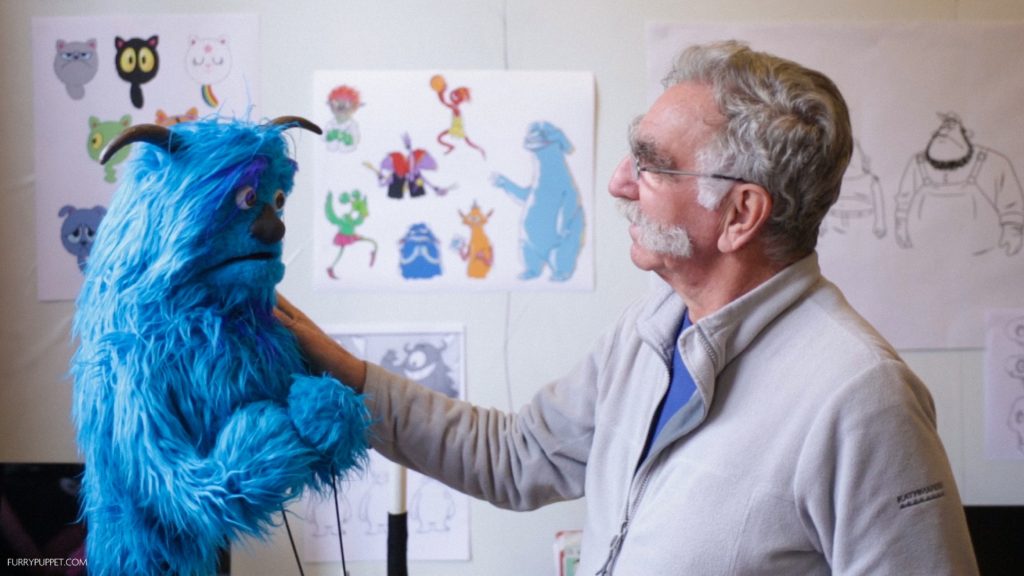
Zack Buchman founded Furry Puppet Studio with an "outsider’s" perspective, having bypassed traditional collegiate art programs. Based in SoHo, the studio refined the raw energy of Big Nazo and the experimental depth of Henson into a high-end fabrication house. They introduced "dream fleece"—a proprietary fabric manufactured in-house—and integrated mechanical engineering to create puppets with nuanced, lifelike movements. This era represents the professionalization of the surreal, where the "impossible" is built to withstand the rigors of national television and global advertising.
Supporting Data: The Mechanics of the Uncanny
The effectiveness of a Furry Puppet build relies on a meticulous technical process that mirrors the rigors of classical sculpture.
- Hand-Carving vs. Digital Rendering: Unlike 3D printing or CGI, hand-carving foam is a subtractive process with no margin for error. This demands a level of "nerve" and spatial intuition that imparts a unique character to every piece. Buchman describes his lead foam carver as a "real-life Edward Scissorhands," emphasizing the artisanal nature of the work.
- The Anatomy of the Eye: In the Furry Puppet workshop, the placement of the eyes is the final and most critical step. A fractional shift of a millimeter can alter a puppet’s disposition from inquisitive to predatory. This "hinge moment" is where fabrication ends and "life" begins.
- Proprietary Materials: To achieve a texture that looks organic under high-definition cameras, the studio developed "dream fleece." This material interacts with light in a way that standard retail fabrics cannot, providing a soft, diffused glow that mimics skin or fur.
- The Team Composition: The studio functions as a cross-disciplinary laboratory. The staff includes mechanical engineers to handle internal armatures, foam sculptors, and legendary costume designers like Polly Smith (co-inventor of the sports bra), ensuring that every creature is as functional as it is fantastical.
Official Responses: Philosophy from the Creators
The creators involved in this lineage view their work not as toy-making, but as a sophisticated psychological intervention.
Zack Buchman (Furry Puppet Studio) emphasizes the moment of cognitive dissonance: "The goal is the instant disbelief clicks off, when your brain stops hunting for the rods and simply accepts that what it is seeing is alive. That is the entire project of surrealism, stated plainly by someone who happens to work in foam."
Erminio Pinque (Big Nazo) speaks to the power of the "beautiful accident": "Traveling far from what I knew left me free to fail wonderfully. The accidents, the things that go wrong on tour, are where the good juxtapositions come from." This echoes the surrealist faith that the subconscious (and the chaotic) knows more than the conscious mind.
Historical Context (Jim Henson): Though Henson rarely spoke in academic surrealist terms, his actions spoke for him. By refusing to "sand the weirdness off" his projects, he maintained that the puppet was an avant-garde instrument. His work in Youth ’68 and Time Piece suggests a man who saw the camera and the puppet as tools to deconstruct reality rather than merely mirror it.
Implications: Why the Physical Still Matters
The persistence of studios like Furry Puppet in a digital age carries significant implications for the future of art and media.
The Survival of the Uncanny Valley
In 1970, roboticist Masahiro Mori identified the "Uncanny Valley"—the point at which a near-human object triggers a sense of revulsion in people. While CGI often falls into this valley because it lacks "physical truth," puppets often bypass it. Because a puppet is physically present in the same light and atmosphere as the human actors, the brain is more willing to accept its "life." This "surrealism you can walk up to" provides a level of immersion that a screen cannot replicate.
The Return to Craftsmanship
There is a growing cultural fatigue with the "perfect" nature of digital effects. The "no undo" philosophy of the SoHo studio represents a return to the "bravery of the mark" found in traditional painting. This suggests that the future of high-end media may lie in a hybrid approach where physical artifacts provide the soul, and technology merely provides the platform.
Surrealism as a Commercial Tool
Furry Puppet Studio has successfully commercialized the "marvelous." By placing a blue yeti in a car with Jon Hamm or a sentient refrigerator in a suburban garage, they are using surrealist motifs to cut through the noise of modern advertising. It proves that the "uncanny double"—a motif Freud identified as central to our psyche—remains one of the most powerful ways to capture human attention.

In conclusion, the SoHo studio is more than a fabrication shop; it is a laboratory for the impossible. As long as there are artists willing to carve life out of foam and engineers willing to build skeletons for dreams, the tradition of surrealism will continue to breathe, blink, and look back at us from the most unexpected places. Whether it is a doppelgänger on a news set or a monster in a music video, these creations remind us that the world is much stranger than we permit ourselves to believe—and that sometimes, the most "unreal" things are the ones we can touch.