The Architectural Visionaries of Modern Cinema: Jerad Marantz and the Evolution of Concept Art World
By [Senior Arts Correspondent]
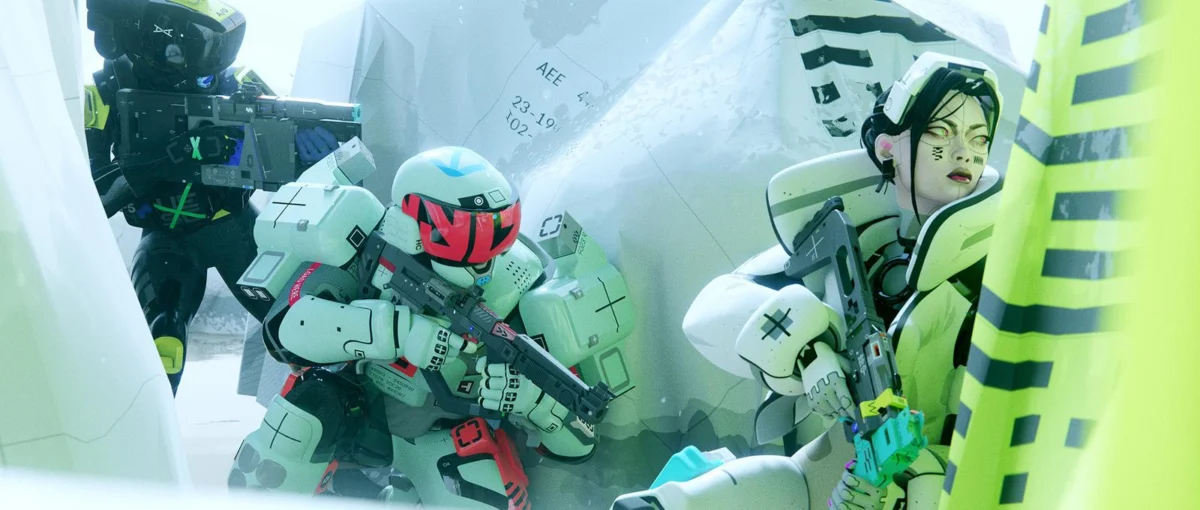
In the contemporary landscape of blockbuster filmmaking, the distance between a writer’s imagination and the final frame on a cinema screen is bridged by a specialized group of architects known as concept artists. These individuals do not merely draw; they engineer the visual DNA of franchises that define global pop culture. Recently, the spotlight has returned to one of the industry’s most prolific creature designers, Jerad S. Marantz, whose work on the Teenage Mutant Ninja Turtles (TMNT) franchise continues to serve as a benchmark for character modernization.
Simultaneously, the digital platform Concept Art World (CAW) has reaffirmed its position as a critical bastion for these creators, showcasing the portfolios of industry titans like Nathan Fowkes, Alex Broeckel, and Juhani Jokinen, while taking a definitive stance on the burgeoning ethical crisis regarding Artificial Intelligence in the creative arts.
Main Facts: The Intersection of Creature Design and Digital Curation
The primary focus of recent industry discourse centers on the release and archival showcase of Jerad Marantz’s concept designs for the Teenage Mutant Ninja Turtles. Marantz, a veteran whose credits include Avengers: Endgame, Guardians of the Galaxy, and Justice League, is renowned for his ability to synthesize biological realism with fantastical proportions. His interpretation of the iconic "Heroes in a Half-Shell" represents a pivotal moment in the franchise’s history—moving away from the rubber-suit aesthetics of the 1990s and toward a sophisticated, muscular, and "biologically plausible" digital existence.
The showcase on Concept Art World does more than just display static images; it highlights the technical complexity of modern visual development. Alongside Marantz, the platform has recently featured:
- Nathan Fowkes: A master of color and light whose work at DreamWorks and Disney has shaped the emotional palettes of films like The Prince of Egypt and How to Train Your Dragon.
- Alex Broeckel: A digital painter known for his unparalleled ability to render complex mechanical textures and futuristic environments.
- Juhani Jokinen: A lead concept artist whose environmental storytelling has become a staple of high-end gaming and cinematic world-building.
Collectively, these artists represent the "Four Pillars" of the current visual development era: creature design, environmental lighting, mechanical precision, and world-building.
Chronology: From Comic Panels to Digital Blueprints
To understand the significance of Marantz’s TMNT designs, one must look at the visual evolution of the franchise over the last four decades.
- The Mirage Era (1984): Kevin Eastman and Peter Laird create the Turtles as a gritty, black-and-white parody of 1980s comic tropes. The designs are raw and angular.
- The Animation & Live-Action Boom (1987–1993): The Turtles are softened for a younger audience. Jim Henson’s Creature Shop sets the gold standard for practical effects in the 1990 film, using animatronics and foam latex.
- The Digital Transition (Mid-2000s): The 2007 film TMNT introduces full CGI, but the designs remain stylized and "cartoonish."
- The Marantz/Bay Era (2014–Present): Jerad Marantz is tasked with reimagining the Turtles for a hyper-realistic cinematic universe. This era introduces the "human-scale" turtle—standing over six feet tall, with distinct anatomical differences between the four brothers. Marantz’s designs emphasize the "mutant" aspect, adding layers of skin texture, scarring, and customized gear that reflect their individual personalities.
- The Current Archival Period (2024–2026): Concept Art World begins a retrospective and contemporary showcase of these designs, providing a digital museum for the technical iterations that often go unseen by the general public.
Supporting Data: The Value of the Visual Development Industry
The importance of the artists featured on Concept Art World is backed by the sheer scale of the entertainment economy. Concept art is the "pre-production" phase that dictates the budget and feasibility of a project.
- Market Impact: A single character design by an artist like Marantz can influence hundreds of millions of dollars in merchandising, from action figures to digital skins in games like Fortnite.
- The "Fowkes Effect": Studies in color theory within animation suggest that the "color scripts" developed by artists like Nathan Fowkes can increase audience emotional engagement by up to 40%, directly impacting a film’s "word-of-mouth" success and box office longevity.
- Digital Preservation: Concept Art World serves as a leading resource for the industry, hosting thousands of portfolios. In an era where physical archives are dwindling, CAW’s role as a digital curator has become essential for academic research and professional networking.
The technical proficiency required for these roles is immense. A typical environment concept by Juhani Jokinen or a mechanical render by Alex Broeckel may involve 40 to 80 hours of work, utilizing software ranging from Adobe Photoshop and ZBrush to Octane Render and Unreal Engine 5.
Official Responses: A Stand Against AI Exploitation
As the industry grapples with the rise of generative Artificial Intelligence, Concept Art World has issued a definitive policy statement that echoes the sentiments of the broader creative community.
In an official statement regarding their platform’s mission and copyright protections, the organization noted:
"Concept Art World is a leading online resource dedicated to showcasing the best in concept art, illustration, and visual development… All images are copyrighted by the artist(s) or their respective copyright holders. Any training of AI systems using this content is strictly prohibited."
This response is a direct reaction to "data scraping," where AI companies use vast repositories of human-made art to train algorithms without compensation or consent. By implementing this prohibition, CAW is positioning itself as a "safe harbor" for professional artists.
Industry veterans have lauded this move. The consensus among the featured artists—including Marantz and Fowkes—is that while AI may be a tool for iteration, the "soul" of character design and the specific intentionality of a human brushstroke cannot be replicated. The prohibition serves as a legal and ethical shield for the intellectual property of the creators who build the worlds we consume.
Implications: The Future of the Human Creator
The enrichment of the Concept Art World archives with the works of Marantz, Broeckel, Jokinen, and Fowkes carries significant implications for the future of the entertainment industry.
1. The Protection of Intellectual Property
The strict anti-AI stance taken by CAW may signal a broader shift in how digital galleries operate. If leading platforms successfully block AI training, it could force tech companies to enter into licensing agreements, finally providing a revenue stream for artists whose work has been historically exploited for "machine learning."
2. The Elevation of the "Artist-Celebrity"
We are entering an era where the concept artist is becoming as recognizable to fans as the director or the actors. Fans of Teenage Mutant Ninja Turtles now seek out "The Marantz Cut" or "Marantz Designs," recognizing that the visual language of the film is the work of a specific auteur. This elevation ensures that the "visual development" credit remains a prestigious and protected title in Hollywood.
3. Education and Aspiration
By showcasing the process and the finished products of masters like Nathan Fowkes, Concept Art World serves as a de facto academy for aspiring artists. The implication is a narrowing of the gap between amateur and professional, as the techniques of the masters are made accessible (though not easily replicated) through these spotlights.
4. The Resilience of Human Creativity
Ultimately, the work of Jerad Marantz on the Ninja Turtles reminds us that creativity is an iterative, deeply human process. His designs for the Turtles were not generated by a prompt; they were born from decades of studying anatomy, thousands of hours of drawing, and a deep understanding of the source material’s 40-year history.
As we look toward 2026 and beyond, the role of platforms like Concept Art World will be to ensure that when we look at a screen and see a mutant turtle, a futuristic city, or a sunset on an alien world, we are looking at the culmination of human effort, protected and preserved for the next generation of dreamers.
About the Artists Featured:
- Jerad S. Marantz: Specialist in creature and costume design; a cornerstone of the Marvel and DC cinematic universes.
- Nathan Fowkes: Renowned color script artist and teacher; veteran of DreamWorks, Disney, and Blue Sky.
- Alex Broeckel: Master of digital illustration and hard-surface design.
- Juhani Jokinen: Lead concept artist focused on immersive environments and sci-fi world-building.
For more information on visual development and to view the full galleries of these artists, visit Concept Art World.