
The New Visual Language of Athletics: How Sports Photography Traded Perfection for Raw Cultural Relevance
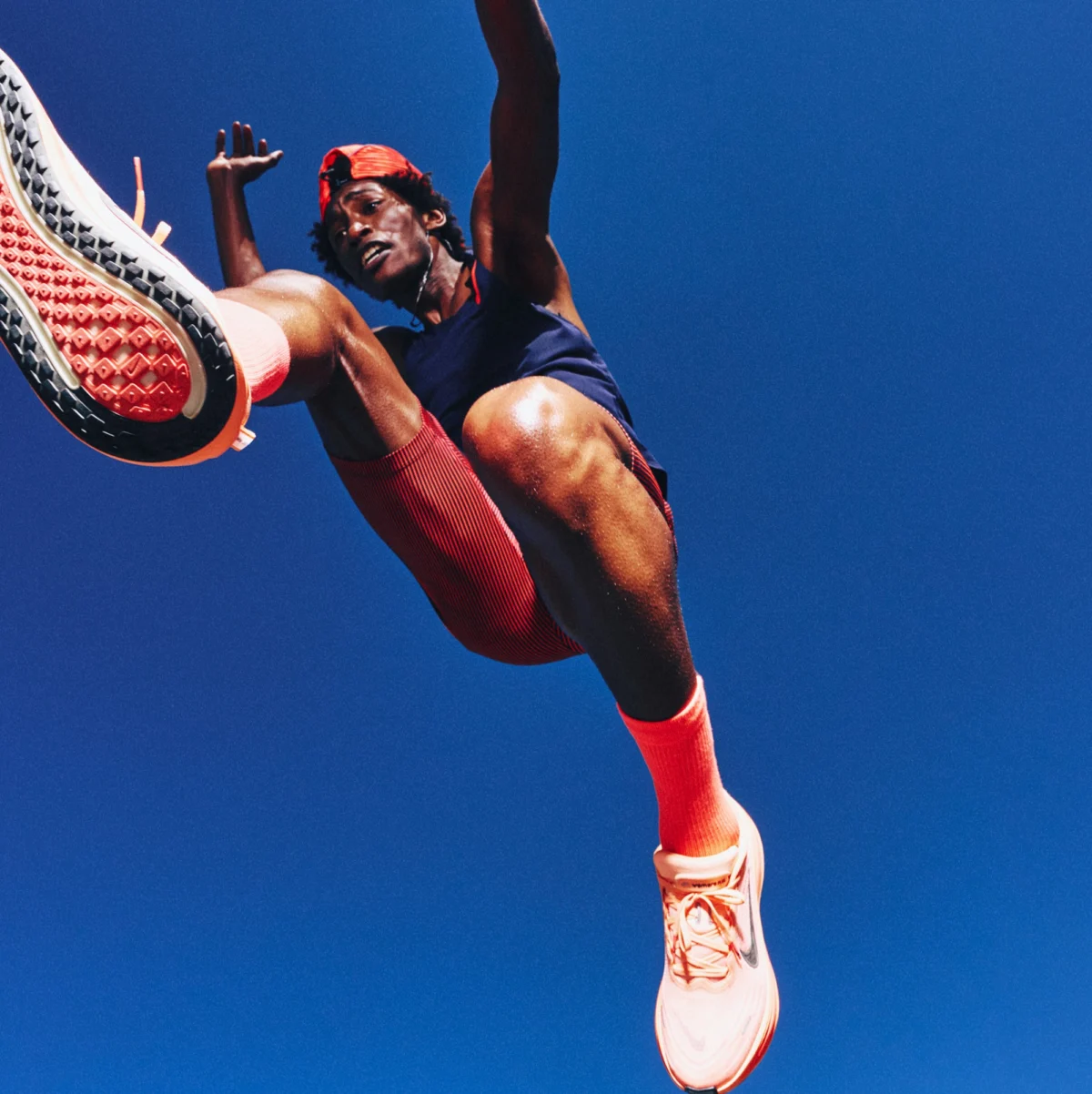
In the contemporary landscape of global marketing, the image of the athlete is undergoing a radical transformation. For decades, the gold standard of sports photography was defined by the "hero shot": a hyper-stabilized, razor-sharp, and meticulously lit moment of peak physical exertion. However, a profound shift is underway. As sports brands compete for a dwindling share of consumer attention in a saturated digital economy, the industry is pivoting away from polished perfection toward a grittier, more evocative aesthetic shaped by fashion, documentary realism, and internet subcultures.
Today, the most influential sports imagery occupies a liminal space between performance and lifestyle. It is no longer enough for a photograph to show what a shoe does; it must now communicate what a brand means. This evolution represents a fundamental change in how we perceive athleticism—moving from the celebration of the superhuman to the documentation of the human.
Main Facts: The Death of the Polished Action Shot
The traditional boundaries of sports photography have dissolved. In their place, a new visual language has emerged, characterized by motion blur, unconventional framing, and a "lo-fi" sensibility that prioritizes mood over technical precision. Leading the charge are industry giants like Nike, Adidas, and newer disruptors like On and Salomon, all of whom are increasingly commissioning photographers who bring a distinct, often non-commercial, artistic voice to their campaigns.
The core of this movement lies in the pursuit of "cultural relevance." In an era where consumers are bombarded by AI-generated perfection and highly filtered social media content, there is a growing hunger for authenticity. Brands are finding that a documentary-style photograph of a runner catching their breath in a rainy alleyway resonates more deeply than a staged studio shot of a sprinter on a track.
Key characteristics of this new era include:
- The Fusion of Genres: The blurring of lines between high-fashion editorial, street photography, and traditional sports coverage.
- Aesthetic Imperfection: The intentional use of film grain, overexposure, and "candid" compositions to simulate a sense of real-time discovery.
- Identity-Driven Narrative: A focus on the athlete’s life outside of competition, emphasizing their personal style, community, and emotional state.
- Creative Autonomy: A shift in the power dynamic between brand and creator, where photographers are hired for their specific "visual language" rather than their ability to follow a rigid corporate style guide.
Chronology: From the "Heroic" Era to the 2019 Vibe Shift
To understand where sports photography is going, one must look at where it has been. The timeline of sports imagery can be divided into three distinct eras.
The Era of Heroism (1980s – Early 2000s)
During the rise of the global sports superstar—epitomized by Michael Jordan—photography was designed to elevate the athlete to the status of a deity. Images were high-contrast, often shot in studios with dramatic "rim lighting" to accentuate musculature. The goal was aspirational: to show a level of physical perfection that the average viewer could never hope to achieve.
The Era of Hyper-Perfection (2005 – 2018)
As digital sensor technology and post-processing software (Photoshop) reached their zenith, sports photography became obsessed with clarity. Every bead of sweat was rendered in 8K resolution; every muscle fiber was sharpened. This era was defined by "The Frozen Moment"—a technical marvel that stripped away the chaos of sport to provide a sterile, perfect view of action. While impressive, this style eventually began to feel cold and disconnected from the lived experience of athletes.
The "Vibe Shift" (2019 – Present)
According to photographer Max Manavi-Huber, a prominent figure in this transition who has worked with Nike and On, the industry reached a tipping point around 2019. "Up to that point, sports photography was quite conservative in terms of creative execution," Manavi-Huber explains.
Around this time, the "gorpcore" trend (the adoption of outdoor gear as high fashion) and the rise of niche running clubs began to influence mainstream marketing. Brands realized that the "conservative" approach was failing to capture the energy of modern youth culture. The shift moved toward an experimental and free approach, allowing photographers to treat a commercial shoot like a documentary project or a fashion editorial.
Supporting Data: The Commercial Drivers of the New Aesthetic
The move toward documentary-style imagery is not merely an artistic choice; it is driven by shifting market demographics and consumer psychology.
1. The Rise of the "Everyday Athlete": According to market research by McKinsey & Company, the "athleisure" and performance wear markets have seen a 25% increase in consumers who identify as "lifestyle participants" rather than competitive athletes. These consumers do not relate to the hyper-perfected imagery of the past; they respond to imagery that reflects their own messy, social, and emotional relationship with fitness.

2. The Social Media "Scroll-Stop": On platforms like Instagram and TikTok, polished advertisements are often subconsciously filtered out by users as "noise." Data from digital marketing agencies suggests that "organic-feeling" content—images that look like they could have been taken by a friend or a street photographer—has a 30% higher engagement rate than traditional commercial photography.
3. The Luxury Crossover: The collaboration between sports brands and luxury fashion houses (e.g., Gucci x North Face, Loewe x On, Louis Vuitton x Nike) has forced sports photography to adopt the visual codes of high fashion. This requires a move away from the "gear-focused" shot toward the "mood-focused" shot.
Official Responses: Insights from the Front Lines
The change in aesthetic has fundamentally altered the relationship between brands and the creative talent they employ. In the past, a photographer was often a "service provider" tasked with executing a pre-determined vision. Today, they are treated as collaborators and authors.
Max Manavi-Huber notes that the modern brief is less about technical requirements and more about artistic interpretation. "Clients predominantly book me for my visual language instead of trying to transform me into something I’m not," he says. This reflects a broader trend where brands like Nike are no longer looking for a "Nike Style," but rather a collection of diverse, individual perspectives that collectively build the brand’s cultural mosaic.
Creative directors within these brands are also speaking out about the need for "visual honesty." In recent industry panels, representatives from emerging brands like On have emphasized that their goal is to capture "the feeling of the run" rather than the "mechanics of the run." This involves embracing the "instinctive and energetic" imagery that Manavi-Huber is known for—imagery that feels fast, blurry, and alive.
However, this freedom comes with its own set of challenges. Photographers must now be able to navigate the technical demands of a high-stakes commercial shoot while maintaining the "accidental" feel of a documentary. It requires a high level of trust from the brand, as the final results may not be known until the film is developed or the cards are dumped.
Implications: The Future of the Sporting Image
The implications of this shift extend far beyond the pages of a magazine or a digital billboard. They signal a broader cultural change in how we value sport and physical activity.
The Democratization of the Athlete
By moving away from "God-like" imagery, brands are democratizing the idea of the athlete. When photography highlights the exhaustion, the rain, the urban grit, and the community aspect of sports, it makes the lifestyle more accessible. It suggests that sport is not just for the elite, but for anyone who finds themselves in the frame.
The Blurring of Commercial and Editorial
As sports photography adopts the language of documentary and fashion, the line between "content" and "advertising" continues to thin. We are entering an era where a brand’s seasonal campaign is indistinguishable from a high-end photography book. This raises questions about the future of "authenticity"—if a "raw" documentary shot is paid for by a multi-billion dollar corporation, is it still "real"?
The Demand for New Talent
The "conservative" sports photographer of the past, who specialized in telephoto lenses and high-speed sync, is finding it harder to compete. The new market demands photographers who are culturally literate—those who understand fashion trends, music subcultures, and the nuances of street life. The next generation of sports photographers will likely come from the worlds of skateboarding, street style, and independent filmmaking.
Conclusion
The shift in sports photography from polished action to documentary-fashion hybridity is a reflection of a world that values "vibes" and "energy" over static perfection. As Max Manavi-Huber and his contemporaries continue to push the boundaries of the medium, the sports world will become increasingly colorful, blurry, and human. For the consumer, this means a more honest representation of the sweat and soul of athletics. For the industry, it marks the beginning of a new, experimental chapter where the only rule is that there are no rules—only the pursuit of cultural resonance.


Leave a Comment