The Phoenix Rises: Inside Meta’s Radical Shift Toward Ultralight ‘Pegasus’ Mixed Reality
In the competitive landscape of spatial computing, a new philosophy is taking hold at Meta Platforms Inc. For years, the industry standard for virtual reality (VR) and mixed reality (MR) has been defined by the "all-in-one" headset—a self-contained unit housing the battery, processor, and optics in a single, often front-heavy chassis. However, exhaustive leaks, firmware deconstructions, and internal memos suggest that Meta is preparing to break this mold with a device currently known by the project codename Phoenix.

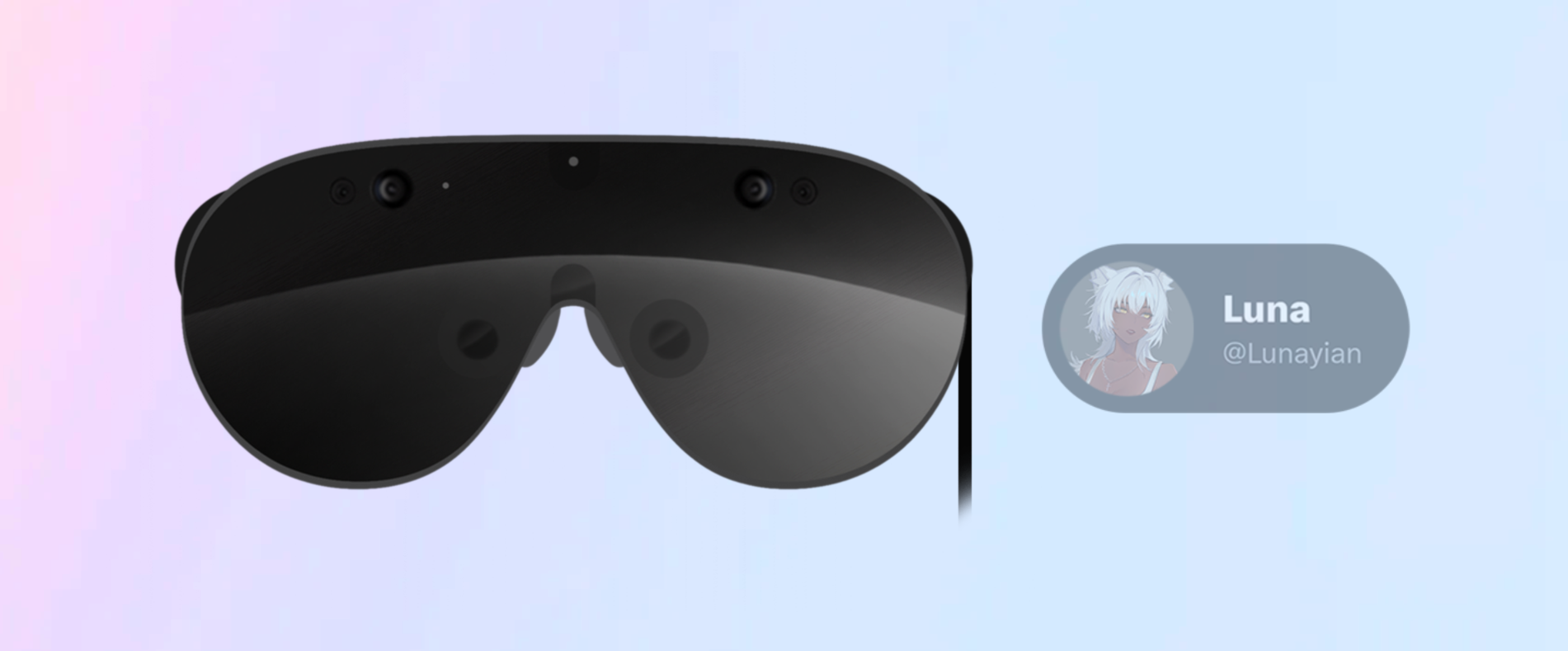
Positioned as a premium, spiritual successor to the Quest Pro, Phoenix—which may eventually market under the name Pegasus—represents a fundamental shift in hardware architecture. By offloading the "brain" and power source to a tethered compute puck, Meta aims to deliver a glasses-like form factor weighing less than 110 grams. This article explores the technical specifications, development history, and strategic implications of the device that Meta hopes will redefine the VR form factor by 2027.

Main Facts: A New Architecture for Comfort
The core innovation of Project Phoenix is its pursuit of "lightness as a premium." Unlike the Meta Quest 3 or the Apple Vision Pro, which struggle with the ergonomic challenges of a front-heavy design, Phoenix utilizes a distributed architecture.
Key Technical Pillars:
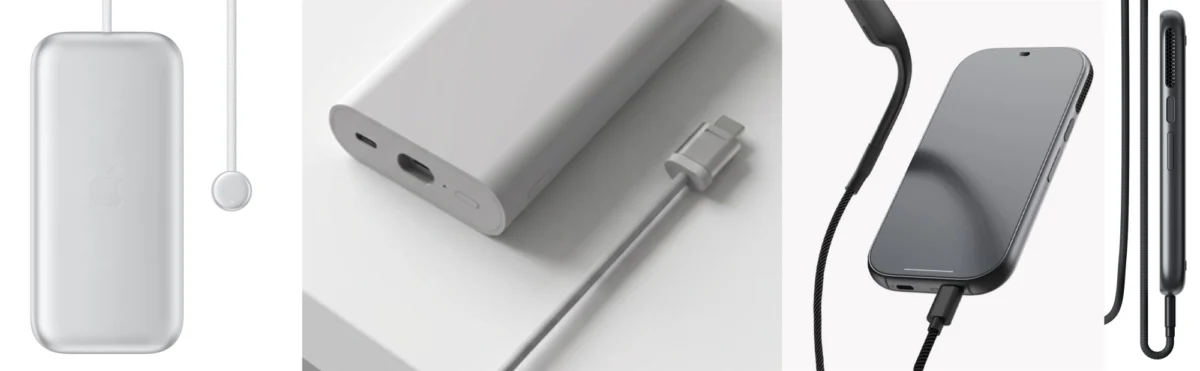
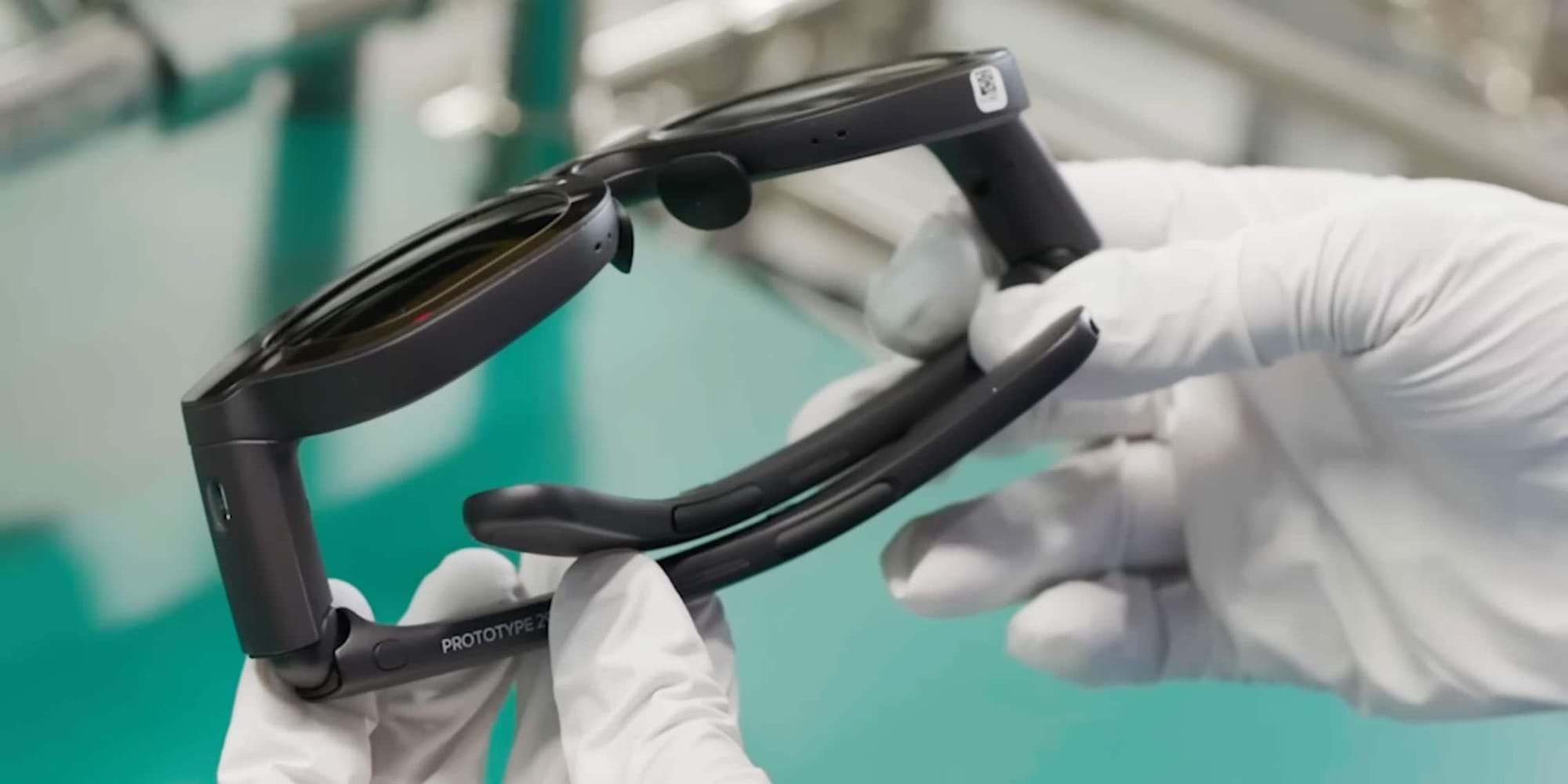
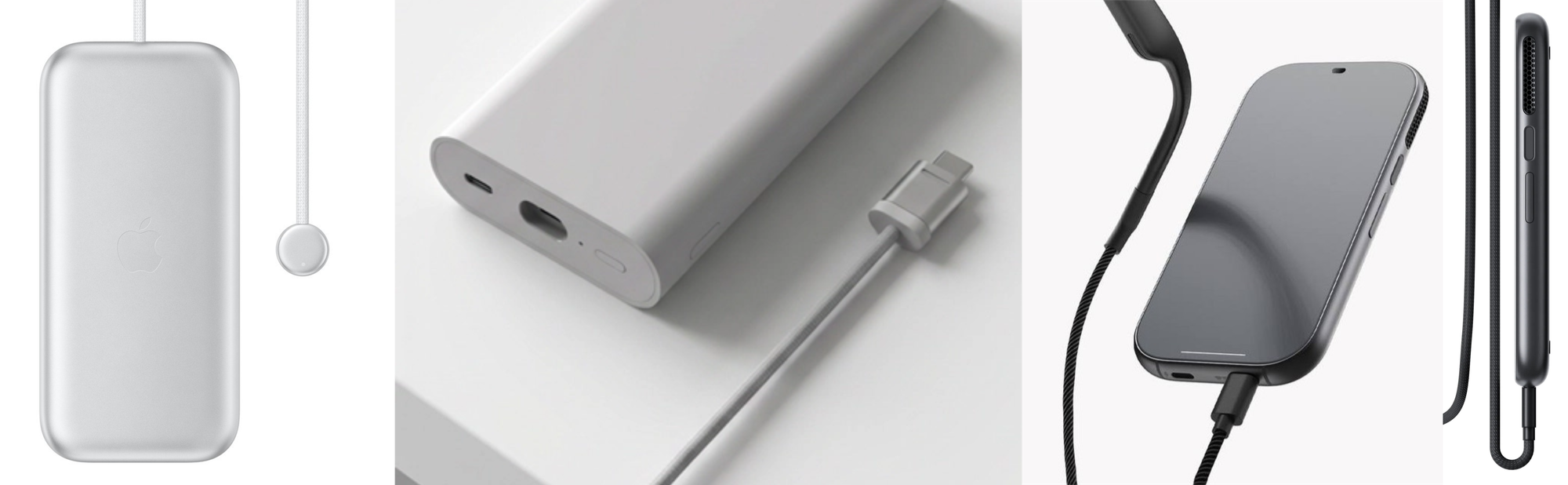
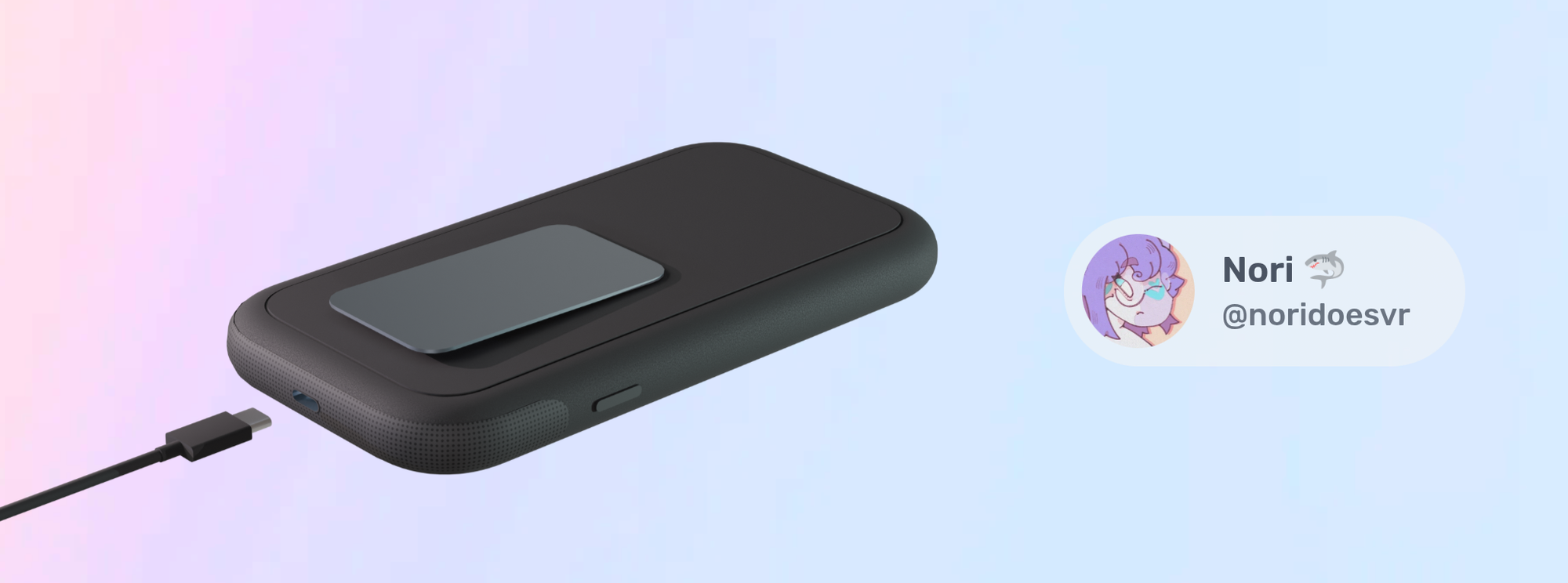
- The Compute Puck: Unlike the Apple Vision Pro, which only offloads its battery to a tethered pack, Phoenix offloads both the battery and the primary computing hardware (Qualcomm Snapdragon Reality Elite) to an external puck. This allows the headset itself to be significantly slimmer and lighter.
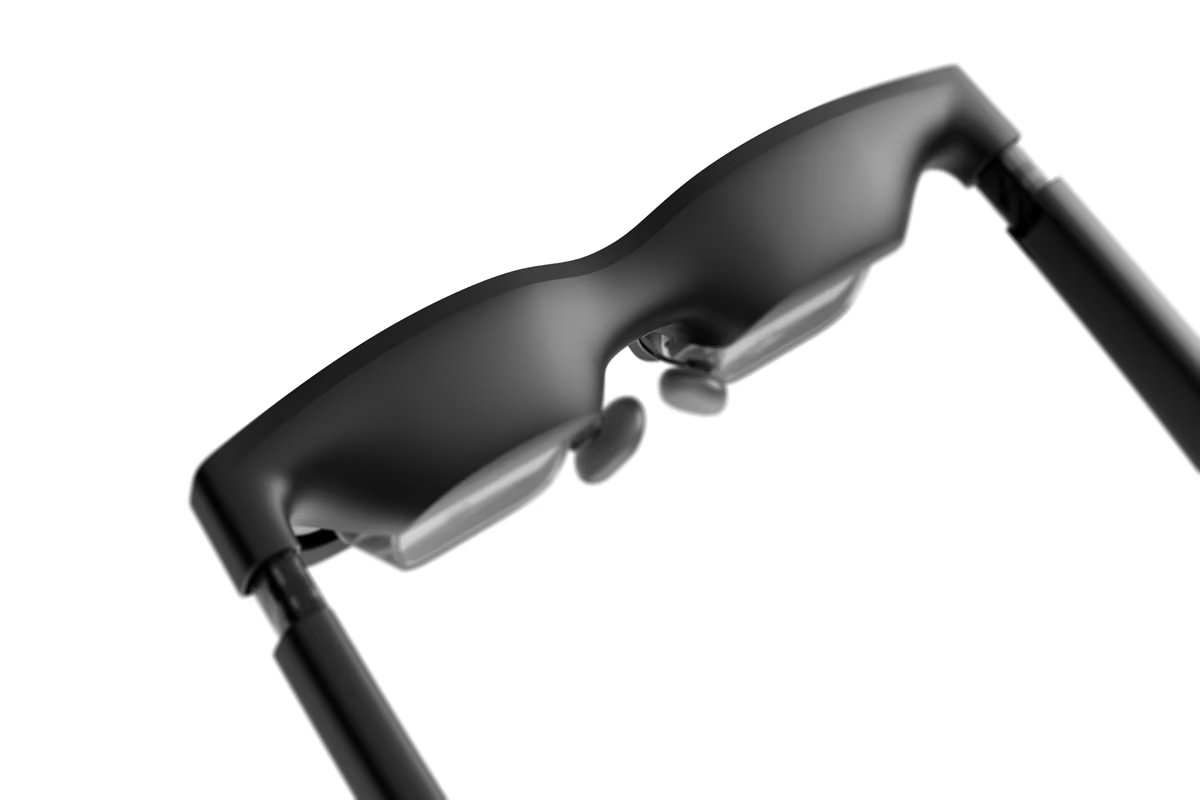
- Optics and Display: The device reportedly features 2.5K Micro-OLED displays (2560×2560 per eye) provided by SeeYA Technology. These are paired with pancake lenses to maintain a slim profile.
- Input Paradigm: Moving away from bulky controllers, Phoenix is designed for a "gaze-and-pinch" interface, utilizing advanced eye and hand tracking.
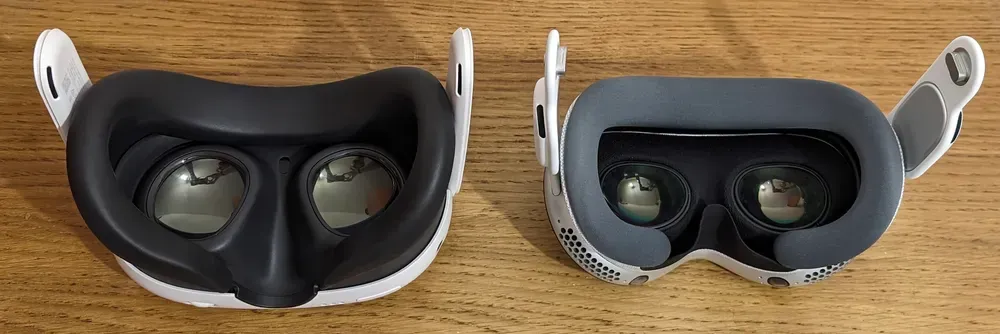
- Open-Periphery Design: Similar to the Quest Pro, Phoenix lacks a traditional facial interface (light blocker), allowing users to maintain a connection with their physical surroundings—a design choice optimized for mixed reality.
- Biometric Security: Firmware suggests the inclusion of "Eye Unlock," a biometric authentication system comparable to Apple’s Optic ID.
Chronology: From ‘Puffin’ to ‘Pegasus’
The journey to Phoenix has been marked by internal pivots and a significant reorganization of Meta’s Reality Labs division.

2024: The Puffin Prototype
Early reports from The Information identified a prototype codenamed "Puffin." Described as a bulky pair of glasses, it weighed approximately 110 grams. At this stage, Meta was still weighing the trade-offs of offloading hardware versus maintaining an all-in-one design.

Late 2024: The Cancellation of ‘La Jolla’
Meta reportedly canceled a direct Quest Pro successor, codenamed "La Jolla." The project was deemed too expensive due to the high cost of Micro-OLED components. This led to a strategic pivot: rather than trying to out-spec the Apple Vision Pro in a traditional headset format, Meta decided to prioritize wearability.
2025: Prioritization and Rebranding
By mid-2025, internal focus shifted entirely to the ultralight project, now codenamed Phoenix. Reports indicated that this device would take precedence over a traditional Quest 4, which was pushed back to a 2027 or 2028 release window. During this period, the hardware candidate received the codename "Loma."
2026: Firmware Leaks and Retail Readiness
In early 2026, dataminers discovered references to "Stanley" (the mainboard) and "Loma" in Horizon OS firmware. By August 2026, retail-facing web pages hosted by Meta’s partners replaced the "Loma" name with Pegasus, suggesting the device is nearing a finalized branding stage for a projected 2027 launch.
Supporting Data: The Technical Deep Dive
The hardware and software ecosystem surrounding Phoenix points to a device optimized for high-fidelity media and productivity.
The Snapdragon Reality Elite (Niobe)
Firmware libraries in Horizon OS 2.7 link the Phoenix mainboard (Stanley) to the Snapdragon Reality Elite chipset, referred to internally as "Niobe." This chipset is specifically designed for split-processing, allowing the headset to handle sensor fusion and low-latency passthrough while the puck manages heavy application logic and rendering. Benchmarks suggest a significant GPU performance leap over the XR2 Gen 2 found in the Quest 3.
Display Evo and Spatial Windowing
To support the productivity use case, Meta is overhauling the Horizon OS interface under the name Display Evo. This system moves away from the rigid "three-app" layout of current Quest headsets, allowing 2D windows to be snapped into groups, stacked like cards, or placed freely in a 3D environment. This software evolution is clearly intended to mirror the spatial computing capabilities of visionOS.
Codec Avatars and ‘Holograms’
Phoenix appears to be the primary vehicle for Meta’s long-awaited Codec Avatars. Inward-facing sensors for eye and face tracking (labeled "LomaEtFt" in code) will enable photorealistic telepresence. Recent leaks within the Meta AI app suggest these avatars may be branded as "Holograms," allowing for high-fidelity video calls where the user appears as a 3D version of themselves rather than a stylized cartoon.
Official Responses: The Philosophy of Lightness
While Meta rarely comments on unreleased hardware, leadership has been uncharacteristically vocal about the trade-offs required for the next generation of MR.
In a November 2025 Instagram Q&A, Meta CTO Andrew Bosworth addressed the "tech trade-offs" required to shrink headsets. "I think lightness is premium on the headset," Bosworth stated. "I think it’s more important than a lot of other features. Instead of taking the wins from each generation and pouring it into more features, you can take those wins and pour it into lightness and smallness, and that’s probably the right call."
This sentiment was echoed by Chris Pruett, Meta’s Director of Games, during GDC 2026. Pruett noted that "Mainstream Adults" are entering VR through media consumption first. He described a future user who "purchases VR as a TV replacement first… and probably plays seated without controllers." This perfectly aligns with the Phoenix design: a controller-free, media-centric, comfortable glasses-like device.

Furthermore, Meta’s partnership with director James Cameron highlights a shift toward "3D Cinema." Cameron has publicly praised the imminent arrival of headsets where "weight and form factor are conquered," suggesting he has seen Meta’s progress with the Phoenix prototypes.

Implications: A Bifurcated Roadmap
The existence of Phoenix (Pegasus) confirms that Meta is moving toward a two-tier hardware strategy.

1. The ‘Pegasus’ Line: Lifestyle and Productivity
This line will focus on the "glasses" form factor. By targeting a price point reportedly under $1,000, Meta is positioning Pegasus as a mass-market alternative to the Apple Vision Pro. It is a device meant for watching movies on a plane, attending virtual meetings, or acting as a virtual monitor for a laptop. The "gaze-and-pinch" input and tethered puck are concessions made to ensure the device can be worn for hours without neck strain.

2. The ‘Quest’ Line: Immersive Gaming
The traditional Quest 4, now expected in late 2027 or 2028, will remain the home for "active" VR. This device will likely retain the all-in-one form factor to ensure stability during room-scale gaming and fitness. It will continue to support tracked controllers, which are essential for low-latency gaming but unnecessary for the media-heavy focus of Phoenix.

The Industry Impact
Meta’s move to a tethered puck is a gamble. While it solves the weight issue, it introduces the friction of a wire. However, if Pegasus successfully delivers a 110-gram experience with 2.5K Micro-OLED clarity, it may force competitors like Apple and Samsung to reconsider their own "on-head" processing strategies.
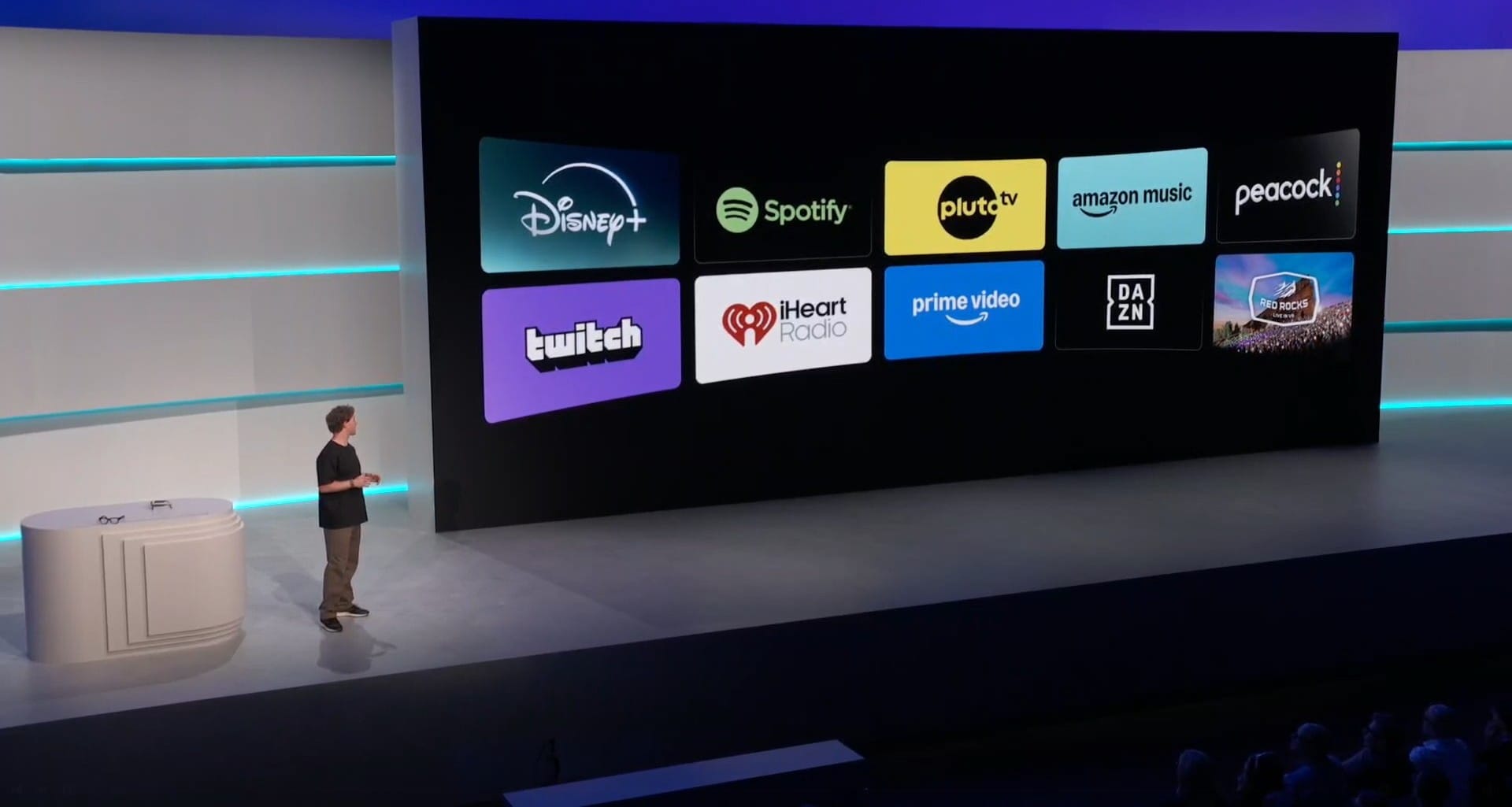
Moreover, the focus on "Hologram" calling and 3D media suggests Meta is moving away from the "Metaverse" as a digital world (Horizon Worlds) and toward "Spatial Computing" as a tool for enhancing real-world communication and entertainment.

Conclusion
Project Phoenix represents the most significant architectural departure in Meta’s history since the transition from Rift to Quest. By stripping the headset down to its bare essentials—optics and sensors—Meta is betting that comfort, not raw power, is the key to moving VR from a niche gaming accessory to a ubiquitous consumer electronic. If the rumors of a first-half 2027 launch hold true, Pegasus may finally bridge the gap between the "bulky goggles" of today and the seamless "smart glasses" of tomorrow.