The Architecture of Sleep: Exploring the Surreal Ambition of ‘Dream Hackers VR’ and its 2027 Vision
The landscape of virtual reality gaming is often characterized by rapid iteration and short development cycles. However, a new contender has emerged that defies the standard industry tempo. Dream Hackers VR, a rogue-lite shooter that blends hallucinatory aesthetics with precision combat, has officially moved from a whispered-about prototype to a tangible reality for the public. With the release of a substantial demo on SteamVR today, the gaming community has been granted its first look at a project that is already being hailed as a potential masterpiece—despite its full release being scheduled for 2027.
The title first gained traction within specialist circles in August, following the distribution of private preview builds. Since then, the discourse surrounding the game has shifted from curiosity to intense anticipation. This article explores the core components of Dream Hackers VR, the significance of its long-term development roadmap, and what the newly released demo reveals about the future of immersive entertainment.
Main Facts: A New Frontier in Rogue-lite Immersion
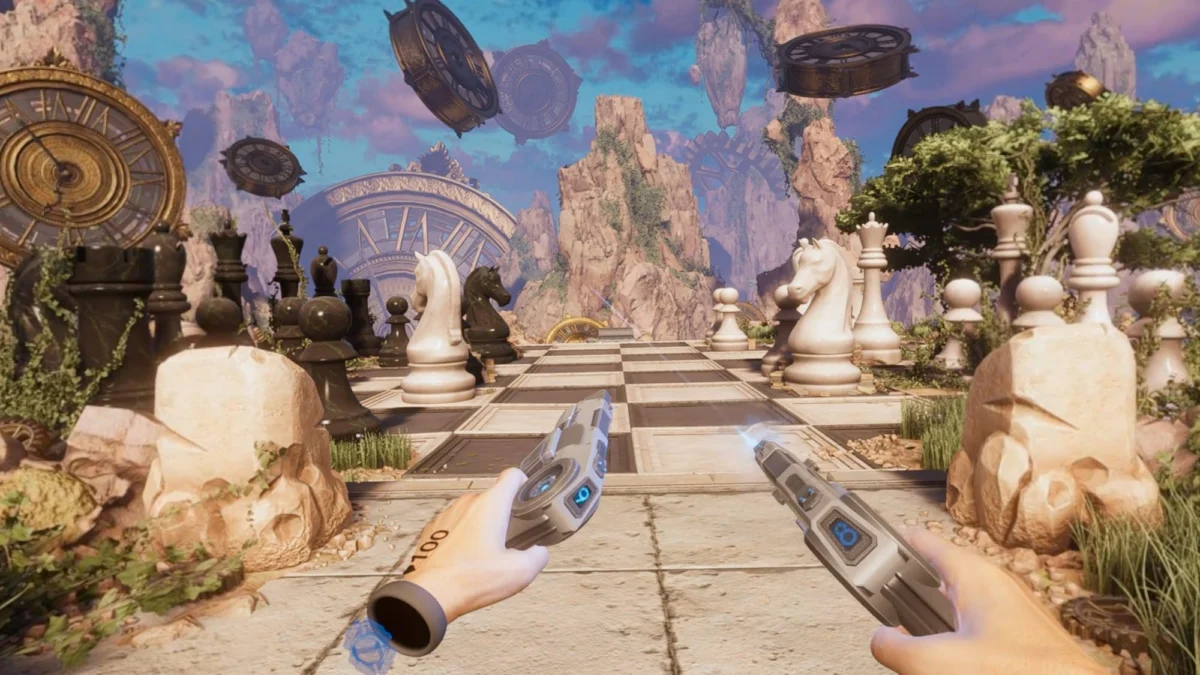
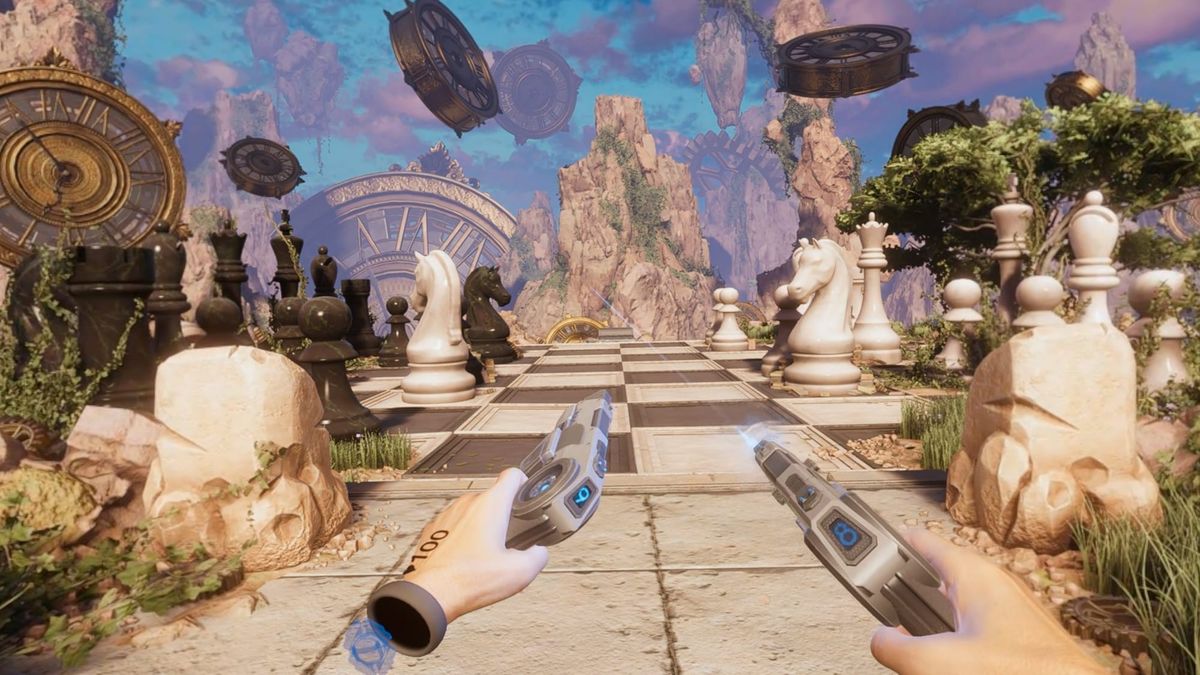
Dream Hackers VR is fundamentally a rogue-lite shooter, a genre that has found immense success in virtual reality due to its inherent replayability and focus on mechanical mastery. However, where contemporary titles often lean into high-fantasy or gritty sci-fi, Dream Hackers VR opts for a "dreamscape" aesthetic—a surrealist environment where the laws of physics are secondary to the logic of the subconscious.
Core Gameplay Mechanics
The game revolves around a dual-loop system: exploration and combat. Players navigate through non-Euclidean environments characterized by "strange architecture" and shifting perspectives. The gameplay is punctuated by encounters with "Nightmares"—adversaries that represent the darker facets of the dreaming mind. To combat these entities, players utilize an "arsenal of imaginative weaponry." While specific details on the weapon systems remain under wraps, early testers have noted that the weaponry feels integrated into the dream theme, often behaving in ways that subvert traditional shooter tropes.
The SteamVR Demo
The public demo, released today, offers approximately 1.5 to 2 hours of gameplay. This is a significant duration for a VR demo, providing enough time for players to experience the game’s "rogue-lite" progression, experiment with various power-ups, and face off against several tiers of enemies. The demo serves as a proof of concept for the developers’ vision of a high-fidelity, polished VR experience that prioritizes atmospheric storytelling alongside kinetic action.

Chronology: The Road to the Subconscious
The journey of Dream Hackers VR from an unknown entity to a 2027 heavyweight has been marked by a deliberate, measured rollout strategy.
- August 2024: The Private Preview. Developers distributed a limited preview build to key industry analysts and VR journalists. This initial build was roughly two hours in length and focused on the core combat loop. It was during this period that the game garnered its first "most anticipated" accolades, with critics citing the game’s unique art direction and "special" feel within the first few minutes of play.
- Late 2024: Community Building. Following the positive reception of the private build, the developers began a campaign of transparency, showcasing "Nightmare" designs and conceptual art of the dreamscapes. This period established the game’s identity as a high-concept project rather than a standard "wave shooter."
- Today: Public Demo Release. The release of the SteamVR demo marks the first time the general public can interact with the software. This milestone is intended to gather wide-scale telemetry data and hardware compatibility information, which will be vital for the multi-year development cycle ahead.
- 2025–2026: Iterative Development. The developers have indicated that the next two years will be focused on expanding the "dream layers"—procedurally generated levels that offer varying degrees of difficulty and thematic depth.
- 2027: Full Launch. The official release is slated for 2027, a timeline that suggests a level of polish and content density rarely seen in the indie VR space.
Supporting Data: The Rising Standards of VR Gaming
The decision to target a 2027 release date is a strategic move that reflects the evolving hardware landscape. By the time Dream Hackers VR launches, the VR industry is expected to have transitioned into a new generation of hardware, likely featuring higher-resolution displays, advanced haptic feedback, and more robust eye-tracking capabilities.
Market Trends in Rogue-lite VR
Data from the past three years shows that rogue-lites are among the most played genres in VR. Titles like In Death: Unchained and Until You Fall have demonstrated that players crave "short-session, high-intensity" experiences that offer long-term progression. Dream Hackers VR is positioning itself to capitalize on this trend while elevating the production value to "AAA" standards.
Technical Performance and Accessibility
The current demo on SteamVR requires a relatively modern PC setup, suggesting that the final game will push the boundaries of graphical fidelity. However, the developers have expressed a commitment to optimization. The demo includes various comfort settings, such as teleportation vs. smooth locomotion and vignetting, ensuring that the surreal, often disorienting dreamscapes do not cause motion sickness—a critical factor for the success of any high-movement VR title.
Official Responses: The Vision of the Developers
While the development team has remained somewhat enigmatic, their communications through the demo’s release notes and developer logs provide insight into their creative philosophy.

According to the lead designers, the primary goal of Dream Hackers VR is to create a "world of infinite possibility." In a recent statement accompanying the demo, the team noted:
"In dreams, the environment is a character in itself. We wanted to build a game where the player isn’t just moving through a map, but interacting with a living, breathing subconscious. The 2027 date allows us the breathing room to ensure that every ‘dream’ a player enters feels distinct, unsettling, and beautiful."
The developers have also emphasized that player feedback from the Steam demo will be "instrumental" in shaping the game’s puzzles. They view the puzzle elements not as roadblocks, but as "cognitive shifts" that force the player to think outside the constraints of physical reality. This feedback loop is a cornerstone of their development strategy, allowing the community to help refine the game’s "dream logic."
Implications: Setting the Bar for 2027 and Beyond
The release of the Dream Hackers VR demo and its distant launch date have several implications for the VR industry and the broader gaming market.
1. The Normalization of Long-Term VR Development
Historically, VR games have been criticized for feeling like "tech demos"—short, gimmicky experiences that lack depth. By committing to a three-year development cycle from this point forward, the creators of Dream Hackers VR are signaling a shift toward more substantial, long-form content. This could encourage other VR developers to move away from "quick-to-market" releases in favor of higher-quality, more ambitious projects.
2. Artistic Innovation as a Competitive Advantage
In a market saturated with military shooters and zombie survival games, Dream Hackers VR uses its surrealist setting as a primary selling point. The "strange architecture" and "odd characters" mentioned in early reviews suggest that the game is leaning into the strengths of VR: the ability to place a player in a space that could not exist in the real world. This focus on "visual wonder" may become a necessary component for VR titles looking to stand out in the coming years.
3. The Role of Community in Early Access
By releasing a demo three years before the final product, the developers are essentially inviting the community into the laboratory. This level of transparency builds brand loyalty and ensures that the final product has been "battle-tested" by the very people who will buy it. However, it also carries the risk of "hype fatigue," where the initial excitement may wane over a multi-year wait. The challenge for the Dream Hackers VR team will be maintaining momentum through consistent updates and engagement.
Conclusion
Dream Hackers VR represents a bold bet on the future of virtual reality. It combines the addictive loops of the rogue-lite genre with an avant-garde artistic vision that challenges the player’s perception of space and reality. While 2027 feels like a distant horizon, the 1.5–2 hours of gameplay available in today’s demo suggest that the wait may be well worth it. For now, SteamVR users have a unique opportunity to step into the dream and see for themselves why this title has captured the imagination of the industry.