A Legacy Reclaimed: Zoe Kazan and Netflix Set to Unveil the Definitive Adaptation of ‘East of Eden’
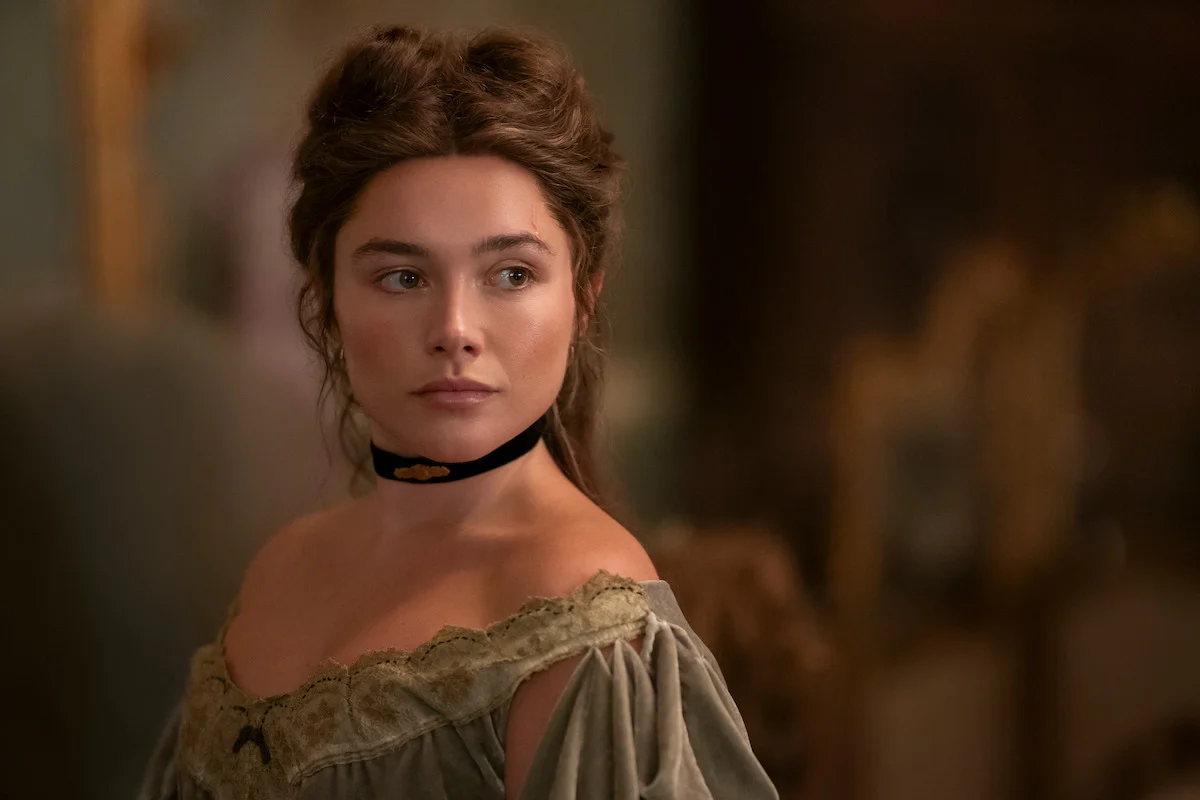
The literary world and the film industry are bracing for a seismic cultural moment as Netflix prepares to release its highly anticipated limited series adaptation of John Steinbeck’s East of Eden. On Wednesday, September 2, the streaming giant unveiled the full trailer for the seven-episode saga, signaling a project that is as much a personal family reclamation as it is a high-stakes prestige drama.
Written and executive produced by Zoe Kazan, the series carries the weight of a profound Hollywood lineage. Zoe’s grandfather, the legendary Elia Kazan, directed the iconic 1955 film adaptation that catapulted James Dean to superstardom. Now, seven decades later, the younger Kazan is returning to the source material to provide what promises to be the most comprehensive and faithful interpretation of Steinbeck’s "magnum opus" ever put to screen.
Main Facts: The Scope of the Netflix Adaptation
The upcoming East of Eden limited series is scheduled to premiere globally on Netflix on October 1. Unlike previous iterations, which were often constrained by the runtimes of feature films or the censorship standards of mid-century television, this production utilizes the "prestige miniseries" format to explore the full breadth of Steinbeck’s 600-page novel.
Key Production Details
- Format: Seven-episode limited series.
- Showrunner/Writer: Zoe Kazan (with Alexander Chee co-writing Episode 6).
- Directors: Garth Davis (Lion) and Laure de Clermont-Tonnerre (The Mustang).
- Lead Cast: Florence Pugh as Cathy Ames, Joseph Zada as Cal Trask, Christopher Abbott as Adam Trask, and Mike Faist as Charles Trask.
- Supporting Cast: Hoon Lee, Tracy Letts, Martha Plimpton, and Ciaran Hinds.
The series aims to capture the novel’s sprawling timeline, which begins in the mid-19th century and concludes at the end of World War I. While Elia Kazan’s 1955 film focused almost exclusively on the final quarter of the book—concentrating on the fraternal rivalry between Cal and Aron Trask—Zoe Kazan’s version will trace the origins of the Trask and Hamilton families from the American Civil War forward.
Chronology: From the Salinas Valley to the Global Screen
The journey of East of Eden is one of the most storied in American letters. Understanding the significance of the upcoming Netflix series requires a look at the timeline of the property’s evolution.
1952: The Publication of a Masterpiece
John Steinbeck published East of Eden in 1952, intending it to be the definitive history of his native Salinas Valley in California. He famously wrote to his editor, Pascal Covici, "I think everything else I have written has been, in a sense, practice for this." The novel introduced the world to the concept of Timshel—the Hebrew word for "thou mayest"—arguing that humans have the sovereign choice to overcome sin and destiny.
1955: The Elia Kazan Revolution
Only three years after the book’s release, Zoe Kazan’s grandfather, Elia Kazan, adapted the novel for Warner Bros. Facing the impossibility of condensing the entire epic into a two-hour film, Elia chose to focus on the "Cain and Abel" conflict of the second generation. The film is historically significant for being the only movie starring James Dean released during his lifetime, and it earned Jo Van Fleet an Academy Award for her chilling portrayal of Cathy Ames.
1981: The First Attempt at Length
A three-part, eight-hour miniseries aired on ABC in 1981, starring Jane Seymour and Timothy Bottoms. While it was more comprehensive than the 1955 film, it lacked the cinematic scale and modern psychological depth that contemporary audiences have come to expect from "Golden Age" television.

2022–2026: The Zoe Kazan Era
Development for the Netflix series began in earnest in 2022. Zoe Kazan, an accomplished playwright and screenwriter (Wildlife, The Big Sick), spent years crafting the scripts. Production took place across various locations to recreate the rugged beauty of the Salinas Valley and the stark landscapes of the Civil War-era East Coast. The release of the trailer on September 2 marks the final countdown to the October 1 premiere.
Supporting Data: Casting and Character Archetypes
The success of any East of Eden adaptation hinges on the portrayal of its complex, often biblical, archetypes. The Netflix series has assembled a cast of established heavyweights and rising stars to inhabit these roles.
The Antagonist: Cathy Ames (Florence Pugh)
In the novel, Cathy Ames is described as a "malformed soul"—a woman devoid of conscience who acts as the primary catalyst for the Trask family’s ruin. Florence Pugh, known for her visceral performances in Midsommar and Oppenheimer, takes on the role. This version of Cathy is expected to be more nuanced than the 1955 version, exploring her backstory and the societal constraints that fueled her sociopathy.
The Patriarch: Adam Trask (Christopher Abbott)
Christopher Abbott portrays Adam, a man whose desire for purity and a "new Eden" in California leads to a devastating blindness regarding his wife’s true nature. Abbott’s reputation for playing intense, internalised characters makes him a fitting choice for the moral center of the story.
The Next Generation: Cal and Charles
Joseph Zada faces the daunting task of stepping into the role made famous by James Dean. As Cal Trask, the "darker" twin who desperately seeks his father’s love, Zada represents the struggle of Timshel. Mike Faist, coming off the success of Challengers and West Side Story, plays Charles Trask, Adam’s volatile brother whose early jealousy sets the multi-generational cycle of violence in motion.
The Hamiltons and Lee
Crucially, the Netflix series will give significant screen time to the Hamilton family (led by Ciaran Hinds) and Lee (Hoon Lee), the Trask family’s philosophical cook. In the novel, Lee is the intellectual heart of the book, the man who discovers the meaning of Timshel. Previous adaptations often marginalized or omitted these characters entirely.
Official Responses and Creative Vision
The creative team has been vocal about the reverence they hold for both Steinbeck’s prose and the cinematic shadow cast by Elia Kazan.
In a statement accompanying the trailer release, Zoe Kazan addressed the "double-edged sword" of her family legacy. "This book has been a part of my DNA since before I could read," she noted. "To approach it not just as a granddaughter, but as a writer and a woman in the 21st century, allowed me to see parts of the story—particularly the female experience and the immigrant perspective—that were perhaps less accessible in the 1950s."

Netflix’s Vice President of Scripted Series remarked that East of Eden represents the platform’s commitment to "literary excellence." The spokesperson stated, "We didn’t want to just make another period piece. We wanted a series that feels as urgent and dangerous as the day Steinbeck finished the manuscript. Zoe has found a way to make these 19th-century struggles feel incredibly modern."
Director Garth Davis emphasized the visual language of the series: "We wanted the Salinas Valley to feel like a character—both a paradise and a prison. Working with Zoe’s scripts, we were able to linger on the quiet moments of the Hamiltons and the explosive trauma of the Trasks in a way a film never could."
Implications: A New Benchmark for Literary Adaptations
The release of East of Eden on Netflix carries several significant implications for the industry and the legacy of American literature.
The Evolution of the "Epic"
The series follows a trend of "un-filmable" novels finding their true home in the limited series format. Following the success of projects like Normal People or Shogun, East of Eden suggests that the seven-to-ten-hour window is the optimal duration for adapting 500+ page novels. This allows for the "digressions" that make Steinbeck’s work great—philosophy, local history, and minor character arcs—to remain intact.
Feminist Re-evaluation of the Villain
By centering the marketing and narrative on Florence Pugh’s Cathy Ames, the series is poised to re-examine one of literature’s most vilified female characters. In an era of "prestige anti-heroines," this version of East of Eden may shift the focus from the brothers’ rivalry to the systemic and psychological factors that create a "monster" like Cathy.
The Kazan Legacy
For Zoe Kazan, this project serves as a definitive professional milestone. By successfully navigating the pressure of her grandfather’s shadow, she establishes herself as a premier voice in television writing. It also creates a rare "intergenerational dialogue" within Hollywood history, where two members of the same family interpret the same monumental text for their respective eras.
Cultural Relevance
Steinbeck’s themes of inherited trauma, the divide between the "good" and "bad" son, and the American dream’s fragility remain strikingly relevant. As the trailer suggests, the series will not shy away from the darker aspects of American history, including the treatment of immigrants and the psychological toll of war.
As October 1 approaches, East of Eden stands as a testament to the enduring power of John Steinbeck’s vision. With a powerhouse cast, a deeply personal script, and the resources of a global streaming giant, this limited series is positioned to become the definitive version of a story that has haunted the American imagination for over seventy years. Through the lens of Zoe Kazan, the Salinas Valley is about to bloom once more, proving that while we may be born into legacy, we always have the choice—Timshel—to write our own ending.