The Renaissance of Speculative Periodicals: Mapping the New Landscape of SF/F/H Publishing
In the ever-evolving ecosystem of speculative fiction, the periodical remains the lifeblood of the genre. From the golden age of "pulps" to the modern digital era, magazines serve as the primary laboratory for Science Fiction, Fantasy, and Horror (SF/F/H). Recently, Locus magazine—widely regarded as the "Bible" of the speculative fiction field—released its latest comprehensive list of new and ongoing print, online, and electronic periodicals. This list serves as more than just a directory; it is a pulse-check on a vibrant, diversifying, and increasingly resilient literary movement.
The current landscape of SF/F/H periodicals is characterized by a unique hybridity. While traditional print journals continue to hold prestige, they are now bolstered by a sophisticated network of online platforms, "e-zines," and multimedia hubs. This expansion offers unprecedented opportunities for emerging voices while presenting significant challenges in terms of sustainability and market saturation.
Main Facts: The Scope of the SF/F/H Periodical Surge
The latest data compiled by Locus Publications highlights a significant influx of both new titles and the continued dominance of established digital players. The list covers a broad spectrum of formats, including traditional print editions, regularly updated websites, and electronic-only journals.
Key Publications in the Current Cycle
Among the notable print and electronic periodicals highlighted are:
- Electronic Brain: A burgeoning title focusing on the intersection of technology and the human condition.
- Fusion Fragment: Known for its high-production values and focus on "slipstream" and experimental science fiction.
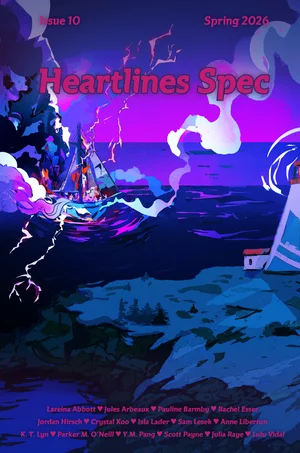
- Heartlines Spec: A magazine specifically dedicated to the intersection of speculative fiction and romance, highlighting a growing niche in the market.
- Reckoning: It Was Paradise: A specialized journal focusing on environmental justice and "eco-fiction."
- Reactor: Formerly known as Tor.com, this platform represents the pinnacle of corporate-backed digital genre publishing, offering a mix of original fiction and deep-dive criticism.
The focus of these publications is primarily two-fold: the publication of original short fiction and the provision of rigorous reviews and criticism. This dual role is essential for the health of the genre, as it provides both a marketplace for creators and a navigational tool for readers overwhelmed by the sheer volume of content available in the 21st century.
Chronology: From Pulps to the Digital Renaissance
To understand the current state of SF/F/H periodicals, one must look at the historical trajectory that led to this moment. The genre was built on the foundation of magazines like Amazing Stories and Weird Tales in the early 20th century.

The Print Dominance (1920s–1990s)
For decades, the "Big Three"—Analog, Asimov’s, and The Magazine of Fantasy & Science Fiction (F&SF)—dictated the direction of the genre. These print-heavy publications were the gatekeepers of speculative literature.
The Digital Pivot (2000s–2015)
The turn of the millennium saw the birth of groundbreaking online magazines such as Strange Horizons, Clarkesworld, and Lightspeed. These platforms proved that professional-grade fiction could thrive online, often surpassing print journals in accessibility and global reach.
The Expansion and Niche Era (2016–Present)
The current era, as reflected in the Locus list, is defined by hyper-specialization. We are seeing the rise of journals dedicated to specific sub-genres or themes, such as Radon Journal (futurism and transhumanism) or The Dark (atmospheric horror and dark fantasy). The rebranding of Tor.com to Reactor in 2024 signals a new phase where digital platforms are becoming massive cultural hubs that transcend the traditional "magazine" definition.
Supporting Data: The Economic and Creative Reality
The SF/F/H periodical market operates on a "long tail" economic model. While a few major players have significant backing, many of the titles listed by Locus are independent operations.
The Role of Crowdfunding
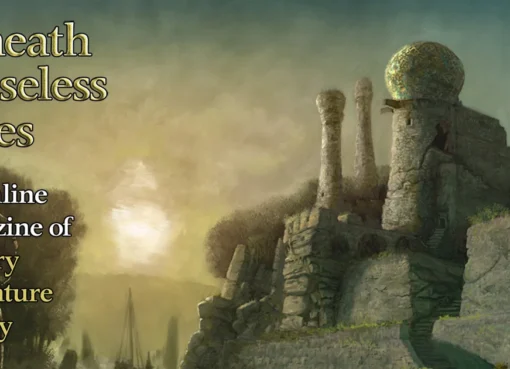
A significant portion of the magazines listed, such as Beneath Ceaseless Skies and Escape Artists, rely on reader support via platforms like Patreon or annual Kickstarter campaigns. This "direct-to-consumer" model has allowed for a more diverse range of editors and stories that might not have survived in a traditional advertising-based model.
Diversity and Representation
The current crop of periodicals shows a marked increase in international and marginalized voices. Magazines like Aurealis (Australia) and Wyldblood (UK) demonstrate the globalized nature of the genre. Furthermore, publications such as Otherside and Heartlines Spec are actively carving out spaces for perspectives that were historically underrepresented in the "Hard SF" era of the mid-20th century.

The "Locus" Effect
Being listed by Locus magazine remains a critical milestone for any new publication. Locus serves as the archive of record; inclusion in their listings ensures that a magazine’s fiction is eligible for consideration in major awards, such as the Hugo, Nebula, and Locus Awards. This institutional recognition is often the difference between a "fanzine" and a "professional market."
Official Responses: The Call for Sustainability
The editors at Locus Publications have been vocal about the precarious nature of the industry. In their latest update, they included an urgent appeal to the community: "We rely on reader donations to keep the magazine and site going. We publish hundreds of reviews and news stories each year, but we can’t do it without your help."
Editor and Publisher Perspectives
Many editors within the SF/F/H community have echoed this sentiment. The general consensus among professionals is that the "ecosystem is thriving creatively but struggling financially." The transition from print to digital has lowered the barrier to entry for starting a magazine, but it has also increased the competition for limited reader attention and disposable income.
Publishers from titles like Clarkesworld have frequently noted that while their readership is in the tens of thousands, the percentage of "paying" subscribers remains small. This has led to a call for a "culture of contribution," where readers are encouraged to view their subscriptions as an investment in the genre’s future rather than just a transaction for content.
Implications: What This Means for the Future of Fiction
The richness of the Locus list suggests several long-term implications for authors, readers, and the broader publishing industry.
1. The Proliferation of "Micro-Markets"
As evidenced by titles like Flash Point SF (focusing on very short fiction) and Cosmic Roots and Eldritch Shores, we are moving toward a world of micro-markets. Authors no longer need to write for a general SF audience; they can find specific homes for "cli-fi," "silkpunk," or "hopepunk." This allows for deeper artistic exploration but may lead to "echo chambers" within the genre.

2. The Blurring of Professional and Semi-Pro Lines
With the rise of high-quality digital layouts and professional editing in independent "zines," the distinction between "major" and "minor" publications is blurring. A story published in a relatively new venue like Fusion Fragment can now carry as much prestige as one in a legacy print magazine, provided the editorial standards remain high.
3. The Challenge of Archiving
As more fiction moves to online-only platforms, the challenge of digital preservation becomes paramount. Locus’s role as a chronicler is more important than ever. If a website goes dark, the history of the stories it hosted can vanish. This has prompted a renewed interest in "hybrid" models, where online magazines produce annual print anthologies to ensure a physical record of their work exists.
4. The Growth of Criticism
The inclusion of "reviews and criticism" as a criteria for the Locus list is significant. In an age of algorithmic recommendations, human-led criticism remains the gold standard for cultural relevance. The magazines listed are not just publishing stories; they are building the "discourse" that defines what Science Fiction and Fantasy mean in the modern world.
Conclusion
The list of SF/F/H periodicals curated by Locus is a testament to the enduring power of the short story and the magazine format. Despite the rise of streaming services and big-budget cinematic universes, the "written word" of speculative fiction continues to expand into new territories. From the environmental urgency of Reckoning to the digital frontier of Reactor, these publications are the vanguard of human imagination.
However, the vitality of this scene is not self-sustaining. As Locus reminds its readers, the survival of these platforms depends on the active participation and financial support of the community they serve. For the genre to continue its current "Digital Renaissance," the bridge between creative output and economic stability must be strengthened. As we look toward the future, the periodicals listed today will likely be remembered as the incubators for the next generation of literary giants.