Stranger Than Heaven: A Bold New Direction for RGG Studio Explores History Through Visceral Combat

RGG Studio, renowned for its cinematic storytelling and deep dives into Japanese urban life with the Yakuza series, is charting a daring new course with its upcoming title, Stranger Than Heaven. This ambitious project eschews the familiar modern-day settings of Kamurocho for an epic, multi-decade saga spanning five cities across Japan during the first half of the 20th century. While the studio has always drawn heavily from Japanese crime dramas, Stranger Than Heaven pushes this influence further, casting real-life actors and meticulously recreating historical periods. However, this historical immersion comes with a crucial caveat, as RGG Studio itself acknowledges: the game is "in no way a reproduction of actual history." This disclaimer is particularly pertinent given the game’s foray into the early 1940s, a period marked by Japan’s involvement in World War II.
The game’s central narrative, which follows a Japanese-American outcast seeking refuge and a new life in Japan, presents a compelling inversion of the traditional "American Dream" narrative. Yet, it also navigates a complex historical landscape, notably glossing over Japan’s contentious role and the oppression faced by Korean immigrants during the same era. This narrative choice, while potentially intriguing, raises questions about historical representation and the ethical considerations of fictionalizing such sensitive periods.
Despite these narrative complexities, the initial glimpse provided by a recent demo, showcased at Gamescom 2026, focuses primarily on Stranger Than Heaven‘s innovative combat system. This emphasis might seem unconventional for a studio whose Yakuza games are celebrated for their immersive "virtual tourism" – allowing players to soak in the vibrant atmosphere of Japanese cities and get lost in a myriad of minigames, often overshadowing the series’ consistently simplistic brawling mechanics. However, RGG Studio appears intent on making combat a cornerstone of the Stranger Than Heaven experience, and the demo certainly offers a compelling argument for its potential.
A Paradigm Shift in Combat Mechanics
The combat in Stranger Than Heaven marks a significant departure from RGG Studio’s established formula. While the familiar pairing of light and heavy attacks mapped to controller bumpers and triggers might evoke comparisons to Soulslike titles, the true innovation lies in the implementation of the controller’s layout. Crucially, the left bumpers and triggers correspond to protagonist Makoto Daito’s left side, while the right bumpers and triggers govern his right side. This design choice, while initially disorienting, promises a more nuanced and dynamic fighting experience.
Mastering this dual-sided control scheme requires a period of adjustment. Unlike more conventional systems, each input is not assigned to a specific limb but rather to a side of Daito’s body, encouraging players to think strategically about their offensive and defensive maneuvers. The guard mechanic, which necessitates pressing both bumpers simultaneously before a separate button press, stands in stark contrast to the simple hold-to-block approach found in many games. While this adds a layer of complexity, the inclusion of a dedicated evade button offers a welcome countermeasure, allowing for quick repositioning and evasion of incoming attacks.
Evolution of a Fighting Style: From Fists to Blades
The demo provides a hands-on introduction to three distinct combat scenarios, each showcasing a different weapon and fighting style. The initial encounter, where Daito relies solely on his fists, serves as a foundational introduction to the core mechanics. This is followed by a scenario featuring a heavy pipe, demanding a more deliberate and impactful approach, and culminating in a more agile and precise encounter with a knife.
As players progress through these scenarios, the combat system begins to feel increasingly intuitive. The unique health display, reminiscent of Zelda’s stamina wheel rather than a traditional health bar, adds another layer of visual distinctiveness. This system encourages a more proactive engagement with combat, pushing players to manage their offensive and defensive capabilities effectively.
The freedom to seamlessly string together combos using either side of Daito’s body is a key design element. Alternating between the bumpers allows for rapid left and right punches, while holding down a trigger initiates a charged attack, unleashing a more powerful blow. This fluidity is further emphasized when Daito wields a knife, his primary hand naturally aligning with the right-side controls. This intuitive mapping allows for visceral stabbing motions, differentiating the character’s offensive capabilities based on their dominant hand.
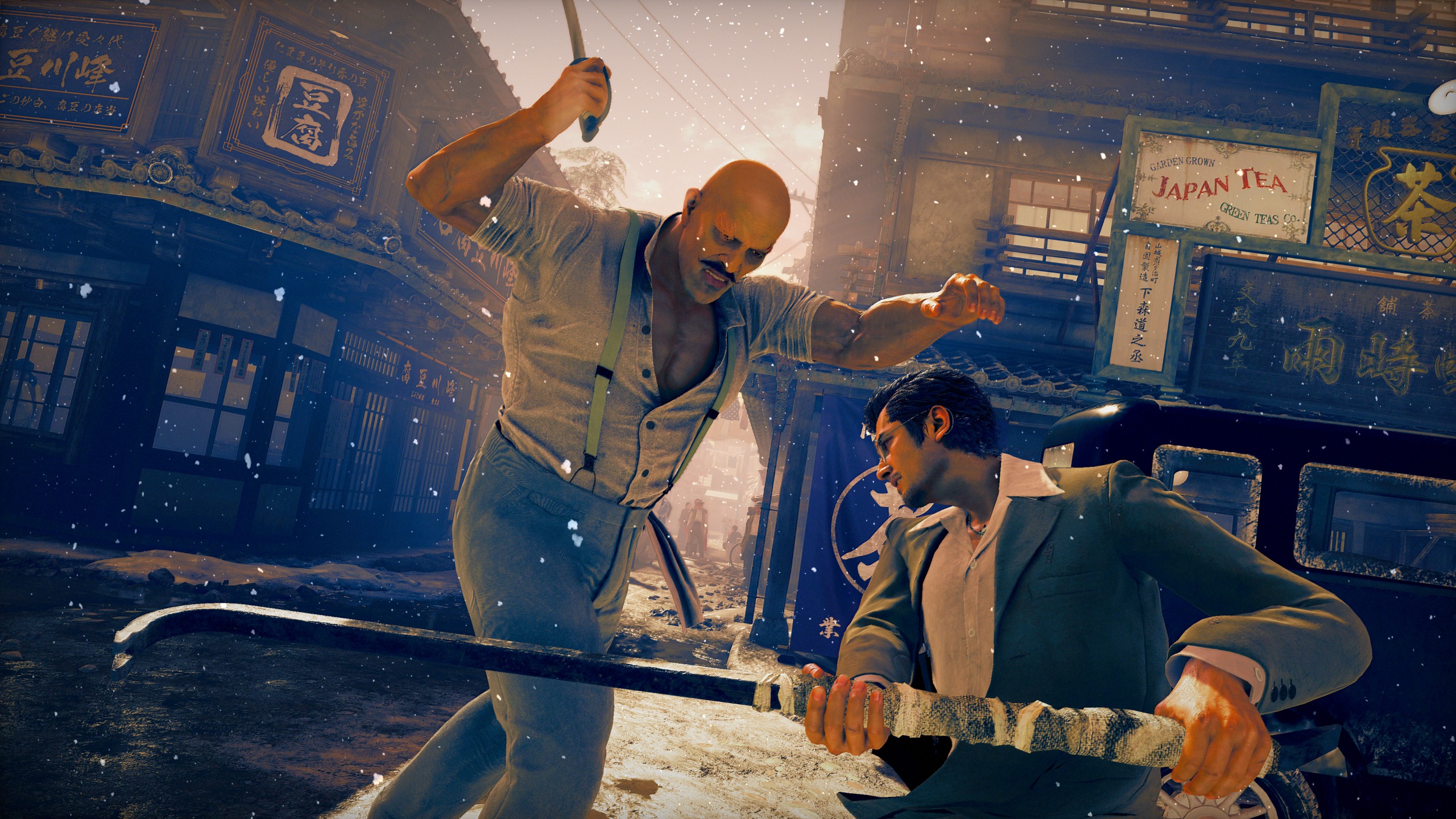
The introduction of the two-handed metal pipe presents a greater challenge in understanding its application within the existing control scheme. This particular combat scenario proved to be the most demanding, not only due to the presence of a larger mob of adversaries but also a formidable seven-foot giant armed with a blade. Successfully parrying or blocking this colossal foe’s devastating attacks becomes paramount, requiring precise timing and strategic defense.
A Brutal Ballet of Violence and Environment
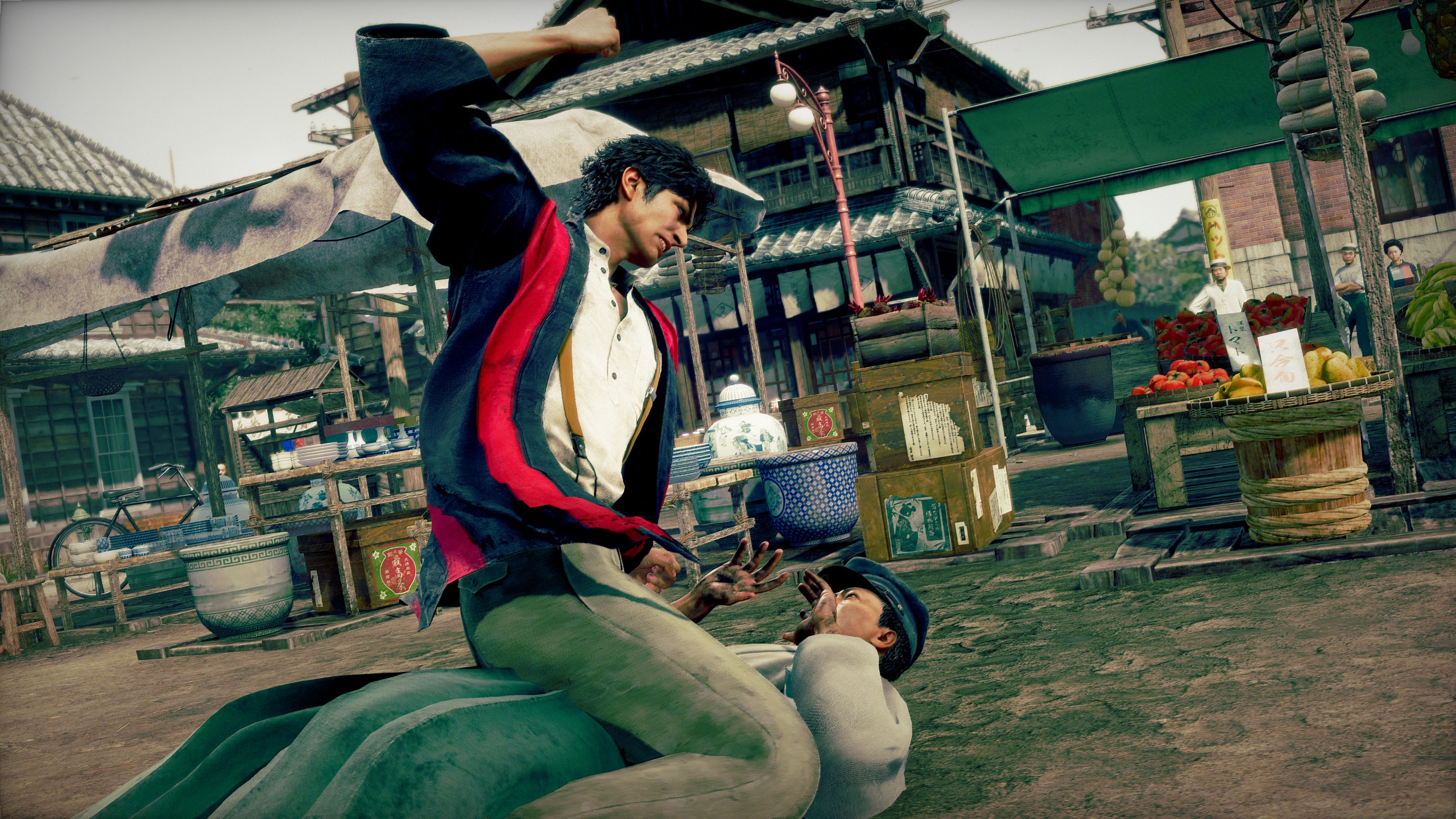
Despite the initial learning curve, the combat in Stranger Than Heaven ultimately delivers a satisfyingly chaotic experience, echoing the hallmark brawling intensity of RGG Studio’s previous titles. The ability to incorporate environmental objects as makeshift weapons, or to smash through nearby market stalls, adds a layer of interactive destructibility that enhances the visceral nature of the fights.
While the combat animations in the Yakuza series, though often entertaining, have begun to feel somewhat repetitive over time, Stranger Than Heaven introduces a refreshing sense of brutality. Where Kiryu’s encounters in Yakuza might feel akin to a spirited wrestling match, with opponents often getting back on their feet, Stranger Than Heaven‘s enemies appear to suffer far more grievous injuries. The implication is that defeated foes will not be so easily revived after their faces have been pummeled or they’ve taken a blade to the gut. This heightened sense of consequence imbues the combat with a grittier, more impactful feel.
A Glimpse into a Bygone Era: Historical Immersion
Beyond the innovative combat, the demo also offers tantalizing glimpses into the game’s meticulously crafted historical settings. Each combat scenario transports players to a different era, providing a taste of the diverse environments they will explore.
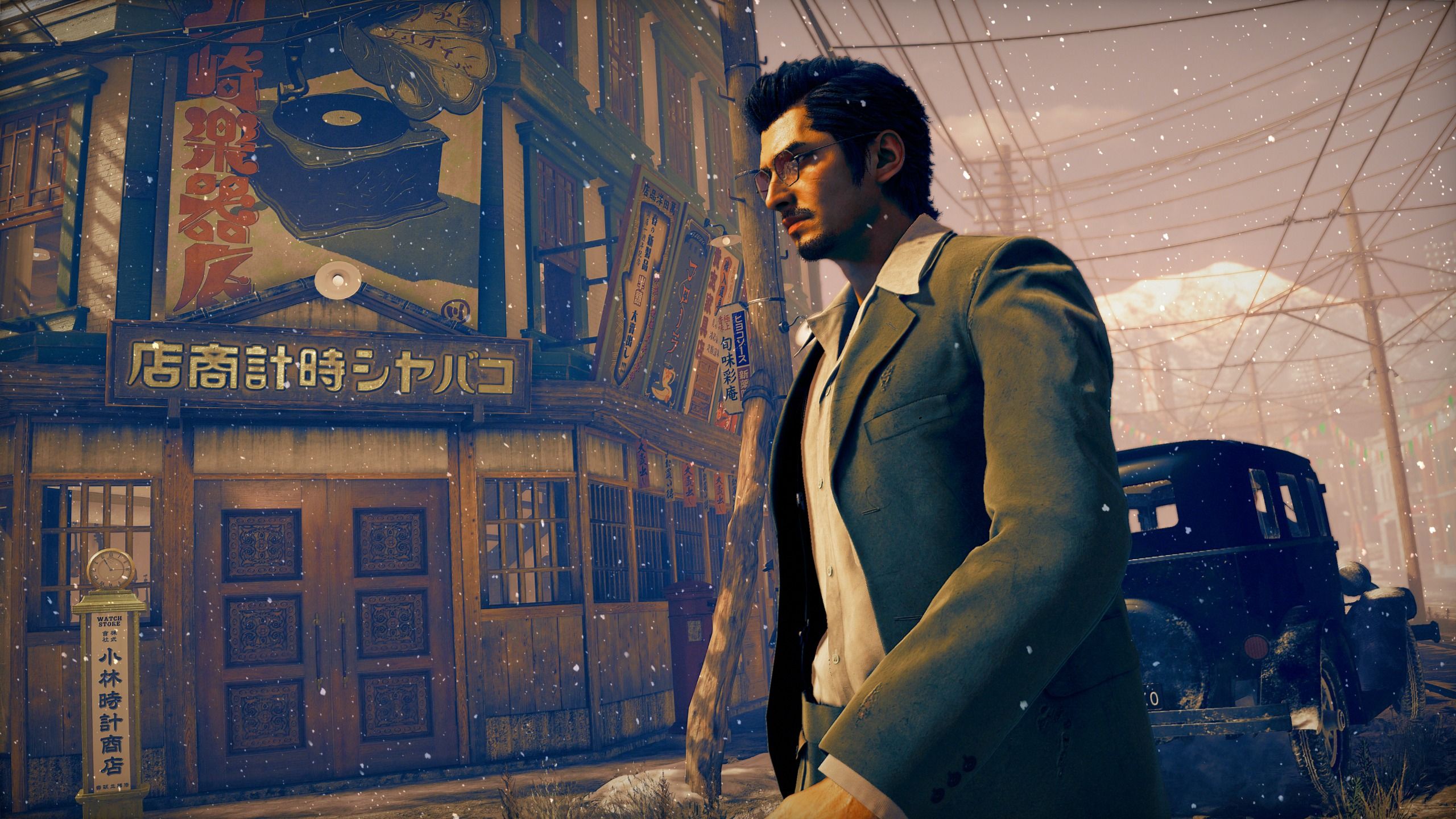
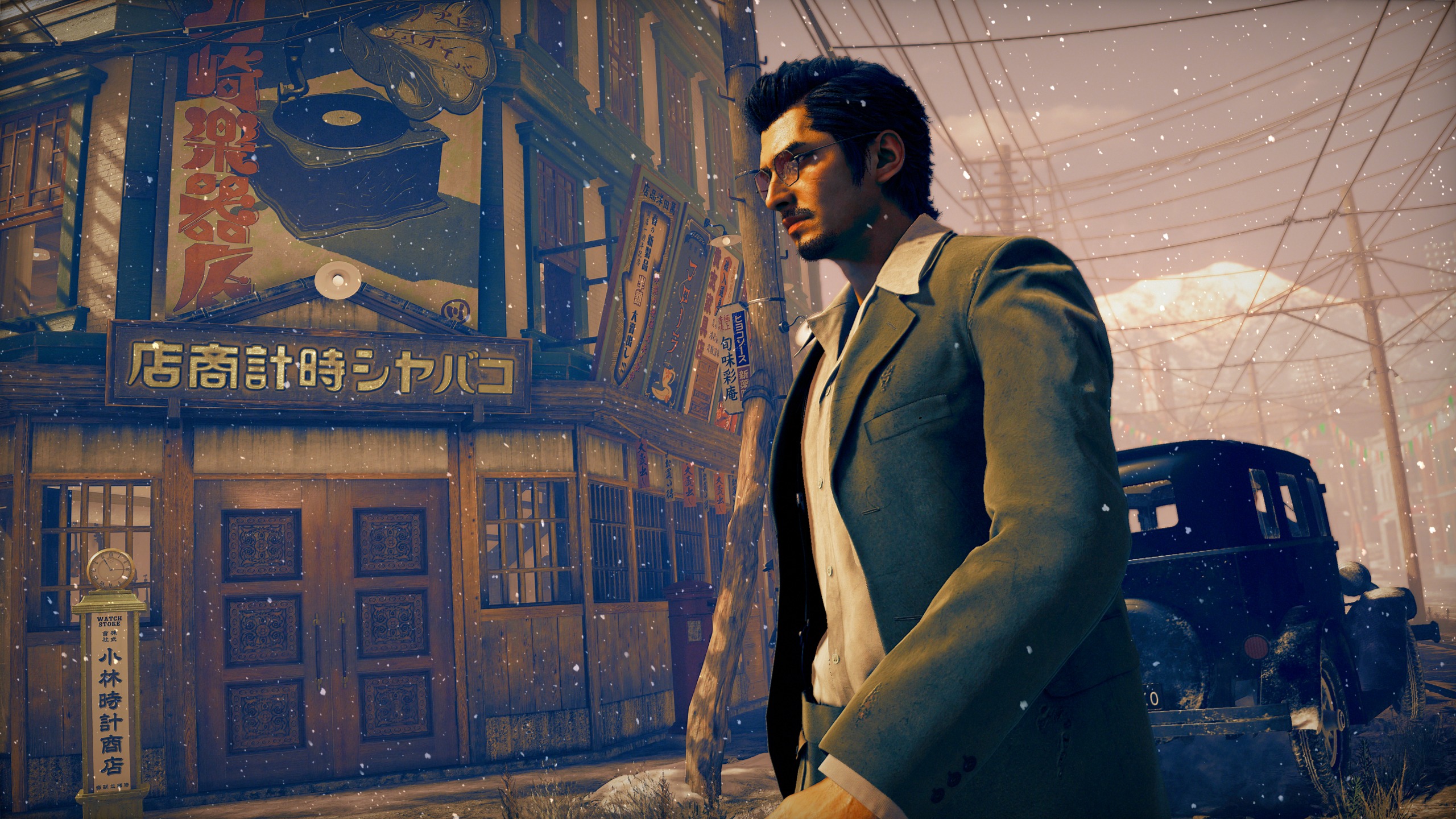
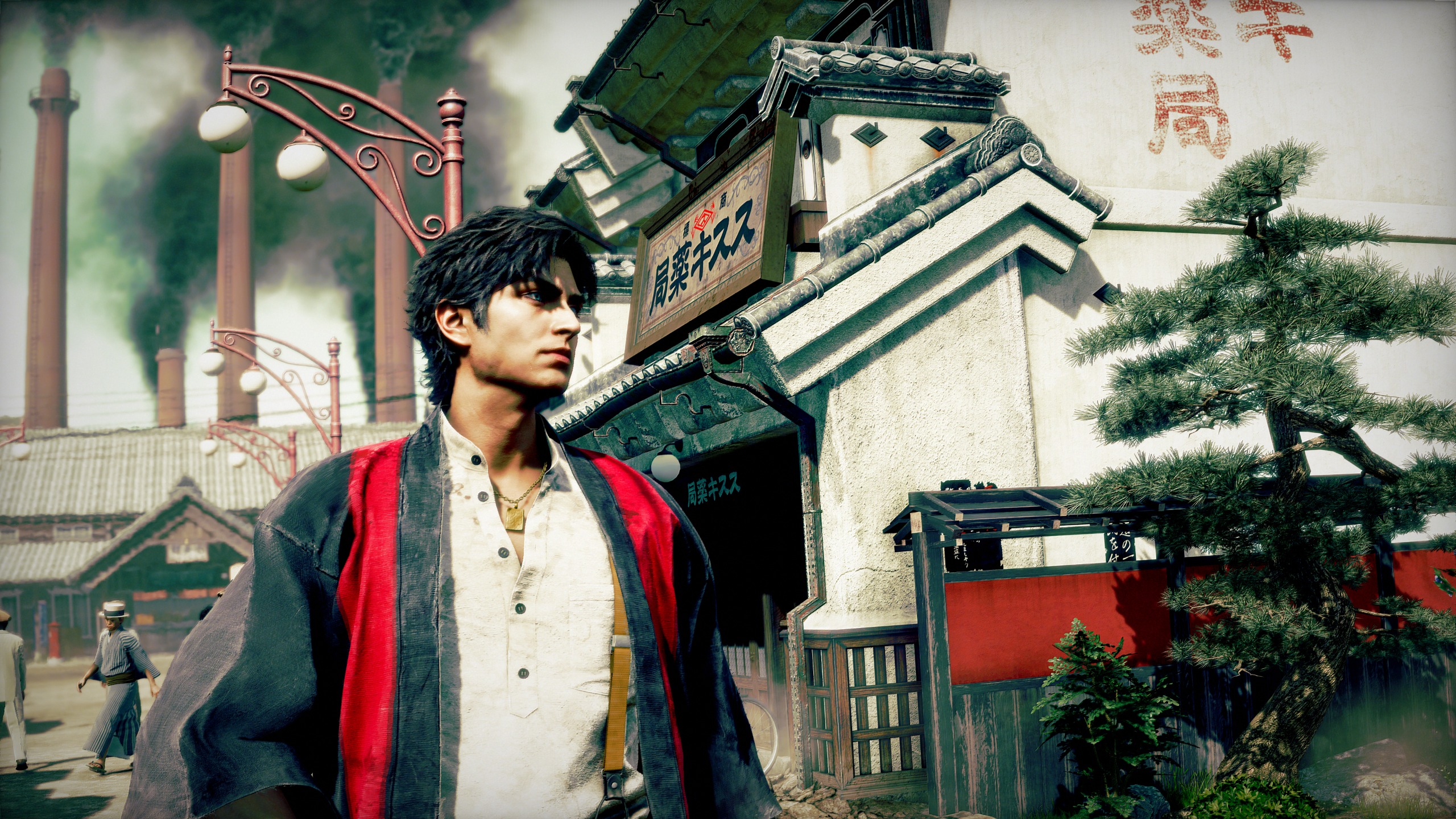
The year 1915 in Kokura presents a compelling juxtaposition of old and new. Traditional market quarters are serviced by a tram system, while the backdrop is punctuated by the imposing silhouettes of factory chimneys, hinting at Japan’s rapid industrialization. By 1929 in Kure, the landscape has evolved further, with motorcars becoming a more common sight, and Daito himself adopting a Western-style suit, reflecting the changing fashion and societal influences of the time.
The most evocative glimpse for long-time fans of the Yakuza series is undoubtedly 1943 Osaka. Here, players are transported to a district that is instantly recognizable as Sotenbori, the iconic setting of many Yakuza titles. However, this Osaka predates the era of sprawling illuminated billboards and garish animatronics, presenting a more subdued yet no less colorful version of the beloved district. This nostalgic connection, coupled with the stark historical backdrop of wartime, promises a unique narrative experience for both new and returning players.
The Road Ahead: Anticipation and Release
While the demo successfully showcases the depth and potential of Stranger Than Heaven‘s combat system, the allure of exploring its richly detailed world and uncovering its compelling narrative remains a powerful draw. RGG Studio’s decision to highlight the combat first is understandable, given its significant departure from their previous work. By proving the system’s robustness and engaging nature, they have undoubtedly piqued the interest of players eager to experience the full scope of what Stranger Than Heaven has to offer.
Stranger Than Heaven is slated for release on January 15, 2027, for Xbox Series X/S, PlayStation 5, and PC. This release date positions the game as a significant contender in the upcoming gaming landscape, promising a fresh and exciting experience from a studio known for its storytelling prowess and dedication to intricate world-building.
For those inspired by the prospect of game development, exploring the best game development software and the best laptops for game development can offer a pathway into creating their own virtual worlds. Stranger Than Heaven stands as a testament to RGG Studio’s willingness to innovate and push the boundaries of interactive storytelling, promising a journey that is as historically resonant as it is viscerally engaging.