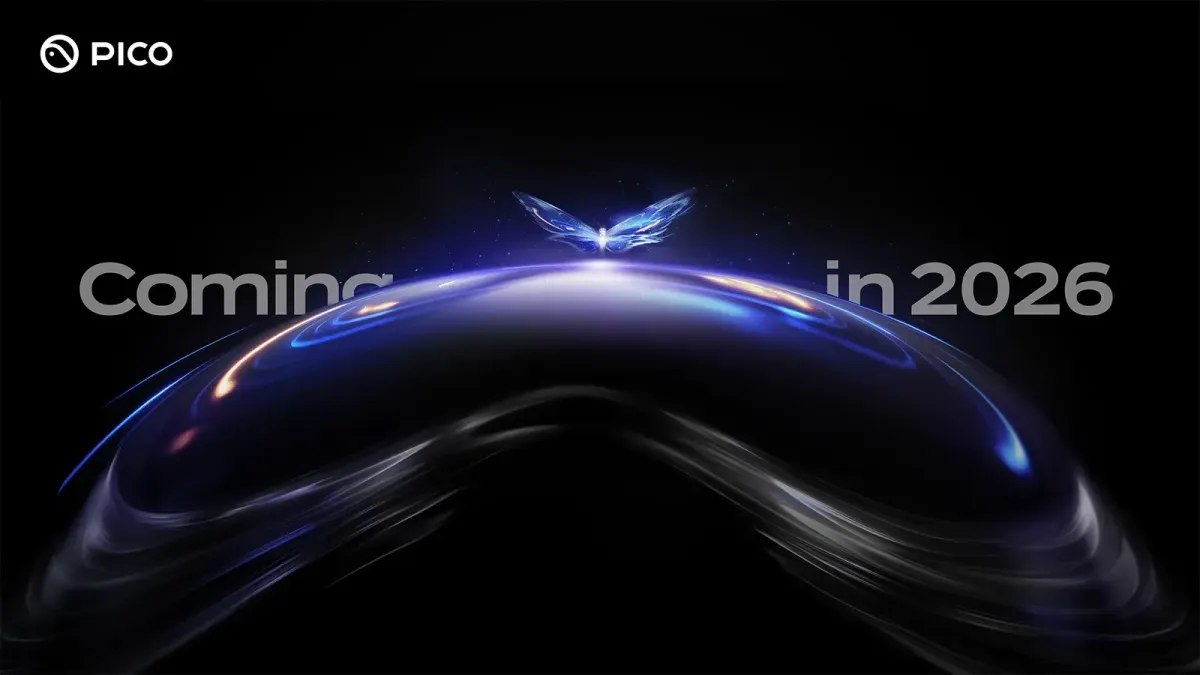
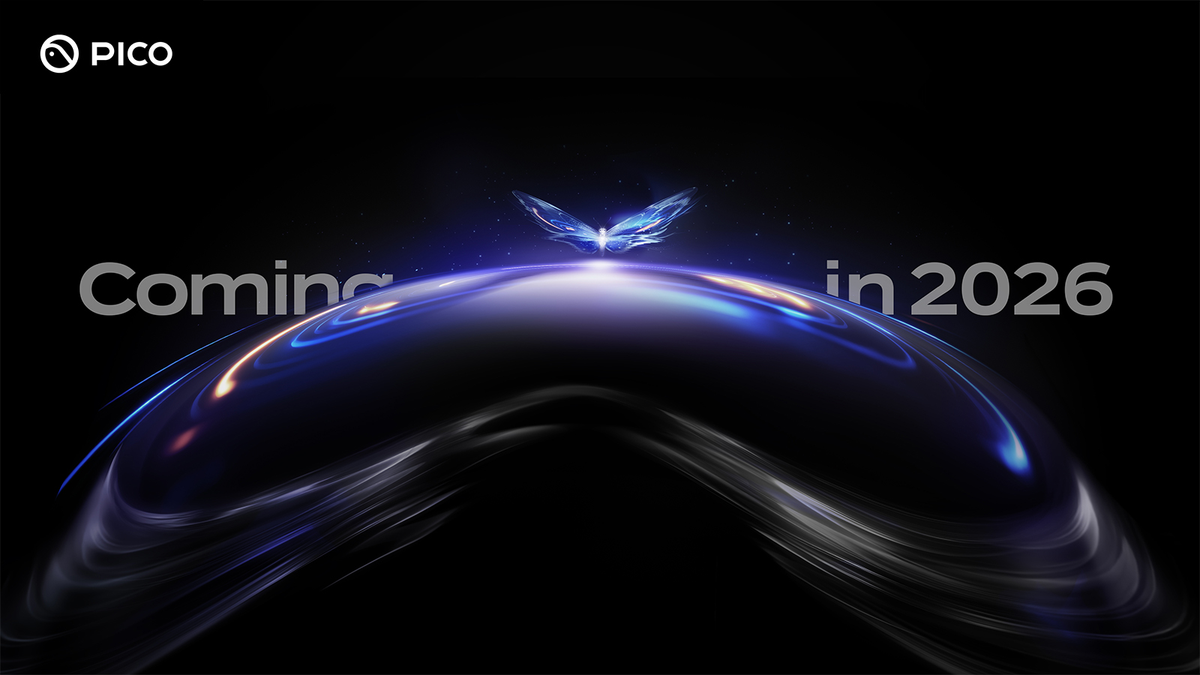
The landscape of spatial computing is poised for a significant shift as Pico, the XR subsidiary of ByteDance, moves closer to the commercial release of its most ambitious hardware to date. Recently surfaced filings from the Federal Communications Commission (FCC) have confirmed that a new Pico device, widely identified as the Pico Space Pro, has cleared a critical regulatory hurdle for the United States market.
This certification not only signals an impending release but also provides a detailed technical blueprint of a device designed to compete directly with high-end offerings from Apple and Meta. Originally teased under the internal codename "Project Swan," the Pico Space Pro represents a pivot toward premium "Mixed Reality Computing," featuring a dual-component architecture, industry-leading display density, and a revamped operating system.
Main Facts: A New Architecture for Spatial Computing
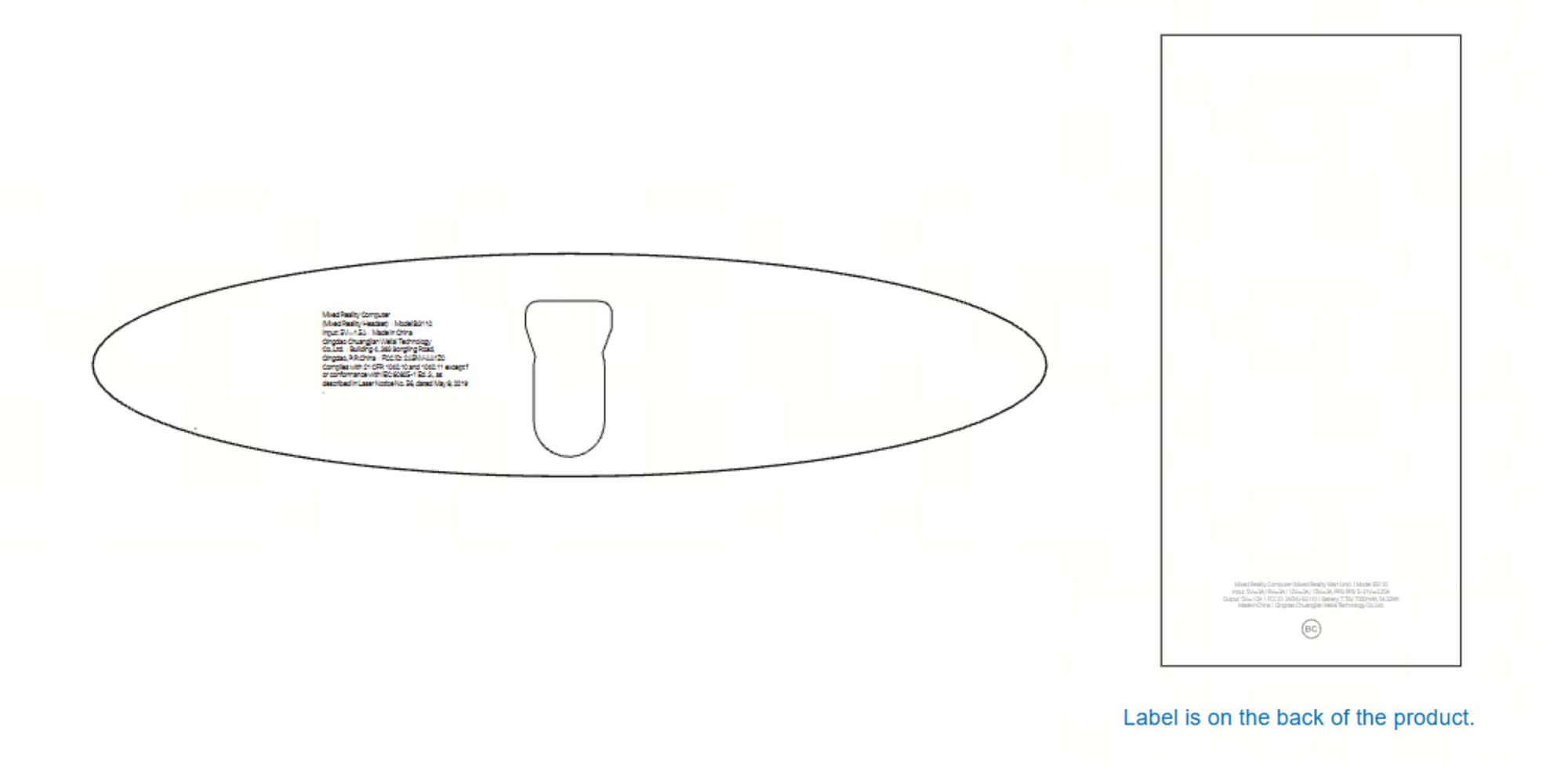
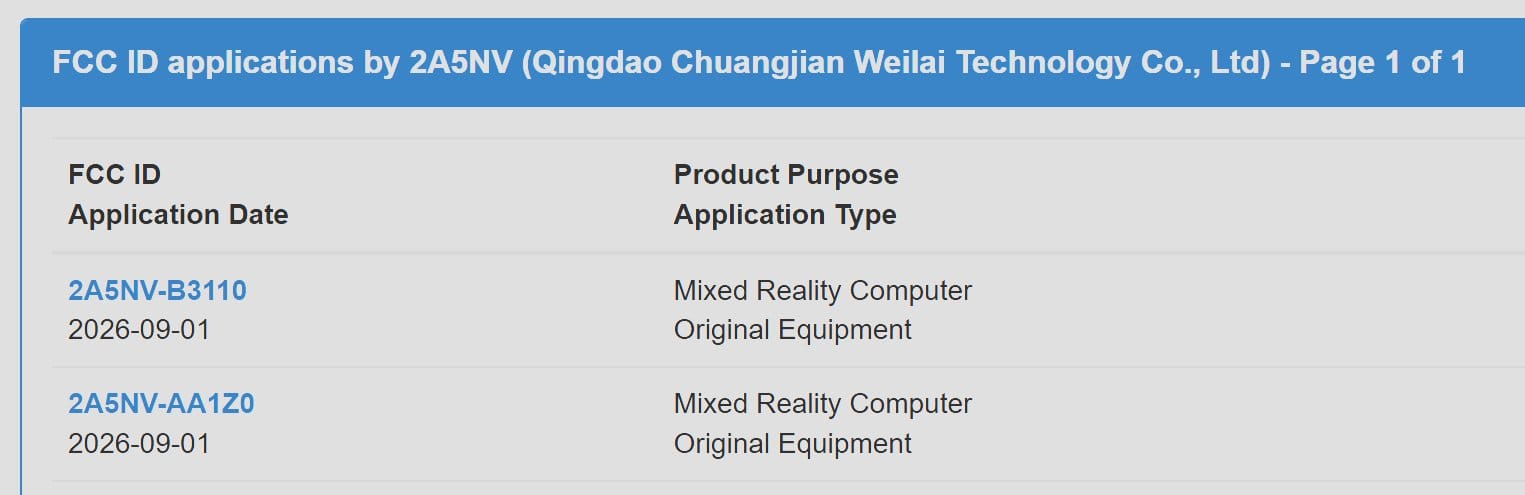
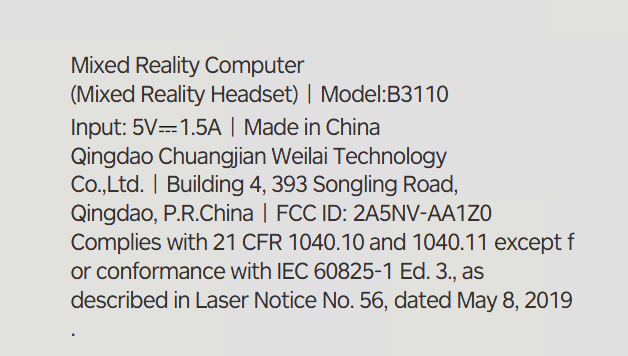
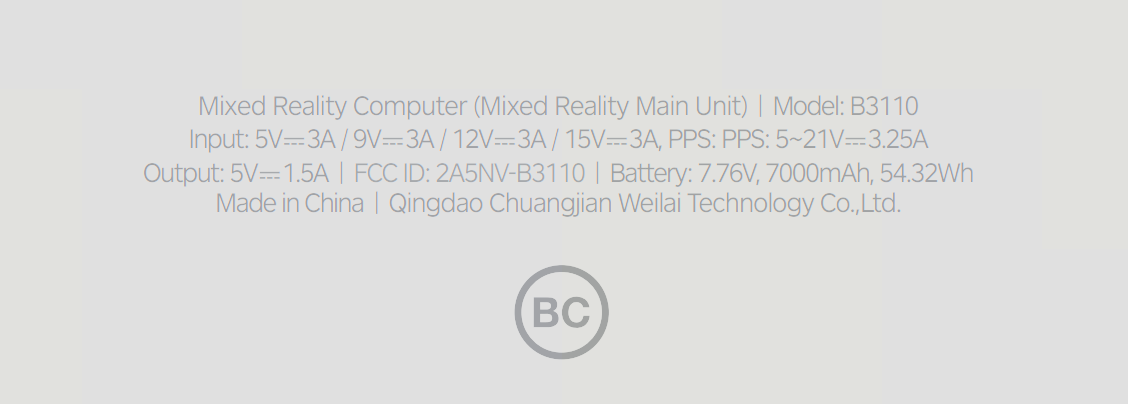
The FCC filings (IDs 2A5NV-AA1Z0 and 2A5NV-B3110) reveal a sophisticated hardware strategy that separates the wearable component from the primary computing and power source. This "split-processing" design is increasingly becoming the gold standard for high-end mixed reality, aimed at reducing the physical weight and thermal load on the user’s head.
The Dual-Component System
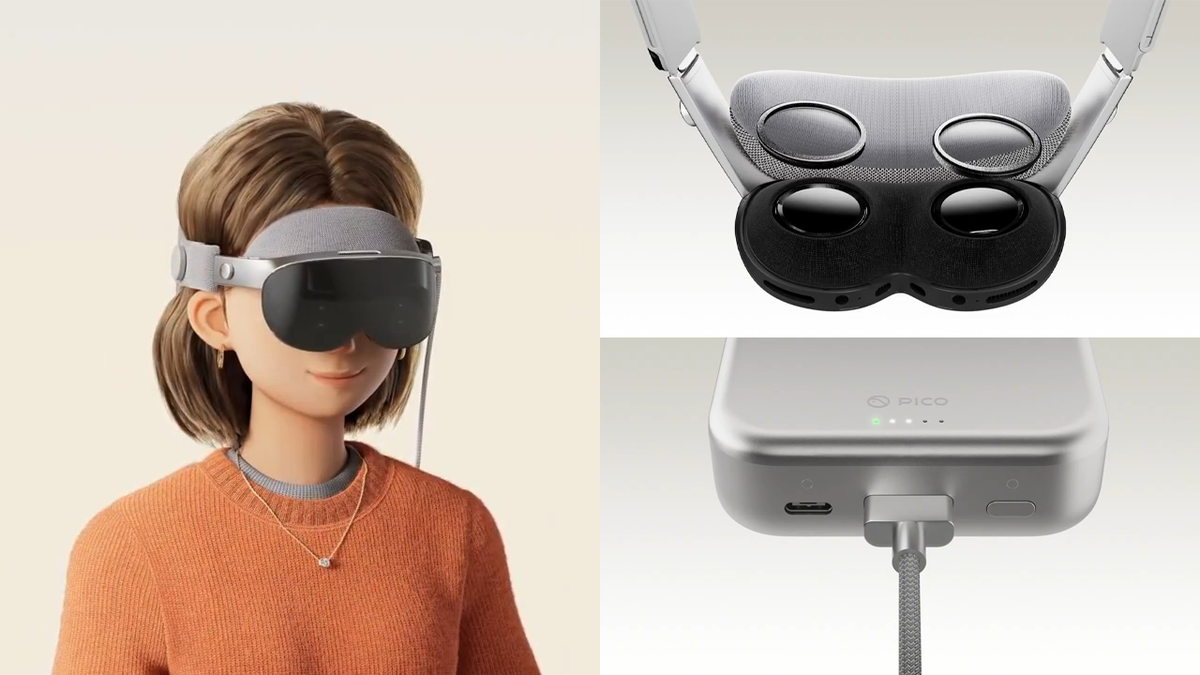
The Pico Space Pro is classified in regulatory documents as a "Mixed Reality Computer," consisting of two primary parts:
The Mixed Reality Headset (Model B3110): A lightweight visor focused on display and sensory input.
The Mixed Reality Main Unit (The "Puck"): An external, tethered unit that houses the battery, wireless radios, and core processing hardware.
Technical Specifications and Performance
Based on official teasers and leaked SDK data, the Space Pro is set to leapfrog current consumer standards. The headset features Micro-OLED panels boasting a resolution of 4,000 pixels per inch (PPI). For context, this level of density is designed to virtually eliminate the "screen-door effect," providing a visual fidelity that rivals or exceeds the Apple Vision Pro.
Under the hood, Pico is moving away from off-the-shelf mobile architectures in favor of a dual-chip architecture. This includes a self-developed coprocessor dedicated to computer vision and image processing—reducing latency for passthrough—and a main processor that Pico claims offers twice the CPU and GPU performance of the Qualcomm Snapdragon XR2 Gen 2 found in the Meta Quest 3 and Pico 4 Ultra.
Chronology: From Project Swan to Space Pro
The journey of the Pico Space Pro has been marked by strategic teases, unexpected leaks, and a last-minute delay that has kept the industry on edge.
March 2026: The Announcement of Project Swan. ByteDance publicly teased its next-generation headset, emphasizing a shift toward "Spatial Computing." The company focused on the display technology and the new "Pico Spatial Engine," designed to mirror the capabilities of Apple’s RealityKit.
June 2026: SDK Visual Leaks. Developers discovered videos within a public Pico SDK that showcased the headset’s physical design. The clips depicted a sleek visor with a forehead pad and a rear strap reminiscent of the Apple Vision Pro’s Solo Knit Band. Crucially, these videos confirmed the existence of the external tethered puck.
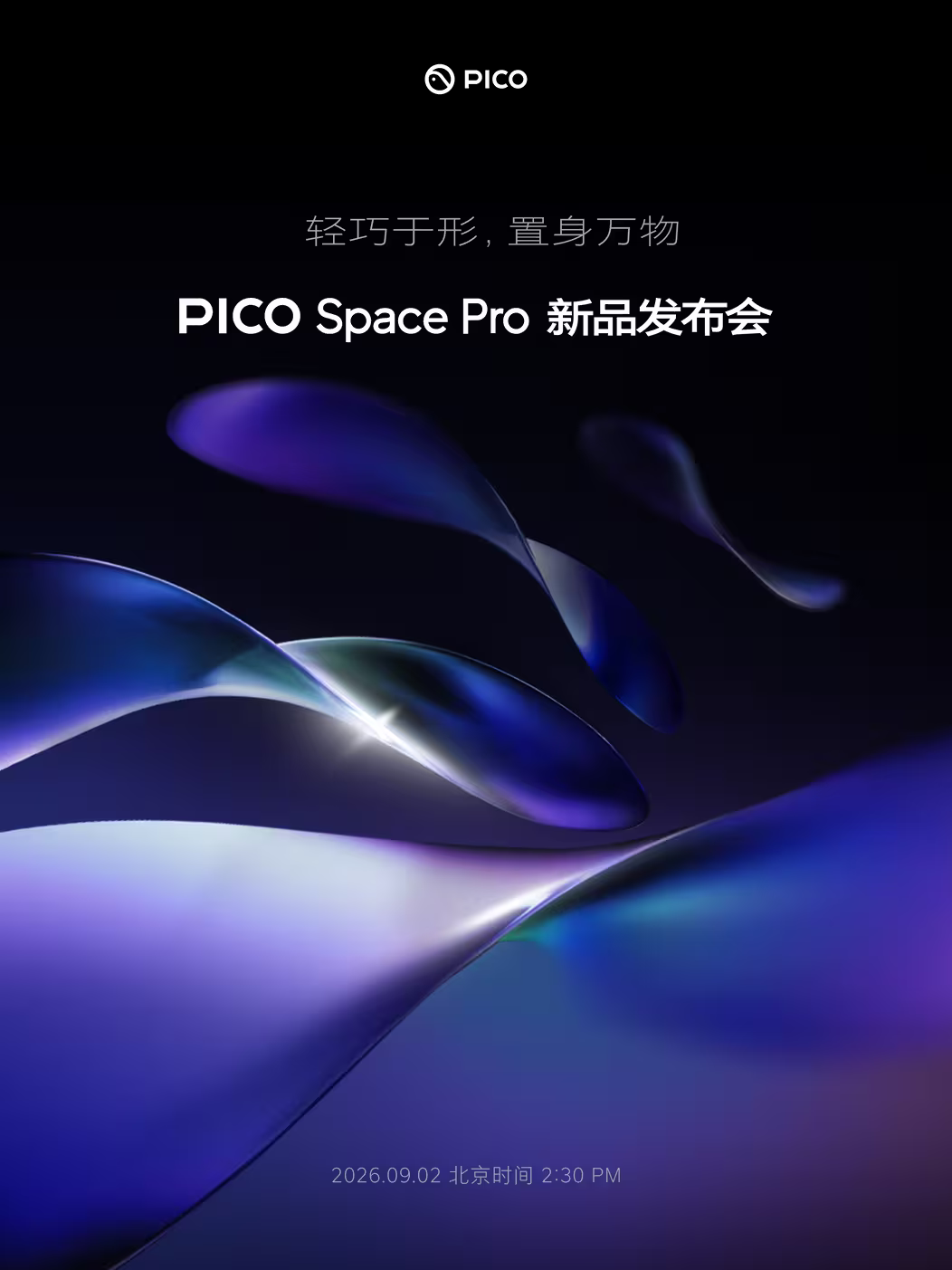
August 19, 2026: The Official Naming. Pico’s Asia-region social media channels, including Bilibili and X (formerly Twitter), officially named the device the "Pico Space Pro" and scheduled a launch event for September 2, 2026.
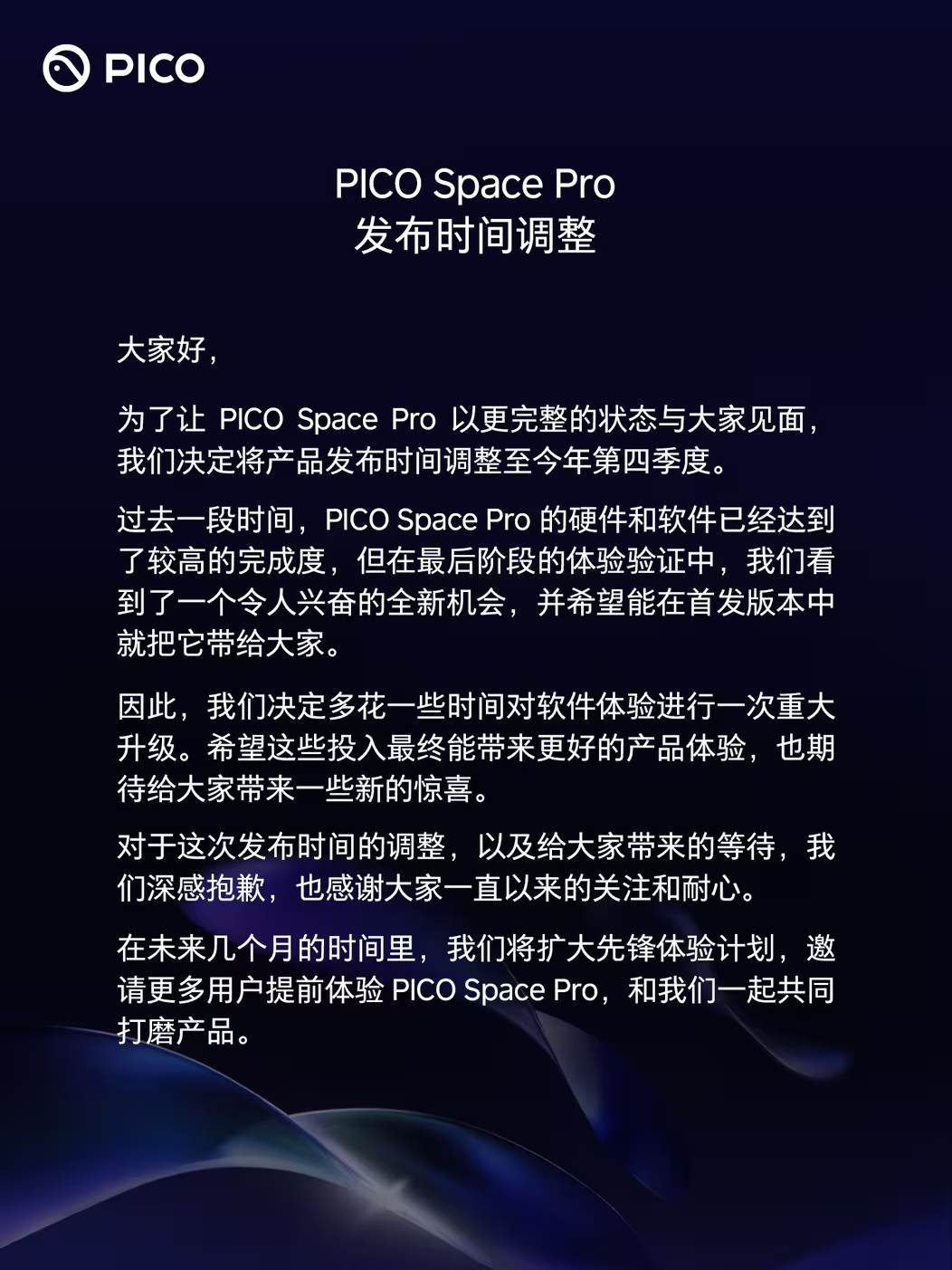
Late August 2026: The Sudden Delay. Just days before the scheduled event, Pico issued a statement cancelling the launch and pushing the release to the fourth quarter of 2026.
September 2026: FCC Certification. Despite the delay in the commercial launch, the device received its FCC certification, confirming its readiness for the US market and providing the most concrete technical data to date.
Supporting Data: Analysis of the FCC Filings
The FCC database provides a granular look at the device’s capabilities that marketing materials often gloss over. The filings confirm that the Pico Space Pro is a powerhouse of connectivity and endurance.
Power and Battery Life
The external "Main Unit" or puck contains a 7,000 mAh battery rated at 54.32 Wh. This is a significant capacity for a wearable device, suggesting that Pico is prioritizing longer sessions of "spatial work" rather than just short bursts of gaming. By moving the battery to a puck, Pico can utilize a larger cell without increasing the "lever effect" of weight on the user’s face.
Connectivity Standards
The documentation confirms support for Wi-Fi 7, the latest wireless standard. This is critical for a device that may rely on high-bandwidth streaming from PCs or cloud servers. While the headset itself operates on a radio frequency between 2.402 and 2.480 GHz (likely for controller tracking and low-latency puck communication), the puck handles the heavy lifting of high-speed data transmission.
Ecosystem Accessories
In addition to the headset and puck, Pico received certification for a "Wireless Keyboard" (FCC ID 2A5NV-C6110) in July 2026. The timing and classification suggest this is a dedicated productivity accessory for the Space Pro, further aligning the device with the "spatial computer" narrative rather than a traditional VR gaming console.
Official Responses: The Reason for the Delay
The abrupt cancellation of the September launch event raised concerns regarding production yields or hardware flaws. However, Pico’s official statement on its Bilibili channel painted a picture of software-driven optimization.
In a translated statement, the company noted:
"To bring you PICO Space Pro in a more complete form, we have decided to move its release to the fourth quarter of this year… during the final phase of user-experience testing, we discovered an exciting new opportunity, and we hope to include it in the initial release."
The "exciting new opportunity" likely refers to a major upgrade to Pico OS 6. This new operating system is expected to feature a visionOS-like interface, supporting advanced multitasking, window management, and high-fidelity environmental passthrough. Pico has indicated that the extra months will be used to "refine the software experience," implying that the hardware is largely finalized, as evidenced by the completed FCC testing.
To mitigate frustration among enthusiasts, Pico has expanded its Global Early Access Program, inviting "select experts" to test the hardware and software under strict non-disclosure agreements to provide "rigorous feedback" before the Q4 rollout.
Implications: A High-Stakes Battle for the High-End Market
The emergence of the Pico Space Pro carries significant implications for the XR industry and the competitive dynamics between ByteDance, Meta, and Apple.
1. Challenging the Apple Vision Pro
By opting for 4000 PPI Micro-OLEDs and a tethered compute puck, Pico is positioning the Space Pro as a direct competitor to the Apple Vision Pro, likely at a more aggressive price point. While Apple focuses on its "walled garden" ecosystem, Pico’s reliance on an open Android-based architecture (Pico OS) could appeal to developers and power users who find visionOS too restrictive.
2. The Shift to "Spatial Computing"
The classification of the device as a "Mixed Reality Computer" rather than a "VR Headset" is a calculated move. With the inclusion of a wireless keyboard and a high-capacity battery, ByteDance is signaling that this device is intended for productivity, media consumption, and professional workflows. This move validates the market direction set by Apple and Samsung’s upcoming XR collaborations.
3. Regulatory and Geopolitical Context
Securing FCC certification is a vital step for ByteDance. Despite ongoing political scrutiny regarding TikTok in the US, the approval of the Space Pro suggests that Pico is committed to maintaining a presence in the American hardware market. The certification ensures that the device meets US standards for wireless interference and safety, removing the final legal barrier to a domestic launch.
4. Hardware Evolution: The Death of the All-in-One?
The move to an external puck by Pico, following similar designs by XREAL (Aura) and rumored designs by Meta (Project Phoenix), suggests a shift in the industry’s design philosophy. Engineers are reaching the limits of what can be comfortably worn on the face while maintaining high-performance compute. The Space Pro’s success or failure will likely determine if consumers are willing to accept a "tether to the pocket" in exchange for "weightlessness on the head."
Conclusion: Looking Toward Q4 2026
As the fourth quarter of 2026 approaches, the XR community awaits a definitive launch date. The FCC filings indicate that the short-term confidentiality for internal photos and user manuals is set to expire on February 28, 2027. This suggests that the device will be in consumers’ hands well before that date, likely hitting shelves in the November-December holiday window.
The Pico Space Pro represents ByteDance’s "all-in" moment. With top-tier specs, a bold new architecture, and a refined focus on spatial computing, it has the potential to be the first true rival to the high-end established players, provided the "software surprises" promised by the company can live up to the hardware’s immense potential.
The landscape of immersive gaming is undergoing a radical transformation as the boundaries between the physical and digital worlds continue to blur. One of the most recent and compelling entries into
Introduction In the ever-evolving landscape of virtual reality, few titles have demonstrated the resilience and transformative capacity of No Man’s Sky. What began as a controversial launch in 2016 ha
The trajectory of HTC, once the undisputed titan of the early Android smartphone era, has for the past decade been a study in managed decline and industrial survival. However, as the company enters th