Nature’s Canvas: The Exquisite Botanical Illustrations of Helen Ahpornsiri

In a world saturated with digital creations and mass-produced art, the work of Helen Ahpornsiri stands as a breathtaking testament to the beauty and ingenuity that can be found in nature’s own palette. Ahpornsiri, a British artist, transforms humble pressed wildflowers, ferns, and leaves into intricate, lifelike animal illustrations that blur the lines between art, science, and the natural world. What might initially sound like a charmingly rustic school project is, upon closer inspection, revealed to be a masterclass in observation, patience, and a profound understanding of her medium. This article delves into the captivating artistry of Helen Ahpornsiri, exploring her unique process, the profound impact of her work, and the wider lessons it offers to creators and nature enthusiasts alike.
The Genesis of a Botanical Vision
Helen Ahpornsiri’s artistic journey is one rooted in a deep connection with the natural world. Her unique approach involves meticulously collecting, pressing, and arranging organic materials to form the shapes of various animals. The initial description of her process, as recounted by the original article’s author, might evoke images of elementary school craft projects. However, this initial perception is swiftly dispelled upon encountering the actual artworks.
"When a friend first told me about her process, it sounded more like a school project for eight-year-olds than the disciplined approach of a professional illustrator," the author admits. This sentiment highlights a common initial reaction, one that underestimates the skill and artistic vision required to elevate simple natural elements into sophisticated art. The author’s subsequent exploration of Ahpornsiri’s portfolio reveals a stark contrast to amateurish expectations. "I realised I couldn’t have been more wrong," they state emphatically. "This is some of the most beautiful illustration I’ve seen for years."
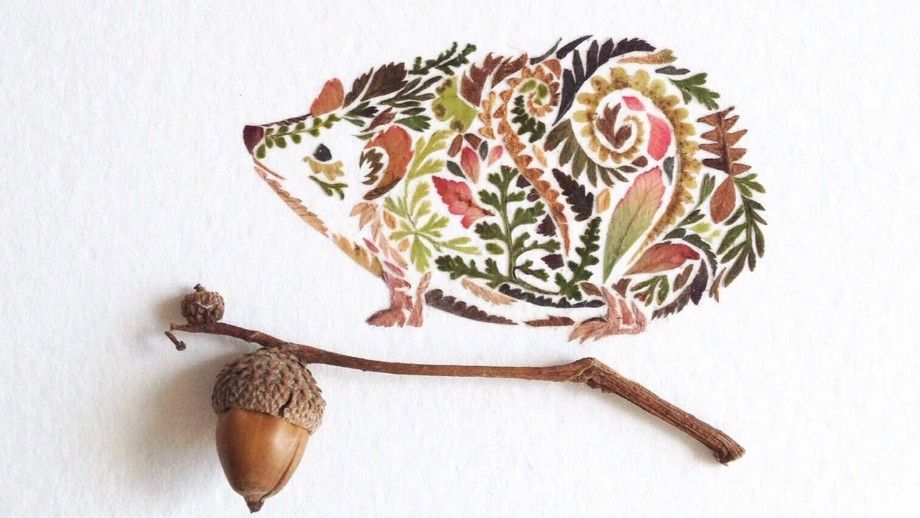
This transformation from perceived amateurism to professional artistry lies in Ahpornsiri’s ability to transcend the limitations of her chosen materials. Instead of struggling to discern the intended subject within a jumble of leaves, viewers are immediately captivated by the recognizable forms of animals. The iconic image of a hedgehog, rendered in autumnal hues of brown, ochre, and green, exemplifies this mastery. Its "paisley-patterned, autumnal little creature is so artfully crafted, your brain neither knows nor cares what media it’s made with."
It is only upon closer examination that the viewer truly registers the intricate detail. Each spine of the hedgehog is painstakingly constructed from individual pressed leaves, their arrangement mirroring the natural texture and direction of a real hedgehog’s quills. This level of detail and understanding of animal anatomy, applied through such an unconventional medium, is what elevates Ahpornsiri’s work from mere craft to profound art.
A Symphony of Form and Flora: Ahpornsiri’s Artistic Process
The true magic of Helen Ahpornsiri’s illustrations lies in the symbiotic relationship she cultivates between her subjects and their natural habitats. Her artistic process is not simply about replicating an animal’s form; it’s about embodying its essence through the very elements that constitute its world.
The Art of Material Selection: Ahpornsiri’s selection of plants is not arbitrary. Each leaf, petal, and frond is chosen for its color, texture, and inherent shape, which can be ingeniously manipulated to represent different aspects of an animal’s anatomy. For instance, the rich browns and ochres of autumn leaves become the perfect medium for depicting the earthy tones of a hedgehog’s spines and body. The delicate veins of leaves can be used to suggest fur, while the curved edges of petals can form the soft lines of a bird’s wing.
Ecological Resonance: A key element that imbues Ahpornsiri’s work with such depth is her commitment to ecological resonance. She masterfully matches the plant materials to the natural environment of her chosen animals.
- The Woodland Dweller: The hedgehog illustration, as mentioned, utilizes the colors and textures of an autumnal woodland floor – the very environment where hedgehogs thrive. This creates an "exquisite circularity," where the artwork becomes a miniature ecosystem in itself, reflecting the animal’s habitat.
- The Meadow’s Embrace: Similarly, the hare illustration emerges from a dense arrangement of pressed buttercups, cow parsley, and clover. This integration makes the animal and its habitat "intertwined and inseparable," blurring the boundaries between the creature and the meadow it inhabits. The textures of the wildflowers and foliage suggest the softness of fur and the natural camouflage of the hare.
- The Ocean’s Depths: Ahpornsiri’s rendition of a whale is a striking example of her ability to translate aquatic environments into visual art. Constructed from pressed seaweed fronds and delicate coral-like shapes, the whale embodies the textures and colors of the ocean floor. The swirling greens and purples of the seaweed evoke the movement of underwater currents, while the intricate details of the "coral" suggest the complex marine life that surrounds the whale.
A Commitment to Authenticity: Beyond the visual harmony, Ahpornsiri’s dedication extends to the sourcing of her materials. The article notes, "did I mention she grows and presses some of the plants herself? That’s the kind of commitment to her subject matter that only inspires me more." This personal involvement in cultivation and preservation adds another layer of authenticity and respect for the natural world. It signifies a deep, hands-on engagement with her medium, transforming her art into a form of environmental advocacy and celebration.
The Art of Observation: More Than Just Pretty Pictures
The brilliance of Helen Ahpornsiri’s work lies not only in its aesthetic appeal but also in its profound observational depth. The author’s initial skepticism gives way to admiration as they dissect the underlying skill and understanding that informs each piece.
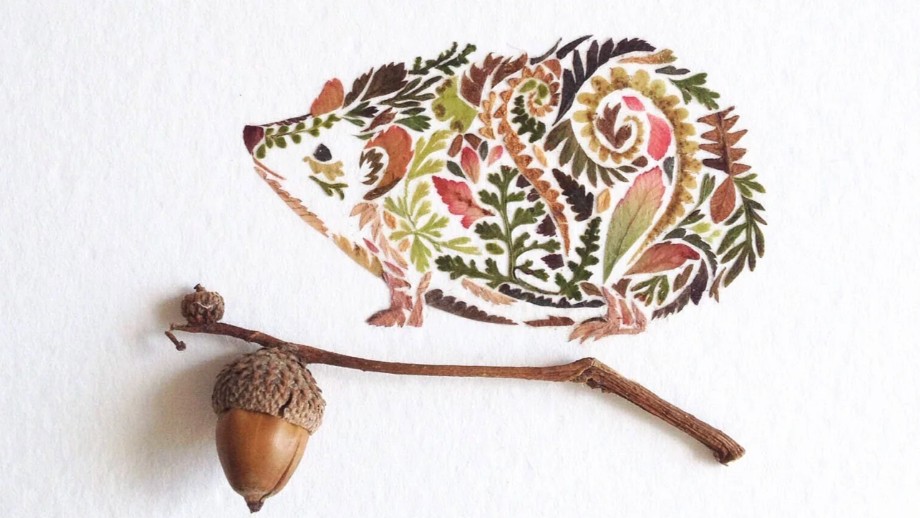
From General Form to Specific Detail: Ahpornsiri’s ability to create immediate recognition of her subjects is a testament to her understanding of animal form. The initial impact is one of immediate recognition – "your eye reads ‘hedgehog’ immediately." This speaks to a keen eye for silhouette and proportion. However, the true artistry unfolds upon closer inspection, where the intricate details emerge. The "patience of someone who has spent a long time looking at how a hedgehog’s spines actually lie" is evident in the precise placement and layering of the pressed leaves. This demonstrates an artist who doesn’t just see an animal; she understands its structure, its movement, and its texture.
The Inverted Relationship: The author contrasts Ahpornsiri’s work with what they term "amateurishness you get at some craft fairs: where you stare and stare at a mess of foliage, squint and try to see the ‘picture’ the artist was aiming for." In Ahpornsiri’s case, this relationship is "completely inverted." The viewer is not tasked with deciphering the artist’s intent from a chaotic arrangement of materials. Instead, the artistic intent is immediately clear, and the materials reveal their clever application upon deeper engagement. This highlights a sophisticated artistic strategy, where the medium serves the subject without overpowering it.
A Deeper Connection: The author’s realization of "why I’ve fallen in love with this work" stems from this perfect marriage of material and subject. It’s not just about visual representation; it’s about capturing the essence of the creature through its natural elements. This creates a visceral connection for the viewer, evoking a sense of wonder and appreciation for both the animal and the natural world it inhabits. The art becomes a celebration of biodiversity and the interconnectedness of life.
Wider Implications: Lessons for Art and Design
Helen Ahpornsiri’s innovative approach offers valuable insights and lessons for anyone involved in visual art and design, regardless of their chosen medium. Her work challenges conventional practices and encourages a more experimental and responsive creative process.
Embracing Uniqueness Over Uniformity: The author distills a crucial lesson: "It’s tempting, when you’ve found a technique that works, to apply it everywhere, evenly, and consistently. Helen’s animals are more interesting and unique, precisely because they don’t." This underscores the danger of creative stagnation. While mastering a technique is important, rigidly adhering to it can lead to predictable and ultimately less impactful work. Ahpornsiri’s diverse application of her botanical medium, adapting it to suit each individual subject, demonstrates the power of tailored creativity.
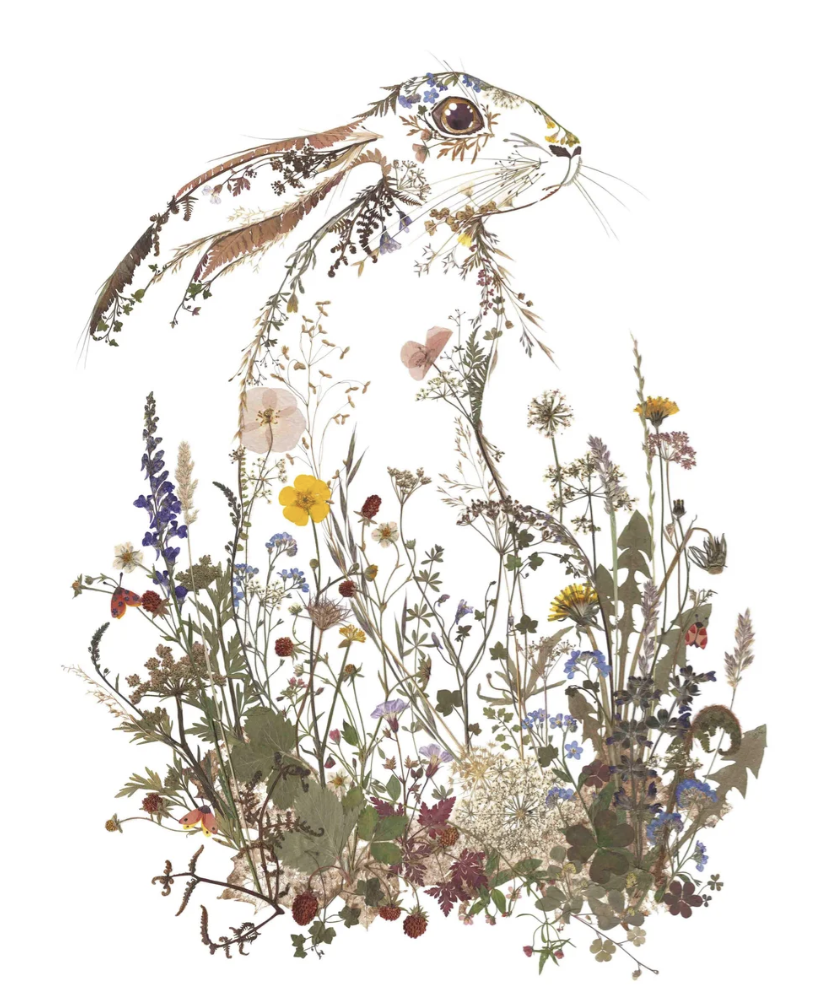
The Art of Reinvention: Ahpornsiri’s process is akin to reinventing her artistic approach with each new creation. The "density surges and recedes, much like the natural world these creatures inhabit." This dynamic approach means that each illustration possesses its own unique rhythm and visual language. This serves as a powerful reminder for designers and artists to constantly question their methods, to explore variations, and to allow the subject matter to dictate the form of expression. It encourages a departure from a one-size-fits-all mentality towards a more nuanced and responsive creative practice.
Trusting the Unlikely Idea: Perhaps the most inspiring takeaway is the validation of unconventional thinking. Ahpornsiri’s initial concept, which might have been dismissed as too simplistic or craft-oriented, has blossomed into a celebrated artistic practice. This serves as a potent encouragement for others to "trust that the strange, unlikely idea might actually end up being the best one." In a field that often rewards novelty and innovation, embracing seemingly eccentric concepts can lead to groundbreaking and profoundly original work. It highlights the importance of nurturing creative intuition and pursuing ideas that might initially seem outside the established norms.
Conclusion: A Flourishing Legacy
Helen Ahpornsiri’s botanical illustrations are more than just visually stunning pieces of art; they are eloquent tributes to the natural world, intricate studies of animal anatomy, and powerful demonstrations of artistic innovation. Her work invites us to look closer, to appreciate the subtle beauty of pressed leaves and delicate petals, and to recognize the profound connections between all living things.
Through her disciplined yet incredibly imaginative process, Ahpornsiri has carved a unique niche in the art world. Her ability to imbue her creations with life, personality, and ecological resonance is a testament to her extraordinary talent. As the author concludes, her art is not only "incredible" but also a vital source of inspiration, urging us to embrace experimentation, trust our creative instincts, and find beauty in the most unexpected of places. In a time when environmental consciousness is paramount, Ahpornsiri’s art serves as a poignant reminder of the exquisite artistry that nature itself offers, and the boundless creative potential that lies within its embrace.