
Echoes of Place: Candace Caston’s Collage Art as an Intimate Archive of Memory
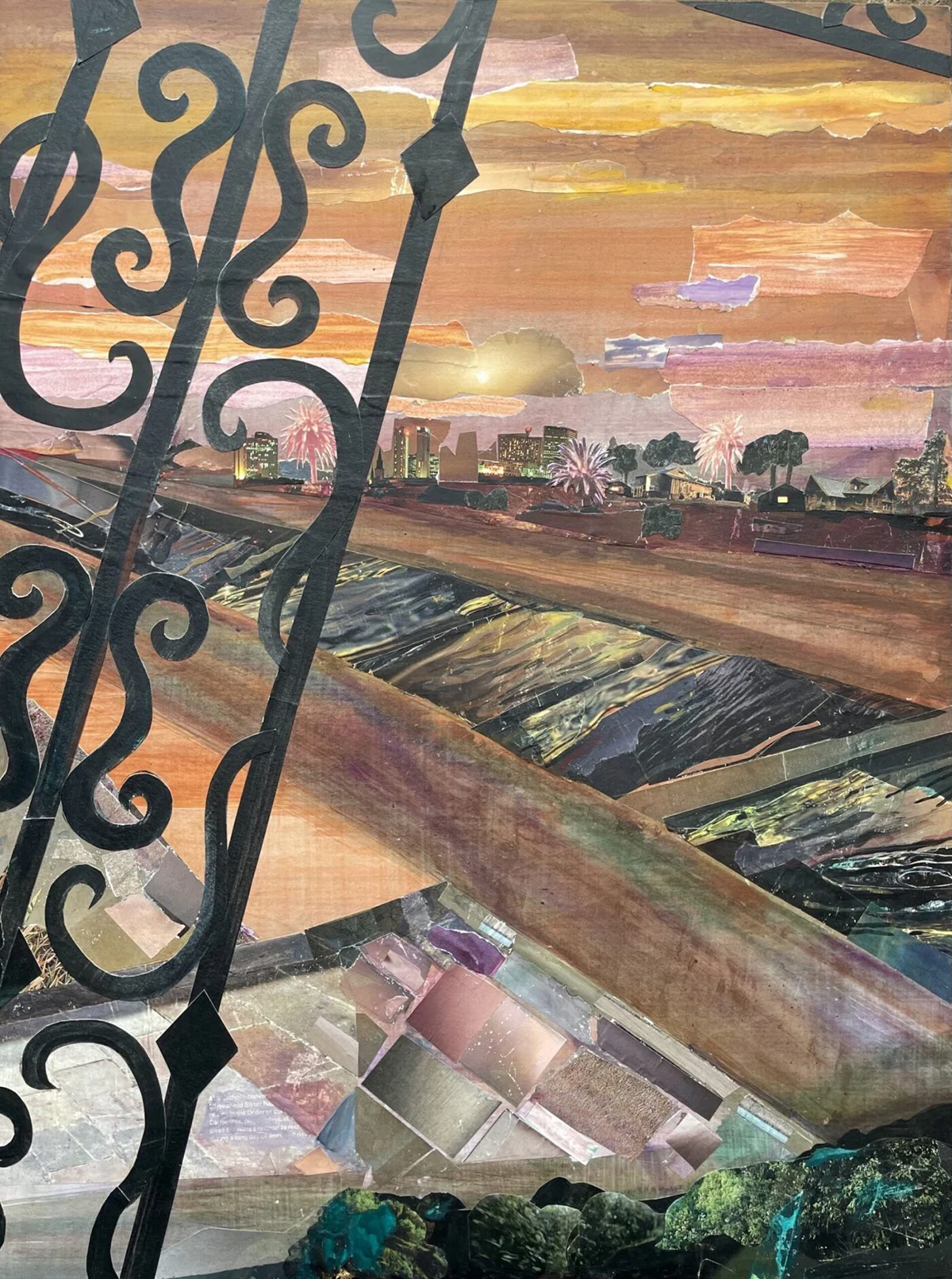
Atlanta, GA – In the hushed spaces of memory and the vibrant tapestry of lived experience, artist Candace Caston crafts a unique visual language through her evocative collage work. Born in the bayous of Louisiana and now rooted in the artistic hub of Georgia, Caston, a proud alumna of the Savannah College of Art and Design (SCAD) in Atlanta, transforms ephemeral recollections into tangible artworks. Her process, primarily employing water-based media, delves into the profound connection between place and personal history, creating an intimate archive that resonates with the universal human experience of remembering.
Caston’s artistic practice is a testament to the power of the seemingly small details. She articulates this profound connection with a poignant observation: "Eyes look through the blinds towards the neighborhood, as the heat from outside seeps into the interior. I recall this as I reflect on the home I grew up in. Memories are captured in the windows, objects, and arrangements of a room or exterior space. They’re evoked by small details—the furniture, the weather outside, how the light moves through and around the house, or the shapes the blinds make as you part them to peek out. In reflecting on moments of solitude, seemingly small scenes become significant." This philosophy forms the bedrock of her art, where each collage becomes a portal, inviting viewers to step into a world steeped in sensory detail and emotional resonance.
The Genesis of a Visual Language: From Louisiana Roots to Atlanta’s Creative Soil
Candace Caston’s artistic journey is intrinsically linked to her origins. Louisiana, a state steeped in rich cultural heritage, vibrant landscapes, and a palpable sense of history, undoubtedly imprinted itself upon her nascent artistic sensibilities. The humid air, the distinct architectural styles, and the interwoven narratives of generations likely provided fertile ground for the seeds of her artistic exploration to sprout. While specific details of her early life are not publicly elaborated upon in the provided excerpt, it is reasonable to infer that the sensory richness of her birthplace played a significant role in shaping her appreciation for the evocative power of place.
Her formal artistic education at the Savannah College of Art and Design (SCAD) in Atlanta provided the crucial framework and technical skills to translate these deeply felt impressions into a coherent artistic practice. SCAD, renowned for its comprehensive art and design programs, would have exposed Caston to a diverse range of artistic methodologies, critical discourse, and a vibrant community of fellow creators. This period of intense learning and experimentation likely allowed her to refine her nascent ideas about memory and place, honing her ability to articulate these complex themes through the medium of collage. The choice of Atlanta as her current base further situates her within a dynamic contemporary art scene, offering opportunities for exhibition, collaboration, and continued artistic dialogue.
The Art of Collage: An Intimate Archive of Dream and Reality
Caston’s primary medium, collage, is particularly suited to her thematic concerns. Collage, by its very nature, involves the layering and juxtaposition of disparate elements to create a new, unified whole. This process mirrors the way memory itself functions – a reconstruction of fragmented experiences, sensations, and emotions. Caston’s approach goes beyond simply assembling images; she imbues each element with a deliberate intention, selecting and arranging them to evoke specific feelings and narratives.
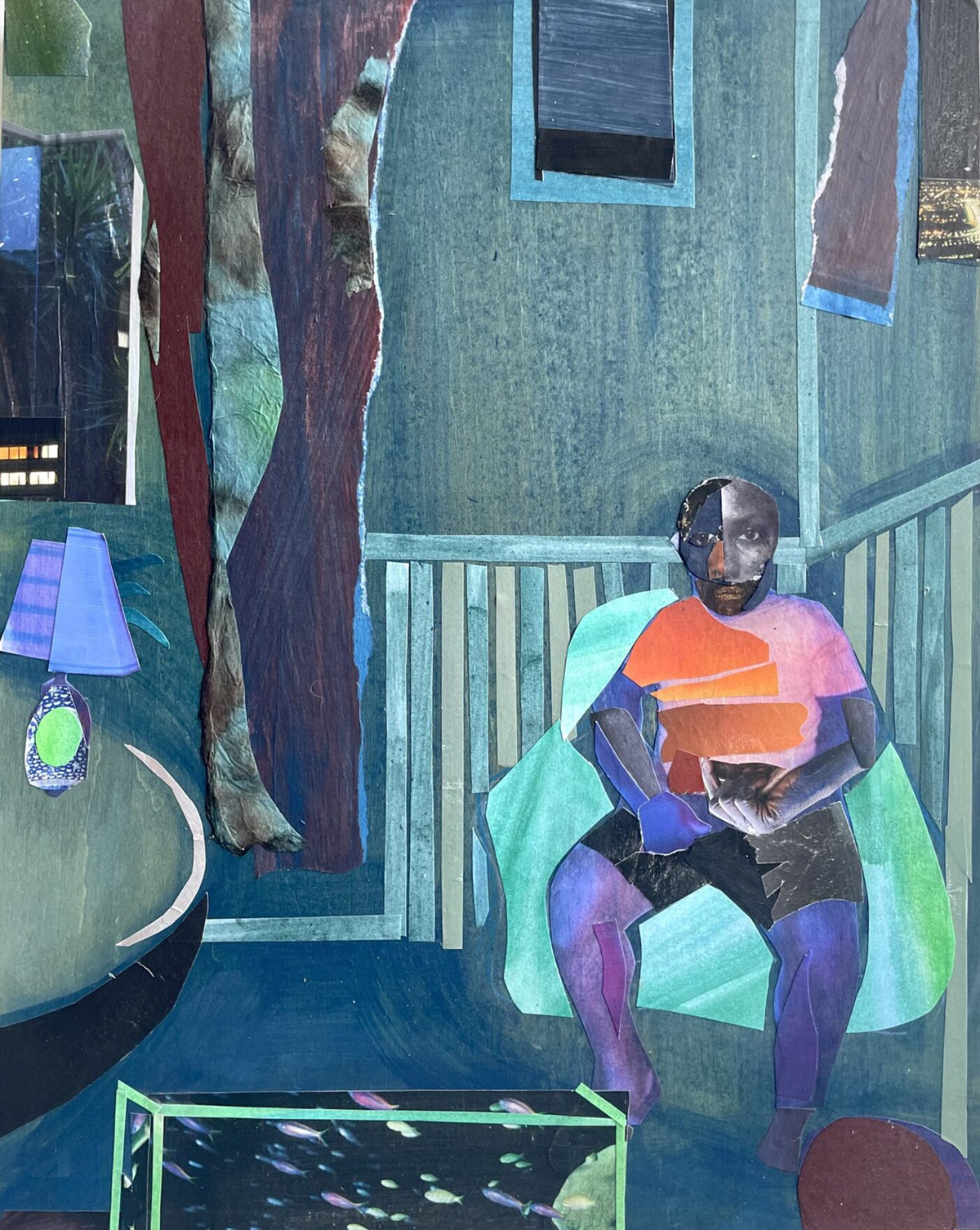
Her works are not mere representations of physical spaces but rather reconstructions of remembered spaces. This distinction is crucial. They are imbued with the subjective lens of memory, influenced by the passage of time, emotional significance, and even the subconscious landscape of dreams. The "intimate archive" she creates is personal, yet it possesses a universal quality that allows viewers to connect with their own stored memories of places that hold meaning for them.
The use of water-based media further enhances the ephemeral and fluid nature of memory that Caston explores. These media often lend themselves to softer textures, translucent layers, and a sense of organic blending, all of which can evoke the subtle and often indistinct edges of recollection. This choice of materials is not arbitrary; it is an integral part of her artistic vocabulary, contributing to the overall mood and feeling of her collages.
Deconstructing Memory: The Power of Sensory Detail
Caston’s own words offer a profound insight into the meticulous and deeply personal process behind her art: "Eyes look through the blinds towards the neighborhood, as the heat from outside seeps into the interior. I recall this as I reflect on the home I grew up in." This vivid sensory detail – the visual of blinds, the tactile sensation of heat – immediately grounds the viewer in a specific, albeit remembered, moment. The act of looking through blinds, she notes, is a gesture of both observation and slight withdrawal, a peeking out that suggests a complex relationship with the external world.
She elaborates on how these sensory cues become triggers for recollection: "Memories are captured in the windows, objects, and arrangements of a room or exterior space. They’re evoked by small details—the furniture, the weather outside, how the light moves through and around the house, or the shapes the blinds make as you part them to peek out." This highlights a sophisticated understanding of how our environment shapes our internal landscape. The mundane – a piece of furniture, the angle of sunlight – can become potent vessels of memory, carrying with them the weight of past experiences and emotions.
The phrase "how the light moves through and around the house" speaks to the dynamic and ever-changing nature of our perception of space. Light, in its constant flux, can alter the mood and character of a room, just as memory can shift and evolve over time. The shapes the blinds make, a seemingly insignificant detail, become a focal point, underscoring Caston’s ability to find profound meaning in the overlooked.
This exploration of "moments of solitude" is particularly resonant. It suggests that it is often in quiet introspection, when the external world recedes, that the most potent and significant memories surface. These are not grand, dramatic events, but rather the quiet, internal moments that shape our sense of self and our connection to the places we inhabit. Caston’s art, therefore, acts as an invitation to pause, to reflect, and to recognize the significance of these seemingly small scenes in our own lives.
Supporting Data: The Broader Context of Memory and Art
While the provided text focuses on Candace Caston’s individual artistic practice, her work can be understood within a broader artistic and psychological context. The exploration of memory as a subject in art is a long-standing tradition, particularly prominent in movements like Surrealism, which delved into the subconscious and the dream state, and in contemporary art, where artists increasingly engage with personal histories and subjective experiences.
Psychological Frameworks:
The way Caston describes memory aligns with psychological theories that emphasize the reconstructive nature of memory. Rather than being a perfect recording, memory is actively built and rebuilt each time we access it, influenced by our current state of mind and existing knowledge. This explains why remembered places can feel both familiar and subtly altered. The concept of "place attachment" in environmental psychology also resonates, referring to the emotional bond individuals form with specific locations. Caston’s art visualizes these bonds, making the intangible palpable.
Artistic Precedents:
Artists throughout history have used various media to explore themes of memory and place. From the Impressionists’ capture of fleeting moments of light and atmosphere to the fragmented narratives in Cubism, and the deeply personal explorations in contemporary photography and installation art, the landscape of memory in art is vast. Caston’s specific approach, utilizing collage and water-based media to create an intimate archive, carves out a distinct and compelling niche within this rich artistic lineage. Her focus on the domestic and the everyday, elevated through artistic interpretation, speaks to a contemporary interest in finding profundity in the seemingly ordinary.
The Power of Visual Archives:
The idea of an "intimate archive" is also a powerful concept in the digital age. While Caston’s archive is analog, it speaks to a universal human desire to document and preserve personal histories. Her collages function as curated collections of emotional resonance, offering a more subjective and artistic alternative to traditional photographic albums or journals. They invite a deeper, more contemplative engagement with the past.

Implications: Reconnecting with Our Own Histories
Candace Caston’s collage work offers more than just aesthetically pleasing compositions; it provides a powerful lens through which to examine our own relationship with memory and place. In a world that often prioritizes the new and the immediate, her art serves as a gentle yet persistent reminder of the enduring significance of our past.
Personal Reflection: By engaging with Caston’s art, viewers are encouraged to:
- Revisit their own memories: The sensory details and emotional resonance in her work can act as prompts, unlocking forgotten recollections and prompting personal introspection.
- Appreciate the "ordinary": Caston’s ability to imbue seemingly mundane details with profound meaning encourages a greater appreciation for the subtle beauty and significance of everyday environments.
- Understand the fluidity of memory: Her work subtly illustrates that memory is not static but a dynamic and ever-evolving aspect of our identity.
Artistic Dialogue: Caston’s practice contributes to the ongoing conversation about how artists can engage with personal history and subjective experience. Her unique approach to collage and her focus on the memory of place offer valuable insights for emerging artists and established practitioners alike. Her work demonstrates that even in a digitally saturated world, the tactile and intimate nature of analog art can foster deep emotional connections.
Cultural Significance: As societies become increasingly mobile and globalized, the concept of "home" and "place" can become more abstract. Caston’s art, rooted in personal memory, helps to anchor these concepts, reminding us of the deep psychological and emotional connections we have to the spaces that shape us. Her work can be seen as a form of cultural preservation, safeguarding the emotional echoes of places that might otherwise fade from collective consciousness.
In conclusion, Candace Caston’s collage art is a profound exploration of the human experience, a testament to the power of memory, and a beautiful testament to the enduring connection between ourselves and the places that have shaped us. Through her intricate and evocative works, she invites us all to become archaeologists of our own past, unearthing the rich tapestry of moments that define our personal histories.



Leave a Comment