Locus Magazine Unveils Expansive September 2026 Issue, Offering Deep Dive into Science Fiction and Fantasy Landscape

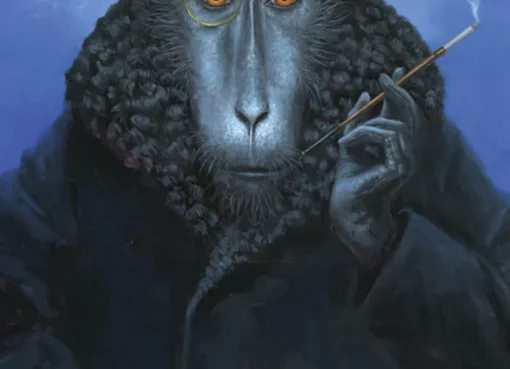
OAKLAND, CA – September 1, 2026 – Locus magazine, the venerable journal of record for the science fiction and fantasy fields, has released its September 2026 issue (#788), promising an unparalleled look into the genre’s latest developments, celebrated figures, and pressing discussions. With a striking cover by acclaimed artist Tithi Luadthong AKA Grandfailure, designed by Francesca Myman, the 59th year of publication continues its tradition of comprehensive coverage, featuring in-depth interviews, critical reviews, and essential industry news. This issue stands as a testament to the dynamic and ever-evolving nature of SFF, balancing tributes to its past with insightful explorations of its future.
Readers can anticipate exclusive interviews with beloved authors Garth Nix and James Islington, alongside a special spotlight on Dmitri Lincoln Mehlhorn and his intriguing project, Archipelago of Light. The issue also dedicates a feature to its cover artist, Tithi Luadthong, providing a deeper understanding of the visual artistry that defines much of modern genre publishing. From award season updates to profound obituaries, and from the burgeoning world of technopolitics to the subtle shifts in publishing, Locus #788 offers a meticulously curated journey through the literary and cultural currents shaping speculative fiction today.
Chronology: A Month in SFF
The September 2026 issue of Locus meticulously chronicles the significant events, achievements, and discussions that have shaped the science fiction and fantasy community over the preceding months. From the intimate insights gleaned from author interviews to the broader strokes of industry awards and debates, the magazine serves as an invaluable timestamp for the genre.
Leading Voices and Artistic Visions
The heart of Locus‘s enduring appeal lies in its direct engagement with the creators who define the genre. This issue brings two giants to the forefront with extensive interviews. Garth Nix, known for his masterful world-building in series like The Old Kingdom and Keys to the Kingdom, offers readers a glimpse into his creative process, perhaps discussing his latest endeavors, the evolution of his magic systems, or his perspectives on YA fantasy’s growing influence. His conversation, titled "A Wild Idea," promises to delve into the genesis of his imaginative narratives, providing valuable insights for aspiring writers and devoted fans alike.
Joining him is James Islington, who gained widespread acclaim for his Latesian Series, a complex epic fantasy saga. His interview, "All the Way to the End," suggests a discussion on the intricate plotting and long-term vision required for multi-volume works, or perhaps the emotional journey of concluding a beloved series. Readers can expect reflections on character development, narrative pacing, and the pressures and rewards of delivering satisfying conclusions in a genre often defined by its expansive scope.
Beyond the literary, Locus highlights the visual architects of SFF. A dedicated spotlight on artist Tithi Luadthong AKA Grandfailure celebrates the talent behind the issue’s evocative cover. Luadthong’s work, often characterized by its vibrant color palettes, intricate details, and epic scope, perfectly encapsulates the fantastical and futuristic elements central to the genre. The feature likely explores her artistic journey, influences, and the techniques she employs to bring speculative worlds to life, reinforcing the critical interplay between text and imagery in SFF.
Another intriguing feature is the spotlight on Dmitri Lincoln Mehlhorn & Archipelago of Light. While specific details of this project are kept under wraps, the title itself suggests a narrative rich in exploration, discovery, and perhaps a metaphor for humanity’s search for meaning or survival amidst a fragmented existence. This spotlight is anticipated to introduce Mehlhorn’s vision, the themes he explores, and the potential impact of Archipelago of Light on the genre’s evolving landscape.
Tributes to Literary Legacies
The September issue also takes a moment to pause and honor those who have shaped the genre, dedicating significant space to obituaries and appreciations. The passing of John Crowley (1942-2026) marks a profound loss for the SFF community. Crowley, celebrated for his elegant prose and groundbreaking works such as Little, Big – a novel often cited for its unique blend of fantasy, folklore, and literary ambition – left an indelible mark. The issue includes heartfelt appreciations from fellow literary luminaries Paul Park, Elizabeth Hand, Kelly Link, and John Clute, each offering personal reflections on Crowley’s influence, his distinctive voice, and his lasting legacy in speculative fiction. These tributes underscore the deep respect and admiration Crowley commanded, cementing his place as one of the genre’s most thoughtful and imaginative storytellers.
Similarly, the issue remembers Dave Nee, with an appreciation penned by Tom Whitmore. While less information is provided about Nee, his inclusion in Locus‘s obituaries signals his significant, perhaps behind-the-scenes, contributions to the SFF world, whether as an editor, critic, fan, or industry professional. Such tributes are vital for preserving the collective memory and acknowledging the diverse individuals who build and sustain the genre.

Awards Season and Industry Milestones
The competitive spirit and celebratory nature of the SFF community are reflected in the issue’s comprehensive awards coverage. The 2026 World Fantasy Awards ballot is a highlight, presenting the nominees for one of the genre’s most prestigious accolades. The World Fantasy Awards, known for recognizing excellence across a broad spectrum of fantasy literature, from epic to contemporary, provide a crucial benchmark for the year’s most impactful works.
In contrast, the Dragon Awards ballot also receives attention, representing a more fan-driven recognition within speculative fiction. While often subject to different critical reception, the Dragon Awards reflect a significant segment of fan preference and engagement, offering a snapshot of popular genre trends.
A major news item is E.J. Swift’s 40th Anniversary Clarke Award win. The Arthur C. Clarke Award, celebrating the best science fiction novel published in the United Kingdom, is a highly respected honor. Swift’s victory, particularly in the award’s 40th anniversary year, underscores her significant contribution to contemporary science fiction and highlights the continued vitality of British SFF.
The Aurora Awards Winners, Mythopoeic Awards, and Imadjinn Awards are also announced, further illustrating the breadth of recognition across various subgenres and communities. Changes to the Aurealis Awards indicate ongoing efforts within the Australian SFF scene to adapt and improve its celebratory frameworks.
Beyond individual accolades, Locus delves into broader industry challenges, notably reporting on Apex Magazine removing a story for suspected AI usage. This development is highly significant for 2026, as the rapid advancement of artificial intelligence in content generation continues to spark debates about authorship, originality, and ethical publishing practices. Locus‘s coverage likely examines the implications for writers, editors, and the very definition of creative work in an AI-assisted future.
On a more celebratory note, Ursula K. Le Guin’s Home Recognized as National Historic Landmark is a powerful acknowledgment of one of SFF’s most influential and visionary authors. This designation ensures the preservation of a physical space tied to her monumental literary legacy, offering future generations a tangible connection to her life and work.
Publishing Dynamics and Community Insights
The September issue provides a window into the pulse of the publishing world and the broader SFF community. The Anthropic Settlement receives final approval, a news item that points towards potentially groundbreaking real-world developments that resonate deeply with science fiction themes. While the specifics are not detailed, "Anthropic Settlement" suggests a human-centric initiative, possibly related to advanced AI ethics, new forms of societal organization, or even early steps towards extraterrestrial colonization, a topic ripe for SFF exploration. Its "final approval" status implies a significant milestone with long-term implications.
The report on GenCon, one of the largest tabletop gaming conventions, highlights the symbiotic relationship between SFF literature and gaming culture. GenCon coverage typically includes news on new releases, industry trends in board games and RPGs, and the growing convergence of narrative storytelling across different media.
Matt Haig to open a bookshop is a delightful piece of news, demonstrating a beloved author’s continued commitment to fostering literary communities and directly engaging with readers.

The People & Publishing section offers a rapid-fire update on various authors and industry figures, including Wendy N. Wagner, M. John Harrison, Guillermo del Toro & Chuck Hogan, and Rebecca Yarros. This section chronicles milestones, awards, book deals, and other career developments, providing a crucial network of information that connects the disparate parts of the SFF ecosystem.
Finally, Cory Doctorow’s commentary, "Technopolitics," delves into a topic he is uniquely qualified to discuss. Doctorow, a prominent advocate for digital rights and an insightful observer of technology’s societal impact, likely explores the intricate relationship between technological advancements, political power structures, and individual freedoms. His analysis promises to be a timely and thought-provoking contribution to the ongoing dialogue about our increasingly digitized world, mirroring the genre’s own engagement with these themes.
Supporting Data: The Breadth of SFF
Locus magazine’s commitment to thoroughness is evident in its extensive "Fall Titles" section and its unparalleled review coverage, offering readers a comprehensive guide to the current and forthcoming literary landscape of science fiction and fantasy.
Fall Titles and Editorial Perspectives
The Fall Titles section is a crucial resource for readers and industry professionals alike. It includes reviewers’ seasonal picks, highlighting anticipated releases and hidden gems, providing valuable recommendations for the upcoming reading season. This is complemented by listings of US and UK forthcoming books, offering a strategic overview of the publishing calendar and the diverse range of titles set to hit shelves.
A special spotlight on Chinelo Onwualu is particularly noteworthy. As an acclaimed Nigerian-Canadian writer and editor, Onwualu has been a pivotal voice in bringing diverse perspectives to speculative fiction, often exploring themes of colonialism, identity, and technology within African and diasporic contexts. Her spotlight likely delves into her contributions to anthologies like Dominion: An Anthology of Speculative Fiction From Africa and the African Diaspora and her ongoing work in challenging traditional genre boundaries.
The section also features commentary from Claire North, Tricia Narwani, and Yoon Ha Lee. These authors, each celebrated for their unique contributions to the genre – North for her philosophical thrillers, Narwani for her insightful fantasy, and Lee for his intricate space operas – offer their perspectives on the state of SFF, writing craft, or perhaps the broader cultural significance of speculative storytelling. Their contributions provide diverse editorial voices, enriching the magazine’s critical discourse.
Extensive Review Section
The backbone of Locus is its robust and discerning review section, which is meticulously divided into short fiction and novel reviews, covering a vast array of publications and titles.
Short Fiction Reviews are provided by seasoned critics Maria Haskins, Paula Guran, and A.C. Wise. Their coverage includes a wide selection of leading and emerging SFF magazines and podcasts, such as Tasavvur, Lightspeed, Beneath Ceaseless Skies, Escape Pod, PodCastle, Cast of Wonders, Diabolical Plots, Remains, Uncanny, Nightmare, Reactor, The Dark, Mysterion, The Sunday Morning Transport, Asimov’s, khōréō, and Clarkesworld. This comprehensive overview ensures readers stay abreast of the vibrant and innovative short form of SFF storytelling, identifying new talent and tracking thematic trends.
The Novel Reviews section is equally impressive, featuring a broad spectrum of new releases analyzed by an expert team of reviewers including Gary K. Wolfe, Colleen Mondor, Ian Mond, Niall Harrison, Joanne Anderton, Gabino Iglesias, and Divers Hands (Maria Haskins, Maya C. James, Russell Letson, Adrienne Martini). This month’s reviewed titles showcase the incredible diversity of the genre:

- Alix E. Harrow’s The Slantwise Histories (reviewed by Gary K. Wolfe) likely offers a unique take on alternate realities or historical fantasy, a hallmark of Harrow’s inventive style.
- Jonathan Strahan (ed.) is featured for two anthologies, The Book of the Dead and Revolution in the Heart (both by Gary K. Wolfe), highlighting his role as a premier curator of speculative fiction. Another Strahan anthology, Vaster Than Empires, is reviewed by Maya C. James, underscoring the demand for high-quality genre anthologies.
- China Miéville’s The Rouse (reviewed by Ian Mond) will undoubtedly be a major draw, given Miéville’s reputation for politically charged, "New Weird" fiction.
- Becky Chambers’ As You Wake, Break the Shell (reviewed by Adrienne Martini) promises the thoughtful, character-driven science fiction that has garnered her a loyal following.
- Other notable titles include Emily St. John Mandel’s Exit Party, Adrian Tchaikovsky’s Engines of Reason, Alma Katsu’s Incarnate, Josh Malerman’s Pictures of You, and works by Sarah Beth Durst, Melissa Albert, Jaclyn Moriarty, Hernan Diaz, and Anne Charnock, among many others.
The sheer volume and range of books reviewed underscore Locus‘s critical function in helping readers navigate the vast and often overwhelming SFF publishing landscape. Each review provides crucial context, critical analysis, and guidance, ensuring that readers can make informed choices about their next literary adventure.
Official Responses & Editorial Stance
Locus magazine, now in its 59th year, operates with an unwavering commitment to its mission: to provide the definitive chronicle and critical analysis of the science fiction and fantasy fields. This issue, #788, further solidifies its editorial stance as both a vital news source and a respected arbiter of literary merit within the genre.
The magazine’s consistent dedication to featuring a wide array of voices, from established masters like Garth Nix to emerging talents, reflects an editorial philosophy that values both tradition and innovation. The inclusion of diverse perspectives, such as Chinelo Onwualu’s spotlight and the global reach of its news items (e.g., Aurealis Awards changes), demonstrates a conscious effort to represent the multifaceted and increasingly international SFF community.
The editorial team, led by figures like Francesca Myman who contributes to the cover and interview design, upholds a high standard of journalistic integrity. This is particularly evident in its coverage of industry challenges, such as the Apex Magazine controversy regarding AI-generated content. Locus‘s decision to report on this sensitive issue without bias, acknowledging the complexities and implications, positions it as a responsible and necessary voice in navigating the ethical dilemmas facing creative industries today. Its role is not merely to report but to foster informed discussion within its readership.
Furthermore, Locus acts as the genre’s institutional memory. The detailed obituaries and appreciations for John Crowley and Dave Nee are more than just factual announcements; they are acts of historical preservation, ensuring that the contributions of these figures are recognized and remembered by future generations. The coverage of Ursula K. Le Guin’s home becoming a National Historic Landmark reinforces this commitment to celebrating and archiving the genre’s most profound influences.
The magazine also includes regular features like the "Locus Letter" and "Editorial Matters," which offer direct communication from the editorial desk to its readership, fostering a sense of community and transparency. These sections provide insight into the magazine’s operations, its ongoing evolution, and its relationship with the SFF world it serves.
Crucially, the presence of a call for donations within the issue is an "official response" to the economic realities of independent publishing. Locus explicitly states, "We rely on reader donations to keep the magazine and site going. We publish hundreds of reviews and news stories each year, but we can’t do it without your help." This direct appeal underscores the magazine’s independent spirit and its reliance on community support to continue its invaluable work. It’s an affirmation that Locus remains a reader-supported institution, dedicated to serving the SFF community above commercial pressures. This stance solidifies its reputation as a trusted, unbiased source that prioritizes comprehensive coverage and critical excellence.
Implications for the SFF Community
The September 2026 issue of Locus magazine is more than just a periodical; it is a critical diagnostic tool, offering profound implications for understanding the current health and future trajectory of the science fiction and fantasy genres.
A Snapshot of the Genre’s Health
This issue paints a vibrant picture of a genre in robust health, characterized by its incredible diversity and dynamic evolution. The range of authors interviewed and reviewed – from the established Garth Nix and China Miéville to critical darlings like Alix E. Harrow and Becky Chambers – highlights a healthy ecosystem where both foundational and innovative voices thrive. The extensive review sections, covering myriad short stories and novels, confirm that SFF continues to be a fertile ground for imaginative storytelling, pushing boundaries across subgenres from epic fantasy to speculative realism and technothrillers.

The explicit focus on Chinelo Onwualu and the inclusion of diverse international awards signal a continuing trend towards greater inclusivity and global representation within SFF. This reflects a genre actively engaging with a broader spectrum of human experience and cultural narratives, moving beyond historically narrow perspectives. The genre’s ability to attract and celebrate a wide array of creative talent, both literary and artistic (as seen with Tithi Luadthong), underscores its enduring appeal and adaptability.
Navigating Future Frontiers
The magazine’s content also points to the pressing issues and future directions that the SFF community is grappling with. Cory Doctorow’s "Technopolitics" commentary, alongside news of the "Anthropic settlement updates," suggests a genre deeply concerned with the societal implications of technological advancement and future human endeavors. These elements indicate that speculative fiction is not merely escapism but a vital arena for exploring and debating the ethical, social, and political challenges of our rapidly changing world. The AI controversy surrounding Apex Magazine is a prime example of a contemporary challenge directly impacting the creative process, forcing a reckoning with technology’s role in art.
The continued relevance of genre conventions like GenCon underscores the importance of community and direct engagement among fans and creators. These gatherings serve as essential melting pots for ideas, fostering new collaborations and strengthening the bonds that define the SFF world. Meanwhile, the constant cycle of awards, from the World Fantasy to the Clarke, acts as a mechanism for both celebrating excellence and guiding critical discourse, ensuring that the genre continuously evaluates its own achievements.
The Enduring Value of Locus
Ultimately, the September 2026 issue reaffirms Locus‘s irreplaceable role within the science fiction and fantasy community. As a "30-Time Hugo Winner," its legacy as a premier journalistic and critical voice is undisputed. It serves as a vital historical archive, meticulously documenting the genre’s journey, while simultaneously acting as a contemporary compass, guiding readers through its ever-expanding frontiers.
The magazine’s independent status, bolstered by reader donations, ensures its ability to maintain editorial integrity and comprehensive coverage, free from undue commercial pressures. In an increasingly fragmented media landscape, Locus provides a centralized, authoritative, and trusted source for SFF news, criticism, and intellectual discourse. By connecting readers with the creators, the works, and the critical conversations that define the genre, Locus #788 is not just a snapshot of a month in SFF; it is an affirmation of the genre’s vitality, its intellectual depth, and its boundless capacity for imagination. It remains an essential beacon for anyone invested in the past, present, and future of speculative fiction.