The Ethics of Airtime: Examining MGM+’s ‘American Hostage’ and the Evolution of the Fourth Estate

“We as a community—as a city, as a society—we’re trading in one thing that’s been run by one family for generations, that we’ve used for generations, and we’re trading it in for something newer.”
This statement, delivered by veteran newsman Fred Heckman (portrayed by Jon Hamm) in the new MGM+ limited series American Hostage, serves as more than just a pitch for a news segment. It is a philosophical anchor for a series that attempts to bridge the gap between a 1977 hostage crisis and the fractured media landscape of the 21st century. While the line ostensibly refers to the changing face of local commerce—specifically the opening of a new shopping mall—its broader implications resonate with contemporary anxieties regarding the displacement of trusted institutions by "newer," often more volatile, alternatives.
Directed and co-created by Shawn Ryan (The Shield) and Eileen Myers, American Hostage is an eight-episode dramatization of a bizarre and terrifying true-life event that paralyzed Indianapolis nearly five decades ago. However, as the series unfolds, it becomes clear that the creators are less interested in the mechanics of a thriller and more concerned with the moral erosion of the American Fourth Estate.
Main Facts: The Intersection of Crime and Broadcast Journalism
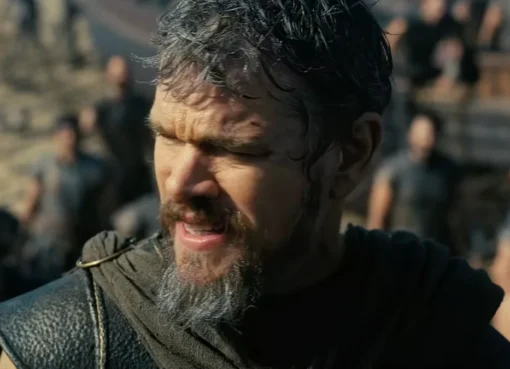
American Hostage is an adaptation of the popular scripted podcast of the same name. It centers on the real-life intersection of Tony Kiritsis (Giovanni Ribisi), a man pushed to the brink by financial ruin, and Fred Heckman (Jon Hamm), the "most trusted voice in Indianapolis news."
The series, which premiered at the Toronto International Film Festival on September 11, focuses on the 63-hour standoff that occurred in February 1977. At its core, the drama explores the symbiotic, yet toxic, relationship between a desperate criminal seeking a platform and a journalist seeking the ultimate scoop.
Key Production Details:
- Platform: MGM+
- Creators: Shawn Ryan and Eileen Myers
- Lead Cast: Jon Hamm, Giovanni Ribisi, Mireille Enos, William Jackson Harper, and Kristoffer Polaha.
- Format: Eight-episode limited series.
- Source Material: Based on the true story of Tony Kiritsis and the WBIC news team.
The series attempts to elevate the standard "true crime" formula by positioning Heckman as a man caught between his professional ethics and the intoxicating power of being the sole mediator in a life-or-death situation.

Chronology of the Crisis: 63 Hours in Indianapolis
To understand the weight of the series, one must look at the historical timeline of the events it depicts. On a frigid Monday morning in February 1977, the routine of downtown Indianapolis was shattered by an act of unprecedented theatricality and violence.
The Abduction
Tony Kiritsis, a 44-year-old developer who believed he had been cheated by the Meridian Mortgage Company, walked into the downtown offices of the firm. He had an appointment with Richard Hall, the company’s president. Within minutes, Kiritsis had wired a sawed-off shotgun to Hall’s neck using a complex "dead man’s switch" arrangement—if Kiritsis were shot or let go of the trigger, the gun would fire, instantly killing Hall.
The Media Demand
Kiritsis did not call the police first; he called the newsroom of WBIC. He demanded to speak with Fred Heckman. Kiritsis understood a fundamental truth of the modern era: a crime only has power if it is witnessed. By bringing Heckman into the fold, Kiritsis transformed a private grievance into a public spectacle.
The Standoff
For the next three days, Kiritsis held Hall hostage in his own apartment, surrounded by snipers and swat teams. Throughout the ordeal, Heckman acted as the primary conduit between the gunman and the outside world. He conducted live interviews with Kiritsis, allowing the captor to air his grievances against the "predatory" mortgage industry to a captivated audience of thousands.
The Resolution
The standoff ended with a televised speech in which Kiritsis demanded a formal apology and a promise of immunity. In a moment of high drama that the series painstakingly recreates, Kiritsis eventually released Hall and fired the shotgun into the air to prove it had been loaded the entire time. He was subsequently arrested and later found not guilty by reason of insanity, leading to a decade-long institutionalization.
Supporting Data: The Mechanics of a "Folk Hero"
One of the most compelling aspects of American Hostage is its exploration of why Tony Kiritsis became a "folk hero" to many Hoosiers. The series provides data-driven context for his rage. Kiritsis claimed that Meridian Mortgage had engaged in "equity skimming"—offering loans they knew clients could not repay to seize valuable land for a fraction of its worth.

The show suggests that Meridian had performed similar maneuvers on a staggering percentage of their clients. In the mid-to-late 1970s, as the American economy struggled with stagflation and the erosion of the post-war dream, Kiritsis’s violent outburst was viewed by some as a righteous, if misguided, crusade against corporate greed.
The Production’s Technical Fidelity
The series excels in its tactile recreation of the era. The production design emphasizes the "heavy" nature of 1970s technology:
- The Newsroom: The clatter of Teletype machines and the physical throwing of switches to go "live" underscore the gravity of broadcast decisions.
- The Persona: Jon Hamm’s performance is a calculated echo of his Mad Men persona. As Fred Heckman, he wears his suits like armor and possesses a voice designed for authority. However, unlike Don Draper, Heckman is forced to confront the reality that his "command" is being manipulated by a man with a shotgun.
Official Responses and Critical Analysis
Despite the high-caliber performances, early critical reception of American Hostage has been mixed, with many reviewers pointing toward a narrative that feels overextended.
The "Padding" Problem
Critics have noted that while the first two episodes efficiently set the stakes, the middle of the eight-episode run suffers from redundancy. The repetitive nature of the phone calls between Kiritsis and Heckman, while historically accurate, begins to sap the tension. To fill the runtime, the script introduces "mystery" elements—Tony hinting at "deep secrets" regarding Fred’s past—that ultimately lead nowhere, serving only to delay the inevitable conclusion.
Anachronisms and Creative Liberties
Some viewers have pointed out jarring creative choices, such as a dream sequence inspired by Stanley Kubrick’s The Shining. While visually striking, critics noted that the film would not be released for another three years following the events of the series, making the dreamer’s subconscious reference impossible. Such slips, while minor, detract from the "prestige drama" veneer the series strives to maintain.
The Grade: C+
The consensus among television critics is that American Hostage is a well-acted but structurally flawed drama. It earns its "C+" grade by being a "serviceable" thriller that occasionally rises to the level of a poignant media critique but often sinks into the tropes of standard police procedurals.

Implications: The Erosion of Editorial Independence
The most significant takeaway from American Hostage is not the crime itself, but what it signals about the future of journalism. The series serves as a cautionary tale about the moment the Fourth Estate stopped being a gatekeeper and started being a participant.
The "Newer" Thing
Returning to Heckman’s opening quote, the series posits that we have traded "trusted" journalism for a model driven by engagement and demand. In 1977, the idea of a news anchor negotiating with a criminal on live air was a shocking breach of protocol. Today, in an era of 24-hour news cycles and social media "clout," such a scenario is almost expected.
Modern Parallels
The series invites direct comparisons to contemporary issues:
- The Death of the Local Anchor: The "family-run" newsrooms of Heckman’s era have been replaced by corporate conglomerates that prioritize national narratives over local accountability.
- The Rise of the Antihero: Kiritsis’s ascension to "folk hero" status mirrors the modern phenomenon of "internet-famous" criminals or vigilantes who use digital platforms to justify their actions before they are even caught.
- Journalistic Capitulation: The series highlights the moment Heckman chooses "the crowd’s demand" over editorial independence. By giving Kiritsis a platform to avoid a violent ending, Heckman inadvertently validates the use of violence as a means to secure airtime.
Conclusion: A Sorkin-esque Warning
In its final act, American Hostage shifts from a hostage thriller to a "Sorkin-esque" rant about the forces preying on American journalism. It suggests that the "American Hostage" of the title isn’t just Richard Hall or Tony Kiritsis—it is the truth itself, held captive by the need for ratings, the fear of litigation (represented by the FCC fine subplots), and the blurring lines between reporting the news and creating it.
While the series may be "dull as dirt" in its pacing, its thematic ambition is undeniable. It asks a question that remains unanswered in our current digital age: When we trade the old, trusted ways for something "newer" and faster, do we actually know what we are giving up?
“American Hostage” premiered Friday, September 11 at the Toronto International Film Festival. MGM+ will release the first two episodes Sunday, September 20, with new episodes released weekly through the finale on November 1.