From Sand Hill Road to 14th Street: Khosla Ventures’ Strategic Pivot to New York City
For decades, the geographical heart of the venture capital world has been a two-mile stretch of road in Menlo Park, California, known as Sand Hill Road. It is the spiritual and financial home of the "unicorn" era, where the architects of the modern internet—from Netscape to Google—secured their earliest rounds of funding. However, the tectonic plates of the technology industry are shifting. In a move that signals a significant re-evaluation of the American tech landscape, Khosla Ventures, one of the most prestigious firms in Silicon Valley, has announced it is opening its first-ever office outside of its traditional California base.
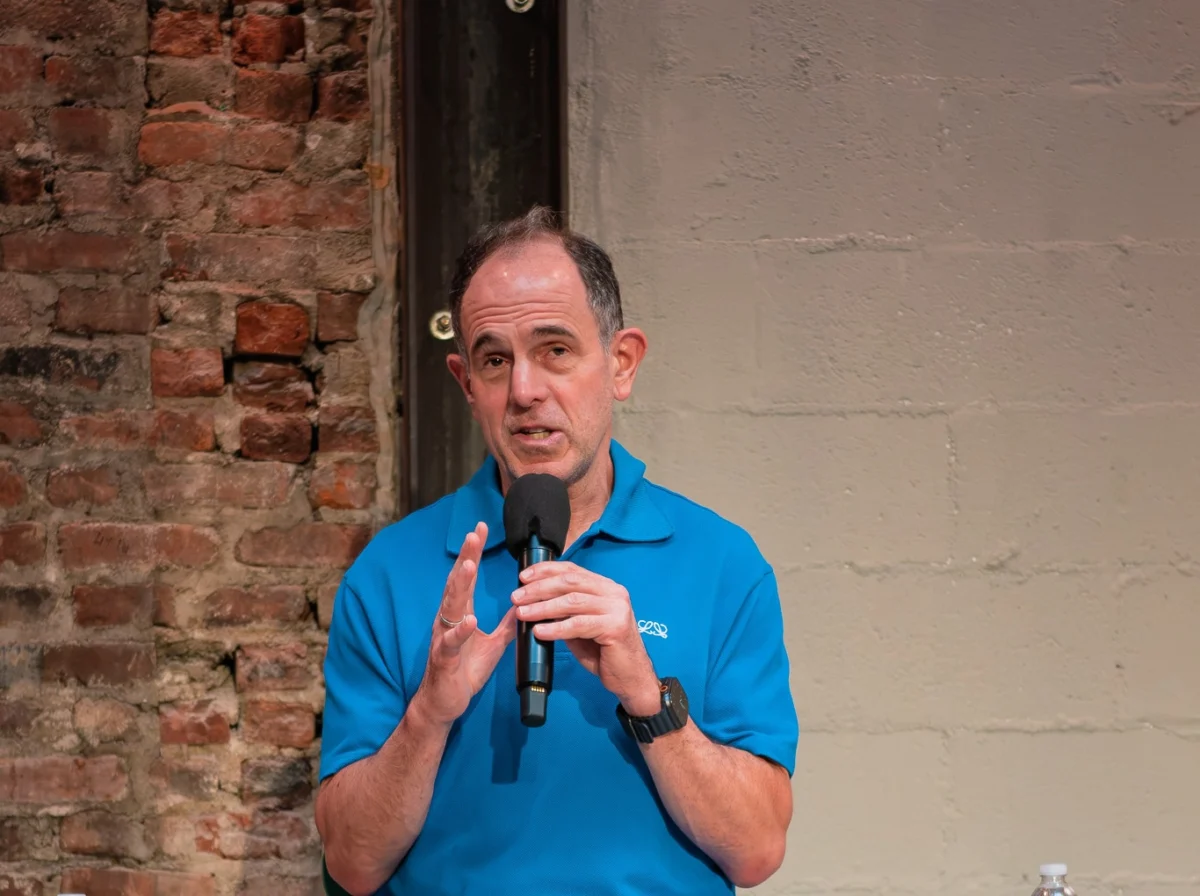
Speaking on a Thursday evening at TechCrunch’s StrictlyVC event in New York’s West Village, Keith Rabois, a General Partner at Khosla Ventures and a legendary figure in the "PayPal Mafia," confirmed that the firm is establishing a permanent foothold in Manhattan. The new office, located on 14th Street, is slated to open this fall, marking a historic departure for a firm that has historically eschewed even the short commute to San Francisco in favor of its Menlo Park roots.
Main Facts: A Historic Expansion Beyond the Bay
The announcement by Keith Rabois is more than just a real estate update; it is a symbolic gesture of confidence in New York City’s maturing tech ecosystem. Khosla Ventures, founded by Sun Microsystems co-founder Vinod Khosla in 2004, has managed over $15 billion in assets and has been a primary backer of industry-defining companies like DoorDash, Square, and OpenAI.
The new office on 14th Street will serve as a dual-purpose hub. While it will house a dedicated team of Khosla investors, including Rabois himself, its primary innovation lies in its "Executive Briefing Center." This facility is designed to bridge the gap between early-stage startups and the massive corporate infrastructure of the East Coast. By bringing portfolio companies into direct contact with Fortune 500 executives four days a week, Khosla intends to turn the New York office into a high-octane sales and partnership engine.
This move follows Rabois’ own relocation to the East Coast earlier this year. Rabois, who returned to Khosla Ventures in early 2024 after a five-year stint at Founders Fund, moved to the region to be closer to his family. His husband, Jacob Helberg—a prominent figure in tech policy and the Under Secretary of State for Economic Growth, Energy, and the Environment—and their children are based in Washington, D.C.
Chronology: The Road to Manhattan
The timeline of Khosla’s expansion reflects both personal transitions and broader market trends.
- January 2024: Keith Rabois announces his departure from Founders Fund and his return to Khosla Ventures. At the time, Rabois noted that the move was driven by a desire to focus on "early-stage, zero-to-one" investing, which aligns with Khosla’s high-conviction, science-heavy approach.
- Spring 2024: Rabois relocates to the East Coast. While he remains a frequent traveler to the West Coast, his presence in the D.C.-NYC corridor begins to spark rumors about Khosla’s geographical intentions.
- August 2024: A report from CBRE reveals a shocking statistic: for the first time in over a decade, New York City has overtaken the San Francisco Bay Area in total tech talent headcount.
- September 2024: During the StrictlyVC event, Rabois makes the official announcement. He admits that while the 14th Street office is currently under construction, the timeline remains "vague" due to the standard delays associated with New York City real estate development. "It’s actually allegedly being built out now," Rabois joked. "We’ll see. This fall opening date is very vague in my mind."
Supporting Data: The Rise of "Silicon Alley"
The data supporting Khosla’s move is compelling. For years, New York was seen as a "second-tier" tech hub, dominated by ad-tech and media-tech. However, the post-pandemic landscape has fundamentally altered that perception.
According to the 2024 CBRE "Scoring Tech Talent" report, the New York City metropolitan area now boasts approximately 365,000 tech workers, narrowly edging out the San Francisco Bay Area’s 352,000. This shift is largely attributed to two factors: the aggressive adoption of Artificial Intelligence (AI) by New York’s financial services sector and a series of "right-sizing" layoffs among traditional Big Tech firms in Silicon Valley.
Furthermore, the density of Fortune 500 headquarters in the Northeast remains an unparalleled advantage for B2B (business-to-business) startups. Of the Fortune 500 companies, nearly 50 are headquartered in New York State, with dozens more in neighboring New Jersey and Connecticut. For Khosla’s portfolio companies, which often focus on enterprise software and AI infrastructure, being within a 20-minute subway ride of a potential multi-million dollar contract is a game-changer.
Official Responses: Rabois on the Talent Gap
While Rabois is bullish on New York, his endorsement comes with significant caveats regarding the city’s talent pool. During his talk, he provided a nuanced breakdown of how he views the New York workforce compared to the Bay Area.
The Junior Talent Goldmine
Rabois was unequivocal in his praise for New York’s entry-level talent. He cited Ramp, the high-growth fintech company he has backed, as the gold standard for New York-based hiring.
"Individual contributor level, right out of school, absolutely," Rabois said. "We’ve been tapping into right-out-of-school graduates and been able to create a critical density of talent from the intern class [onward] that is extraordinary."
The Senior Executive Challenge
However, when the conversation turned to senior leadership, Rabois’ tone became more skeptical. He identified a "missing middle" in New York’s tech ecosystem. Senior technical talent—specifically architect-level engineers—remains concentrated in the Bay Area.
The biggest hurdle, according to Rabois, is not a lack of intelligence but a clash of geography and lifestyle. "If you have an in-office culture, most of the more senior people that live and reside in the New York area live outside the city," he explained.
He noted that while junior employees are willing to live in cramped Manhattan apartments to be close to work, senior executives with families typically live in "concentric circles" further away—Long Island, Westchester, or Connecticut. For a firm that believes in a five-day-a-week in-office culture, the 90-minute commute for a senior VP of Sales or a CFO becomes a "painful" barrier to recruitment.
The Ramp Solution: Bottom-Up Growth
To circumvent this, Rabois highlighted a strategy that many of his portfolio companies are adopting: the "bottom-up" model. Rather than hiring expensive, external senior executives, companies like Ramp are focusing on hiring elite junior talent and promoting them rapidly.
"We don’t hire senior people. We just build from the bottom up, ground up," Rabois said. "It’s been a very conscious strategy… if you need a CFO or someone with a lot of gravitas, it’s really hard to have them in the office five days a week unless they are very independently wealthy and can afford to raise a family in the middle of the city."
Implications: A New Era for Venture Capital
The entry of Khosla Ventures into the New York market has several long-term implications for the industry.
1. The End of Silicon Valley Hegemony
While firms like Sequoia Capital and Andreessen Horowitz (a16z) have established small satellite offices in New York, Khosla’s decision to build an "Executive Briefing Center" suggests a more integrated approach. It signals that the "center of gravity" is no longer exclusive to Northern California. As AI becomes the primary driver of venture returns, the proximity to the "customers" of AI (banks, insurance companies, and healthcare conglomerates) is becoming as important as proximity to the "creators" of AI.
2. The Return of the Office
Rabois’ insistence on an in-office culture reflects a growing trend among elite VC firms. After the remote-work experiment of 2020-2022, many top-tier investors are concluding that the "serendipity" of physical presence is essential for high-velocity startups. Khosla’s 14th Street office is a physical bet on this philosophy.
3. Real Estate and Urban Planning
The move highlights a growing tension in New York City’s economic development. If the city wants to truly compete with Silicon Valley for senior talent, it must address the "commuter dilemma" Rabois identified. The lack of affordable, family-sized housing within Manhattan and the inefficiencies of the regional rail system are now being cited as direct impediments to tech growth.
4. The Competitive Landscape
Khosla’s move will likely trigger a "space race" among other Menlo Park firms. If the Executive Briefing Center successfully accelerates pilots and contracts for Khosla’s portfolio, other firms will be forced to offer similar "value-add" services in New York to remain competitive for the best founders.
Conclusion
The expansion of Khosla Ventures to 14th Street is a landmark moment in the history of American venture capital. It represents the merging of Silicon Valley’s "move fast and break things" ethos with New York City’s institutional power and massive talent pool.
As Keith Rabois prepares to open the doors of the new outpost this fall, the tech world will be watching closely. If Khosla can successfully bridge the gap between the junior "individual contributors" of Manhattan and the senior "gravitas" of the Fortune 500, they may well prove that the future of technology isn’t just in the cloud—it’s on the streets of New York.
While some skeptics, like the attendees at StrictlyVC, may still "not buy" the idea that New York has overtaken San Francisco, the physical presence of a giant like Khosla Ventures suggests that the "smart money" is already placing its bets. The "vague" opening date may be a minor hurdle, but the strategic shift is crystal clear: the next chapter of tech innovation is being written in an express train heading toward 14th Street.