Beyond the Final Empire: The Evolution and Impact of the Fantasy Heist Subgenre
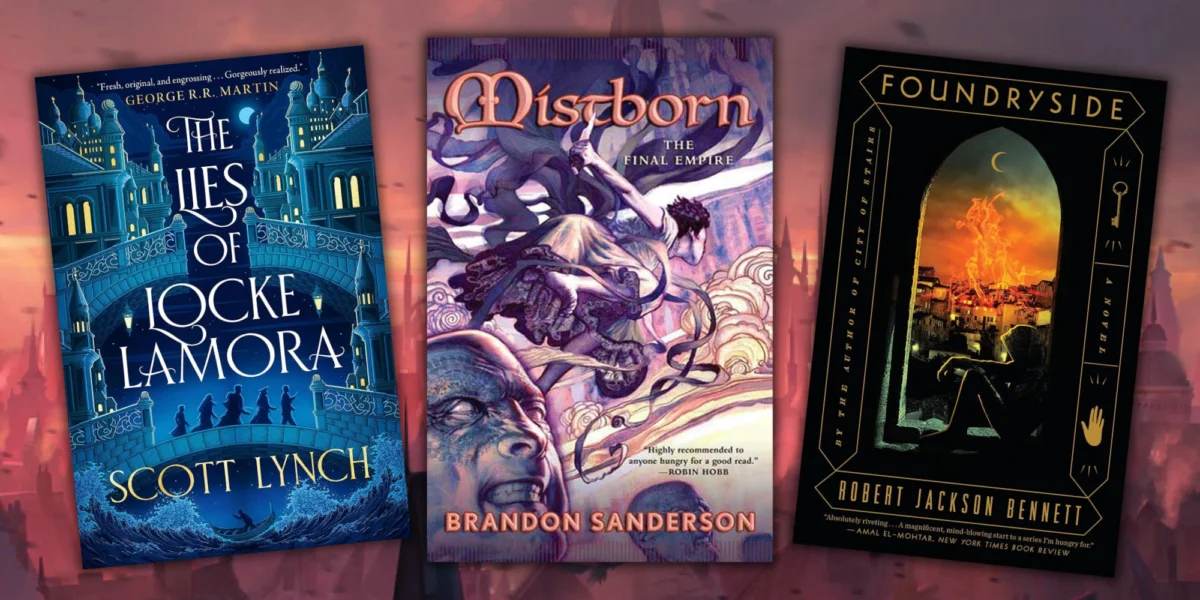
The publication of Brandon Sanderson’s Mistborn: The Final Empire in 2006 marked a pivotal shift in the landscape of epic fantasy. By marrying the high-stakes world-building of J.R.R. Tolkien with the intricate, tactical planning of Ocean’s Eleven, Sanderson popularized a subgenre often referred to as the "Fantasy Caper." This narrative framework—defined by a specialized crew, a seemingly impossible objective, and a meticulously crafted magic system—has since become a cornerstone of modern speculative fiction.
Today, the influence of Mistborn is visible across a diverse array of literature that prioritizes "competence porn," strategic depth, and the subversion of entrenched power structures. These stories do more than just entertain; they explore the mechanics of revolution through the lens of larceny.
Main Facts: The Anatomy of a Fantasy Caper
At its core, the fantasy heist novel relies on a specific set of structural pillars that distinguish it from traditional "hero’s journey" narratives. While a standard epic fantasy might focus on a chosen one fulfilling a prophecy, the heist novel focuses on a professional fulfilling a contract—or a personal vendetta.
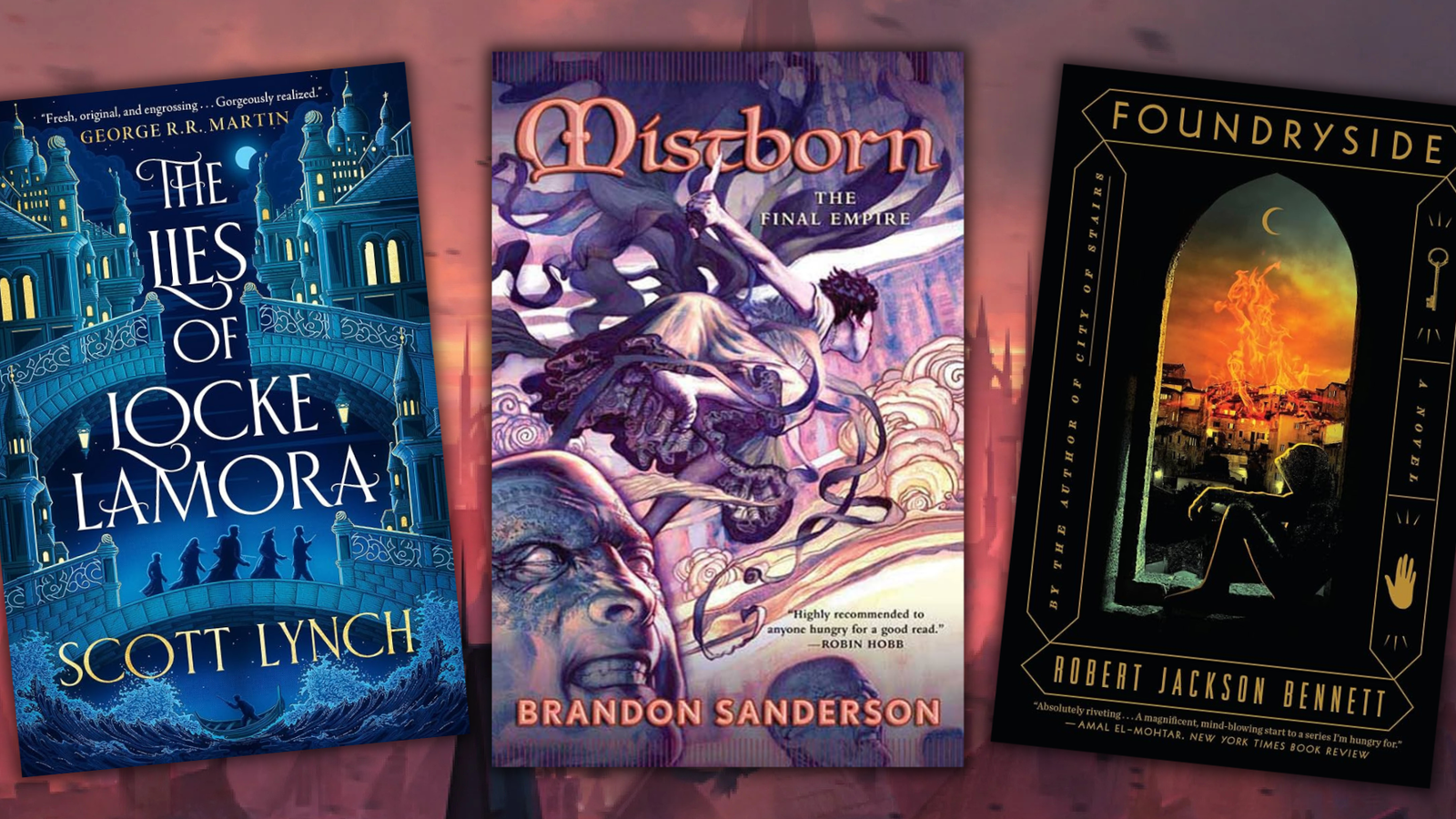
- The Specialized Crew: Borrowing from the "Five-Man Band" trope, these stories feature ensembles where each character possesses a unique, indispensable skill. Whether it is a "Tineye" in Mistborn or a "Grisha" in Six of Crows, the magic is often treated as a tool or a specialty rather than a vague, mystical force.
- The "Impossible" Fortress: The setting usually involves a location that is magically or physically impenetrable—the Lord Ruler’s Kredik Shaw, the Ice Court of Fjerda, or the Elderglass towers of Camorr.
- Hard Magic Systems: Following Sanderson’s Laws of Magic, these novels typically utilize "hard" magic systems with clearly defined rules and costs. This allows the reader to play along with the heist, understanding the limitations the characters must overcome.
- Social Commentary: Most fantasy heists are rooted in "street-level" perspectives. The protagonists are often the marginalized—orphans, criminals, or the working class—targeting the wealth of an exploitative aristocracy.
Chronology: From Bilbo Baggins to the Modern Masterminds
The roots of the fantasy heist can be traced back to the very foundations of the genre. J.R.R. Tolkien’s The Hobbit (1937) is, in essence, a heist story: a group of specialists (thirteen dwarves) hires a "burglar" (Bilbo) to recover a stolen treasure from a high-security vault (the Lonely Mountain) guarded by a biological security system (Smaug).
However, the subgenre remained largely dormant or secondary to the "Great War" trope for decades. The mid-2000s saw a sudden explosion of "criminal fantasy." In 2006, both Brandon Sanderson’s Mistborn and Scott Lynch’s The Lies of Locke Lamora were released, providing two different blueprints for the genre. While Sanderson focused on the intersection of magic and revolution, Lynch emphasized the "long con" and the psychological acrobatics of the professional thief.
In the 2010s, Leigh Bardugo’s Six of Crows (2015) brought the heist format to the Young Adult market, proving that the structural complexity of a caper could enhance character-driven drama. This paved the way for more experimental works like Robert Jackson Bennett’s Foundryside (2018), which introduced "industrialized" magic, and M.A. Carrick’s The Mask of Mirrors (2021), which shifted the focus to social engineering and identity theft.
Supporting Data: Seven Essential Recommendations for Mistborn Fans
For readers seeking to replicate the specific thrill of Kelsier’s crew and Vin’s tactical evolution, the following works represent the gold standard of the subgenre.
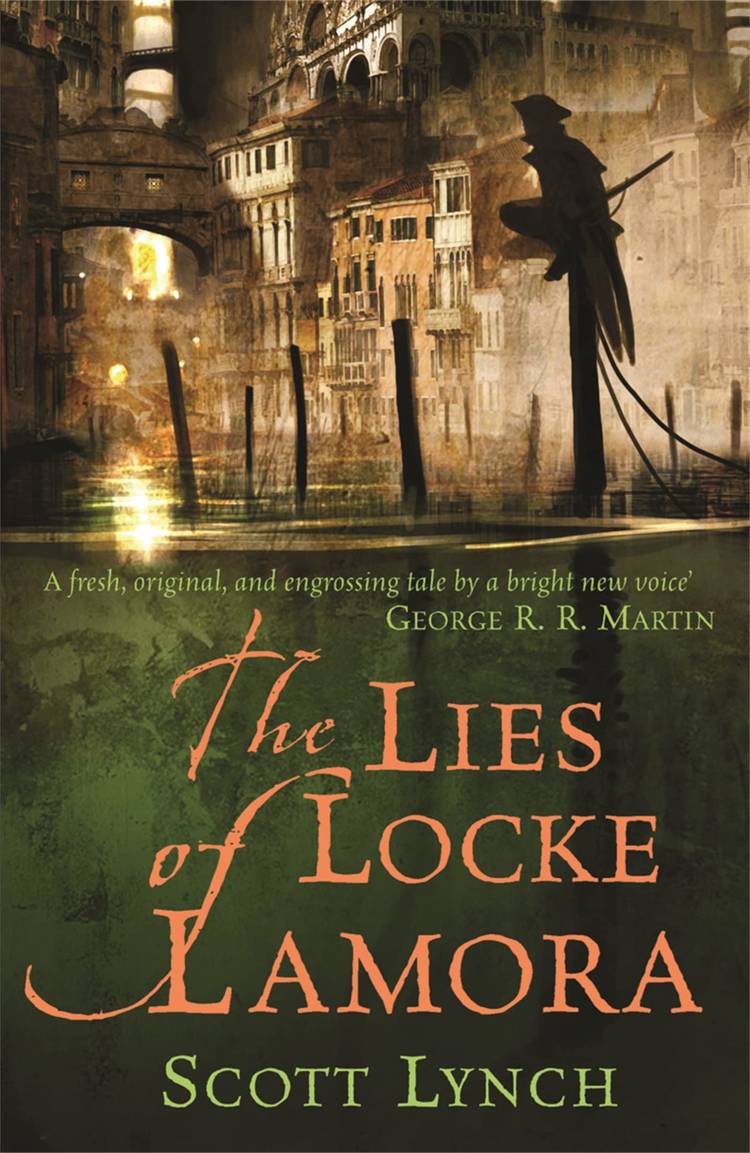
1. The Lies of Locke Lamora by Scott Lynch
If Mistborn is about the cost of revolution, The Lies of Locke Lamora is about the art of the steal. Set in the Venice-inspired city of Camorr, the novel follows the Gentleman Bastards, a crew that ignores the "Secret Peace" between the underworld and the nobility. Lynch’s world-building—specifically the "Elderglass" remnants of an extinct alien race—provides a haunting backdrop for a story that is as much about brotherhood as it is about grand-scale deception.
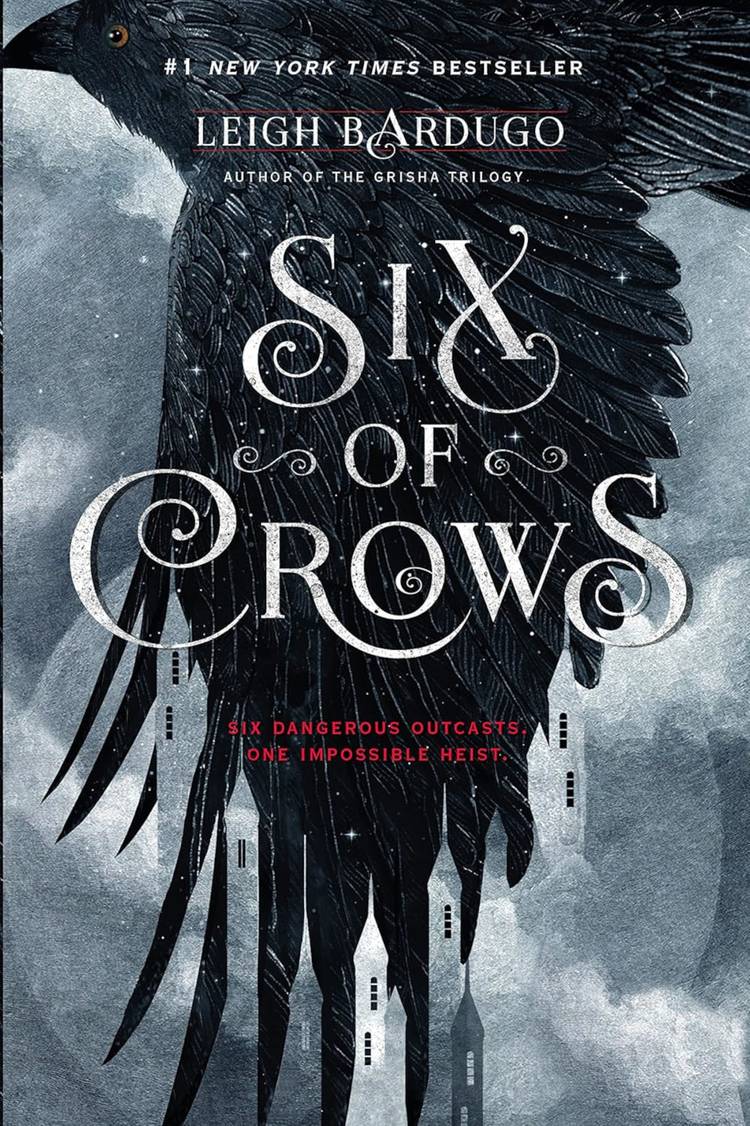
2. Six of Crows by Leigh Bardugo
Often cited as the spiritual successor to Mistborn’s ensemble dynamic, Six of Crows follows Kaz Brekker, a criminal prodigy in the city of Ketterdam. The mission—a break-in at the world’s most secure military stronghold—is a masterclass in pacing. Bardugo utilizes a "layered" narrative where the characters’ tragic backstories are revealed in tandem with the heist’s progression, raising the emotional stakes of every tactical maneuver.
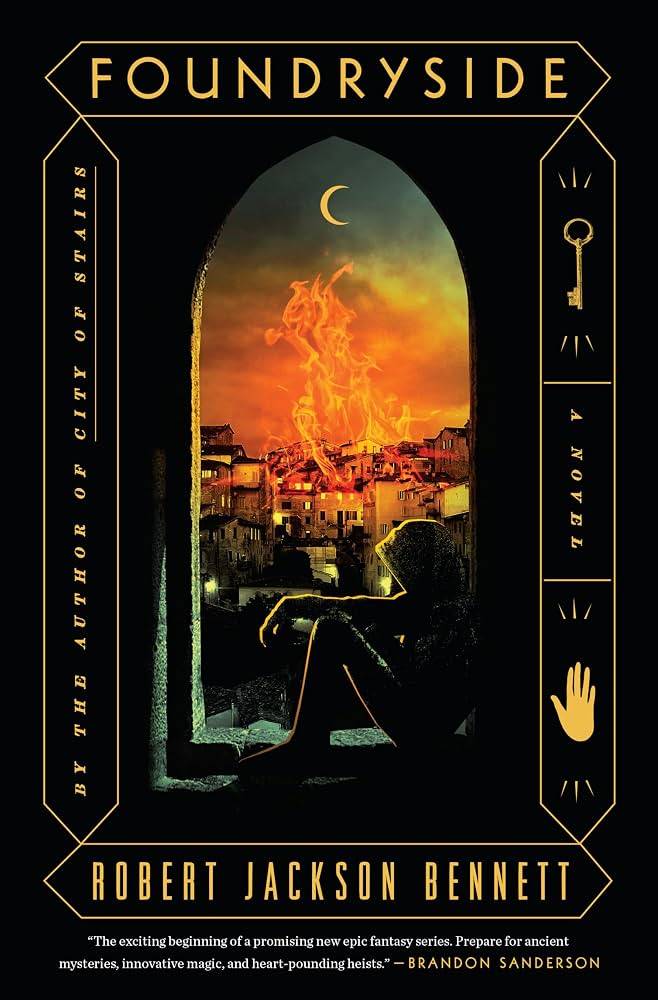
3. Foundryside by Robert Jackson Bennett
Long-time Sanderson fans often gravitate toward Bennett’s The Founders Trilogy due to its rigorous magic system. In the city of Tevanne, magic is "scriving"—a form of coding reality to convince inanimate objects to behave in ways that defy physics. Sancia Grado, a thief who can "feel" these scrivenings, stumbles upon an artifact that could rewrite the world’s economy. The novel’s exploration of corporate greed and magical industrialization mirrors the political depth of the Mistborn sequels.
4. The Mask of Mirrors by M.A. Carrick
For those who enjoyed the "noble masquerade" elements of the first Mistborn book, The Mask of Mirrors is essential. It focuses on Ren, a con artist who attempts to trick her way into a noble house by claiming to be a lost relative. The "heist" here is one of social standing and influence, set against a backdrop of complex numen-magic and ethnic tensions in the city of Nadežra.
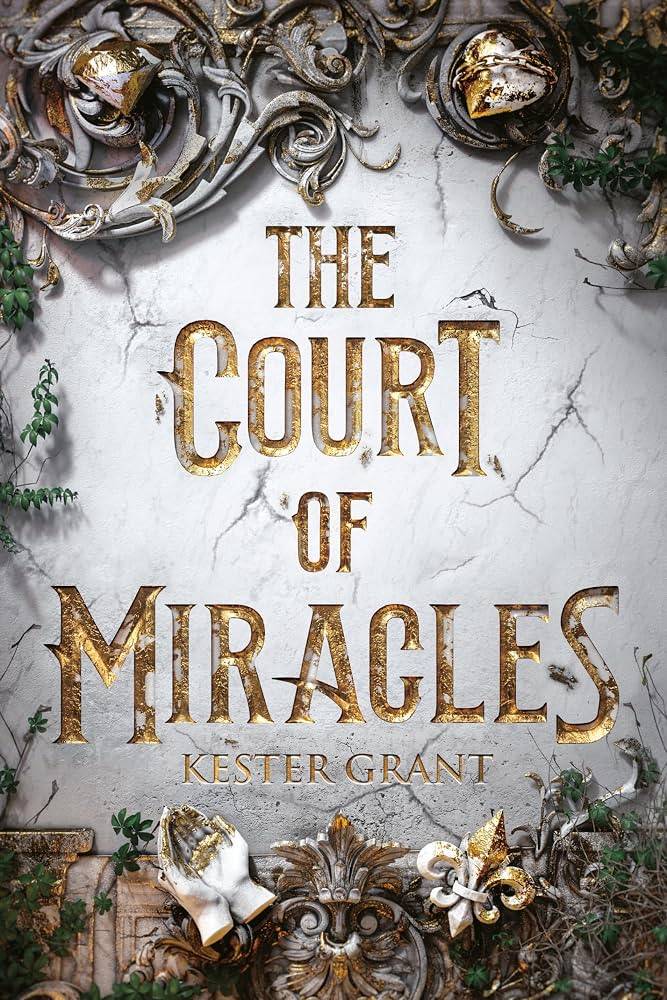
5. The Court of Miracles by Kester Grant
This novel reimagines the French Revolution as a failure, leading to a Paris ruled by the "Court of Miracles"—a shadow government of criminal guilds. It follows Nina, a member of the Guild of Thieves, navigating a world where the law of the street is the only law that matters. Its focus on the plight of the "skells" (the lower class) echoes Sanderson’s treatment of the Skaa.
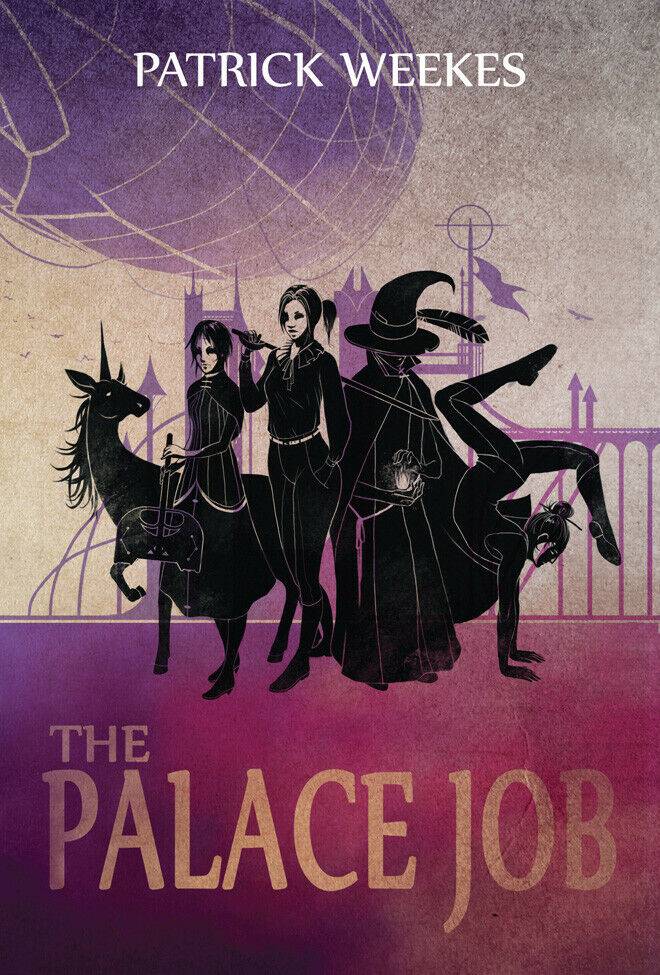
6. The Palace Job by Patrick Weekes
Written by one of the lead writers of the Dragon Age video game series, The Palace Job is a high-octane, humorous take on the genre. It features a diverse crew—including a death priestess and a talking warhammer—attempting to steal a priceless artifact. It captures the "found family" aspect of Mistborn while leaning into the more fantastical and absurd elements of the genre.
7. Fool’s Gold by Jon Hollins
Hollins takes the classic "dragon’s hoard" trope and applies a modern heist structure to it. It is a story of desperate people making terrible decisions for the right reasons. While more comedic than Sanderson’s work, it maintains a strict adherence to the consequences of violence and the complexity of planning a job against a near-omnipotent foe.
Official Responses: Critical Reception and Authorial Intent
The literary community has largely embraced the "heistification" of fantasy as a necessary evolution. Critics from The New York Times and The Guardian have noted that the heist structure provides a "cleaner" narrative engine than the sprawling, often unfocused "quest" narratives of the 1980s.
Leigh Bardugo has commented on this transition, stating that the heist format allowed her to move away from the "chosen one" tropes of her earlier Grisha trilogy and explore more complex themes of trauma and systemic oppression. Similarly, Scott Lynch has discussed the "Gentleman Bastard" series as a way to explore the "middle ground" of fantasy—neither the high kings nor the farmers, but the professionals who operate in the cracks of society.
From a technical perspective, Brandon Sanderson himself has noted in his BYU lectures that the heist is a "structure of promises." By showing the reader the plan early on, the author creates a set of expectations that can then be subverted through "complications" and "twists," leading to a more satisfying payoff.
Implications: The Future of the Fantasy Heist
The enduring popularity of Mistborn and its successors suggests that the fantasy heist is more than a trend; it is a permanent fixture of the genre. As the "Golden Age of Television" continues to seek out adaptable IP, the heist structure offers a perfect template for episodic storytelling. Netflix’s Shadow and Bone series (which incorporated the Six of Crows cast) and the long-gestating Mistborn film adaptation are evidence of this.
Furthermore, the subgenre is expanding into new thematic territories. We are seeing an increase in "Silkpunk" heists, "Afrofuturist" capers, and stories that use the heist to explore environmental collapse and digital surveillance.
Ultimately, the fantasy heist resonates because it reflects a fundamental human truth: when the systems of the world are rigged against the common person, the most heroic thing one can do is find a way to break the vault. Whether it is through Allomancy, scriving, or a well-placed lie, these stories remind us that with the right crew and a clever plan, even an immortal empire can be toppled.