Resurrection in Purgatory: Superbright Breaks Silence on In Death: Unchained and Announces New Seasonal Cycle
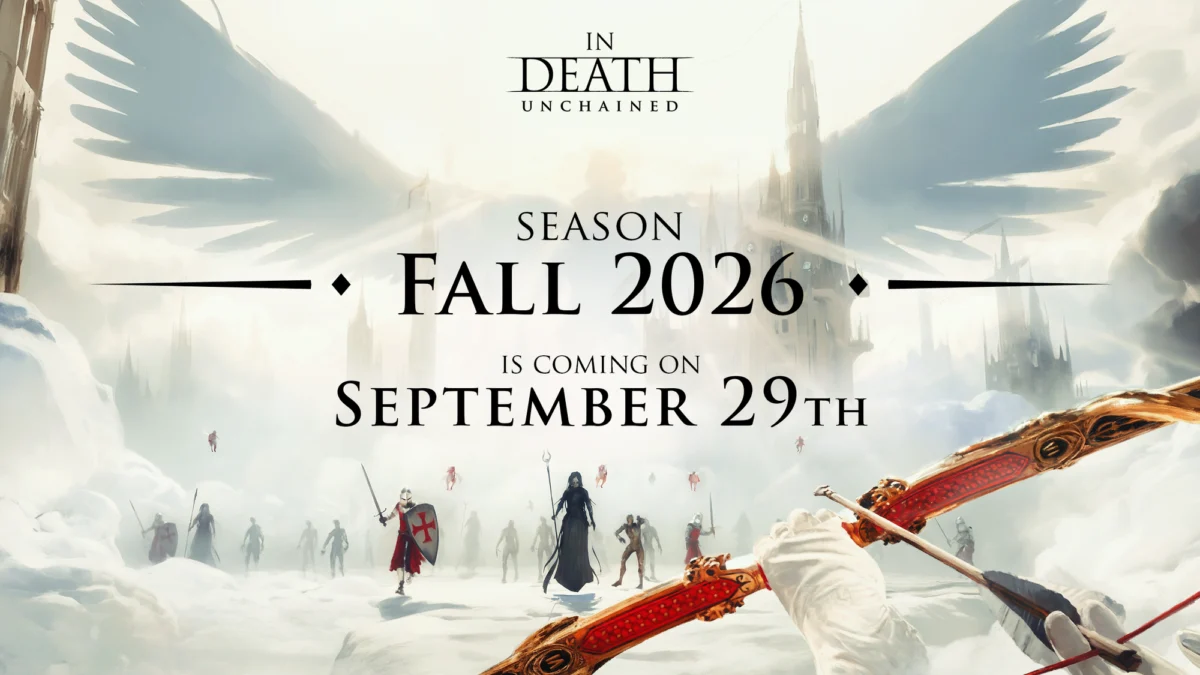
The landscape of virtual reality (VR) gaming is often characterized by rapid innovation followed by periods of stark silence. For the dedicated community of In Death: Unchained, one of the Meta Quest’s most enduring and atmospheric roguelike shooters, that silence has been particularly heavy. However, following a prolonged period of stasis, developer Superbright has officially announced the conclusion of its current, long-running season. On September 29, the title will transition into "Fall Season 2026," marking not just a refresh of the leaderboards, but a significant pivot in the studio’s operational strategy and a transparent look into the hardships of modern game development.
The announcement, delivered via a heartfelt update from Superbright CEO Wojtek, serves as both a roadmap for the future and a sobering reflection on the external pressures—ranging from geopolitical conflict to industry-wide economic shifts—that have hindered the studio over the last two years.
Main Facts: A New Chapter for the Quest’s Premier Roguelike
The primary news item for players is the hard deadline for the current season. On September 29, the existing leaderboards will be finalized and reset. Simultaneously, Superbright will launch the "Fall Season 2026." While the naming convention suggests a forward-looking perspective on the game’s lifecycle, the more critical takeaway is the commitment to a consistent update cadence.
Superbright has pledged that from this point forward, season changes will occur approximately every six months. This is a major departure from the irregular intervals that have characterized the game’s recent history. To facilitate this transition and acknowledge the patience of the player base, the developer is implementing a "Legend Point" bonus. This bonus is designed to be substantial enough that even new players or those who have been inactive can unlock seasonal rewards before the September 29 cutoff.
Crucially, the update applies exclusively to In Death: Unchained, the version of the game optimized for and available on the Meta Quest platform. It does not affect the original In Death on SteamVR, which was developed by Sólfar Studios and has remained without significant updates for several years. Superbright’s stewardship of the Quest version has long been the primary driver of the franchise’s continued relevance in the VR space.
Chronology: From Launch Success to Global Turmoil
To understand the weight of this announcement, one must look at the timeline of In Death: Unchained and the studio behind it.
- July 2020: In Death: Unchained launches on the original Oculus Quest. It is immediately hailed as a technical marvel, bringing the high-fidelity bow-and-arrow combat of the PC version to mobile VR hardware with minimal compromises.
- 2020–2022: Superbright maintains a rigorous update schedule, introducing "The Abyss" DLC, new enemy types, and a seasonal "Legend Point" system that rewards consistent play. The game becomes a staple of the Quest library, frequently appearing in "must-play" lists.
- Late 2022 – Early 2024: The frequency of updates begins to slow. While the game remains functional and the community active, the "current season" stretches far beyond its intended duration. Communication from the studio becomes sporadic as the team pivots to internal projects and navigates external crises.
- September 2024: CEO Wojtek breaks the silence on the game’s official Discord, detailing the personal and professional hurdles the team faced, including the impact of the war in Ukraine and industry-wide layoffs.
- September 29, 2024: The scheduled end of the current season and the commencement of the new seasonal cycle.
Supporting Data: The Legend Point System and Player Retention
In Death: Unchained utilizes a meta-progression system known as "Legend Points." Unlike the core gameplay—where death results in the loss of current run progress—Legend Points are a persistent currency earned through overall performance across multiple attempts. These points determine a player’s rank on the global leaderboards and unlock cosmetic or functional rewards.
The decision to grant a "large enough" bonus to allow players starting from zero to unlock rewards is a calculated move to reinvigorate the player base. In the competitive VR market, player retention is often tied to "daily active user" (DAU) metrics. By providing a low-friction entry point for rewards in the final weeks of the season, Superbright is effectively "stress-testing" its community engagement before the new season begins.
Furthermore, the commitment to a six-month cycle is a data-driven response to the "live service" expectations of modern gamers. In a genre like the roguelike, where the core loop is repetitive by design, seasonal resets are essential to prevent "leaderboard stagnation," where the top spots are occupied by players with unreachable scores, discouraging new talent from participating.
Official Responses: A Transparent Look at Studio Struggles
The most poignant aspect of this announcement is the candidness of Superbright’s leadership. In a message to the community, CEO Wojtek did not shy away from the difficulties of the past twenty-four months.
"The last two years have not been easy," Wojtek stated. "We were working on something new alongside our work on In Death: Unchained, and we had some difficulties of our own to deal with. The war in Ukraine affecting our guys and what’s been happening across the games industry added to that too."
This statement highlights a dual-threat faced by many European development houses. First is the geopolitical reality: the Russian invasion of Ukraine has disrupted supply chains, displaced developers, and created a climate of profound uncertainty for studios located in neighboring Poland and throughout Eastern Europe. For Superbright, this was not just a headline, but a factor affecting their actual staff.
Second is the economic reality of the gaming industry. The period between 2023 and 2024 has been marked by record-breaking layoffs across both AAA and indie sectors. Wojtek confirmed that Superbright is now a "smaller team" forced to "juggle multiple responsibilities." This admission provides a rare glimpse into the "survivor’s guilt" and operational strain felt by indie studios that have managed to stay afloat while their peers shuttered.
Wojtek also emphasized the emotional impact of the community’s support: "Hearing that this is people’s favorite game, that you’re still playing, people asking us for a way to pay for the game again just to support us… wow, that meant a lot to us on a personal level."
Implications: The Future of Superbright and the VR Ecosystem
The resurgence of In Death: Unchained carries several implications for the VR industry and the players who inhabit it.
1. The Resilience of "Legacy" VR Titles
In an industry obsessed with the "next big thing"—such as the transition from Quest 2 to Quest 3—In Death: Unchained proves that high-quality gameplay loops can sustain a title for nearly half a decade. By returning to a regular seasonal schedule, Superbright is signaling that they view the game as a long-term platform rather than a finished product. This sets a precedent for other VR developers to invest in the longevity of their existing hits rather than constantly chasing new hardware gimmicks.
2. The Shift to Leaner Development
Superbright’s admission that they are a "smaller team" reflecting a broader trend in game development. The "growth at all costs" era of 2020–2021 has been replaced by a "sustainability first" mindset. For In Death: Unchained, this might mean fewer massive content drops but more consistent, incremental improvements. This "lean" approach is often more healthy for the developers and more predictable for the players.
3. Geopolitics as a Development Variable
The mention of the war in Ukraine serves as a reminder that game development does not happen in a vacuum. As the industry continues to globalize, regional conflicts and economic shifts in Eastern Europe, Southeast Asia, and South America will increasingly dictate the release schedules and viability of global gaming projects.
4. Community as a Lifeline
The fact that player emails and messages "helped keep [the studio] going" underscores the changing relationship between developers and their audience. In the indie space, the community is no longer just a source of revenue; it is a source of morale. The transparency shown by Wojtek is likely to strengthen this bond, fostering a sense of shared triumph when the new season finally launches.
Conclusion
As September 29 approaches, the In Death: Unchained community stands at a crossroads. The transition to Fall Season 2026 is more than a technical reset; it is a declaration of survival by Superbright. In a world where many VR titles are abandoned shortly after launch, the commitment to a six-month seasonal cycle is a bold promise of stability. For the archers traversing the procedurally generated halls of Purgatory, the message is clear: the hunt is far from over, and the developers are finally back at the range, arrows notched and ready.