
Emmy Winner Craig Mazin to Helm HBO’s Ambitious Dungeons & Dragons Series Set Post-Baldur’s Gate 3
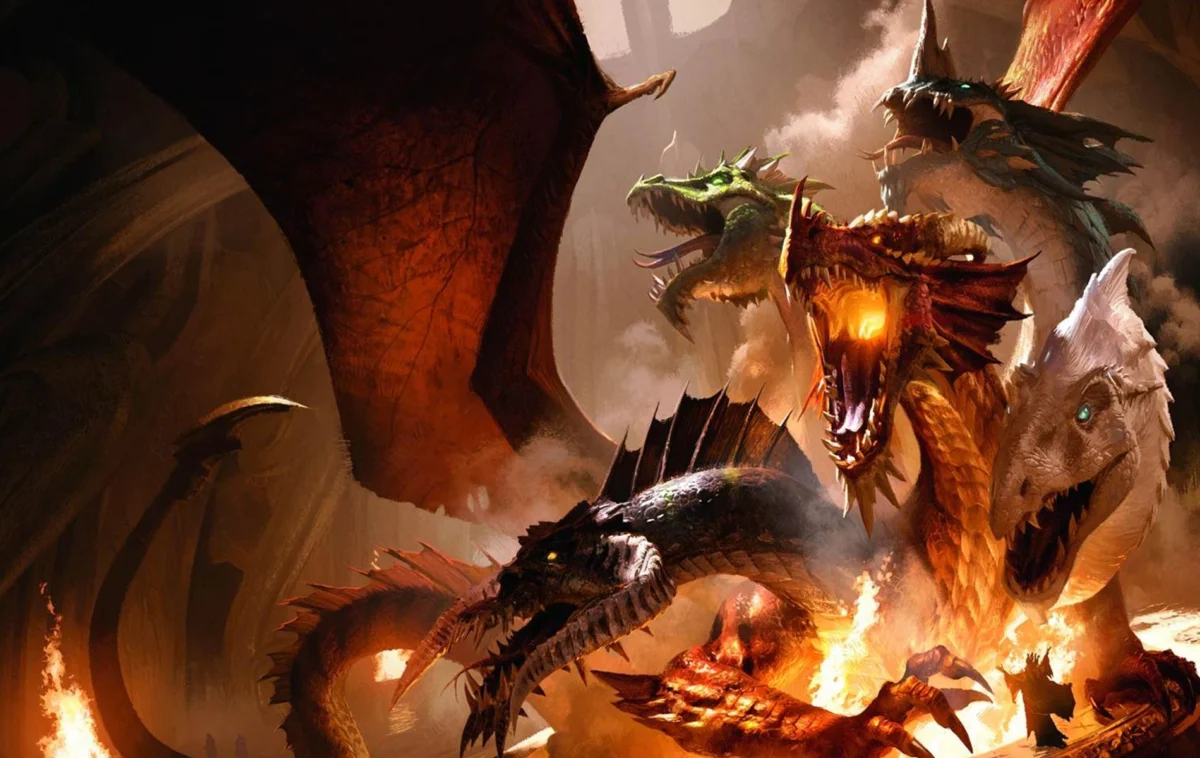
Los Angeles, CA – In a development poised to send ripples of excitement through the vast oceans of Dungeons & Dragons fandom and the broader fantasy entertainment landscape, Emmy-winning showrunner Craig Mazin, acclaimed for his masterful work on HBO’s critically lauded series The Last of Us and Chernobyl, is spearheading the creation of a new television series based on the iconic tabletop role-playing game. This highly anticipated project, destined for HBO, is set to adapt and expand upon the rich narrative tapestry of the beloved Baldur’s Gate video game universe, uniquely picking up its story immediately after the climactic events of the universally acclaimed Baldur’s Gate 3.
This announcement marks a significant pivot in the strategy for D&D adaptations, distinguishing itself from previous attempts by leveraging the immense success of Baldur’s Gate 3 while granting its showrunner substantial creative latitude. Unlike the rigorously faithful adaptation of The Last of Us, which meticulously translated its video game source material to the screen, this D&D series offers Mazin the freedom to forge original storylines within the established lore. Set within the legendary Forgotten Realms, the show will delve into the narrative and character foundations laid by Baldur’s Gate 3, weaving together familiar events with fresh, unexplored arcs designed to deepen the world’s intricate political machinations, expand character backstories, and introduce new mysteries.
The collaboration brings together formidable forces: Mazin’s proven storytelling prowess, HBO’s reputation for premium, high-budget productions, and the enduring legacy of the Dungeons & Dragons brand, owned by Hasbro Entertainment through its subsidiary Wizards of the Coast. For millions of fans worldwide, this series represents not just another adaptation, but a potential landmark event that could redefine fantasy storytelling on television.
Main Facts: A New Chapter for Faerûn on HBO
The core announcement centres on Craig Mazin’s leadership in developing a Dungeons & Dragons television series for HBO. Mazin, a name synonymous with prestige television thanks to the overwhelming success of Chernobyl and The Last of Us, brings a formidable pedigree to the project. His ability to craft compelling, character-driven narratives from existing material, whether historical events or beloved video games, makes him a highly sought-after talent in Hollywood.
Crucially, this particular D&D series is not a direct adaptation of a pre-existing D&D module or a generic fantasy story set in the universe. Instead, it is specifically designed to be a continuation of the Baldur’s Gate saga, a lineage of role-playing video games renowned for their deep narratives and complex characters. The decision to set the series after the events of Baldur’s Gate 3 is a strategic one. It allows the show to capitalise on the enormous goodwill and widespread familiarity generated by Larian Studios’ monumental game, which swept "Game of the Year" awards in 2023, while simultaneously offering a fresh canvas for storytelling. This approach frees Mazin and his team from the constraints of strict adherence to a specific plotline, affording them the creative freedom to explore the aftermath of Baldur’s Gate 3‘s various endings and expand upon its lore without alienating its dedicated fanbase.
The series will immerse viewers in the iconic Forgotten Realms, one of Dungeons & Dragons‘ most popular campaign settings, known for its sprawling geography, diverse cultures, and rich history of magic, gods, and monsters. The narrative threads and character dynamics established in Baldur’s Gate 3 will serve as the bedrock for the new show, promising a blend of familiar faces and locations with entirely original plots and challenges. This partnership with Hasbro Entertainment underscores a concerted effort to expand the Dungeons & Dragons brand across various media, ensuring a consistent and high-quality representation of its intellectual property. Mazin himself has expressed a profound personal connection to Dungeons & Dragons, having been a longtime player of the tabletop game and an ardent admirer of Baldur’s Gate 3, which he reportedly completed on its most challenging difficulty. This personal passion is seen by many as a vital ingredient for an authentic and respectful adaptation.
The Road to Faerûn: A Brief Chronology of D&D Adaptations
The journey of Dungeons & Dragons from tabletop to screen has been a long and often tumultuous one, punctuated by both critical misfires and recent triumphs. Understanding this history provides essential context for the significance of Mazin’s new HBO project.
Early Forays and Mixed Fortunes
The first major cinematic attempt to bring Dungeons & Dragons to life was the 2000 film, simply titled Dungeons & Dragons. Despite featuring a notable cast including Jeremy Irons, the film was largely panned by critics and audiences alike for its convoluted plot, uneven tone, and failure to capture the essence of the beloved RPG. It was followed by two direct-to-video sequels, which similarly struggled to resonate. These early adaptations left many fans wary of future screen versions, reinforcing a perception that the intricate, player-driven nature of D&D was perhaps unsuited for passive viewing.
More recently, however, the tide began to turn with Dungeons & Dragons: Honor Among Thieves. Released in 2023, the film starring Chris Pine and Michelle Rodriguez was a critical and commercial success. It managed to blend genuine humor, thrilling action, and a deep understanding of D&D’s spirit, demonstrating that a faithful yet entertaining adaptation was indeed possible. While Honor Among Thieves was a standalone adventure, its success undoubtedly helped pave the way for more ambitious, serialized storytelling within the D&D universe, particularly on a premium platform like HBO.
The Triumphant Rise of Baldur’s Gate 3
The immediate precursor and perhaps the most significant catalyst for this HBO series is the phenomenon of Baldur’s Gate 3. Developed by Belgian studio Larian Studios, the game launched in August 2023 after several years in early access, taking the gaming world by storm. It quickly garnered universal critical acclaim, praised for its unparalleled narrative depth, intricate character development, strategic turn-based combat, and an astonishing degree of player choice and consequence.
Baldur’s Gate 3 achieved what many thought impossible: a truly expansive, reactive RPG experience that captured the freedom and emergent storytelling of a tabletop D&D campaign within a video game format. Its success was not merely critical; it was a commercial powerhouse, selling millions of copies and dominating conversations across gaming and mainstream media. The game swept nearly every major "Game of the Year" award, including at The Game Awards, the Golden Joystick Awards, and the BAFTA Games Awards. Its rich narrative, featuring a diverse cast of memorable companions, morally ambiguous choices, and a deeply engaging plot set against the backdrop of an impending mind flayer invasion, proved ideal source material for future adaptations. The sheer volume of player-generated stories and the emotional investment players developed with its characters highlighted the narrative’s potent appeal, making a television continuation a natural next step.
From Tabletop to Screen: Mazin’s Journey
Craig Mazin’s career trajectory makes him an almost uniquely qualified individual to tackle a project of this magnitude. His work on Chernobyl showcased his ability to craft meticulously researched, high-stakes drama from historical events, delving into complex human psychology under extreme pressure. With The Last of Us, he proved his skill in translating a beloved video game narrative to television, maintaining the essence of the source material while also finding opportunities for subtle expansion and deeper character exploration. The series was a critical darling, earning numerous awards and solidifying Mazin’s reputation as a master adapter.
What sets Mazin apart for this D&D series, however, is his deeply personal connection to the source material. Unlike The Last of Us, where he was adapting a game he respected but hadn’t necessarily grown up with in the same intimate way, Dungeons & Dragons has been a part of Mazin’s life for decades. He has publicly spoken about his long history as a tabletop player, his understanding of the game’s mechanics, and his appreciation for its unique storytelling potential. His completion of Baldur’s Gate 3 on its most challenging setting further demonstrates not just a passing interest, but a profound immersion in the very universe he is now tasked with bringing to the screen. This blend of professional acumen and genuine fandom is often seen as the ideal combination for successful adaptations, ensuring both high production values and a respectful understanding of the original work.
Supporting Data: The Power of the D&D Brand and the Fantasy Boom
The timing of this announcement is no coincidence, riding a wave of renewed interest in Dungeons & Dragons and a veritable golden age for fantasy storytelling on television.
D&D’s Enduring Legacy and Renaissance
Dungeons & Dragons, first published in 1974 by Gary Gygax and Dave Arneson, is not merely a game; it’s a cultural phenomenon that pioneered the role-playing game genre. For decades, it existed primarily as a niche hobby, albeit one with a fiercely loyal following. However, in recent years, D&D has experienced an unprecedented renaissance, transcending its traditional audience to achieve mainstream prominence.
This resurgence can be attributed to several factors. Popular culture touchstones like Netflix’s Stranger Things, which prominently features its young protagonists playing D&D, introduced a new generation to the game. The rise of actual-play streams and podcasts, most notably Critical Role, demonstrated the compelling narrative potential and entertainment value of watching skilled Dungeon Masters and players weave stories live. These platforms showcased D&D as a collaborative storytelling art form, rather than just a complex rule system. Hasbro, through Wizards of the Coast, has capitalized on this momentum with new editions of the game, strategic partnerships, and a concerted effort to broaden D&D’s appeal. The brand’s financial success for Hasbro is undeniable, making high-quality adaptations a crucial component of its ongoing expansion strategy. This sustained growth of the D&D brand provides a robust foundation for a premium television series, guaranteeing a pre-existing, engaged audience.
The Golden Age of Fantasy Television
The landscape of television has been dramatically reshaped by the success of epic fantasy series. HBO itself largely spearheaded this trend with Game of Thrones, which proved that sprawling, complex fantasy narratives could captivate a global audience on an unprecedented scale. Its prequel, House of the Dragon, continued this legacy of high-quality, high-budget fantasy drama. Other streaming platforms have followed suit, with series like Netflix’s The Witcher and Amazon Prime Video’s The Lord of the Rings: The Rings of Power demonstrating a voracious appetite among viewers for immersive world-building, intricate lore, and compelling character journeys set in fantastical realms.
This environment is exceptionally fertile for a Dungeons & Dragons series. Audiences are now accustomed to sophisticated visual effects, intricate costumes, and narratives that unfold over multiple seasons. HBO, in particular, has established itself as a leader in this genre, known for its uncompromising commitment to quality, its willingness to invest substantial budgets, and its ability to attract top-tier creative talent. A D&D series on HBO is therefore not just another fantasy show; it’s an opportunity to join the ranks of the genre’s elite, promising a level of production value and narrative ambition that aligns with audience expectations for premium fantasy content.
The Larian Studios Masterpiece: Baldur’s Gate 3’s Influence
The direct influence of Baldur’s Gate 3 on this television project cannot be overstated. Its triumph demonstrated the immense narrative potential lying dormant within the D&D universe, specifically when given the space to flourish with exceptional writing and creative vision. The game’s sales figures, which reportedly exceeded 10 million copies across platforms within months of release, highlight its massive reach. Player engagement was equally impressive, with statistics showing hundreds of millions of hours played and countless unique narrative paths explored.
What made Baldur’s Gate 3 a masterpiece and ideal for television was its depth: a cast of richly written companions with complex backstories and personal quests, a central conflict with cosmic stakes, morally ambiguous factions, and a world that felt alive and reactive to player choices. From the endearing rogue Astarion to the conflicted cleric Shadowheart, the characters resonated deeply with players, fostering strong emotional connections. The intricate political intrigue of the city of Baldur’s Gate, the existential threat of the mind flayers, and the various powerful entities vying for control provided a narrative playground ripe for cinematic adaptation. The game proved that the Baldur’s Gate corner of the Forgotten Realms could deliver stories with the dramatic weight, emotional resonance, and epic scope required for a successful premium television series, validating the decision to build upon its foundation.
Official Responses and Creative Vision
The announcement has been met with significant enthusiasm, not least from the key figures involved, whose statements shed light on the creative philosophy underpinning this ambitious venture.
Craig Mazin’s Enthusiasm and Philosophy
Craig Mazin has been remarkably transparent about his deep-seated passion for Dungeons & Dragons, characterizing this opportunity as a "dream come true." In statements to various media outlets, he has emphasized his desire to create something that both honors the original source material and functions effectively as a standalone television series. This dual commitment is crucial for an adaptation of such a beloved property.
Mazin’s approach, particularly as contrasted with The Last of Us, is illuminating. While The Last of Us aimed for near-perfect fidelity to its game’s narrative, the D&D series allows for greater creative interpretation. He understands that D&D, at its heart, is about collaborative storytelling and improvisation within a framework of rules and lore. This freedom to build new storylines "immediately after" Baldur’s Gate 3 means he isn’t simply transcribing; he’s participating in the ongoing narrative evolution of Faerûn. His philosophy appears to be rooted in capturing the spirit of D&D – the sense of adventure, camaraderie, moral dilemmas, and the thrill of discovery – rather than being shackled by every piece of existing canon. His long history with the tabletop game means he understands its core appeal: the ability to craft unique stories, make meaningful choices, and explore a fantastical world filled with danger and wonder. This personal connection is a strong indicator that the series will be made with genuine care and respect for the source material.
Hasbro Entertainment’s Strategic Play
For Hasbro Entertainment, the owner of the Dungeons & Dragons brand through Wizards of the Coast, this HBO series represents a significant strategic move in its broader intellectual property expansion. The success of Baldur’s Gate 3 proved the immense value of the Baldur’s Gate sub-brand. Partnering with HBO and a talent like Craig Mazin signals a clear intent to elevate D&D adaptations to the highest echelon of television production.
Hasbro’s strategy is likely multifaceted: to further expand the reach of the D&D brand into mainstream entertainment, to capitalize on the success of Baldur’s Gate 3 by offering a continuation that might draw in new players to the tabletop game or existing D&D lore, and to solidify Dungeons & Dragons as a premier fantasy franchise across all media. The choice of HBO, known for its meticulous production values and critical acclaim, suggests a commitment to quality that aligns with Hasbro’s desire to protect and enhance its valuable intellectual property. This move is about more than just a single show; it’s about building a robust, interconnected universe that can thrive for years to come.
HBO’s Commitment to Premium Content
HBO’s decision to greenlight such an ambitious project, particularly with a showrunner of Mazin’s caliber, reaffirms its commitment to premium, high-stakes storytelling. Following the immense success of Game of Thrones and House of the Dragon, HBO has established itself as a home for epic fantasy. Investing in a Dungeons & Dragons series, especially one tied to the massively successful Baldur’s Gate 3, aligns perfectly with their brand identity.
HBO’s reputation for quality, large budgets, and attracting top-tier creative talent makes it an ideal platform for a series that requires extensive world-building, intricate character development, and high-quality visual effects. Their track record suggests they are willing to provide Mazin with the resources necessary to bring the sprawling world of Faerûn to life with the fidelity and grandeur it deserves. This collaboration promises to be a symbiotic relationship: Mazin gets the creative freedom and resources to realize his vision, while HBO gains a potentially huge new franchise with a built-in fanbase, further cementing its position as a leader in the competitive streaming landscape.
Implications: Shaping the Future of Fantasy Entertainment
The announcement of Craig Mazin’s Dungeons & Dragons series has far-reaching implications for various sectors of entertainment, from dedicated fans to the broader television industry.
For Dungeons & Dragons Fans and the Gaming Community
For the millions of Dungeons & Dragons players and the wider gaming community, this news is a monumental validation. It signals that the stories and worlds they cherish are being taken seriously by top-tier Hollywood talent and production companies. The excitement within these communities is palpable, driven by the prospect of seeing the beloved characters, intricate lore, and epic scope of Baldur’s Gate 3 brought to life on the small screen with HBO’s signature quality.
The "post-BG3" setting offers both immense opportunity and unique challenges. Fans will be eager to see how the show addresses the myriad choices and endings of the game, and which canonical path, if any, will be adopted. This narrative flexibility, however, also allows for fresh interpretations and expansions that could surprise even the most seasoned players. The series has the potential to draw in countless new players to both the Baldur’s Gate video game franchise and the Dungeons & Dragons tabletop game itself, acting as a powerful gateway to the wider world of RPGs. It could spark a new wave of interest, fostering community growth and enriching the overall D&D ecosystem. The high expectations, however, also mean that the series will be under intense scrutiny from a knowledgeable and passionate fanbase, requiring Mazin and his team to walk a careful line between innovation and faithfulness.
For the Television Landscape
This Dungeons & Dragons series further cements fantasy as a dominant and prestigious genre in the television landscape. Following the success of shows like Game of Thrones, The Witcher, and House of the Dragon, this project demonstrates that networks and streamers are increasingly willing to invest heavily in complex, serialized fantasy narratives. The choice to adapt a beloved video game franchise, especially one as critically acclaimed as Baldur’s Gate 3, could influence future development strategies across the industry, potentially leading to more high-quality adaptations of other popular gaming IPs.
With Mazin at the helm and HBO providing the platform, expectations are incredibly high for this project to not only capture the spirit of Baldur’s Gate but also to elevate the fantasy genre on the small screen, pushing boundaries in storytelling, character development, and visual spectacle. Its success could herald a new era of even more ambitious and nuanced fantasy programming, raising the bar for what audiences expect from the genre. The multi-season potential of a series set in the vast Forgotten Realms also offers a long-term investment for HBO, building a loyal audience over many years.
A Bridge Between Worlds: Tabletop, Video Games, and Television
Ultimately, this Dungeons & Dragons series represents another exciting and powerful bridge between the distinct but increasingly interconnected worlds of tabletop role-playing games, video games, and mainstream entertainment. It signifies a growing synergy where successful narratives and compelling characters can seamlessly transition across different media, enriching each format in the process.
For tabletop gamers, the series could provide inspiration for their own campaigns, new interpretations of familiar lore, and a sense of shared experience with a broader audience. For video game enthusiasts, it offers a continuation of a story they deeply invested in, expanding the universe beyond the confines of their monitors. And for general television audiences, it promises a rich, immersive fantasy experience crafted by one of the industry’s most acclaimed storytellers. This cross-pollination of audiences and ideas could spark a new era of collaborative storytelling, where the lines between different forms of entertainment become increasingly blurred, leading to an even richer and more diverse landscape of fantasy narratives for years to come. While many details – including casting, precise release timing, and specific plot arcs – remain under wraps, the sheer potential of this project has already ignited a fervent anticipation that promises to reshape expectations for the future of D&D on screen.


Leave a Comment