The landscape of the mixed reality (MR) industry is on the verge of a significant shift as Pico, the XR subsidiary of TikTok parent company ByteDance, nears the release of its most ambitious hardware to date. Recently surfaced filings from the Federal Communications Commission (FCC) have confirmed that a new high-end Pico device, officially branded as the Pico Space Pro, has cleared a major regulatory hurdle in the United States.
This certification marks a pivotal moment for ByteDance, signaling its intent to compete directly with industry titans like Apple and Meta in the premium spatial computing segment. While the device was originally slated for a September 2026 reveal, a strategic delay has pushed the launch into the fourth quarter of the year. The following report provides a comprehensive analysis of the Pico Space Pro, tracing its development from "Project Swan" to its current status as a sophisticated, dual-component mixed reality system.
Main Facts: The FCC Filing and Hardware Confirmation
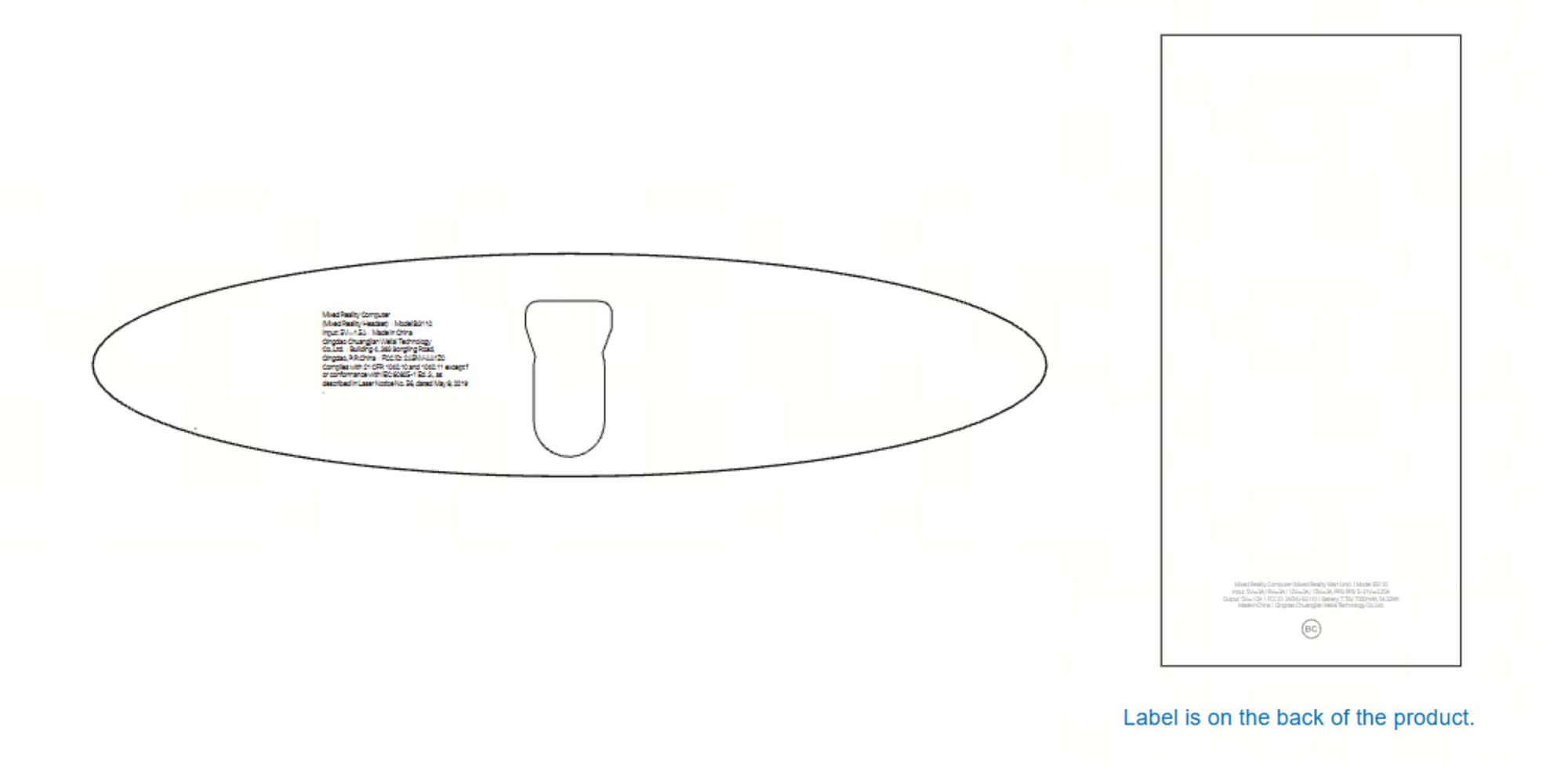
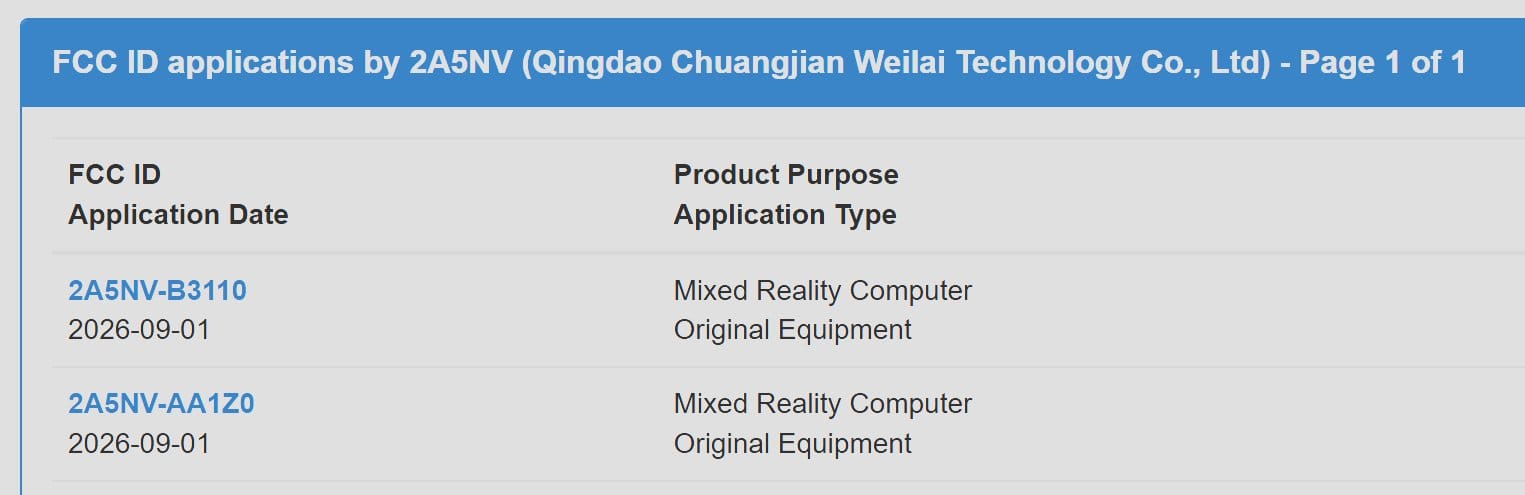
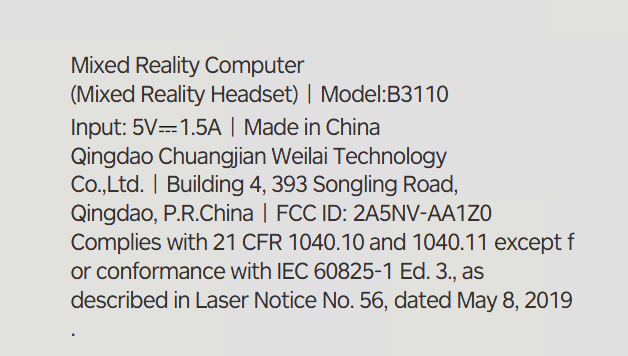
In early September 2026, the FCC—the U.S. regulatory body responsible for managing wireless frequency usage—published documentation for a "Mixed Reality Computer" developed by Pico. FCC approval is a mandatory prerequisite for any electronic device with wireless capabilities intended for the U.S. consumer market, making these filings a reliable indicator of an imminent product launch.
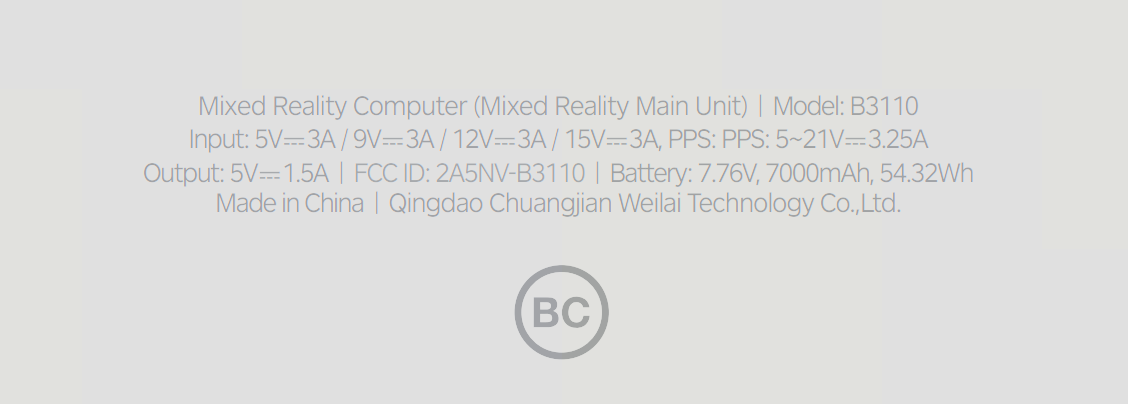
The filings reveal a unique hardware architecture consisting of two distinct components:
The Head-Mounted Display (HMD): Registered under FCC ID 2A5NV-AA1Z0, described as a "Mixed Reality Headset."
The Main Unit (Puck): Registered under FCC ID 2A5NV-B3110, described as a "Mixed Reality Main Unit."
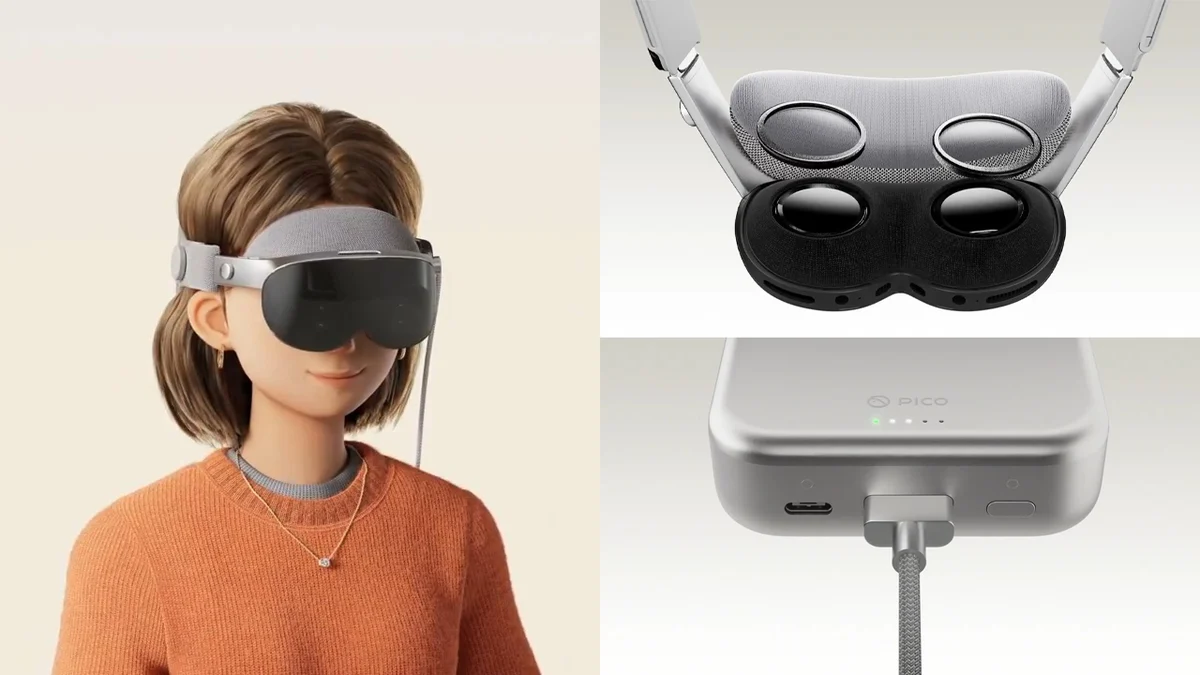
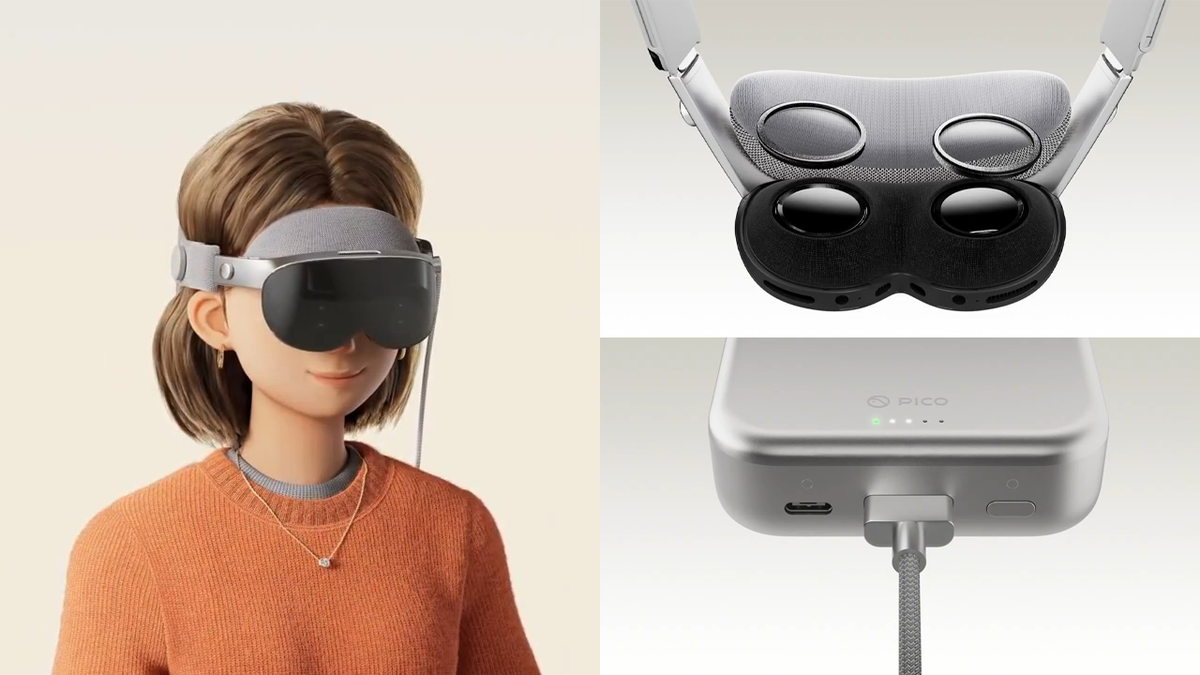
The technical documentation indicates that the headset component focuses on sensor data and controller links (utilizing a radio frequency between 2.402 and 2.480 GHz), while the "Main Unit" houses the core processing power, a high-capacity 7,000 mAh battery (54.32 Wh), and support for the latest Wi-Fi 7 standards. This "split-compute" architecture is designed to offload weight from the user’s face, a design philosophy similar to the Apple Vision Pro and XREAL’s Aura.
Additionally, a "Wireless Keyboard" (FCC ID 2A5NV-C6110) received certification in July, suggesting that Pico is positioning the Space Pro not just as an entertainment device, but as a productivity workstation.
Chronology: From Project Swan to Space Pro
The journey of the Pico Space Pro has been a series of calculated teasers and unexpected pivots. Understanding the timeline is essential to grasping ByteDance’s long-term XR strategy.
March 2026: The "Project Swan" Reveal
Pico first went public with its next-generation ambitions in March, utilizing the internal codename "Project Swan." During this initial announcement, the company focused on raw specifications, promising a device that would leapfrog current market leaders. They introduced the concept of a "Global Early Access Program," seeking feedback from XR experts to refine the hardware and the new Pico OS 6.
June 2026: The SDK Leaks
While Pico remained secretive about the physical appearance of the device, developers discovered instructional videos within a public Pico Software Development Kit (SDK). These videos showcased a sleek visor design with a forehead pad and a rear strap reminiscent of Apple’s Solo Knit Band. Crucially, the videos confirmed the existence of a tethered external puck, cementing the "distributed compute" theory.
August 2026: Official Branding and the September 2nd Target
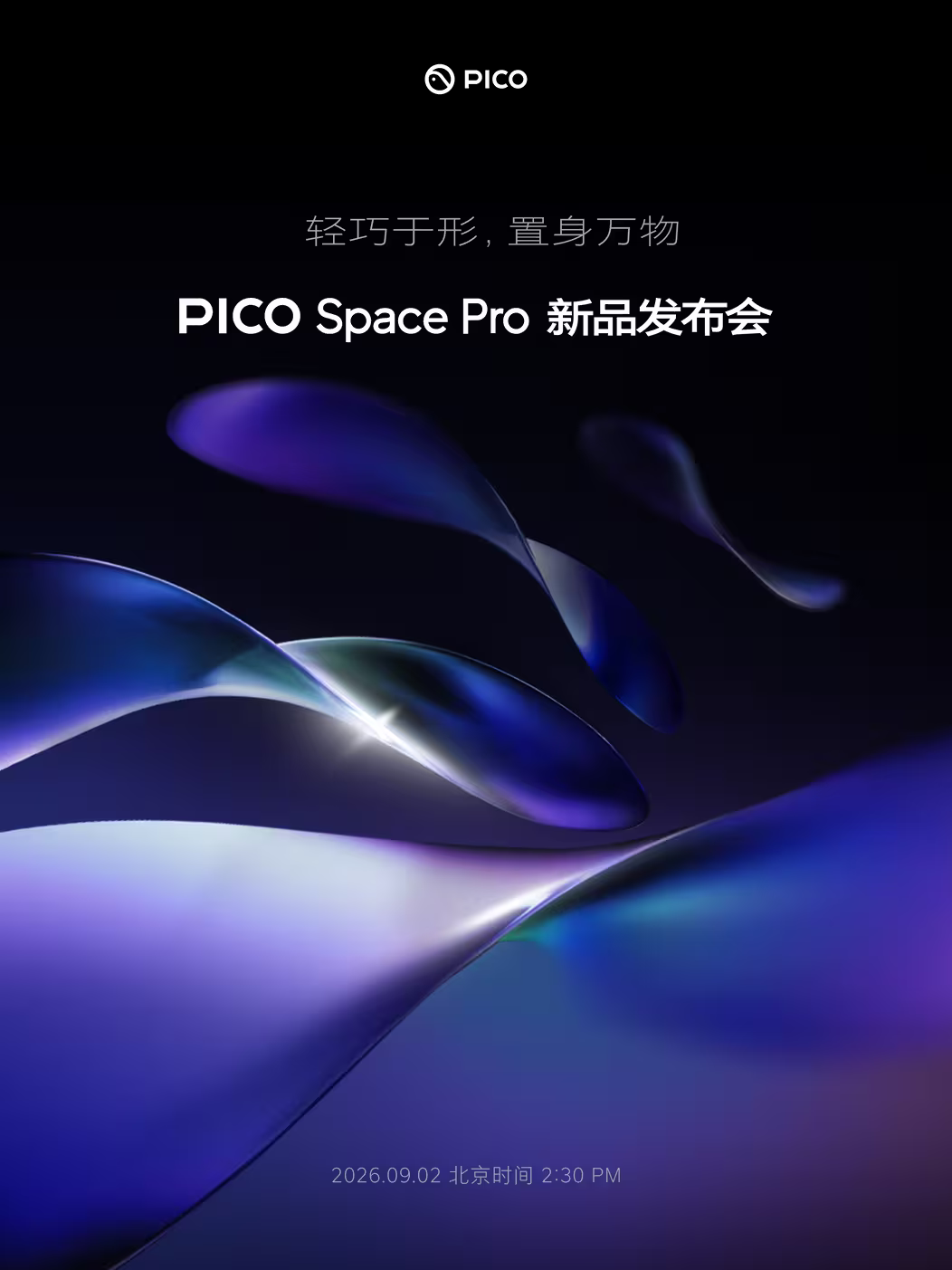
In mid-August, Pico’s official social media channels in Asia, particularly Bilibili, officially unveiled the name Pico Space Pro. The marketing material used the slogan "Lightweight in form, immersed in everything," and set a firm launch date for September 2, 2026, at 2:30 PM Beijing Time.
Late August 2026: The Strategic Delay
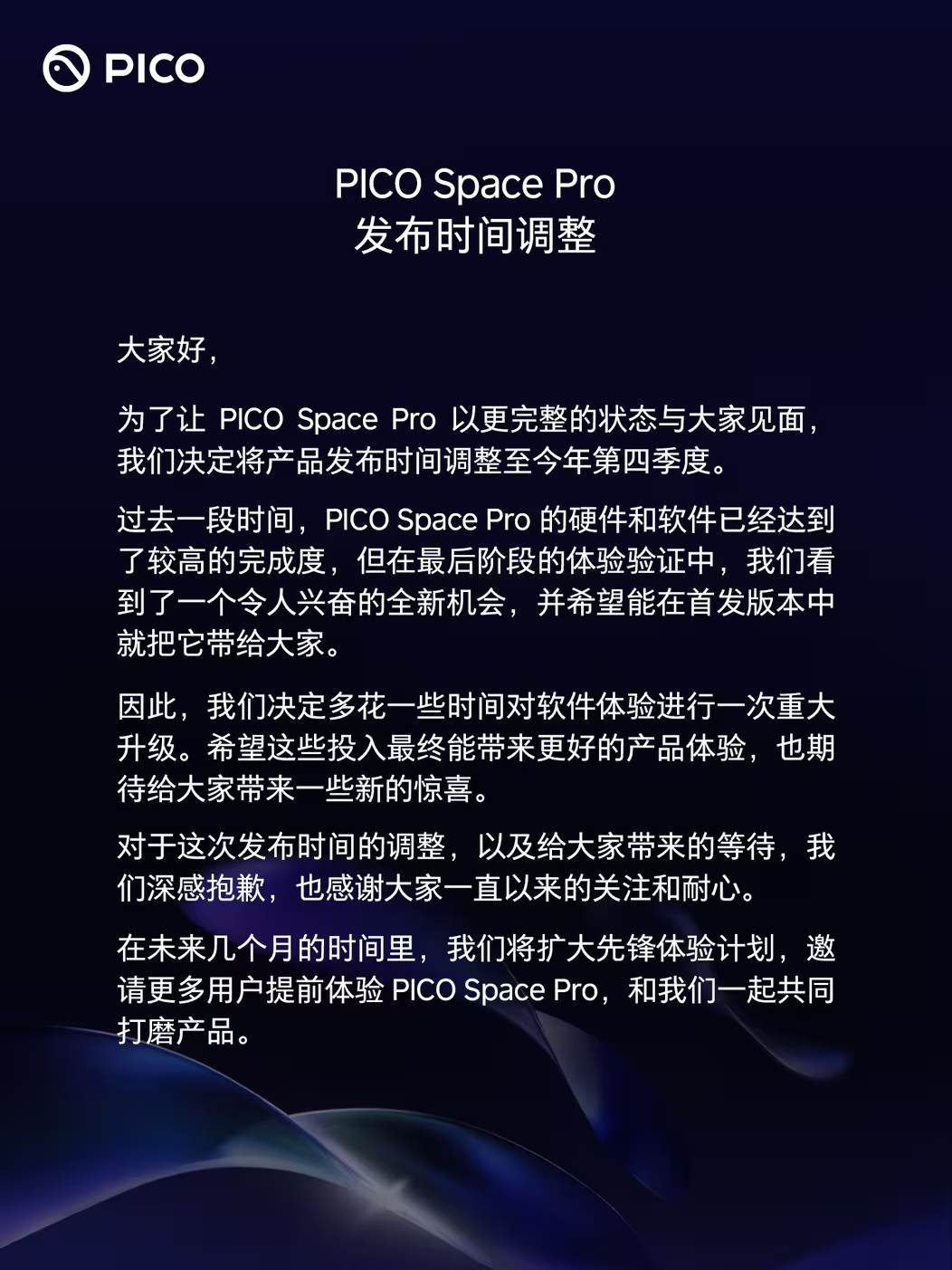
Just days before the scheduled event, Pico issued a surprising announcement canceling the launch. The company cited a "new opportunity" discovered during final user-experience testing. To integrate this "major upgrade to the software experience," the release was pushed to Q4 2026.
September 2026: FCC Clearance
Despite the launch delay, the regulatory process continued. The FCC granted certification for the headset and main unit just one day before the original September 2nd launch date, confirming that the hardware design is finalized and ready for mass production.
Supporting Data: Technical Specifications and Performance
The Pico Space Pro is engineered to be a "spec monster," aimed at the enthusiast and enterprise markets. Based on official disclosures and regulatory data, the device features several industry-leading technologies.
Display Excellence
The centerpiece of the Space Pro is its display system. Pico has confirmed the use of micro-OLED panels boasting a density of 4,000 pixels per inch (PPI). For comparison, this puts the Space Pro in the same echelon as the Apple Vision Pro, offering a level of visual clarity that virtually eliminates the "screen-door effect" common in lower-end VR headsets like the Quest 3.
Dual-Chip Architecture
To handle the immense computational load of high-resolution mixed reality, the Space Pro utilizes a dual-chip setup:
The Main Processor: A next-generation chipset that Pico claims delivers twice the CPU and GPU performance of the Snapdragon XR2 Gen 2 found in the Meta Quest 3. This is likely a customized variant of Qualcomm’s latest silicon.
The Coprocessor: A self-developed dedicated chip designed specifically for computer vision, image processing, and reducing latency in passthrough video.
Power and Connectivity
The external "Main Unit" is a powerhouse in its own right. The 7,000 mAh battery is significantly larger than those found in most standalone headsets, which typically hover around 4,000–5,000 mAh. By moving the battery and main processor to a pocketable or belt-mounted puck, Pico can achieve a much thinner and lighter HMD profile, improving long-term comfort. The inclusion of Wi-Fi 7 ensures that the device can handle high-bandwidth data streaming, essential for cloud-based spatial computing.
Official Responses: The Philosophy of "The Surprise"
Pico’s communication regarding the Space Pro has been uncharacteristically transparent yet strategically vague. In their delay announcement on Bilibili, the company apologized to its community while framing the wait as a benefit to the end-user.
"To bring you PICO Space Pro in a more complete form, we have decided to move its release to the fourth quarter of this year… during the final phase of user-experience testing, we discovered an exciting new opportunity, and we hope to include it in the initial release."
This "exciting new opportunity" is widely speculated to be a breakthrough in AI integration or a more seamless "Spatial Engine" that allows for better interaction between virtual objects and the physical environment. By expanding the "Early Access Program" during the delay, Pico is opting for a community-driven refinement process, hoping to avoid the software bugs that often plague high-end hardware launches.
Implications: A New Contender in the Spatial War
The emergence of the Pico Space Pro carries significant implications for the broader XR industry and ByteDance’s corporate standing.
1. Challenging the Apple-Meta Duopoly
For the past two years, the high-end MR market has been dominated by Apple’s Vision Pro (on the ultra-premium end) and Meta’s Quest Pro/Quest 3 (on the consumer/prosumer end). The Space Pro represents a "middle path." It mirrors Apple’s high-fidelity displays and aesthetic, but likely at a more competitive price point facilitated by ByteDance’s manufacturing scale.
2. The Pivot to Productivity
The certification of a dedicated wireless keyboard and the "Mixed Reality Computer" designation suggest that ByteDance is moving away from the "gaming-first" identity of the Pico 4. The Space Pro is being positioned as a tool for "spatial work," competing with the Samsung Galaxy XR and Google’s upcoming Android-based XR ecosystem.
3. The Design Shift: The External Puck
Pico’s decision to use an external tethered puck is a gamble on ergonomics over "all-in-one" simplicity. If users embrace the puck in exchange for a lighter, more comfortable headset, it could force Meta to reconsider its integrated battery designs for future "Quest Pro" iterations. This architecture also allows for easier hardware upgrades or battery swaps in professional environments.
4. Regulatory and Geopolitical Context
Despite ongoing scrutiny of ByteDance in the U.S. regarding TikTok, the FCC certification of the Pico Space Pro indicates that the company is continuing to push its hardware into the American market. The February 28, 2027, expiration for short-term confidentiality in the FCC filings suggests that by early next year, all remaining secrets of the device—including internal photos and user manuals—will be public domain.
Conclusion
The Pico Space Pro is more than just a new headset; it is ByteDance’s bid for relevance in the next era of personal computing. With 4,000 PPI micro-OLEDs, a massive battery, and a performance profile that doubles that of current-gen leaders, the hardware is undeniably formidable. However, as the Q4 2026 launch approaches, the true test will lie in the "software surprises" Pico has promised. In the world of spatial computing, the hardware gets you in the door, but the software experience determines if you stay.
The landscape of artificial intelligence is currently standing on the precipice of its most significant shift since the debut of GPT-4. OpenAI has officially confirmed the existence and impending roll
The landscape of virtual reality (VR) gaming is often characterized by rapid innovation followed by periods of stark silence. For the dedicated community of In Death: Unchained, one of the Meta Quest’
Introduction: The Decade-Long Redemption Arc In the volatile landscape of the modern gaming industry, few stories are as evocative or as frequently cited as the redemption of No Man’s Sky. Once the po