
The Unfolding Saga: How Dungeons & Dragons Adventure System Board Games Mastered the Dungeon Crawl
For countless enthusiasts, the allure of Dungeons & Dragons extends beyond the tabletop role-playing game, venturing into a more streamlined, yet equally captivating, format: the Dungeons & Dragons Adventure System board games. These cooperative dungeon crawlers have, for over a decade, sought to distill the essence of D&D—heroic adventurers, perilous dungeons, and monstrous foes—into an experience playable without the need for a dedicated Dungeon Master. From their initial, often rough, experiments to genuinely acclaimed hits, this series has carved a significant niche, sparking discussions among players worldwide, including vibrant communities in places like Poland.
The journey of the D&D Adventure System is a compelling narrative in itself, mirroring the trials and triumphs of the heroes within its boxes. It’s a story of iterative design, learning from both missteps and breakthroughs, ultimately delivering a line of games that successfully bridges the gap between complex RPGs and accessible board game experiences. This article will delve into the evolution of these games, examining how they transitioned from ambitious concepts to polished adventures, and explore their broader impact on the tabletop gaming landscape.
A Journey Through Forgotten Realms and Beyond: The Series’ Evolution
At its core, the D&D Adventure System series is a collection of cooperative board games where 1-5 players control iconic D&D heroes, exploring modular dungeon tiles, battling monsters, disarming traps, and completing quests. The system employs a simplified version of D&D’s 4th Edition rules, focusing on tactical combat, unique character abilities, and the thrill of discovery. Each game typically features a host of high-quality plastic miniatures, detailed dungeon tiles, and a deck of cards that dictates monster actions and random events.
The market for cooperative board games has seen an explosive boom in recent years, fueled by a desire for shared experiences and less confrontational gameplay. Within this burgeoning landscape, the D&D Adventure System games offered a unique proposition: a direct conduit to the beloved D&D universe, stripped down to its essential adventuring components, and made accessible to a broader audience who might be intimidated by the full scope of a traditional role-playing game. The series’ evolution reflects a keen understanding of player feedback and a continuous effort to refine mechanics, deepen narrative engagement, and enhance replayability.
Castle Ravenloft (2010): The Gothic Genesis
Main Facts: Castle Ravenloft was not just the inaugural title in the D&D Adventure System; it was a bold statement of intent. Released in 2010, it plunged players into the iconic gothic horror setting of Barovia, a land shrouded in mist and ruled by the dread vampire Strahd von Zarovich. The game’s premise was simple: escape the castle, defeat its monstrous inhabitants, or complete specific objectives, all while battling skeletons, ghouls, and other creatures of the night.
Gameplay: The foundational mechanics established in Castle Ravenloft would become the blueprint for the entire series. Players start in a central tile, drawing new dungeon tiles as they explore, revealing monsters, traps, and treasures. Combat is resolved using a d20 die roll against a monster’s Armor Class, with characters utilizing a set of "at-will," "utility," and "daily" powers reminiscent of D&D 4th Edition. Monster actions are dictated by a simple AI card system, ensuring that even without a Dungeon Master, the enemies pose a dynamic threat. The rules, while seemingly basic, created an immediate sense of tension and discovery, as every newly revealed tile could bring either salvation or despair.
Atmosphere: Castle Ravenloft excelled in crafting a palpable atmosphere of dread and uncertainty. The stark artwork, the unsettling monster descriptions, and the constant threat of being overwhelmed by an endless tide of undead perfectly captured the spooky, unpredictable nature of the Ravenloft setting. Despite its simplicity, the game evoked a cinematic quality, where players truly felt like adventurers lost in a haunted fortress, battling overwhelming odds. The random element of monster surges, where multiple enemies could suddenly appear, added a layer of terrifying unpredictability that kept players on edge.
Strengths: Its greatest strength lay in its accessibility. Players could learn the core rules in under ten minutes and immediately dive into the action. This low barrier to entry made it incredibly appealing to both seasoned D&D veterans looking for a quick fix and newcomers eager to experience the D&D universe without the commitment of a full RPG campaign. The cooperative nature fostered teamwork and shared storytelling, making every victory feel hard-earned.
Weaknesses: While its simplicity was a strength, it also occasionally led to a sense of repetition. Some missions felt similar, and the high degree of randomness, particularly with monster draws and attack rolls, could lead to wildly unpredictable game sessions. A team could crush one game with ease, only to be utterly destroyed in the next due to a string of bad luck. However, as a series debut, it masterfully set the tone and provided a robust foundation for future iterations.
Wrath of Ashardalon (2011): Stretching the Boundaries
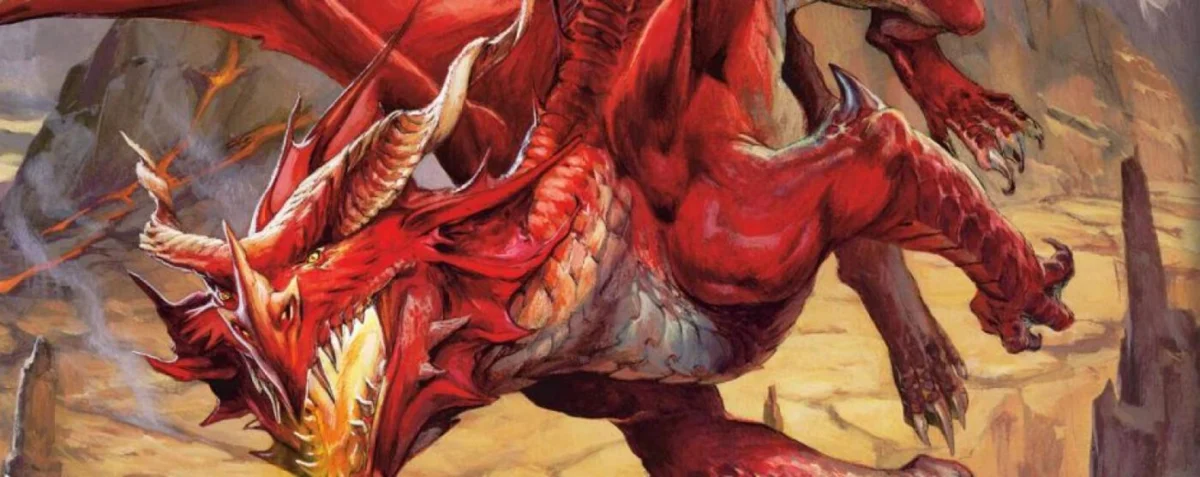
Main Facts: Following hot on the heels of Castle Ravenloft, Wrath of Ashardalon aimed for a grander scale, shifting the setting from a gothic castle to the fiery depths beneath the Cloakwood Mountains. The promise of confronting a magnificent red dragon, Ashardalon, served as the central hook, suggesting an epic confrontation. This entry sought to expand on the core mechanics while introducing new elements to keep the series fresh.
Gameplay: Wrath of Ashardalon introduced more varied environmental tiles, including lava flows and crumbling caves, adding new tactical considerations. It also brought in a wider array of monsters, from kobolds and goblins to powerful demons and, of course, the titular dragon. The game attempted to diversify mission objectives beyond simple "kill the boss" scenarios, encouraging exploration and strategic decision-making. Characters also felt distinct, with new classes like the Dragonborn Fighter and the Elf Paladin offering fresh tactical choices.
Components: Visually, Wrath of Ashardalon was impressive. The dragon miniature on the box art was a showstopper, and the quality of the miniatures inside continued the high standard set by Castle Ravenloft. These components played a crucial role in drawing players into the fantasy world, making the battles feel more tangible and epic.
Strengths: The game’s ambition was commendable. It was the first time the series truly attempted to stretch its legs, introducing a few new ideas that hinted at greater depth. The variety in tile types and monster abilities offered more tactical nuances, and when missions clicked, they delivered genuinely thrilling experiences. It demonstrated a willingness to experiment with the established formula, which was vital for the series’ long-term growth.
Weaknesses: Despite its ambitions, Wrath of Ashardalon felt uneven. Some missions were genuinely engaging and well-paced, while others felt like they meandered, lacking clear direction or a satisfying climax. The balance between character abilities and monster challenges sometimes felt off, leading to frustrating difficulty spikes or anticlimactic encounters. This inconsistency prevented it from achieving the consistent acclaim of its predecessor, highlighting the challenges of scaling up a successful core design.
The Legend of Drizzt (2011): Finding the Narrative Heart
Main Facts: Later in 2011, the D&D Adventure System took a significant turn with The Legend of Drizzt. This installment capitalized on the immense popularity of R.A. Salvatore’s Forgotten Realms novels, bringing fan-favorite characters like the iconic drow ranger Drizzt Do’Urden, his panther companion Guenhwyvar, and the formidable assassin Artemis Entreri directly to the tabletop. This move was a masterstroke, leaning heavily on existing nostalgia and a rich narrative tapestry.
Gameplay: The Legend of Drizzt didn’t drastically overhaul the core mechanics, but it refined them significantly. Setup was faster, the rules felt more intuitive, and the overall pacing was smoother. Character abilities were meticulously crafted to reflect their lore, making playing as Drizzt, Catti-brie, or Wulfgar feel genuinely authentic. The game focused on delivering a streamlined, highly engaging experience, allowing players to jump into a quest and complete it without spending an entire evening poring over rulebooks. This emphasis on accessibility and immediate fun proved to be a critical turning point for many players.
Atmosphere: The game’s atmosphere was profoundly enhanced by its direct connection to the beloved novels. Players weren’t just generic adventurers; they were Drizzt and his companions, facing foes and challenges directly from their storied adventures. This narrative resonance created a deeper emotional investment and made the cooperative experience even more rewarding. The power of familiar heroes and a pre-established world proved to be a potent ingredient.
Strengths: The Legend of Drizzt was lauded for its exceptional replayability and its ability to consistently deliver an enjoyable experience. It hit a sweet spot between strategic depth and accessibility, making it a favorite for both casual and dedicated gamers. For many, this was the game that truly made them fall in love with the D&D Adventure System series, demonstrating that a strong narrative hook combined with refined mechanics could elevate the entire experience.
As the legendary author J.R.R. Tolkien wisely penned, "Not all those who wander are lost." Drizzt Do’Urden, a character defined by his wanderings and his quest for belonging, perfectly embodies this sentiment. Similarly, The Legend of Drizzt game, while perhaps not wildly innovative in its core mechanics, wandered into familiar and cherished narrative territory, finding the true heart of what these games were meant to be: fast, light, character-driven, and full of adventure. It proved that sometimes, the greatest innovation lies in perfecting the existing formula and connecting with players on a deeper, emotional level.
Temple of Elemental Evil (2015): The Campaign Revolution
Main Facts: After a brief hiatus, the D&D Adventure System returned in 2015 with Temple of Elemental Evil, a game that would fundamentally redefine the series’ potential. Based on one of D&D’s most iconic and challenging modules, this installment introduced a game-changing feature: campaign progression. This meant that players could carry their characters, gear, and experience between adventures, creating a persistent narrative and a true sense of journey.
Gameplay: The inclusion of a campaign mode transformed the series from a collection of episodic dungeon crawls into a cohesive, unfolding story. Players’ choices and successes in one adventure had tangible consequences for subsequent ones. This added an unprecedented layer of strategic depth and long-term engagement. Missions felt more purposeful, enemies were more thoughtfully balanced, and the overarching story provided a compelling reason to keep playing. The game demanded greater teamwork and foresight, moving beyond sheer luck towards intelligent play and tactical planning.
Key Innovations: Temple of Elemental Evil brought several crucial advancements to the table:
- Campaign Progression: This was the undisputed highlight, allowing characters to grow, acquire permanent items, and develop through a series of linked scenarios, emulating a true D&D campaign.
- Meaningful Choices: The campaign structure introduced choices that impacted the narrative flow and available missions, adding replayability and player agency.
- Balanced Encounters: The design team clearly invested in refining monster AI and encounter balancing, leading to less swingy difficulty and more consistently challenging, yet fair, experiences.
- Enhanced Storytelling: The missions were woven into a rich narrative tapestry, drawing directly from the classic module and providing a stronger sense of purpose and immersion.
- Increased Strategic Depth: With persistent characters and evolving threats, players had to think several steps ahead, planning their character builds and cooperative tactics with greater care.
Strengths: Temple of Elemental Evil was a revelation for many. It delivered a more robust, fulfilling experience that felt much closer to a traditional D&D campaign, yet retained the board game’s accessibility. The sense of character progression and the unfolding narrative kept players deeply invested. It wasn’t perfect, but it was undeniably the first game that felt like the designers had truly cracked the code, understanding what made this series special and how to evolve it meaningfully.
Tomb of Annihilation (2017): The Apex of Adventure
Main Facts: Building on the successes of its predecessors, Tomb of Annihilation arrived in 2017, widely hailed as the crown jewel of the D&D Adventure System. Drawing from the popular 5th Edition D&D adventure of the same name, it transported players to the perilous, dinosaur-infested jungles of Chult, introducing a fresh setting and innovative survival mechanics.
Gameplay: Tomb of Annihilation seamlessly integrated a compelling story with heightened tension and incredible variety. The jungle setting wasn’t just aesthetic; it introduced new challenges like sweltering heat, debilitating diseases, and exhaustion, forcing players to manage their resources and plan their expeditions carefully. Survival became a key element, demanding adaptability and sometimes, the strategic decision to run for one’s life. The game featured a host of unique monsters, from giant spiders to terrifying undead, and cleverly designed traps that kept every session feeling fresh and unpredictable.
Atmosphere: The game masterfully captured the oppressive and dangerous atmosphere of Chult. Every revealed tile brought with it the possibility of a deadly ambush, a debilitating environmental effect, or a crucial discovery. The art, components, and narrative flavor text worked in concert to create a vibrant, yet terrifying, world that felt truly alive. The constant threat of the Death Curse, a central plot point, instilled a pervasive sense of urgency and dread.
Strengths: Tomb of Annihilation brought everything together into a cohesive, polished package. The story was engaging, the tension was palpable, and the sheer variety of encounters and challenges ensured high replayability. The survival mechanics added a layer of strategic depth that rewarded thoughtful play and cooperative planning. For many players, this game represented the pinnacle of the Adventure System series, demonstrating a mature design philosophy and a confident execution.
As the legendary game designer Shigeru Miyamoto once stated, "A delayed game is eventually good, but a rushed game is forever bad." Tomb of Annihilation certainly took its time, benefiting from the iterative design process of the previous titles, and it paid off handsomely. Every aspect of the game felt polished, confident, and meticulously crafted, delivering an experience that resonated deeply with fans.
Beyond the Tabletop: The Broader Impact and Cultural Context
The success of the D&D Adventure System board games extends far beyond the individual experiences at the gaming table; it reflects and contributes to several broader trends in the world of entertainment and gaming.
The Appeal of DM-less D&D: The primary allure of these games lies in their ability to deliver a D&D-like experience without the significant time commitment and preparation required for a traditional Dungeon Master. This accessibility has opened the world of D&D to countless individuals who might otherwise never have tried it, providing a gateway drug to the broader hobby. It caters to groups who enjoy cooperative storytelling and tactical combat but prefer a more structured, rules-driven environment.
Global Tabletop Renaissance and Digital Parallels: The popularity of these games is part of a global tabletop gaming renaissance, where board games, card games, and miniature games are experiencing unprecedented growth. This phenomenon is particularly evident in regions like Poland, where board games have a vibrant and enthusiastic community. In Poland, much like in other markets, players and entertainment enthusiasts often explore diverse digital entertainment platforms, including various online gaming sites. This exploration often involves reviewing platforms to understand their features, security protocols, and interactive possibilities, sometimes drawing parallels between the strategic thinking required in board games and the analysis involved in digital engagement. This highlights a broader trend where individuals seek out different forms of interactive entertainment, whether physical or digital, to satisfy their appetite for strategy, challenge, and engaging experiences.
The Rise of Competitive Analysis and Strategic Depth: While the D&D Adventure System games are cooperative, the broader board gaming landscape increasingly sees elements of competitive analysis and strategic forecasting. In the realm of competitive board games, much like in sports or even horse racing, there’s a growing trend of players analyzing opponents’ chances, styles, and strategies. Even in cooperative games, this analytical mindset translates into deep dives into optimal character builds, efficient dungeon clearing strategies, and predictive play. This analytical rigor, often shared and discussed within online communities, showcases the intellectual depth that modern board games can offer, transforming them from mere pastimes into subjects of serious strategic study.
Implications for Licensed IPs: The D&D Adventure System series has also served as a successful model for how established intellectual properties can be effectively translated into board game formats. Its iterative design process, commitment to thematic immersion, and willingness to adapt core mechanics for a new medium offer valuable lessons for other publishers and designers looking to leverage popular franchises. The series has demonstrated that with careful design and a focus on player experience, licensed games can be more than just marketing tie-ins; they can be exceptional games in their own right, enriching the IP they represent.
Conclusion: A Legacy Forged in Dungeons
From the ambitious, if sometimes uneven, beginnings of Wrath of Ashardalon to the refined brilliance of Tomb of Annihilation, the Dungeons & Dragons Adventure System board games stand as a testament to the evolution of tabletop design. Each installment, even when it stumbled, added crucial insights and innovations, contributing to a collective legacy of adventure, teamwork, and pure fantasy fun.
The series successfully distilled the essence of Dungeons & Dragons—the thrill of exploration, the camaraderie of adventurers, the tactical depth of combat, and the epic encounters with monstrous foes—into an accessible, cooperative board game format. It proved that a DM-less D&D experience could be not only viable but profoundly engaging, attracting new players to the hobby and satisfying the cravings of long-time fans. The D&D Adventure System games have cemented their place as a beloved and influential line of cooperative dungeon crawlers, inspiring countless hours of shared adventure and leaving an indelible mark on the landscape of modern board gaming. Their enduring appeal lies in their ability to consistently deliver on the promise of fantasy escapism, one tile, one monster, and one heroic deed at a time.




Leave a Comment