Into the Heart of Terror: Total Chaos VR Announced as Definitive Psychological Horror Experience for SteamVR and Meta Quest
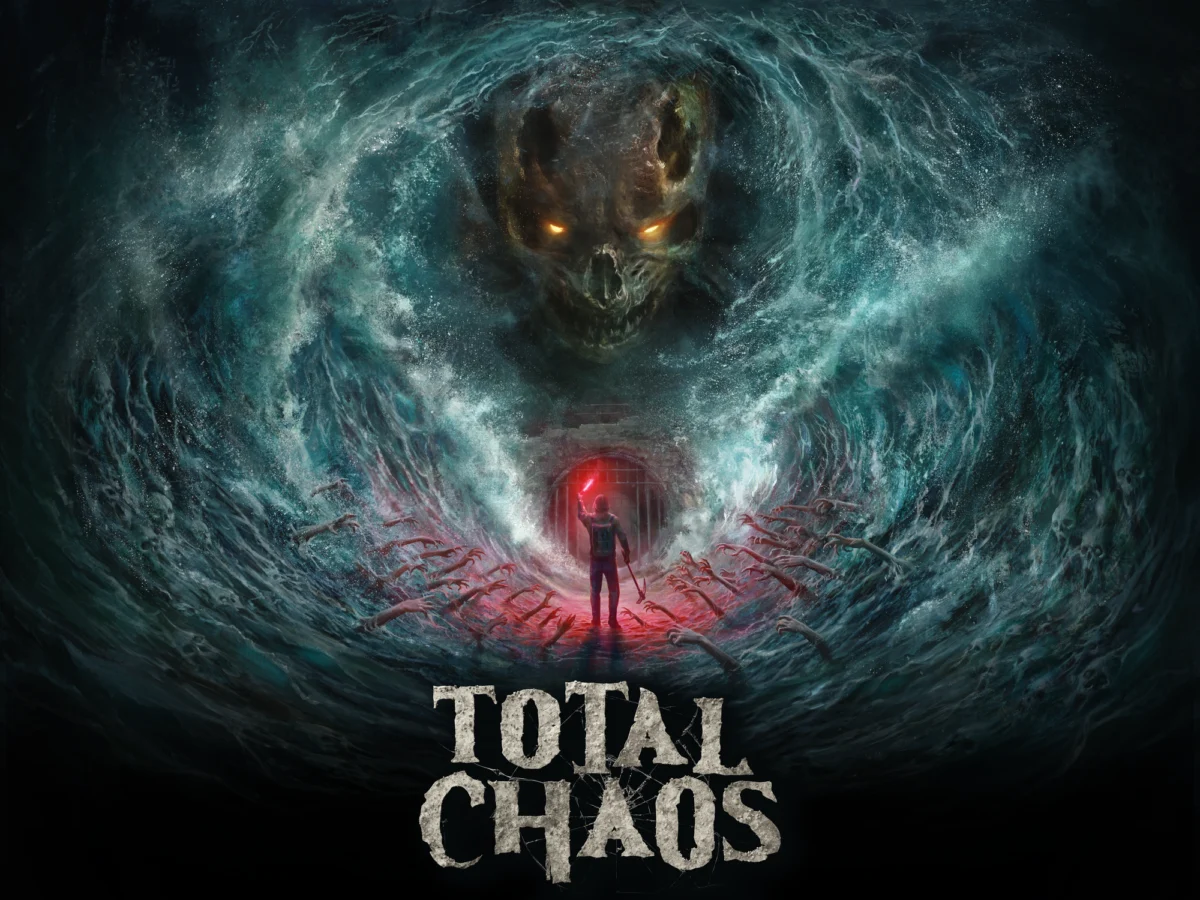
The landscape of virtual reality horror is about to undergo a seismic shift. During the highly anticipated VR Games Showcase, developer Trigger Happy Interactive, in partnership with legendary publisher Apogee Entertainment, officially pulled back the veil on Total Chaos VR. This announcement marks the transition of one of the most unsettling and critically acclaimed psychological horror titles of recent years into the immersive realm of virtual reality.
Set to launch on SteamVR with a standalone version following on the Meta Horizon Store, Total Chaos VR promises to translate the suffocating atmosphere and visceral combat of the original "flat" version into a 360-degree nightmare. In a move that has been widely lauded by the gaming community, the developers confirmed that the VR upgrade will be available at no additional cost to existing owners of the game on Steam, rewarding a loyal fanbase that has supported the title since its standalone debut in 2025.
Main Facts: A New Frontier for Total Chaos
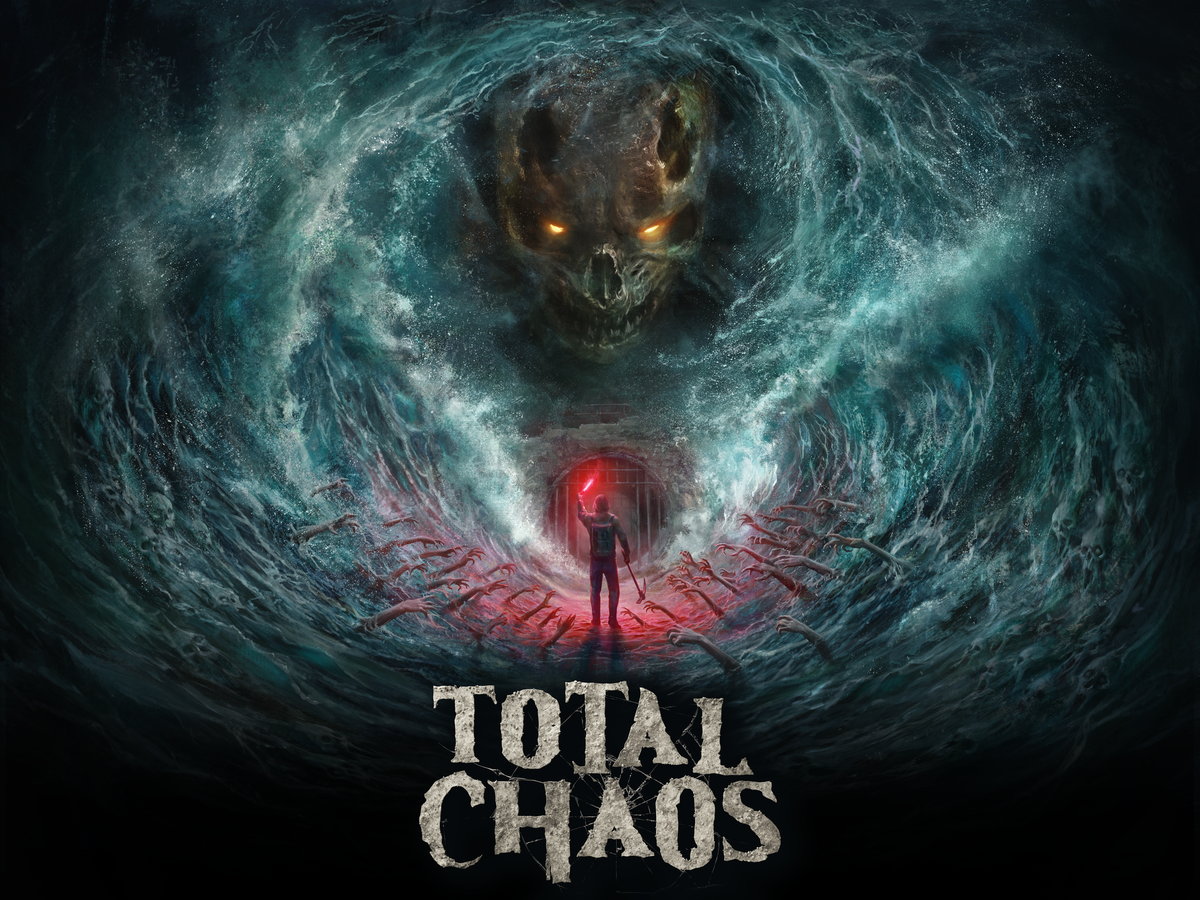
The announcement of Total Chaos VR serves as a milestone for both the developer and the VR medium. Originally gaining notoriety as a groundbreaking mod before its 2025 commercial release, Total Chaos has consistently pushed the boundaries of what is possible within its engine. The VR iteration aims to heighten the stakes, placing the player directly into the boots of a Coast Guard officer trapped on the desolate and decaying Fort Oasis.
Key highlights of the announcement include:
- Platform Availability: The game is confirmed for SteamVR (PC-based VR) and a standalone release on Meta Quest via the Horizon Store.
- Loyalty Pricing: Owners of the standard version of Total Chaos on Steam will receive the VR version for free.
- The Narrative Premise: Players assume the role of a responder to a distress signal on a remote island, only to be shipwrecked and hunted by manifestations of the island’s dark history.
- Release Window: While a specific day was not provided, the developer indicated the SteamVR version is "coming soon," with the Meta Quest version currently in active development for a later date.
The reveal was accompanied by a chilling teaser trailer that showcased the game’s signature grimy, industrial aesthetic, now rendered with the depth and scale that only virtual reality can provide. The footage suggests a heavy emphasis on environmental storytelling, resource management, and a combat system that feels weightier and more intimate than its predecessor.
Chronology: From GZDoom Mod to VR Powerhouse
To understand the significance of Total Chaos VR, one must look at the long and storied history of its development. The project began over a decade ago as a total conversion mod for GZDoom. Created primarily by lead developer Sam "Wanda" Prebble, the mod famously pushed the aging Doom engine to its absolute limits, implementing advanced lighting, 3D models, and a sophisticated physics system that many thought impossible for the software.
- 2011–2018: The Modding Years: Total Chaos spent years in development as a free mod. During this time, it garnered a cult following for its "low-fi" but highly detailed aesthetic, reminiscent of early 2000s horror classics like Silent Hill and Condemned: Criminal Origins.
- 2025: The Standalone Debut: Following years of refinement, the game was released as a standalone commercial product on Steam. It was no longer a mod but a fully realized survival horror experience. It quickly earned a "Very Positive" rating, with players praising its oppressive atmosphere and uncompromising difficulty.
- August 2026: The VR Reveal: Leading the VR Games Showcase, Trigger Happy Interactive and Apogee Entertainment announced the transition to VR. This move represents the ultimate evolution of the project’s goal: total player immersion in a world of decay and madness.
The progression from a niche mod to a flagship VR title published by Apogee Entertainment—a company responsible for the early success of franchises like Wolfenstein 3D and Duke Nukem—is a testament to the game’s unique vision and technical achievement.
Supporting Data: Critical Reception and Technical Evolution
The decision to bring Total Chaos to VR is backed by a strong foundation of critical and commercial success. As of the announcement, the "flat" version of the game maintains a "Very Positive" rating on Steam, derived from over 1,500 user reviews. This level of acclaim is rare for indie horror titles, particularly those that lean so heavily into psychological distress and high-intensity survival mechanics.
Data points that highlight the game’s impact include:
- Community Engagement: With over 1,500 reviews, the game has maintained a 90%+ positive rating, with players frequently citing the sound design and environmental art as industry-leading.
- Visual Fidelity: Despite its retro-inspired roots, the game utilizes a unique graphical style that blends high-resolution textures with a grimy, pixelated filter. In VR, this "retro-modern" look is expected to mitigate some of the "screen door effect" common in headsets while enhancing the uncanny nature of the creature designs.
- Survival Mechanics: Unlike many "walking simulator" horror games, Total Chaos features a complex crafting system and melee-focused combat. In VR, these mechanics are being redesigned to utilize motion controls, requiring players to physically swing weapons and manually manage their inventory in real-time.
The transition to Meta Quest is particularly noteworthy. Bringing a game of this visual complexity to mobile VR hardware requires significant optimization. The developer has stated that the standalone version will maintain the core atmosphere while tailoring the technical requirements to the Quest’s architecture.
Official Responses: A Vision of Immersive Terror
The partnership between Trigger Happy Interactive and Apogee Entertainment has been pivotal in scaling the project. In statements surrounding the reveal, the teams expressed their excitement about the potential of VR to unlock new layers of the Total Chaos experience.
While formal press interviews are ongoing, the sentiment from the development team emphasizes that VR was always the logical "final form" for the game. "The world of Total Chaos was always meant to swallow the player whole," noted the developers during the showcase presentation. "VR allows us to remove the barrier of the screen. When you hear a noise in the shadows of Fort Oasis now, you aren’t just moving a mouse; you are turning your head in fear."
Apogee Entertainment, known for its "indie-first" approach, has doubled down on its support for the project. By offering the VR version as a free update for Steam users, the publisher is signaling a commitment to consumer-friendly practices in an era where "remaster" fees are increasingly common. This move is expected to drive a significant surge in sales for the base game as VR enthusiasts look to secure their copy before the update goes live.
Implications: The Future of Psychological Horror in VR
The announcement of Total Chaos VR carries several implications for the broader gaming industry and the VR market specifically.
1. The "Retro-VR" Aesthetic
Total Chaos proves that high-end photorealism isn’t a prerequisite for a terrifying VR experience. Its success may encourage other developers to explore "low-fi" or "boomer shooter" aesthetics in VR, focusing on atmosphere and lighting over raw polygon counts. This is especially beneficial for standalone headsets like the Meta Quest, which have limited processing power.
2. Revitalizing Survival Horror
While VR has no shortage of horror games, many are short "experiences" or jump-scare-heavy titles. Total Chaos VR brings a full-length, hardcore survival horror campaign to the platform. Its emphasis on melee combat, resource scarcity, and non-linear exploration could set a new standard for what players expect from the genre in virtual reality.
3. The Apogee Renaissance
For Apogee Entertainment, this project reinforces their status as a curator of high-quality, atmospheric indie titles. By bridging the gap between old-school game design philosophies and cutting-edge VR technology, they are carving out a unique niche in the publishing landscape.
4. Consumer-Centric Distribution
The "Buy Once, Play Anywhere" (or in this case, "Buy Flat, Get VR") model is a powerful marketing tool. It reduces the friction for traditional gamers to try VR and rewards early adopters. If Total Chaos VR sees high engagement, it may pressure other publishers to offer similar free VR patches for their existing libraries.
Conclusion
Total Chaos VR is more than just a port; it is the culmination of a fifteen-year journey from a hobbyist mod to a professional psychological horror masterpiece. By leveraging the immersive power of SteamVR and Meta Quest, Trigger Happy Interactive is poised to deliver one of the most harrowing experiences in the medium’s history.
As the "distress call from an ominous island" prepares to ring out once more, players—both new and returning—will soon find themselves face-to-face with the darkness of Fort Oasis. For those brave enough to don the headset, the storm is just beginning. With a "Very Positive" pedigree and the backing of a legendary publisher, Total Chaos VR is set to become a mandatory title for any VR enthusiast’s library.