The Architecture of Play: A Three-Decade Retrospective and Future Outlook of the Game Developers Conference (GDC)
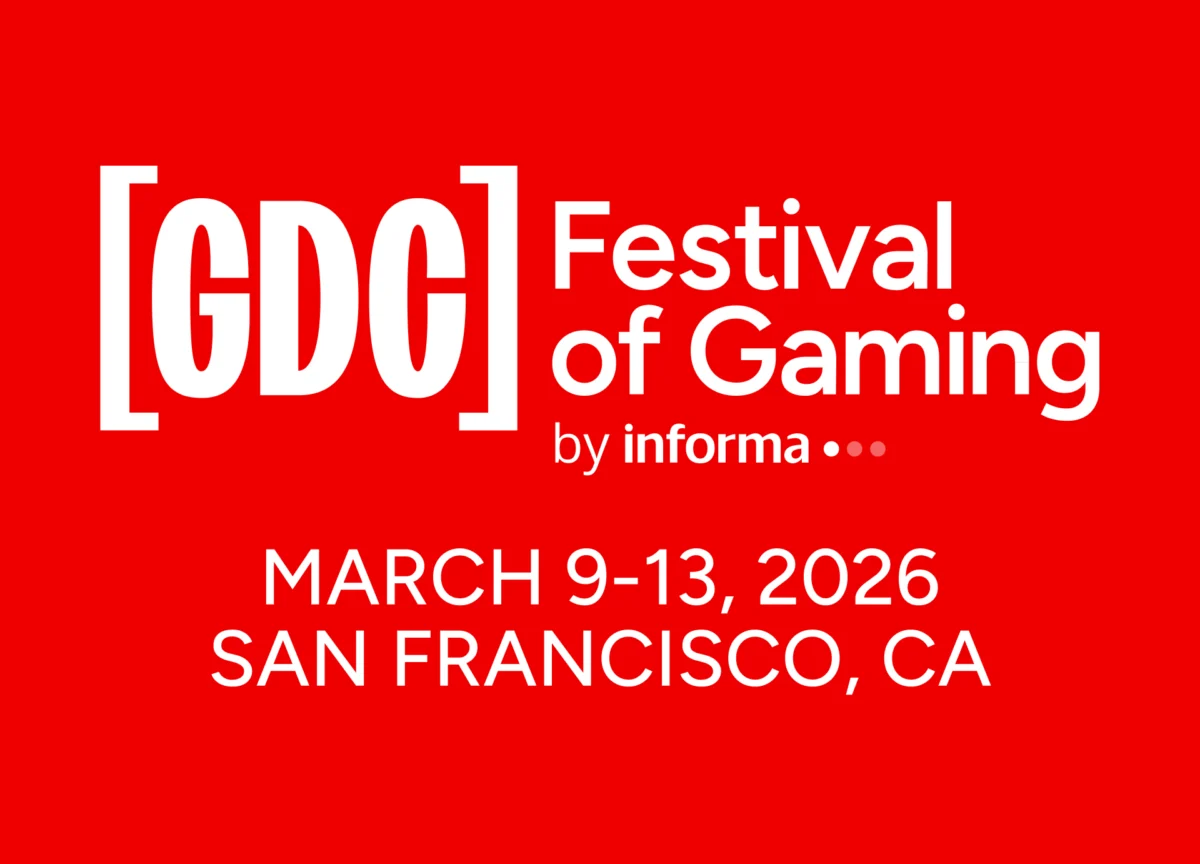
The Game Developers Conference (GDC) stands as the world’s premier professional event for the electronic games industry. What began as a small gathering of designers in a California living room has evolved into a global juggernaut that dictates the technical, artistic, and commercial trajectory of the multi-billion-dollar gaming sector. As the industry looks toward the newly confirmed dates for GDC 2025 and GDC 2026, a comprehensive analysis of the event’s history reveals a fascinating mirror of the evolution of digital entertainment itself.

Main Facts: The Hub of Global Game Innovation
Managed by Informa Tech, the Game Developers Conference is the primary forum where programmers, artists, producers, game designers, audio professionals, and business leaders exchange ideas. Unlike consumer-facing shows like E3 (now defunct) or Gamescom, GDC is strictly "by the industry, for the industry."
The conference is traditionally anchored by two major ceremonies: the Independent Games Festival (IGF), which has launched the careers of creators behind hits like Minecraft and Hades, and the Game Developers Choice Awards (GDCA), the industry’s most prestigious peer-based honors.

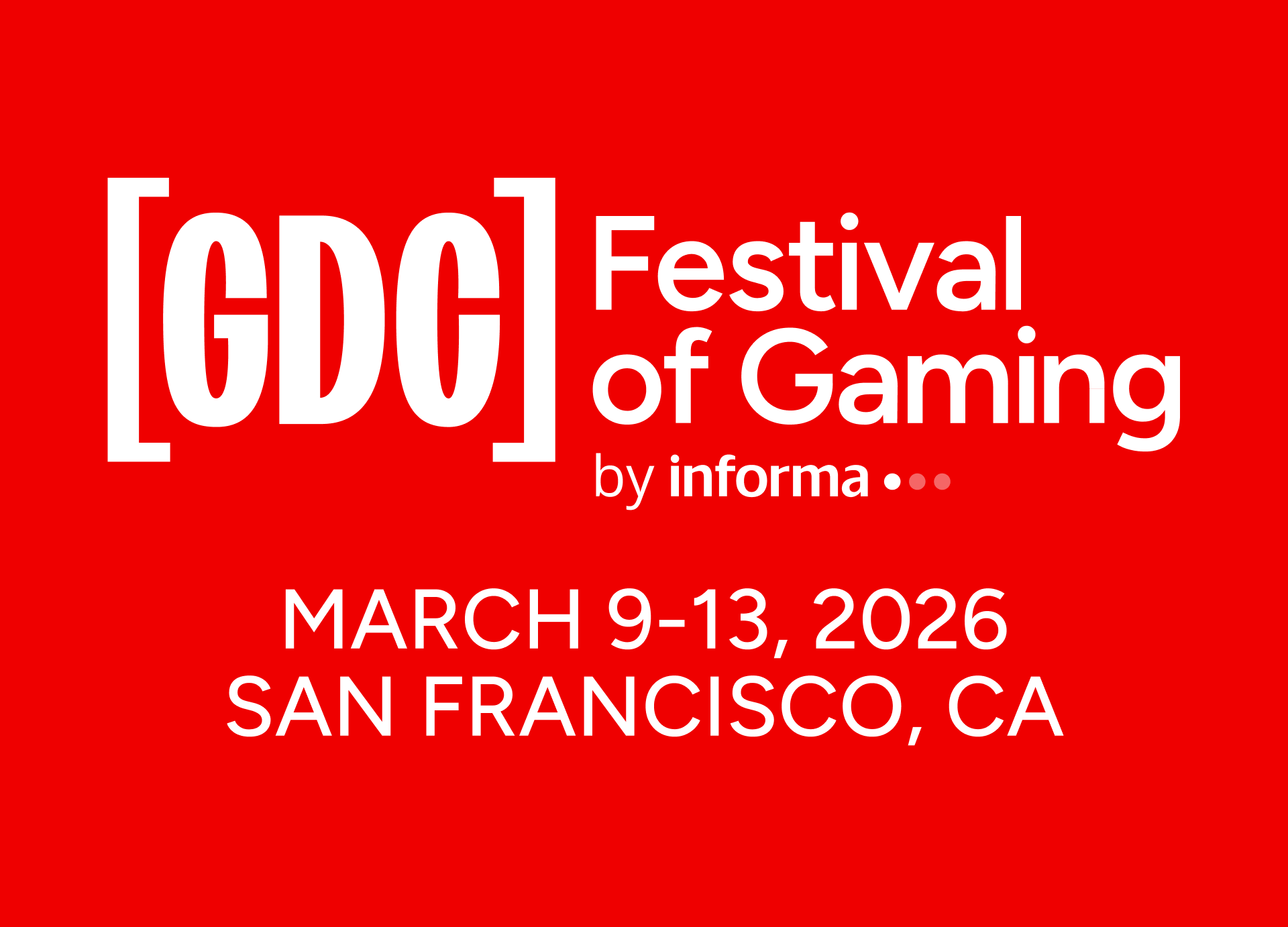
According to the latest scheduling data, the conference is maintaining its long-term momentum with a roadmap that extends through 2026. The most recent GDC 2024 event, held in San Francisco, saw a return to pre-pandemic attendance levels, signaling a robust recovery for in-person professional networking. The upcoming GDC 2025 and 2026 iterations are expected to focus heavily on the integration of generative AI in development pipelines and the continued maturation of "live service" ecosystems.

Chronology: Thirty Years of Technological Transformation
The history of GDC is a timeline of the medium’s maturation. By tracking the conference’s focus from 1996 to the projected 2026 event, one can see the rise and fall of various hardware cycles and design philosophies.

The Formative Years (1996–2000)
In 1996, the event was still known as the Computer Game Developers Conference (CGDC). During this era, the focus was primarily on the transition from 2D to 3D graphics. The 1997 and 1998 conferences were pivotal, as developers grappled with the limitations of early 3D accelerators and the birth of the modern GPU. By 1999, the "C" was dropped, and GDC became the official moniker, reflecting the shift from purely PC-centric development to a multi-platform world dominated by the original PlayStation and Nintendo 64.
.jpg)
Global Expansion and the MMO Boom (2001–2010)
The first decade of the 2000s saw GDC expanding its footprint. This era introduced GDC Europe (starting in 2009), GDC China (2007), and GDC Canada (2009). This expansion mirrored the industry’s globalization.

Simultaneously, the rise of "Massively Multiplayer Online" (MMO) games led to the creation of GDC Austin (later GDC Online). From 2007 to 2012, this branch of the conference focused on the unique challenges of persistent online worlds, social gaming on platforms like Facebook, and the burgeoning "Free-to-Play" business model that would eventually dominate the mobile market.
.png)
The VR Renaissance and Indie Gold Rush (2011–2019)
The 2010s were defined by two major shifts: the democratization of development tools (like Unity and Unreal Engine) and the birth of modern Virtual Reality.

- VRDC (Virtual Reality Developers Conference): Starting in 2016, VRDC became a staple of the GDC experience, reflecting the industry’s massive investment in Oculus, PlayStation VR, and HTC Vive.
- XRDC: By 2018, the focus expanded to "Extended Reality," including Augmented Reality (AR) and Mixed Reality (MR).
- International Consolidation: While GDC Europe and GDC China were highly successful for a time, the late 2010s saw a strategic refocusing on the main San Francisco event as the singular "must-attend" global summit.
The Pandemic Pivot and Hybrid Future (2020–2026)
The year 2020 marked a historic disruption. GDC 2020 was one of the first major global events cancelled due to the COVID-19 pandemic. The organizers responded with "GDC Summer" and various virtual "Showcase" events in 2021 and 2023. These digital experiments paved the way for the current hybrid model, where the GDC Vault—a massive digital archive of sessions—serves as a year-round resource for the global community.

As we move toward GDC 2025 and 2026, the conference has returned to its physical home at the Moscone Center in San Francisco, while maintaining a permanent digital "Showcase" presence to ensure accessibility for developers in emerging markets.

Supporting Data: The Economic and Educational Impact
GDC’s scale is best understood through its quantitative contributions to the industry:

- Attendance Trends: At its peak, GDC attracts over 29,000 attendees. Even in the post-pandemic recovery phase of 2024, the event drew approximately 30,000 industry professionals, indicating that the appetite for physical networking remains at an all-time high.
- The GDC Vault: This repository contains over 20 years of video and audio content. It is considered the "Library of Alexandria" for game design, featuring post-mortems of legendary titles like The Legend of Zelda, Doom, and The Last of Us.
- Economic Impact: The conference is a vital economic driver for San Francisco. It is estimated that GDC generates over $70$ million in local economic activity annually, filling hotels and restaurants during its week-long duration.
- The State of the Industry Survey: Each year, GDC releases a comprehensive report based on surveys of thousands of developers. The 2024 report highlighted that 31% of developers are already using Generative AI in their workflow, a statistic that is expected to rise significantly by GDC 2026.
Official Responses: The Organizers’ Vision
Informa Tech and the GDC Advisory Board—which consists of veterans from companies like Valve, Epic Games, and Sony—have consistently emphasized that the conference’s mission is "the advocacy of the art and science of game development."

In recent statements regarding the planning for the 2025 and 2026 cycles, conference organizers have doubled down on several core pillars:
.jpg)
- Inclusivity: The GDC Scholarship program has expanded, providing thousands of passes to underrepresented developers to ensure the industry’s future is diverse.
- Safety and Professionalism: Following industry-wide reckonings regarding workplace culture, GDC has implemented rigorous codes of conduct and on-site resources to ensure a safe environment for all attendees.
- Sustainability: Organizers have committed to reducing the environmental footprint of the massive physical event, exploring digital-first documentation and sustainable venue management.
"GDC is where the industry’s collective brain meets," said a spokesperson for the event during the 2024 closing remarks. "As we look toward 2025 and 2026, our goal is to provide the tools and the community space necessary to navigate the most volatile period of technological change we have seen in decades."

Implications: Why GDC Matters for the Future
The existence and evolution of GDC have profound implications for the broader technology and entertainment landscapes.

1. Setting the Technical Standard
When a new technology—be it Ray Tracing, Cloud Gaming, or Neural Networks—is showcased at GDC, it becomes the industry standard within 24 to 36 months. The sessions held in 2024 regarding AI-driven NPCs (Non-Player Characters) are likely to result in a new generation of more immersive games by the time GDC 2026 arrives.

2. The Rise of Labor Movements
In recent years, GDC has become a focal point for discussions on labor rights, "crunch" culture, and unionization. The conference serves as a barometer for the "human" side of the industry. The discussions held in the hallways of the Moscone Center often lead to significant shifts in how major studios manage their talent and work-life balance.

3. Cross-Pollination of Media
GDC is no longer just about games. Filmmakers, architects, and automotive designers now attend to learn about real-time rendering engines like Unreal Engine 5. The conference’s influence is leaking into Hollywood and industrial design, making the GDC 2025/2026 roadmap relevant to professionals far beyond the gaming sphere.

4. The Survival of the Independent Spirit
Through the IGF and the "Indie Megabooth" presence, GDC ensures that the industry is not just a playground for trillion-dollar corporations. By providing a platform for solo developers and small teams, the conference ensures that the "art" of games remains as important as the "business" of games.

Conclusion
As we look toward the Game Developers Conference of 2025 and 2026, the event remains the essential compass for the digital age. From its humble beginnings in 1996 to its current status as a global powerhouse, GDC has proven that while technology changes at a breakneck pace, the human need to gather, share knowledge, and celebrate the craft of play remains constant. For developers, the road to the future runs through San Francisco every March; for the rest of the world, GDC provides a window into the future of how we will all interact, learn, and be entertained.