Justice in the Deep: Delaware Court Rules Against Krafton in $250 Million Subnautica Earn-Out Dispute
By Senior Financial Correspondent
Published March 17, 2026
In a landmark ruling that has sent shockwaves through the international gaming industry and the broader venture capital landscape, the Delaware Court of Chancery has dealt a significant blow to the South Korean gaming giant Krafton. The court has ruled in favor of the founders of Unknown Worlds—the acclaimed studio behind the Subnautica franchise—finding that Krafton engaged in a bad-faith attempt to circumvent contractual obligations totaling a staggering $250 million.
The dispute, which centers on the "earn-out" provisions of Krafton’s 2021 acquisition of Unknown Worlds, has become a cautionary tale of corporate maneuvering, executive "ousters," and the legal protections afforded to developers during high-stakes M&A transitions.
I. The Core Dispute: A $250 Million Strategy of Avoidance
The primary conflict stems from the 2021 acquisition of Unknown Worlds by Krafton, the publisher best known for PUBG: Battlegrounds. At the time of the deal, the acquisition was structured with an upfront payment of approximately $500 million, supplemented by a potential $250 million "earn-out." An earn-out is a common contractual mechanism in the gaming industry, where the sellers of a company receive additional compensation if the studio hits specific performance milestones—typically related to revenue, profit, or successful product launches—within a set timeframe.
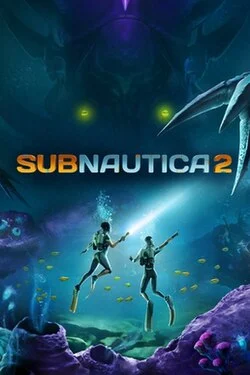
As the development of Subnautica 2 progressed toward its highly anticipated Early Access launch, it became increasingly apparent that Unknown Worlds was on track to trigger these massive payouts. According to court documents, Krafton leadership allegedly grew reluctant to fulfill these obligations.
The strategy employed by Krafton, as characterized by the plaintiffs and supported by the initial findings of the court, was to "weasel out" of the contract by terminating the studio’s leadership. By firing the founders—most notably CEO Edward Gill—and claiming the dismissals were "for cause," Krafton attempted to void the earn-out clauses, which typically require the founders to remain employed or be terminated without cause to receive the funds.
However, the Delaware judge found that the "cause" cited by Krafton was largely manufactured, concluding that the publisher had broken the contract by firing the employees to prevent them from realizing their financial rewards.
II. Chronology of the Conflict
The timeline of the Krafton-Unknown Worlds relationship reflects the volatile transition from the "M&A gold rush" of 2021 to the more litigious and cost-cutting environment of the mid-2020s.
October 2021: The Acquisition
Krafton announces the acquisition of Unknown Worlds. The deal is framed as a strategic move to diversify Krafton’s portfolio beyond PUBG. The founders agree to stay on, incentivized by a massive earn-out tied to the success of future projects, specifically the Subnautica sequel.
2022–2024: Development and Friction
As development on Subnautica 2 scales up, the gaming industry enters a period of contraction. High-profile failures elsewhere in Krafton’s portfolio (such as the underperformance of The Callisto Protocol) put increased pressure on the company’s balance sheet. Sources suggest that during this period, Krafton began looking for ways to "optimize" the costs of the Unknown Worlds acquisition.
Late 2025: The "Ouster"
With Subnautica 2 nearing its Early Access milestone—a key trigger for the earn-out—Krafton abruptly fires CEO Edward Gill and other key founders. The company alleges various "causes" for dismissal, ranging from management style to internal disagreements, effectively seizing direct control of the studio and the IP.
January 2026: Litigation Begins
The founders file suit in Delaware, alleging breach of contract and a bad-faith effort to impair their earn-out. They seek reinstatement and the protection of their contractual rights.
March 17, 2026: Phase One Ruling
The judge releases the discovery documents and the ruling for the first phase of the trial. The court finds Krafton’s actions uncontractual, reinstates Edward Gill, and extends the earn-out period to compensate for the time lost during the founders’ absence.

III. Supporting Data and Discovery Highlights
The discovery process, shared publicly via industry figures like Rami Ismail, has provided a rare, unvarnished look into the internal communications of a multi-billion-dollar gaming publisher. The documents suggest that the decision to terminate the founders was not based on performance failures, but rather on financial engineering.
Key Judicial Findings:
- Reinstatement of Authority: The judge has officially reinstated Edward Gill as CEO. Perhaps more critically, the court issued an injunction stating that Krafton is "enjoined from… impeding Gill’s authority over the early access launch of Subnautica 2." This is a rare level of judicial intervention in corporate management, suggesting the court found Krafton’s interference particularly egregious.
- The "Earn-Out Clock" Reset: Because the founders were wrongfully removed during a critical window for hitting their milestones, the court has ruled that the timeline for the earn-out must be extended by the exact duration of the "ouster." This ensures that Krafton cannot benefit from the delays caused by their own breach of contract.
- Breach of Contract: The court concluded that the firing was a direct breach of the acquisition agreement. The "for cause" justifications provided by Krafton were found to be legally insufficient to void the $250 million obligation.
Financial Context
Krafton’s stock has faced volatility as investors weigh the potential $250 million liability against the value of the Subnautica IP. The $500 million already paid, combined with a potential $250 million payout, would bring the total deal value to $750 million—a high price point that Krafton seemingly regretted as market conditions soured.
IV. Official Responses and Legal Positions
While Krafton has yet to issue a comprehensive public statement following the ruling, the company’s legal defense in court focused on the "right to manage." Krafton’s attorneys argued that as the parent company, they possessed the ultimate authority to make leadership changes they deemed necessary for the health of the subsidiary. They contended that the founders’ management style was "incompatible" with Krafton’s corporate culture.
Conversely, the legal team representing Edward Gill and the Unknown Worlds founders characterized the move as "corporate sabotage."
"This was never about management style," a representative for the plaintiffs suggested in court filings. "This was about a $250 million debt that Krafton did not want to pay. They tried to seize the fruit of the founders’ labor while discarding the people who grew the tree."
The judge’s ruling aligns with the latter view, noting that the timing of the dismissals—just as the Subnautica 2 milestones were within reach—was too coincidental to be ignored.
V. Implications for the Gaming Industry
The fallout from Krafton v. Unknown Worlds extends far beyond the two companies involved. It sets a vital precedent for how M&A deals are handled in the creative sectors.
1. The Validity of Earn-Outs
For independent developers looking to sell their studios, the earn-out has often been viewed with skepticism—sometimes referred to as "the money you’ll never see." This ruling reinforces the idea that earn-outs are binding legal obligations, not optional bonuses that publishers can navigate around through creative firing. It provides a level of security for founders who choose to stay with their companies post-acquisition.
2. Delaware as a Shield
Most major US-based gaming acquisitions are governed by Delaware law due to its sophisticated Court of Chancery. This ruling proves that the court is willing to look past corporate jargon ("dismissal for cause") to examine the underlying intent of a transaction. It serves as a warning to international conglomerates that they cannot use executive power to bypass American contract law.
3. The Future of Subnautica 2
The injunction protecting Edward Gill’s authority is a victory for fans of the franchise. There were widespread fears that Krafton might pivot Subnautica 2 toward more aggressive monetization or "Live Service" models against the founders’ wishes. With Gill’s authority legally protected through the Early Access launch, the creative vision of the sequel appears to be shielded from corporate interference, at least in the short term.
4. Reputation Damage for Krafton
To the industry, Krafton now appears as a partner that may attempt to "weasel out" of its promises. This could make future acquisitions significantly more expensive for the publisher, as sellers will likely demand more money upfront and less in earn-outs, or require more stringent "golden parachute" clauses to protect themselves from similar "ousters."
VI. What Lies Ahead: Phase Two
While Phase One has settled the immediate question of leadership and the validity of the contract, the legal battle is far from over. The court has reserved the second phase of litigation to determine:
- Whether Krafton’s actions "wrongfully impaired" the earn-out beyond just the timeline.
- The exact amount of money damages owed to the founders.
- Whether Krafton’s behavior warrants punitive damages for bad-faith conduct.
As it stands, Krafton finds itself in a precarious position: it must now work alongside a CEO it tried to fire, on a project it tried to seize, while facing a potential quarter-billion-dollar bill that it tried to erase. For the makers of Subnautica, a game about surviving in a hostile, alien environment, the most dangerous predators they encountered weren’t under the sea—they were in the boardroom. And for now, the survivors have the upper hand.