The Digital Canvas: Concept Art World’s Evolving Role in Shaping the Future of Entertainment Design
In an era where the boundary between human creativity and algorithmic generation is increasingly contested, Concept Art World (CAW) has reaffirmed its status as a definitive pillar for the global digital art community. Through a series of high-profile artist spotlights, the promotion of legacy-standard educational resources, and a stern new policy regarding Artificial Intelligence, the platform is signaling a renewed commitment to the "human element" of visual development.
The latest updates from the platform—ranging from the release of the prestigious d’artiste Matte Painting 3 to curated showcases of "Mech" design—highlight a strategic focus on both the preservation of traditional digital techniques and the promotion of individual artistic voices like Den Yang Ho and Anthony Wolff.
Main Facts: A Multi-Front Strategy for Visual Development
Concept Art World remains one of the few curated bastions for professional concept artists, illustrators, and visual development (VisDev) professionals. The platform’s recent activities center on three core pillars: education, inspiration, and ethical protection.
The Educational Standard: d’artiste Matte Painting 3
The spotlighting of d’artiste Matte Painting 3 marks a significant moment for the platform. The d’artiste series, published by Ballistic Publishing, has long been considered the "Gold Standard" for digital art instruction. This third installment in the matte painting series focuses on the intricate craft of creating photorealistic environments for film and gaming—a skill set that remains in high demand despite the rise of automated environment generators. By championing this resource, CAW emphasizes the importance of technical mastery and the historical lineage of the craft.
Curated Inspiration: The Rise of the "Mech" Aesthetic
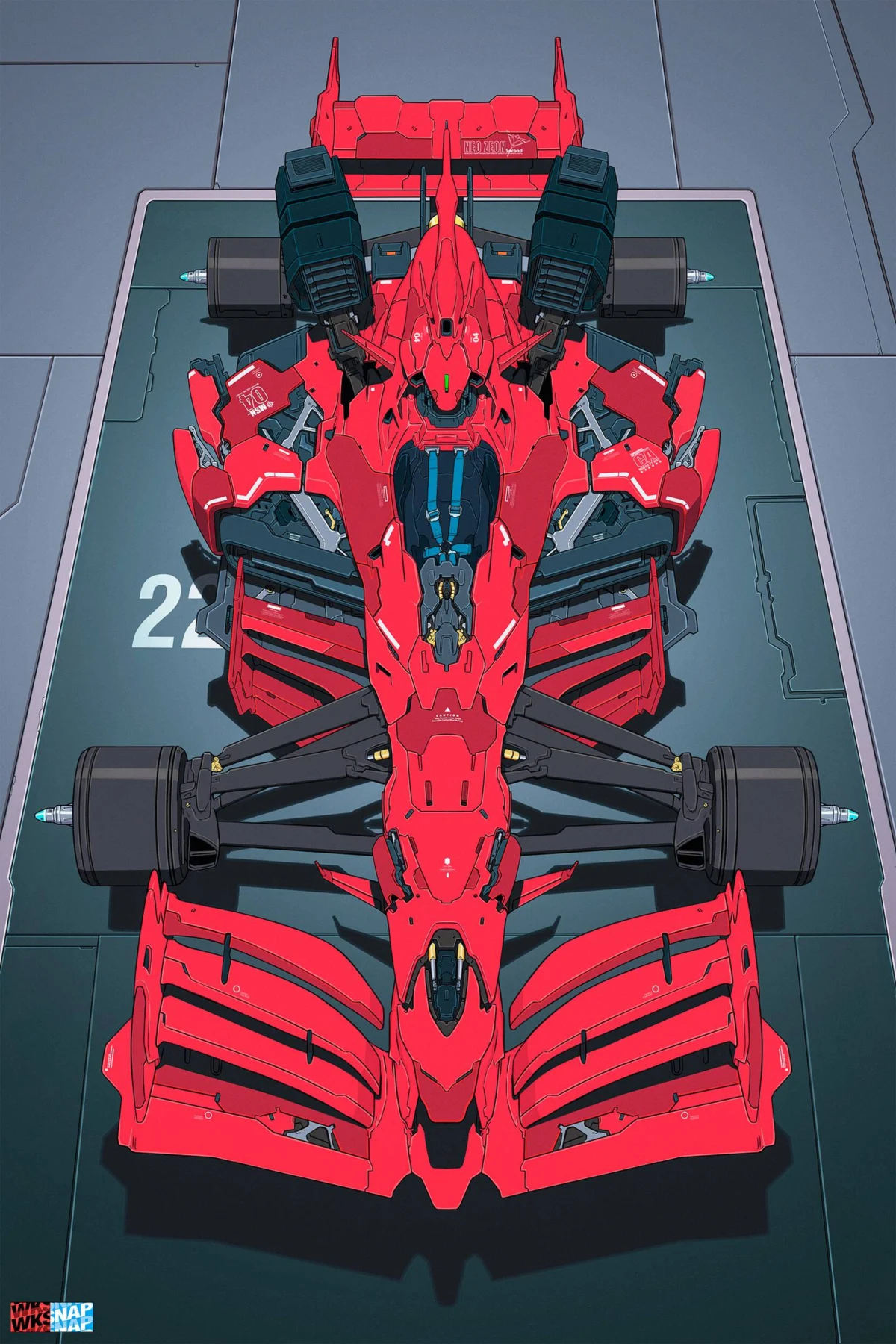
Beyond technical instruction, CAW has released a massive curation titled "23 Inspiring Examples of Mech Concept Art." This collection serves as a barometer for current industry trends, showcasing how mechanical design has evolved from the blocky robots of the 1980s into the sophisticated, functional, and "lived-in" designs required by modern AAA gaming titles and sci-fi cinema.
Artist Spotlights: Den Yang Ho and Anthony Wolff
The platform continues its tradition of "King-making" by featuring deep dives into the portfolios of Den Yang Ho and Anthony Wolff. These artists represent different facets of the industry—from environmental storytelling and world-building to character-driven narrative art. These features provide a crucial bridge between freelance creators and studio recruiters who use CAW as a scouting tool.
Chronology: The Evolution of a Digital Hub
To understand the significance of Concept Art World’s current trajectory, one must look at the timeline of its influence within the entertainment industry.
- The Early Years (Founding to 2015): Concept Art World emerged during the "Golden Age" of digital painting, a time when Photoshop and Corel Painter were revolutionizing how films like Avatar and games like Mass Effect were designed. The site quickly became a centralized gallery, replacing the fragmented forums of the early 2000s.
- The Diversification Era (2016–2021): As the demand for concept art exploded with the rise of streaming services (Netflix, Disney+, HBO Max), CAW expanded its scope. It moved beyond mere galleries to include tutorials, book reviews, and "Inspiration" lists that helped define the visual language of the decade.
- The AI Pivot (2022–Present): With the advent of generative AI (Stable Diffusion, Midjourney), the digital art world faced an existential crisis. Concept Art World’s recent updates reflect a strategic pivot toward protecting human-made IP. The implementation of strict "No AI Training" clauses in their footer and terms of service marks a definitive line in the sand.
Supporting Data: The Value of the Concept Art Economy
The importance of platforms like Concept Art World is underscored by the sheer scale of the industries they serve.
- Gaming Sector Growth: The global gaming market is projected to reach over $300 billion by 2026. Concept art is the "blueprint" phase of this industry. Without the visual development showcased on CAW, the production pipelines for studios like Ubisoft, Sony, and Riot Games would ground to a halt.
- Film and VFX: The VFX market, which relies heavily on matte painters (as highlighted in the d’artiste series), is seeing a CAGR (Compound Annual Growth Rate) of nearly 10%. Professional matte painters are often among the highest-paid specialists in the pipeline.
- The "Human Premium": Despite the rise of AI, a 2024 industry survey of art directors indicated that 78% still prefer human concept artists for "blue-sky" phase development—the initial, creative stage of a project where unique IP is birthed. CAW’s focus on artists like Anthony Wolff caters directly to this "human premium."
Official Responses: A Stance on Ethics and AI
In a formal statement embedded within their latest infrastructure, Concept Art World has clarified its mission and its legal stance on the most pressing issue in the creative world today: Artificial Intelligence.
The organization stated:
"Concept Art World is a leading online resource dedicated to showcasing the best in concept art, illustration, and visual development across the entertainment industry. We feature high-quality artwork, artist spotlights, tutorials, and industry news. CAW is a trusted resource for creative professionals and aspiring artists in film, gaming, animation, and beyond."
Crucially, the platform added a legally binding caveat to its content:
"All images are © by the artist(s) or their respective copyright holders. Any training of AI systems using this content is strictly prohibited."
This response is more than a disclaimer; it is a declaration of intent. By explicitly prohibiting the use of their hosted images for AI training, CAW is positioning itself as a "safe harbor" for artists who fear their portfolios will be scraped and used to automate their own jobs. This move has been met with widespread acclaim from the professional community, who are increasingly looking for platforms that prioritize artist rights over traffic metrics.
Implications: What This Means for the Future of Design
The ripples of Concept Art World’s current editorial and legal direction will be felt across the creative industry in several ways.
1. The Professionalization of Curation
As the internet becomes flooded with AI-generated imagery, the value of curation increases. A human-vetted platform like CAW becomes a "Verified" source of quality. For an artist, being featured on CAW now carries more weight than it did five years ago, as it serves as a certificate of human craftsmanship and professional-grade skill.
2. The Educational Resurgence
By promoting d’artiste Matte Painting 3, CAW is reminding the industry that fundamental skills—perspective, lighting, composition, and texture—cannot be bypassed. As studios begin to see the "hallucinations" and "flattening" effects of over-reliance on AI, there is an expected return to the high-level technical training found in Ballistic Publishing’s resources.
3. A Shift in Social Media Engagement
CAW’s expansion across platforms like Bluesky, Instagram, and LinkedIn suggests a move toward a "distributed community" model. By engaging on Bluesky—a platform that has seen a massive influx of artists fleeing Twitter (X) due to AI concerns—CAW is following its core demographic into new, more ethically aligned digital spaces.
4. Legal Precedents for Artist Portfolios
The "Strictly Prohibited" clause regarding AI training is part of a larger legal movement. If major hubs like Concept Art World can successfully enforce these terms, it provides a blueprint for individual artists to protect their own websites. It signals a future where "Human-Made" might become a premium brand in the entertainment industry.
Conclusion: The Human Blueprint
The recent updates from Concept Art World are not merely a collection of links and images; they represent a concerted effort to defend and define the future of visual storytelling. By celebrating the hyper-specialized world of matte painting, the imaginative depths of mech design, and the individual genius of artists like Den Yang Ho and Anthony Wolff, CAW is making a clear argument: the most compelling worlds are those built by the human mind.
As the entertainment industry moves toward 2026, the "blueprint" of our collective imagination remains in the hands of the creators. Platforms like Concept Art World ensure that those hands—and the tools they use—remain protected, celebrated, and, most importantly, indispensable.